Search News
Industry Portal
Hot Articles
- How to verify FDA compliance for packaging inks used on food packagingPackaging inks FDA compliant? Learn how to verify food-contact safety through regulatory citations, migration testing, supplier declarations, and process controls.
- When do holographic foils add value to luxury goods packaging?Packaging materials for luxury goods gain impact with holographic foils that elevate shelf appeal, authenticity, and premium unboxing—learn when this finish delivers real value.
- Can nano encryption technology stop counterfeit labels from being copied?Nano encryption technology anti counterfeit labels combine physical security, tamper evidence, and serialization to make copying harder. Explore smarter protection.
Popular Tags
PLA Biodegradable Packaging Under 2026 Plastic Ban Rules
Time
Click Count
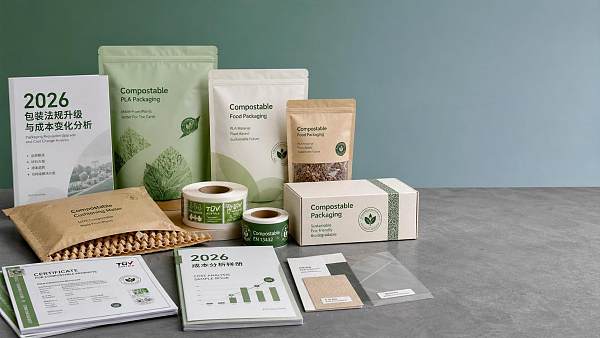
As 2026 plastic ban rules tighten across major markets, PLA biodegradable packaging is shifting from an experimental option to a strategic packaging pathway.
The change is not driven by image alone. It is shaped by compliance risk, waste policy, retailer standards, and growing pressure on material selection.
For packaging intelligence platforms such as PPCS, the real question is not whether interest is rising. It is how to judge fit, limits, and timing.
In that context, PLA biodegradable packaging must be assessed through regulation, barrier needs, printability, cushioning performance, and end-of-life infrastructure.
2026 rules are turning PLA biodegradable packaging into a compliance discussion
Across Europe, North America, and parts of Asia, packaging policy is moving beyond broad plastic reduction slogans toward measurable material outcomes.
That means compostability claims, recyclability pathways, fossil-plastic reduction, and labeling accuracy are receiving closer regulatory attention.
For many applications, PLA biodegradable packaging now enters evaluation because it can support lower fossil dependency and align with selected compostable packaging frameworks.
However, the opportunity is conditional. Policy acceptance depends on product type, collection systems, contamination risk, and national implementation details.
The strongest trend signals now visible
- Single-use formats face narrower material choices.
- Green claims require better technical evidence.
- Retailers increasingly ask for disposal guidance on-pack.
- Food contact and barrier performance remain non-negotiable.
- Lightweight protective packaging is replacing bulky foam formats.
Why the shift is accelerating faster than many expected
The growth of PLA biodegradable packaging is not caused by one single law. It comes from overlapping commercial and technical pressures.
PPCS closely tracks this crossover point, where legislation meets coating chemistry, film orientation, adhesive behavior, and transport performance.
PLA biodegradable packaging offers gains, but only in the right packaging architecture
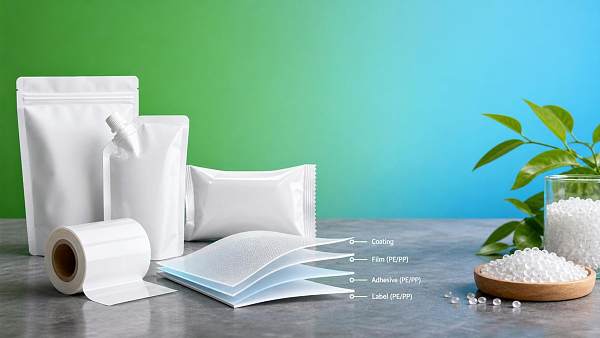
Not every format benefits equally from PLA. Rigid thermoforms, compostable pouches, cushioning films, and label facestocks each present different technical realities.
PLA biodegradable packaging is often valued for clarity, gloss, printable surface quality, and bio-based content positioning.
Yet heat resistance, moisture sensitivity, and oxygen barrier limits can affect product categories that require longer shelf life or harsh logistics conditions.
Where current performance is strongest
- Fresh produce packs with shorter circulation cycles
- Cold food service items in certified compostable systems
- Biodegradable cushioning and air-column protection
- Promotional or seasonal packs needing strong shelf appeal
- Label constructions paired with compatible compostable adhesives
Where deeper validation is still necessary
- High-temperature filling or storage conditions
- Long-life snacks needing very strong moisture barriers
- Heavy industrial packing under repeated stress
- Formats mixing incompatible layers or inks
The biggest market misunderstanding is end-of-life, not material selection
One major risk is assuming biodegradable always means it breaks down everywhere. That is not how PLA biodegradable packaging should be evaluated.
In many cases, PLA requires industrial composting conditions, controlled heat, moisture, and microbial activity to achieve intended degradation rates.
If collection infrastructure is absent, disposal outcomes may not match marketing claims. That creates legal exposure and customer confusion.
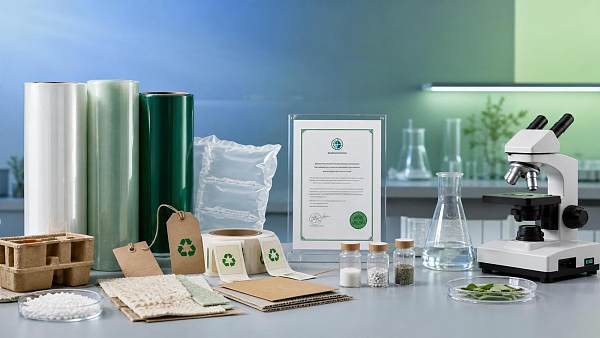
This is why PPCS emphasizes evidence stitching across films, labels, inks, and application environments before positioning a solution as sustainable.
Questions that should be answered before launch
- Which national rule defines acceptable compostability claims?
- Is there local industrial composting access for the target market?
- Do adhesives, inks, and coatings match the same disposal pathway?
- Can the pack still protect against oxygen, moisture, and impact?
- Will the label language remain accurate after export?
Different packaging functions are being affected in different ways
The shift toward PLA biodegradable packaging influences more than substrate choice. It changes how the whole pack is engineered.
What deserves the closest attention over the next planning cycle
The most resilient decisions combine regulatory foresight with packaging physics. That is especially true for PLA biodegradable packaging.
- Verify whether compostability is legally useful in each destination market.
- Compare total system cost, not resin price alone.
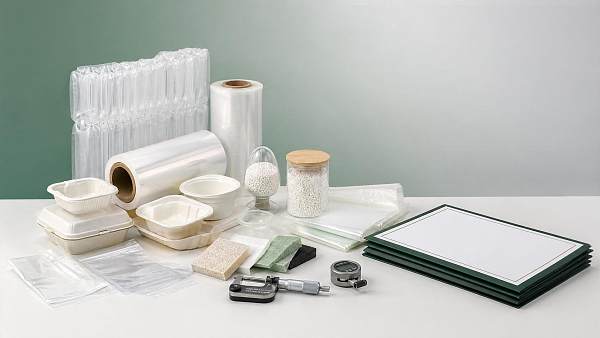
- Test seal strength, puncture resistance, and transit durability.
- Review label, ribbon, and ink compatibility early.
- Avoid mixed-material combinations that weaken disposal claims.
- Match sustainability messaging to available waste infrastructure.
A practical decision path is replacing one-size-fits-all adoption
The better approach is selective deployment. PLA biodegradable packaging should be assigned where compliance value and technical fit clearly overlap.
The 2026 transition is not simply about replacing one polymer with another. It is about redesigning packaging systems with fewer compliance blind spots.
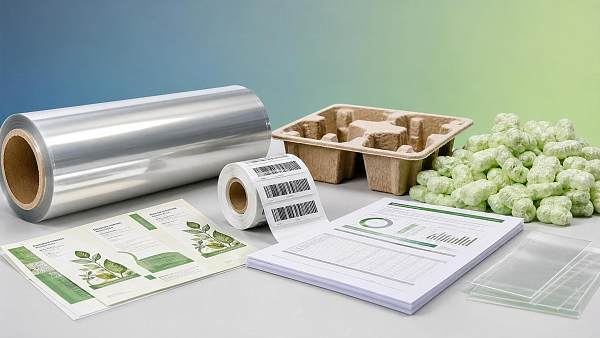
For organizations tracking films, labels, cushioning, and print consumables together, that systems view creates a sharper advantage.
PPCS supports this process by connecting regulation, coating science, barrier engineering, and packaging economics into one actionable intelligence framework.
The immediate next step is straightforward: audit current formats, identify high-risk plastic exposure, and test where PLA biodegradable packaging can deliver both compliance value and reliable pack performance.
Recommended News
 Aug 27, 2026Where to find packaging specification resources for compliance checksPackaging specification resources: discover trusted regulations, test standards, and supplier documents to streamline compliance checks, reduce risk, and approve packaging confidently.
 Aug 22, 2026How to verify whether recyclable flexible packaging in Europe meets PPWR expectationsRecyclable flexible packaging Europe: learn how to verify PPWR readiness, assess sorting and barrier performance, and avoid weak claims with a practical evaluation framework.
 Aug 16, 2026China Enforces Eco-Environment Code, Raising Export Packaging Compliance RequirementsChina enforces its Eco-Environment Code, tightening export packaging compliance for food, FMCG, e-commerce, and pharma. Learn the new risks, certification checks, and sourcing actions now.
 Aug 05, 2026Packaging Compliance in North America: Which Labels and Material Rules Matter Most?Packaging compliance North America explained: learn the label, bilingual, material, recyclability, and EPR rules that matter most to reduce risk and speed market access.
 Jul 14, 2026Packaging Compliance Materials Guide for Plastic Ban ReadinessPackaging compliance materials guide for plastic-ban readiness: compare films, labels, cushioning, and print systems to reduce risk, protect performance, and stay ahead of changing regulations.
 Jul 13, 2026Biodegradable Packaging Compostable: Key Claims, Standards, and Common MistakesBiodegradable Packaging compostable explained: learn the key differences, standards, compliance checks, and common claim mistakes before choosing or marketing sustainable packaging.
 Jul 10, 2026How Mono Material Packaging Affects Recyclability and Shelf AppealMono material packaging can improve recyclability without sacrificing shelf appeal. Discover key trade-offs, hidden risks, and practical evaluation tips for smarter packaging decisions.
 Jul 04, 2026Mono Material Packaging Europe: What Changes Under New Recycling RulesMono material packaging Europe is rapidly becoming a compliance and cost priority. Learn how new EU recycling rules reshape packaging design, market access, and competitive advantage.
 Jul 01, 2026Mono Material Flexible Packaging: When It Works and Where It Falls ShortMono material flexible packaging explained: discover where it improves recyclability and efficiency, where barrier and machinability limits remain, and how to judge the right fit.
 Jun 29, 2026Compostable Sustainable Packaging in 2026: What Regulations and Costs Are ChangingCompostable sustainable packaging in 2026 is being reshaped by stricter regulations and shifting costs. Learn where it fits, what compliance demands, and how to choose smarter, scalable packaging strategies.
 Jun 28, 2026PPWR Packaging Europe: What Changes for Packaging Specs in 2026PPWR packaging Europe in 2026 will reshape packaging specs across films, labels, adhesives, and cushioning. Learn the key compliance shifts, risks, and smart actions brands should take now.
 Jun 25, 2026Mono-Material Recyclable Science Explained for Practical Packaging DesignMono-material recyclable science explained for practical packaging design. Learn how to balance recyclability, barrier performance, compliance, and cost with smarter material choices.
 Jun 24, 2026Packaging Compliance Resources for PPWR and Plastic Ban ReadinessPackaging compliance resources for PPWR and plastic ban readiness: learn how to assess materials, labeling, recyclability, and supplier data to reduce risk and stay market-ready.
 Jun 21, 2026Sustainable Packaging Materials Certification: What Standards Matter in 2026Sustainable packaging materials certification in 2026: learn which standards truly matter for recyclability, compostability, fiber sourcing, and compliance to reduce risk and choose smarter packaging.
 Jun 21, 2026How to Evaluate PLA PBAT Packaging for Cost, Strength, and CompliancePLA PBAT packaging evaluation starts with real cost, strength, and compliance. Learn how to compare suppliers, reduce sourcing risk, and choose packaging that performs.
 Jun 20, 2026Sustainable Packaging Materials Trends Shaping 2026 Compliance PlansSustainable packaging materials are redefining 2026 compliance plans. Explore key trends, risks, and smart material choices that improve recyclability, traceability, and cost control.
 Jun 16, 2026Sustainable Packaging Science and the 2026 Compliance ShiftSustainable packaging science is reshaping 2026 compliance, helping brands balance recyclability, protection, traceability, and cost before new rules tighten.
 Jun 12, 2026How PLA Biodegradable Packaging Performs Under New Plastic Ban RulesPLA biodegradable packaging under new plastic ban rules: explore where it delivers compliance, protection, and cost efficiency—and where smart packaging design still matters.
 Jun 11, 2026Vietnam Requires ISPM15 and REACH Declarations for ImportsVietnam Requires ISPM15 and REACH Declarations for Imports from July 1, 2026. Learn how the new packaging compliance rule may impact customs clearance, costs, and shipment planning.
 Jun 10, 2026EU PPWR Rule Takes Effect July 1: Recyclability Proof Required for BOPP/PET Film ExportsEU PPWR rule takes effect July 1, requiring recyclability proof for BOPP/PET film exports. Learn compliance risks, EN 13432 or ISO 14855 document needs, and how to avoid EU customs delays.
 Jun 06, 2026Green Packaging Becomes an EU Market Entry RuleGreen packaging is becoming a real EU market entry rule. Learn how BOPP Barrier Films, Stretch Wrap Films, and RFID Smart Labels exporters can meet new compliance, certification, and packaging cost requirements.
![]() Jun 06, 2026Peru Tightens Mandatory Compliance for Food PackagingPeru Tightens Mandatory Compliance for Food Packaging: learn how WTO notice G/TBT/N/PER/178 may affect exporters, importers, and food-contact packaging supply chains.
Jun 06, 2026Peru Tightens Mandatory Compliance for Food PackagingPeru Tightens Mandatory Compliance for Food Packaging: learn how WTO notice G/TBT/N/PER/178 may affect exporters, importers, and food-contact packaging supply chains.![]() Jun 03, 2026Mono-Material Recyclable Packaging Under PPWDMono-material recyclable packaging helps brands meet PPWD/PPWR demands, cut compliance risk, and protect performance—learn how to redesign smarter for EU markets.
Jun 03, 2026Mono-Material Recyclable Packaging Under PPWDMono-material recyclable packaging helps brands meet PPWD/PPWR demands, cut compliance risk, and protect performance—learn how to redesign smarter for EU markets. Jun 02, 2026Sustainable Packaging Science for PPWD Risk PlanningSustainable packaging science helps brands plan PPWD risks, compare films, labels, cushioning and foils, and build compliant packaging that protects trust and cost.