Search News
Industry Portal
Hot Articles
- EU PPWR Rule Takes Effect for BOPP Barrier FilmsEU PPWR rule now reshapes BOPP barrier films in the EU market. Learn mandatory labeling, recyclability, traceability, and customs compliance risks before exports are delayed.
- Packaging Compliance in North America: Which Labels and Material Rules Matter Most?Packaging compliance North America explained: learn the label, bilingual, material, recyclability, and EPR rules that matter most to reduce risk and speed market access.
- EU PPWR Rules Now Apply to BOPP Barrier Film LabelsEU PPWR rules now apply to BOPP barrier film labels. Learn the new EU labeling, recyclability, and material disclosure requirements to avoid customs delays, fines, and compliance risks.
Popular Tags
Sustainable Packaging Materials Certification: What Standards Matter in 2026
Time
Click Count
In 2026, sustainable packaging materials certification has moved far beyond a marketing claim. It now sits at the center of compliance control, supplier qualification, and product safety review. For packaging used in films, labels, cushioning, ribbons, and decorative layers, the real challenge is no longer finding a green statement. It is proving that statement with standards buyers, regulators, and auditors will accept.
That shift matters across the broader packaging chain. A high-barrier film may protect shelf life brilliantly, but weak recyclability evidence can block market entry. A biodegradable air cushion may sound compliant, yet without the right test basis, disposal claims become risky. This is why sustainable packaging materials certification deserves close attention wherever performance, traceability, and environmental proof must work together.
What sustainable packaging materials certification really covers
At its core, sustainable packaging materials certification is not one single approval. It is a family of standards used to verify different environmental attributes of a material, structure, ink, adhesive, or finished pack.
Some certifications examine whether a material can be recycled in existing systems. Others assess compostability, bio-based content, chemical restrictions, or responsible fiber sourcing. A few focus on chain-of-custody evidence rather than laboratory performance.
This distinction is important because many packaging formats are hybrid systems. A pouch may include BOPP, barrier coatings, adhesives, inks, and labels. Each layer influences the sustainability claim, and each claim may require a different standard.
Why 2026 raises the stakes
The pressure is coming from several directions at once. Regulations are becoming more specific. Retailers are asking for evidence, not broad declarations. Waste systems are also tightening what they count as recyclable or compostable.
In Europe, PPWR is shaping design expectations around recyclability, material minimization, and documentation discipline. In North America and Asia, extended producer responsibility schemes are pushing similar questions into supplier audits and packaging specifications.
That means sustainable packaging materials certification now affects more than reputation. It can influence customs risk, tender eligibility, customer acceptance, and even whether a packaging line change triggers a revalidation exercise.
The standards that matter most in practice
Not every logo carries the same weight. In practical review, a few standards consistently matter more because they connect directly to disposal pathways, material claims, and restricted substance control.
Recyclability and design-for-recycling
For recyclable packaging, quality review usually starts with whether the structure fits real collection and sorting systems. Guidance from RecyClass, APR, and similar protocols often matters more than generic recyclability wording.
These frameworks examine material compatibility, separability, density behavior, ink coverage, adhesive impact, and residual contamination. A mono-material claim without this support is often too weak for 2026 requirements.
Industrial compostability and biodegradability
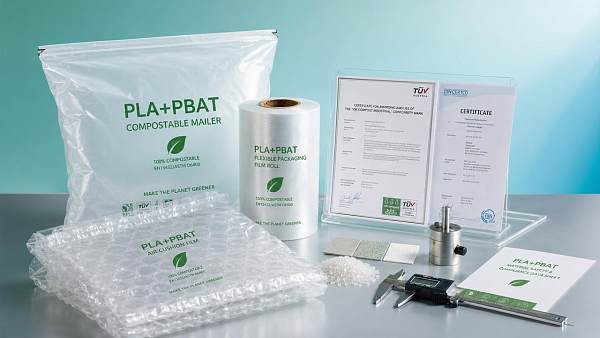
For compostable packaging, EN 13432 and ASTM D6400 remain central references. They assess disintegration, biodegradation, ecotoxicity, and heavy metal limits under controlled composting conditions.
This matters especially for biodegradable cushioning, mailers, and some food-contact applications. Claims must match the disposal route. Industrial compostable does not automatically mean home compostable, soil biodegradable, or marine degradable.
Fiber sourcing and chain of custody
When packaging includes paper, molded fiber, or honeycomb kraft structures, FSC and PEFC certification remain highly relevant. They do not prove compostability or recyclability by themselves. They confirm responsible forest sourcing and custody integrity.
Chemical safety and restricted substances
REACH, RoHS in certain applications, California Proposition 65, and food-contact frameworks often intersect with sustainable packaging materials certification decisions. A package cannot be treated as sustainably acceptable if coatings, inks, or adhesives create chemical compliance gaps.
This is especially critical for pressure-sensitive labels, thermal transfer ribbons, and specialty coatings, where performance chemistry may involve resins, plasticizers, pigments, or additives needing close review.
Bio-based content verification
For materials promoted as partly renewable, certification based on ASTM D6866 or equivalent methods helps separate bio-based content claims from vague sustainability language. It does not prove biodegradability, but it does support carbon-origin verification.
Where certification becomes complicated
The most difficult cases are rarely simple paper cartons. Complexity usually appears in multi-layer flexible packaging, security labels, coated films, and mixed-material cushioning systems.
A BOPP or PET structure may perform exceptionally for oxygen and moisture barrier control. Yet barrier coatings, metallization, and laminating adhesives can reduce recycling compatibility if the full structure is not designed around recovery pathways.
The same applies to anti-counterfeit labels. Tamper evidence, cold-chain adhesion, and print durability are valuable, but aggressive adhesive systems or layered facestock constructions can complicate wash-off behavior and substrate recycling.
PPCS has observed this tension across high-barrier films, biodegradable cushioning, and thermal transfer applications. The best results come when environmental certification is evaluated alongside physical protection, print performance, and traceability requirements, not after final material selection.
How to judge certification quality, not just certification presence
A certificate alone does not settle the question. The real value depends on scope, test method, issuing body, and version control.
- Check whether the certificate applies to a raw resin, a coating, or the finished packaging construction.
- Confirm the standard edition and whether the report reflects current regulatory expectations.
- Review laboratory conditions and limitations, especially for compostability and recyclability claims.
- Verify whether formulation changes trigger requalification requirements.
- Match the claim wording to the exact certified scope used in sales, labels, and technical files.
This is where sustainable packaging materials certification becomes a quality system issue. Documentation discipline matters as much as material science. A claim can fail not because the chemistry is wrong, but because the scope was overstated.
Priority checks by packaging type
Different packaging categories deserve different review priorities. Treating them all the same often leads to blind spots.
Films and laminates
Focus on recyclability protocols, barrier-function tradeoffs, downgauging evidence, and additive disclosure. Sustainable packaging materials certification should support both environmental claims and preservation performance.
Labels and adhesive systems
Review adhesive chemistry, liner recovery options, washability, and restricted substances. Traceability features must not create hidden end-of-life conflicts.
Biodegradable cushioning
Look closely at compostability scope, disposal instructions, transport durability, and moisture sensitivity. A cushion can be compliant in waste terms but unsuitable for high-humidity logistics.
Thermal ribbons and printed identification layers
Pay attention to chemical declarations, abrasion resistance, and compatibility with recyclable label facestocks. Durable data marking still needs sustainable packaging materials certification logic behind it.
A practical framework for 2026 decisions
A useful approach is to review every packaging claim through four linked questions: what is being claimed, under which standard, for which exact structure, and in which disposal or regulatory environment?
That framework helps prevent common mistakes. It stops a renewable-content claim from being confused with compostability. It also stops a lab recyclability result from being treated as universal acceptance across markets.
For organizations managing global packaging portfolios, sustainable packaging materials certification works best when it is tied to specification control, supplier change notification, artwork governance, and compliance documentation retention.
The next step is not to collect more logos. It is to map each packaging format against its performance needs, target market rules, and approved certification evidence. That creates a clearer basis for material selection, audit readiness, and safer sustainability claims in 2026.
Recommended News
 Aug 05, 2026Packaging Compliance in North America: Which Labels and Material Rules Matter Most?Packaging compliance North America explained: learn the label, bilingual, material, recyclability, and EPR rules that matter most to reduce risk and speed market access.
 Jul 14, 2026Packaging Compliance Materials Guide for Plastic Ban ReadinessPackaging compliance materials guide for plastic-ban readiness: compare films, labels, cushioning, and print systems to reduce risk, protect performance, and stay ahead of changing regulations.
 Jul 13, 2026Biodegradable Packaging Compostable: Key Claims, Standards, and Common MistakesBiodegradable Packaging compostable explained: learn the key differences, standards, compliance checks, and common claim mistakes before choosing or marketing sustainable packaging.
 Jul 10, 2026How Mono Material Packaging Affects Recyclability and Shelf AppealMono material packaging can improve recyclability without sacrificing shelf appeal. Discover key trade-offs, hidden risks, and practical evaluation tips for smarter packaging decisions.
 Jul 04, 2026Mono Material Packaging Europe: What Changes Under New Recycling RulesMono material packaging Europe is rapidly becoming a compliance and cost priority. Learn how new EU recycling rules reshape packaging design, market access, and competitive advantage.
 Jul 01, 2026Mono Material Flexible Packaging: When It Works and Where It Falls ShortMono material flexible packaging explained: discover where it improves recyclability and efficiency, where barrier and machinability limits remain, and how to judge the right fit.
 Jun 29, 2026Compostable Sustainable Packaging in 2026: What Regulations and Costs Are ChangingCompostable sustainable packaging in 2026 is being reshaped by stricter regulations and shifting costs. Learn where it fits, what compliance demands, and how to choose smarter, scalable packaging strategies.
 Jun 28, 2026PPWR Packaging Europe: What Changes for Packaging Specs in 2026PPWR packaging Europe in 2026 will reshape packaging specs across films, labels, adhesives, and cushioning. Learn the key compliance shifts, risks, and smart actions brands should take now.
 Jun 25, 2026Mono-Material Recyclable Science Explained for Practical Packaging DesignMono-material recyclable science explained for practical packaging design. Learn how to balance recyclability, barrier performance, compliance, and cost with smarter material choices.
 Jun 24, 2026Packaging Compliance Resources for PPWR and Plastic Ban ReadinessPackaging compliance resources for PPWR and plastic ban readiness: learn how to assess materials, labeling, recyclability, and supplier data to reduce risk and stay market-ready.
 Jun 21, 2026Sustainable Packaging Materials Certification: What Standards Matter in 2026Sustainable packaging materials certification in 2026: learn which standards truly matter for recyclability, compostability, fiber sourcing, and compliance to reduce risk and choose smarter packaging.
 Jun 21, 2026How to Evaluate PLA PBAT Packaging for Cost, Strength, and CompliancePLA PBAT packaging evaluation starts with real cost, strength, and compliance. Learn how to compare suppliers, reduce sourcing risk, and choose packaging that performs.
 Jun 20, 2026Sustainable Packaging Materials Trends Shaping 2026 Compliance PlansSustainable packaging materials are redefining 2026 compliance plans. Explore key trends, risks, and smart material choices that improve recyclability, traceability, and cost control.
 Jun 16, 2026Sustainable Packaging Science and the 2026 Compliance ShiftSustainable packaging science is reshaping 2026 compliance, helping brands balance recyclability, protection, traceability, and cost before new rules tighten.
 Jun 12, 2026How PLA Biodegradable Packaging Performs Under New Plastic Ban RulesPLA biodegradable packaging under new plastic ban rules: explore where it delivers compliance, protection, and cost efficiency—and where smart packaging design still matters.
 Jun 11, 2026Vietnam Requires ISPM15 and REACH Declarations for ImportsVietnam Requires ISPM15 and REACH Declarations for Imports from July 1, 2026. Learn how the new packaging compliance rule may impact customs clearance, costs, and shipment planning.
 Jun 10, 2026EU PPWR Rule Takes Effect July 1: Recyclability Proof Required for BOPP/PET Film ExportsEU PPWR rule takes effect July 1, requiring recyclability proof for BOPP/PET film exports. Learn compliance risks, EN 13432 or ISO 14855 document needs, and how to avoid EU customs delays.
 Jun 06, 2026Green Packaging Becomes an EU Market Entry RuleGreen packaging is becoming a real EU market entry rule. Learn how BOPP Barrier Films, Stretch Wrap Films, and RFID Smart Labels exporters can meet new compliance, certification, and packaging cost requirements.
![]() Jun 06, 2026Peru Tightens Mandatory Compliance for Food PackagingPeru Tightens Mandatory Compliance for Food Packaging: learn how WTO notice G/TBT/N/PER/178 may affect exporters, importers, and food-contact packaging supply chains.
Jun 06, 2026Peru Tightens Mandatory Compliance for Food PackagingPeru Tightens Mandatory Compliance for Food Packaging: learn how WTO notice G/TBT/N/PER/178 may affect exporters, importers, and food-contact packaging supply chains.![]() Jun 03, 2026Mono-Material Recyclable Packaging Under PPWDMono-material recyclable packaging helps brands meet PPWD/PPWR demands, cut compliance risk, and protect performance—learn how to redesign smarter for EU markets.
Jun 03, 2026Mono-Material Recyclable Packaging Under PPWDMono-material recyclable packaging helps brands meet PPWD/PPWR demands, cut compliance risk, and protect performance—learn how to redesign smarter for EU markets. Jun 02, 2026Sustainable Packaging Science for PPWD Risk PlanningSustainable packaging science helps brands plan PPWD risks, compare films, labels, cushioning and foils, and build compliant packaging that protects trust and cost.
 Jun 01, 2026Sustainable Packaging Materials Certification in 2026Sustainable packaging materials certification in 2026 helps buyers verify claims, reduce sourcing risk, meet regulations, and choose credible films, labels, cushioning, and foils.
 May 31, 2026Sustainable Packaging Materials Under 2026 PPWD RulesSustainable packaging materials guide for 2026 PPWD rules: compare recyclable films, cushioning, labels and inks to cut compliance risk, waste fees and protect product performance.
 May 28, 2026PLA PBAT Packaging in 2026: Compliance Risks and Material LimitsPLA PBAT packaging in 2026 faces tighter compliance checks, compostability limits, and real performance trade-offs. Discover key risks, best-fit uses, and smarter packaging decisions.