Search News
Industry Portal
Hot Articles
- How to verify a mono material recyclable packaging manufacturerVerify a mono material recyclable packaging manufacturer with practical checks on composition, recyclability evidence, certifications, performance, and factory controls.
- How to verify FDA compliance for packaging inks used on food packagingPackaging inks FDA compliant? Learn how to verify food-contact safety through regulatory citations, migration testing, supplier declarations, and process controls.
- When do holographic foils add value to luxury goods packaging?Packaging materials for luxury goods gain impact with holographic foils that elevate shelf appeal, authenticity, and premium unboxing—learn when this finish delivers real value.
Popular Tags
Sustainable Packaging Science and the 2026 Compliance Shift
Time
Click Count
Why sustainable packaging science is now a boardroom issue
The 2026 compliance cycle is changing packaging decisions faster than many expected.
What used to sit inside R&D reviews now influences market access, cost exposure, and brand resilience.
That is why sustainable packaging science has moved beyond material substitution.
It now connects polymer behavior, coating chemistry, traceability, and recyclability with compliance readiness.
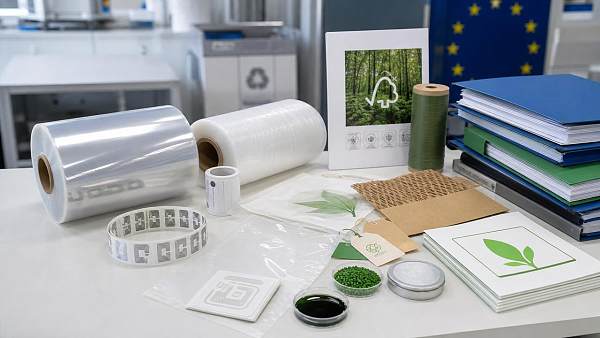
The shift is especially visible across films, labels, cushioning, coding systems, and decorative layers.
In practical terms, packaging is being judged on two fronts at once.
It must protect products under real logistics stress, yet also fit stricter recycling and reporting frameworks.
This tension explains why sustainable packaging science is becoming a decision lens rather than a technical footnote.
For cross-border goods, the pressure is sharper because one pack may need to satisfy multiple regulatory logics.
That makes science-led evaluation more valuable than generic claims about being green.
The compliance signal is broader than a single regulation
Recent policy changes are often discussed through Europe, especially PPWR, but the direction is wider.
Extended producer responsibility, recycled content targets, plastic taxes, and labeling rules are starting to reinforce each other.
More importantly, these rules are changing how packaging value is measured.
A lower unit price no longer guarantees a better business case if disposal fees, redesign costs, or customs risks increase.
From recent market behavior, three signals stand out:
- Material structures are being reviewed for recyclability, not only for barrier strength.
- Adhesives, inks, and coatings are receiving more scrutiny because they affect sorting and recovery performance.
- Data carriers such as labels and ribbons matter more because proof of compliance increasingly depends on traceable information.
This is where sustainable packaging science becomes highly specific.
A film is no longer assessed only by thickness or tensile strength.
Its orientation behavior, seal integrity, mono-material compatibility, and downstream recoverability now shape commercial risk.
Why the science behind films, labels, and cushioning suddenly matters more
The current shift is not driven by regulation alone.
It is also the result of tighter logistics economics, higher product sensitivity, and stronger brand exposure.
A lightweight structure that fails during transport creates waste, returns, and emissions at the same time.
That is why performance science and sustainability claims can no longer be separated.
PPCS has been observing this intersection closely across its core material pillars.
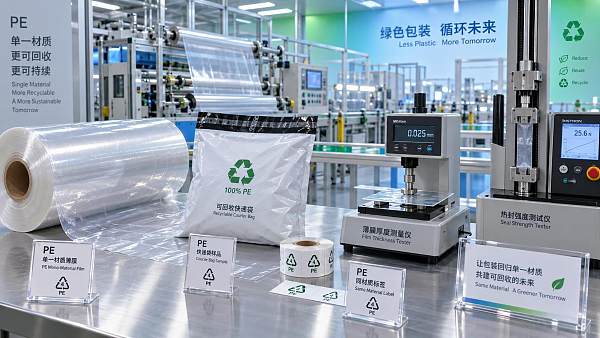
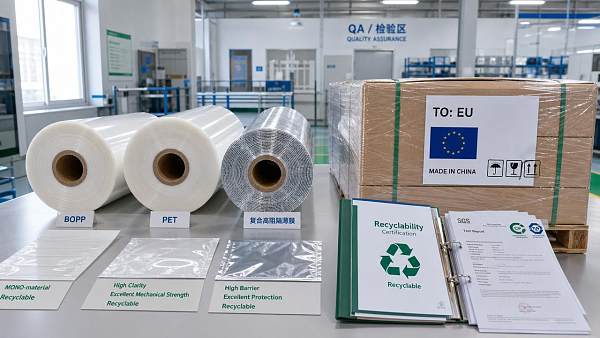
High-barrier BOPP and PET films still protect moisture-sensitive and oxygen-sensitive products.
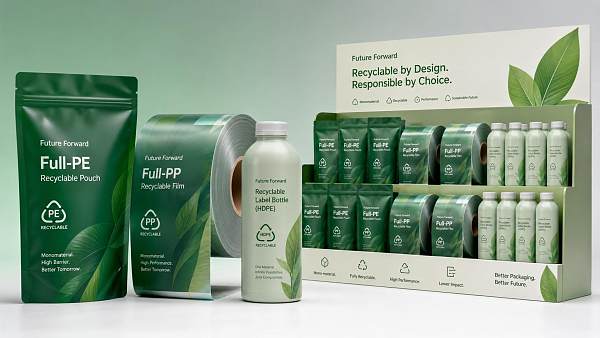
Yet the next question is whether those structures can be simplified, downgauged, or redesigned into more recyclable formats.
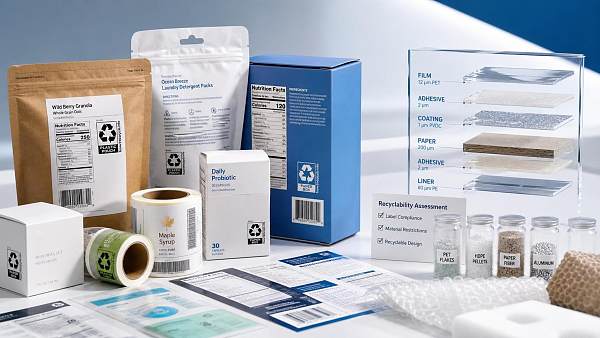
Anti-counterfeit adhesive labels face a similar rethink.
They must preserve tamper evidence and cold-chain durability while reducing interference with recycling streams.
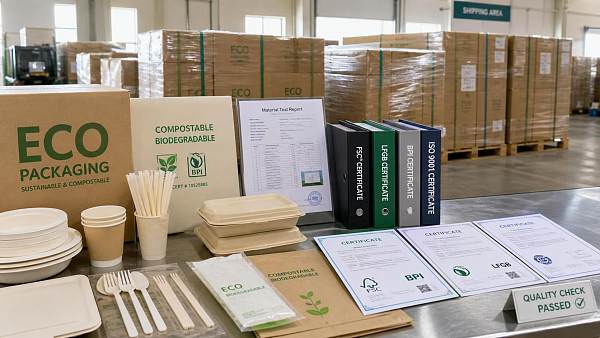
Biodegradable cushioning is also under a more disciplined lens.
The issue is no longer whether a material sounds eco-friendly.
The real test is whether degradation claims, drop protection, storage stability, and regional waste systems align.
A closer look at the decision pressure points
Impact is spreading across protection, branding, and data integrity
One of the biggest mistakes is treating compliance as an isolated packaging checkbox.
The effects are reaching several business layers at once.
Protective performance is the first layer.
If a more recyclable structure reduces puncture resistance or seal consistency, overall sustainability can actually worsen.
Brand protection is the second layer.
Premium goods, pharmaceuticals, and electronics still need tamper evidence, optical impact, and serialization discipline.
That means sustainable packaging science must include micro-coatings, secure adhesives, and durable print systems.
Data integrity is the third layer, and it is becoming more important.
Packaging claims are increasingly tied to documentation, digital IDs, and readable codes that survive harsh handling.
This is why PPCS frames packaging as both physical armor and digital identity.
The combination is no longer optional in sectors with strict chain-of-custody expectations.
A package that is recyclable but not traceable may still create compliance gaps.
What deserves closer attention before 2026 deadlines harden
The most useful evaluations now go deeper than headline sustainability claims.
They compare technical trade-offs that will matter when regulations meet operational reality.
- Check whether downgauged films maintain barrier consistency after transport vibration and temperature swings.
- Review whether label constructions support both anti-counterfeit demands and recycling system compatibility.
- Test cushioning alternatives under actual drop, compression, and storage conditions rather than lab claims alone.
- Examine ribbon and ink durability where readable codes are required for returns, customs, or cold-chain logistics.
- Track regional policy differences because a compliant format in one market may trigger costs in another.
More noticeable now is the advantage of intelligence-led screening.
Teams that connect material science with policy reading are identifying risks earlier and redesigning with fewer surprises.
That is where specialist observation becomes useful, not as promotion, but as risk translation.
The value lies in seeing how a coating change, adhesive formula, or film gauge can alter compliance economics.
The next phase will reward balanced engineering, not symbolic green claims
Looking ahead, the market is unlikely to reward packaging that is sustainable only on paper.
The stronger position will belong to formats that combine measurable protection, cleaner recovery pathways, and credible data support.
This suggests a more disciplined path for sustainable packaging science.
Material simplification will continue, but not at the expense of product safety.
Lightweighting will remain attractive, but only where performance margins stay reliable.
Secure labels and coatings will stay relevant because traceability is becoming part of sustainability governance.
For that reason, the smartest next step is not a rushed switch.
It is a structured review of material architecture, compliance exposure, and application-specific performance.
A useful starting point is to map which packaging components create the highest future friction.
Then compare redesign options by barrier function, recyclability fit, traceability support, and total landed cost.
In this environment, sustainable packaging science is less about slogans and more about choosing what remains viable under pressure.
Those who keep watching the technical signals behind regulation will be better prepared for the 2026 compliance shift.
Recommended News
 Sep 15, 2026How to verify a mono material recyclable packaging manufacturerVerify a mono material recyclable packaging manufacturer with practical checks on composition, recyclability evidence, certifications, performance, and factory controls.
 Aug 27, 2026Where to find packaging specification resources for compliance checksPackaging specification resources: discover trusted regulations, test standards, and supplier documents to streamline compliance checks, reduce risk, and approve packaging confidently.
 Aug 22, 2026How to verify whether recyclable flexible packaging in Europe meets PPWR expectationsRecyclable flexible packaging Europe: learn how to verify PPWR readiness, assess sorting and barrier performance, and avoid weak claims with a practical evaluation framework.
 Aug 16, 2026China Enforces Eco-Environment Code, Raising Export Packaging Compliance RequirementsChina enforces its Eco-Environment Code, tightening export packaging compliance for food, FMCG, e-commerce, and pharma. Learn the new risks, certification checks, and sourcing actions now.
 Aug 05, 2026Packaging Compliance in North America: Which Labels and Material Rules Matter Most?Packaging compliance North America explained: learn the label, bilingual, material, recyclability, and EPR rules that matter most to reduce risk and speed market access.
 Jul 14, 2026Packaging Compliance Materials Guide for Plastic Ban ReadinessPackaging compliance materials guide for plastic-ban readiness: compare films, labels, cushioning, and print systems to reduce risk, protect performance, and stay ahead of changing regulations.
 Jul 13, 2026Biodegradable Packaging Compostable: Key Claims, Standards, and Common MistakesBiodegradable Packaging compostable explained: learn the key differences, standards, compliance checks, and common claim mistakes before choosing or marketing sustainable packaging.
 Jul 10, 2026How Mono Material Packaging Affects Recyclability and Shelf AppealMono material packaging can improve recyclability without sacrificing shelf appeal. Discover key trade-offs, hidden risks, and practical evaluation tips for smarter packaging decisions.
 Jul 04, 2026Mono Material Packaging Europe: What Changes Under New Recycling RulesMono material packaging Europe is rapidly becoming a compliance and cost priority. Learn how new EU recycling rules reshape packaging design, market access, and competitive advantage.
 Jul 01, 2026Mono Material Flexible Packaging: When It Works and Where It Falls ShortMono material flexible packaging explained: discover where it improves recyclability and efficiency, where barrier and machinability limits remain, and how to judge the right fit.
 Jun 29, 2026Compostable Sustainable Packaging in 2026: What Regulations and Costs Are ChangingCompostable sustainable packaging in 2026 is being reshaped by stricter regulations and shifting costs. Learn where it fits, what compliance demands, and how to choose smarter, scalable packaging strategies.
 Jun 28, 2026PPWR Packaging Europe: What Changes for Packaging Specs in 2026PPWR packaging Europe in 2026 will reshape packaging specs across films, labels, adhesives, and cushioning. Learn the key compliance shifts, risks, and smart actions brands should take now.
 Jun 25, 2026Mono-Material Recyclable Science Explained for Practical Packaging DesignMono-material recyclable science explained for practical packaging design. Learn how to balance recyclability, barrier performance, compliance, and cost with smarter material choices.
 Jun 24, 2026Packaging Compliance Resources for PPWR and Plastic Ban ReadinessPackaging compliance resources for PPWR and plastic ban readiness: learn how to assess materials, labeling, recyclability, and supplier data to reduce risk and stay market-ready.
 Jun 21, 2026Sustainable Packaging Materials Certification: What Standards Matter in 2026Sustainable packaging materials certification in 2026: learn which standards truly matter for recyclability, compostability, fiber sourcing, and compliance to reduce risk and choose smarter packaging.
 Jun 21, 2026How to Evaluate PLA PBAT Packaging for Cost, Strength, and CompliancePLA PBAT packaging evaluation starts with real cost, strength, and compliance. Learn how to compare suppliers, reduce sourcing risk, and choose packaging that performs.
 Jun 20, 2026Sustainable Packaging Materials Trends Shaping 2026 Compliance PlansSustainable packaging materials are redefining 2026 compliance plans. Explore key trends, risks, and smart material choices that improve recyclability, traceability, and cost control.
 Jun 16, 2026Sustainable Packaging Science and the 2026 Compliance ShiftSustainable packaging science is reshaping 2026 compliance, helping brands balance recyclability, protection, traceability, and cost before new rules tighten.
 Jun 12, 2026How PLA Biodegradable Packaging Performs Under New Plastic Ban RulesPLA biodegradable packaging under new plastic ban rules: explore where it delivers compliance, protection, and cost efficiency—and where smart packaging design still matters.
 Jun 11, 2026Vietnam Requires ISPM15 and REACH Declarations for ImportsVietnam Requires ISPM15 and REACH Declarations for Imports from July 1, 2026. Learn how the new packaging compliance rule may impact customs clearance, costs, and shipment planning.
 Jun 10, 2026EU PPWR Rule Takes Effect July 1: Recyclability Proof Required for BOPP/PET Film ExportsEU PPWR rule takes effect July 1, requiring recyclability proof for BOPP/PET film exports. Learn compliance risks, EN 13432 or ISO 14855 document needs, and how to avoid EU customs delays.
 Jun 06, 2026Green Packaging Becomes an EU Market Entry RuleGreen packaging is becoming a real EU market entry rule. Learn how BOPP Barrier Films, Stretch Wrap Films, and RFID Smart Labels exporters can meet new compliance, certification, and packaging cost requirements.
![]() Jun 06, 2026Peru Tightens Mandatory Compliance for Food PackagingPeru Tightens Mandatory Compliance for Food Packaging: learn how WTO notice G/TBT/N/PER/178 may affect exporters, importers, and food-contact packaging supply chains.
Jun 06, 2026Peru Tightens Mandatory Compliance for Food PackagingPeru Tightens Mandatory Compliance for Food Packaging: learn how WTO notice G/TBT/N/PER/178 may affect exporters, importers, and food-contact packaging supply chains.![]() Jun 03, 2026Mono-Material Recyclable Packaging Under PPWDMono-material recyclable packaging helps brands meet PPWD/PPWR demands, cut compliance risk, and protect performance—learn how to redesign smarter for EU markets.
Jun 03, 2026Mono-Material Recyclable Packaging Under PPWDMono-material recyclable packaging helps brands meet PPWD/PPWR demands, cut compliance risk, and protect performance—learn how to redesign smarter for EU markets.