Search News
Industry Portal
Hot Articles
- How to verify FDA compliance for packaging inks used on food packagingPackaging inks FDA compliant? Learn how to verify food-contact safety through regulatory citations, migration testing, supplier declarations, and process controls.
- When do holographic foils add value to luxury goods packaging?Packaging materials for luxury goods gain impact with holographic foils that elevate shelf appeal, authenticity, and premium unboxing—learn when this finish delivers real value.
- Can nano encryption technology stop counterfeit labels from being copied?Nano encryption technology anti counterfeit labels combine physical security, tamper evidence, and serialization to make copying harder. Explore smarter protection.
Popular Tags
Peru Tightens Mandatory Compliance for Food Packaging
Time
Click Count
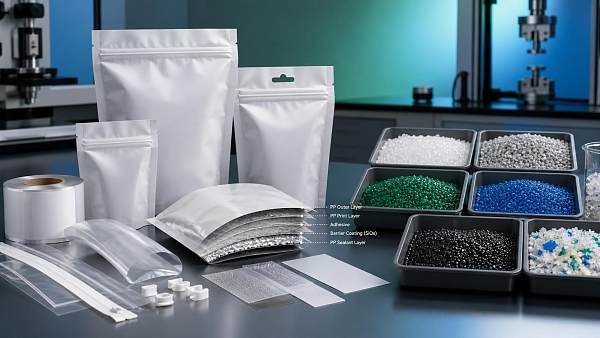
On May 4, 2026, Peru notified WTO document G/TBT/N/PER/178, signaling a broad revision of its rules for food-contact materials and moving more packaging categories into mandatory sanitary access. For exporters, importers, packaging converters, and procurement teams serving the Peruvian market, the key issue is not only the rule update itself, but the fact that compliance review is expanding across product categories that may previously have been treated differently in practice. This is especially relevant for China-origin packaging products such as BOPP Barrier Films, Holographic Hot Foils, Tamper-evident VOID Labels, and Biodegradable Air Cushions, where supplier qualification checks may become a more immediate trade and delivery issue.
What the notification confirms at this stage
According to the information provided, Peru submitted WTO notification G/TBT/N/PER/178 on May 4, 2026. The notification concerns a comprehensive revision of the regulatory regime for food-contact materials. The revised scope brings recycled plastics, aluminum containers, molded pulp, and flexible intermediate bulk bags into a mandatory sanitary access framework. The comment period runs until July 3, 2026, and the measure will take effect six months after official publication.
The same information also indicates a direct impact on certain packaging products exported from China to Peru, including BOPP Barrier Films, Holographic Hot Foils, Tamper-evident VOID Labels, and Biodegradable Air Cushions. Importers are expected to verify supplier compliance qualifications in advance.
Where the pressure may appear across the supply chain
Export-facing packaging suppliers may face earlier document screening
From an industry perspective, suppliers shipping food-contact packaging or related high-risk packaging items to Peru may be affected first at the pre-shipment stage. The practical impact is likely to center on whether existing product files, compliance statements, and supplier qualification records are sufficient for customers or importers operating under a mandatory sanitary access regime. What deserves closer attention is that the change concerns expanded category coverage, which may cause some products to move from a lower-review commercial flow into a stricter compliance review path.
Importers and local buyers may need tighter supplier qualification controls
For importers and procurement teams, the supplied information already points to a specific operational change: supplier compliance qualifications should be checked in advance. Analysis shows that this can affect vendor onboarding, approved supplier lists, purchase scheduling, and acceptance criteria for incoming goods. If product categories now fall more clearly within mandatory sanitary access, importers may need to review not only the goods themselves but also the readiness of supporting technical and compliance documentation before confirming orders.
Converters and processors using packaging components may need to reassess category exposure
Businesses that purchase films, foils, labels, cushioning materials, or other packaging inputs for downstream use may also need to reassess whether their materials are exposed to the revised Peruvian requirements when the final rule enters into force. Observably, this matters most where a packaging component is part of a food-contact application chain, because procurement and specification decisions may need to reflect whether the supplier can support mandatory access requirements in the target market.
Compliance and testing service providers may see more demand for file readiness
Although no specific execution mechanism has been provided in the input, the expansion of mandatory sanitary access typically makes documentation readiness more important in trade practice. It is more appropriate to understand this as a signal that certification-related, testing-related, and compliance support functions may become more closely tied to order fulfillment, customer approval, and shipment timing for affected packaging categories.
Practical issues companies should track now
Check whether product scope assumptions still hold
Companies supplying recycled plastic packaging, aluminum containers, molded pulp products, flexible intermediate bulk bags, or the named high-risk packaging items should review whether their internal product classification for Peru remains valid under the revised framework. Analysis shows that scope expansion is often the first point where trade friction appears, especially when sales, technical, and compliance teams are working from older product assumptions.
Prepare supplier qualification files before customers ask for them
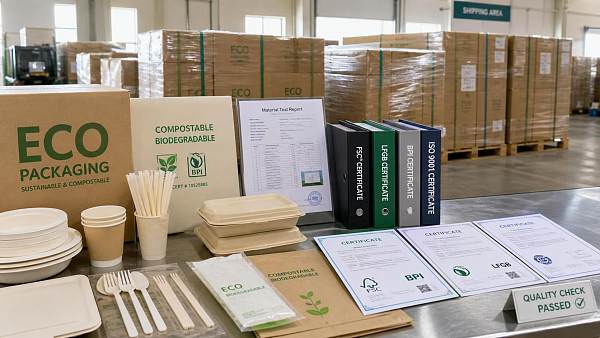
The provided information specifically highlights advance verification of supplier compliance qualifications by importers. In practical terms, exporters should be ready for more detailed requests relating to supplier identity, product compliance status, technical background documents, and supporting records used in customer review or import clearance preparation. Since the input does not provide the final execution detail, companies should avoid assuming one fixed document format and instead focus on file completeness and consistency.
Review lead times against the implementation window
The comment deadline is July 3, 2026, and the measure is set to apply six months after official publication. From a business planning perspective, what deserves closer attention is the transition period between notification and implementation. Companies with longer production cycles, multi-tier sourcing, or customer approval steps may need to check whether orders planned around the implementation period could face additional compliance checks, document requests, or procurement adjustments.
Watch contract and delivery terms for Peru-bound orders
For Peru-related business, exporters and buyers may want to examine whether contracts, purchase specifications, and delivery conditions clearly allocate responsibility for compliance documents and supplier qualification review. This is not yet a confirmed execution outcome from the rule text provided here, but an operational observation based on the fact that importers are expected to verify supplier qualifications in advance.
Why this matters beyond a routine notification
Analysis shows that this development is more than a simple update notice because it points to a broader regulatory expectation: food-contact packaging categories that may previously have been handled with more segmented treatment are being drawn into a more explicit mandatory sanitary access structure. For the market, the immediate meaning is less about volume impact and more about market-entry conditions, documentary readiness, and the possibility that procurement decisions will increasingly depend on demonstrable compliance status.
At the same time, it is still more appropriate to understand this as a rule-development and implementation signal rather than a fully settled execution picture. The comment period remains open until July 3, 2026, and the measure will apply only after official publication plus a six-month transition. That means companies should monitor not only the text itself but also how customers, importers, and market participants begin reflecting it in qualification requests and purchasing behavior.
How to read the current stage of the change
At this point, the Peruvian notification should be read as a clear regulatory tightening for food-contact packaging categories, with direct relevance for exporters and importers handling higher-risk packaging products. The confirmed facts already justify internal compliance review and supplier file preparation. However, the market still needs to observe how the rule is officially published, how implementation language is expressed in practice, and how trade counterparties translate the new requirements into document requests and purchasing conditions.
A balanced view is that this is neither a purely theoretical notice nor a fully closed compliance outcome. It is a concrete regulatory signal with a defined implementation path, but one that still requires close follow-up on execution details and market response.
Basis of this article and points for continued verification
This article is generated based on the user-provided news title, event date, and event summary. The confirmed factual basis used here includes the May 4, 2026 timing, WTO notification G/TBT/N/PER/178, the revision of Peru's food-contact material rules, the inclusion of recycled plastics, aluminum containers, molded pulp, and flexible intermediate bulk bags within mandatory sanitary access, the July 3, 2026 comment deadline, the six-month post-publication implementation timeline, and the stated relevance to China exports of BOPP Barrier Films, Holographic Hot Foils, Tamper-evident VOID Labels, and Biodegradable Air Cushions.
For this type of regulatory event, commonly relevant source categories may include official notices, regulator publications, customs or trade authority information, industry association updates, standard-setting documents, and reporting by authoritative media. No specific official source link was provided in the input, so the official publication text and any later implementing details still need to be verified on an ongoing basis. What should continue to be monitored includes final regulatory wording, implementation interpretation, compliance review expectations, procurement document changes, and market feedback from importers and suppliers.
Recommended News
 Aug 27, 2026Where to find packaging specification resources for compliance checksPackaging specification resources: discover trusted regulations, test standards, and supplier documents to streamline compliance checks, reduce risk, and approve packaging confidently.
 Aug 22, 2026How to verify whether recyclable flexible packaging in Europe meets PPWR expectationsRecyclable flexible packaging Europe: learn how to verify PPWR readiness, assess sorting and barrier performance, and avoid weak claims with a practical evaluation framework.
 Aug 16, 2026China Enforces Eco-Environment Code, Raising Export Packaging Compliance RequirementsChina enforces its Eco-Environment Code, tightening export packaging compliance for food, FMCG, e-commerce, and pharma. Learn the new risks, certification checks, and sourcing actions now.
 Aug 05, 2026Packaging Compliance in North America: Which Labels and Material Rules Matter Most?Packaging compliance North America explained: learn the label, bilingual, material, recyclability, and EPR rules that matter most to reduce risk and speed market access.
 Jul 14, 2026Packaging Compliance Materials Guide for Plastic Ban ReadinessPackaging compliance materials guide for plastic-ban readiness: compare films, labels, cushioning, and print systems to reduce risk, protect performance, and stay ahead of changing regulations.
 Jul 13, 2026Biodegradable Packaging Compostable: Key Claims, Standards, and Common MistakesBiodegradable Packaging compostable explained: learn the key differences, standards, compliance checks, and common claim mistakes before choosing or marketing sustainable packaging.
 Jul 10, 2026How Mono Material Packaging Affects Recyclability and Shelf AppealMono material packaging can improve recyclability without sacrificing shelf appeal. Discover key trade-offs, hidden risks, and practical evaluation tips for smarter packaging decisions.
 Jul 04, 2026Mono Material Packaging Europe: What Changes Under New Recycling RulesMono material packaging Europe is rapidly becoming a compliance and cost priority. Learn how new EU recycling rules reshape packaging design, market access, and competitive advantage.
 Jul 01, 2026Mono Material Flexible Packaging: When It Works and Where It Falls ShortMono material flexible packaging explained: discover where it improves recyclability and efficiency, where barrier and machinability limits remain, and how to judge the right fit.
 Jun 29, 2026Compostable Sustainable Packaging in 2026: What Regulations and Costs Are ChangingCompostable sustainable packaging in 2026 is being reshaped by stricter regulations and shifting costs. Learn where it fits, what compliance demands, and how to choose smarter, scalable packaging strategies.
 Jun 28, 2026PPWR Packaging Europe: What Changes for Packaging Specs in 2026PPWR packaging Europe in 2026 will reshape packaging specs across films, labels, adhesives, and cushioning. Learn the key compliance shifts, risks, and smart actions brands should take now.
 Jun 25, 2026Mono-Material Recyclable Science Explained for Practical Packaging DesignMono-material recyclable science explained for practical packaging design. Learn how to balance recyclability, barrier performance, compliance, and cost with smarter material choices.
 Jun 24, 2026Packaging Compliance Resources for PPWR and Plastic Ban ReadinessPackaging compliance resources for PPWR and plastic ban readiness: learn how to assess materials, labeling, recyclability, and supplier data to reduce risk and stay market-ready.
 Jun 21, 2026Sustainable Packaging Materials Certification: What Standards Matter in 2026Sustainable packaging materials certification in 2026: learn which standards truly matter for recyclability, compostability, fiber sourcing, and compliance to reduce risk and choose smarter packaging.
 Jun 21, 2026How to Evaluate PLA PBAT Packaging for Cost, Strength, and CompliancePLA PBAT packaging evaluation starts with real cost, strength, and compliance. Learn how to compare suppliers, reduce sourcing risk, and choose packaging that performs.
 Jun 20, 2026Sustainable Packaging Materials Trends Shaping 2026 Compliance PlansSustainable packaging materials are redefining 2026 compliance plans. Explore key trends, risks, and smart material choices that improve recyclability, traceability, and cost control.
 Jun 16, 2026Sustainable Packaging Science and the 2026 Compliance ShiftSustainable packaging science is reshaping 2026 compliance, helping brands balance recyclability, protection, traceability, and cost before new rules tighten.
 Jun 12, 2026How PLA Biodegradable Packaging Performs Under New Plastic Ban RulesPLA biodegradable packaging under new plastic ban rules: explore where it delivers compliance, protection, and cost efficiency—and where smart packaging design still matters.
 Jun 11, 2026Vietnam Requires ISPM15 and REACH Declarations for ImportsVietnam Requires ISPM15 and REACH Declarations for Imports from July 1, 2026. Learn how the new packaging compliance rule may impact customs clearance, costs, and shipment planning.
 Jun 10, 2026EU PPWR Rule Takes Effect July 1: Recyclability Proof Required for BOPP/PET Film ExportsEU PPWR rule takes effect July 1, requiring recyclability proof for BOPP/PET film exports. Learn compliance risks, EN 13432 or ISO 14855 document needs, and how to avoid EU customs delays.
 Jun 06, 2026Green Packaging Becomes an EU Market Entry RuleGreen packaging is becoming a real EU market entry rule. Learn how BOPP Barrier Films, Stretch Wrap Films, and RFID Smart Labels exporters can meet new compliance, certification, and packaging cost requirements.
![]() Jun 06, 2026Peru Tightens Mandatory Compliance for Food PackagingPeru Tightens Mandatory Compliance for Food Packaging: learn how WTO notice G/TBT/N/PER/178 may affect exporters, importers, and food-contact packaging supply chains.
Jun 06, 2026Peru Tightens Mandatory Compliance for Food PackagingPeru Tightens Mandatory Compliance for Food Packaging: learn how WTO notice G/TBT/N/PER/178 may affect exporters, importers, and food-contact packaging supply chains.![]() Jun 03, 2026Mono-Material Recyclable Packaging Under PPWDMono-material recyclable packaging helps brands meet PPWD/PPWR demands, cut compliance risk, and protect performance—learn how to redesign smarter for EU markets.
Jun 03, 2026Mono-Material Recyclable Packaging Under PPWDMono-material recyclable packaging helps brands meet PPWD/PPWR demands, cut compliance risk, and protect performance—learn how to redesign smarter for EU markets. Jun 02, 2026Sustainable Packaging Science for PPWD Risk PlanningSustainable packaging science helps brands plan PPWD risks, compare films, labels, cushioning and foils, and build compliant packaging that protects trust and cost.