Search News
Industry Portal
Hot Articles
- How to verify FDA compliance for packaging inks used on food packagingPackaging inks FDA compliant? Learn how to verify food-contact safety through regulatory citations, migration testing, supplier declarations, and process controls.
- When do holographic foils add value to luxury goods packaging?Packaging materials for luxury goods gain impact with holographic foils that elevate shelf appeal, authenticity, and premium unboxing—learn when this finish delivers real value.
- Can nano encryption technology stop counterfeit labels from being copied?Nano encryption technology anti counterfeit labels combine physical security, tamper evidence, and serialization to make copying harder. Explore smarter protection.
Popular Tags
Mono-Material Recyclable Packaging Under PPWD
Time
Click Count
As Europe tightens packaging rules under PPWD and the evolving PPWR framework, mono-material recyclable packaging is becoming a strategic priority for brands, converters, and export-driven manufacturers.
The shift is no longer only about compliance. It affects plastic tax exposure, supply-chain continuity, product protection, and shelf impact.
This article explains how mono-material recyclable packaging supports regulatory resilience while preserving barrier performance, lightweighting potential, and commercial competitiveness.
Mono-Material Recyclable Packaging Under PPWD: What Does It Really Mean?
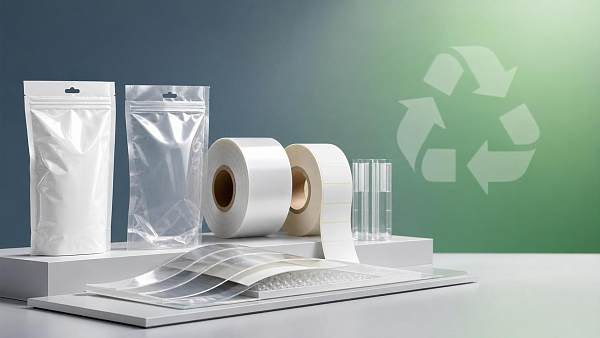
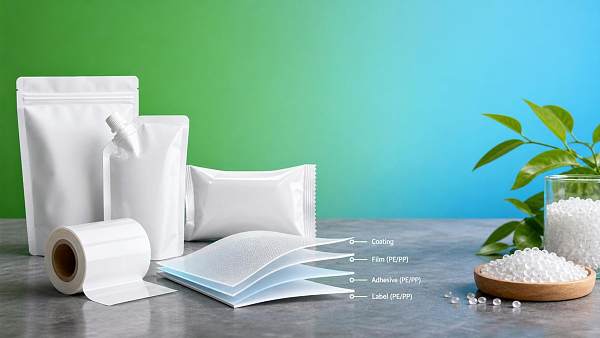
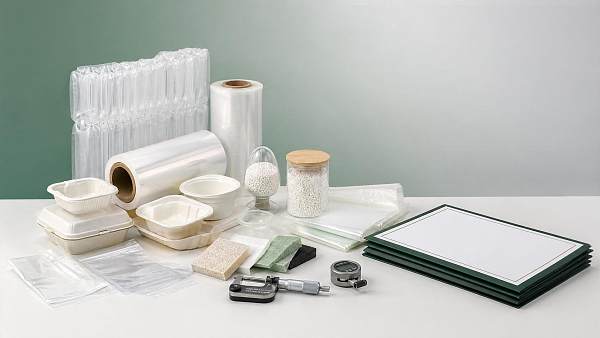
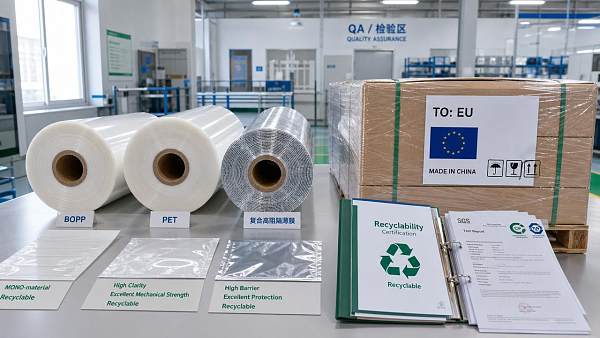
Mono-material recyclable packaging uses one dominant polymer family instead of mixed, hard-to-separate layers.
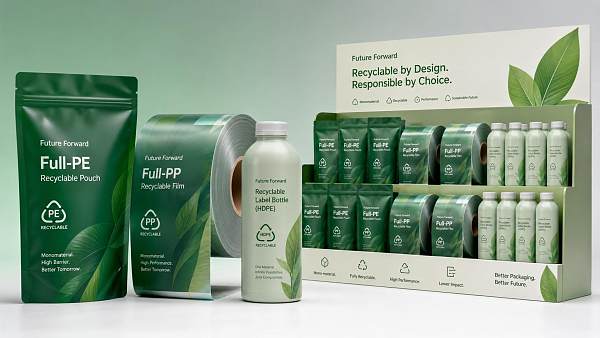
A typical example is an all-PE pouch, an all-PP lidding structure, or a PP-based label and film combination.
Under PPWD, packaging must increasingly prove recyclability, reduced environmental burden, and responsible material use.
The incoming PPWR direction strengthens this logic with clearer performance expectations and stronger market surveillance.
Mono-material recyclable packaging helps because recycling facilities can identify, sort, wash, and reprocess a simpler material stream.
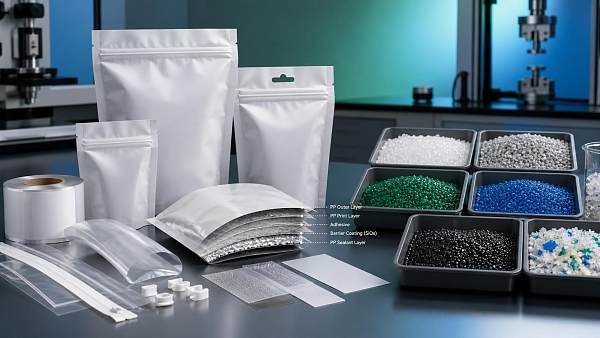
Traditional laminates often combine PET, PE, aluminum, PA, EVOH, inks, adhesives, and coatings.
These structures protect products well, but they can become recycling dead ends if separation is technically or economically unrealistic.
The practical question is not whether packaging contains only one molecule.
The real question is whether the full pack is compatible with an accepted recycling stream.
Why Is Mono-Material Recyclable Packaging Becoming Urgent Under PPWD?
PPWD has long shaped packaging waste reduction, recovery targets, and extended producer responsibility in Europe.
However, policy momentum is moving from general recycling ambition toward measurable packaging design requirements.
This creates pressure on exporters, retailers, logistics networks, and consumer goods supply chains.
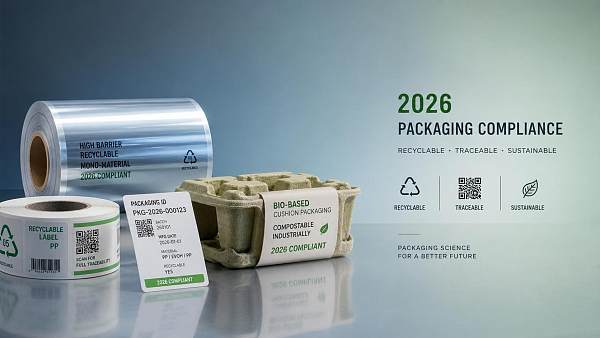
Mono-material recyclable packaging reduces uncertainty because it aligns design with recognized recycling pathways.
It also helps reduce exposure to plastic packaging taxes where non-recycled plastic content carries financial penalties.
For film structures, the issue is especially urgent.
Flexible packaging is lightweight and efficient, yet historically difficult to recycle when designed as complex multilayer laminates.
Mono-material recyclable packaging offers a route to keep flexible formats while improving end-of-life credibility.
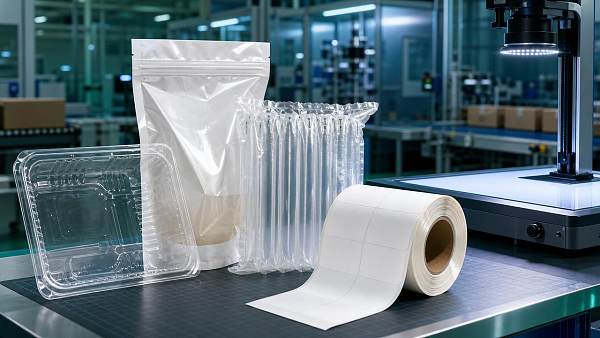
The same applies to adhesive labels, shrink sleeves, cushioning films, and high-speed logistics labels.
A small incompatible label or ink layer can disrupt an otherwise recyclable pack.
What changes most under stricter regulation?
- Packaging design must be justified before market entry.
- Material choices need documented recyclability evidence.
- Lightweighting must not undermine product protection.
- Labels, inks, coatings, and adhesives require compatibility checks.
- Recyclability claims must avoid vague or unverified language.
Which Applications Benefit Most From Mono-Material Recyclable Packaging?
Mono-material recyclable packaging is relevant across food, personal care, pharmaceuticals, electronics, e-commerce, and industrial goods.
The strongest opportunities appear where high packaging volumes meet strong compliance exposure.
Snack packaging is a clear example.
Chips, biscuits, and dry foods require moisture resistance, sealing performance, and visual shelf appeal.
A PP-based film structure can replace mixed PET/PE laminates in suitable applications.
Personal care packs also benefit from mono-material recyclable packaging.
Refill pouches, sachets, and labels can be redesigned around PE or PP families.
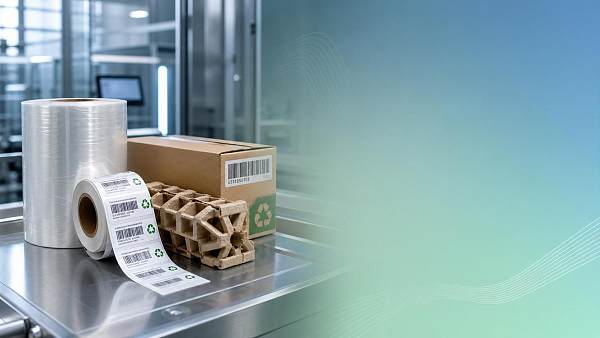
In logistics, recyclable stretch films and compatible thermal labels can reduce waste complexity.
For electronics, recyclable cushioning and barrier bags must balance anti-static needs, moisture protection, and material simplicity.
Anti-counterfeit labels require special attention.
Security layers, VOID effects, holographic foils, and adhesives may complicate recycling if not engineered for compatibility.
Where should redesign start?
- Identify high-volume packaging families first.
- Map polymers, coatings, inks, adhesives, and labels.
- Check sorting behavior in target markets.
- Validate product protection through transport and shelf-life testing.
- Document recyclability with credible design guidelines.
How Can Barrier Performance Survive the Move to Mono-Material Structures?
The hardest question is performance.
Many legacy laminates exist because different materials provide different functions.
PET brings stiffness and printability, PE brings sealing, aluminum brings barrier, and PA brings puncture resistance.
Mono-material recyclable packaging must rebuild these functions inside one compatible family.
Biaxially oriented PP films are important in this transition.
They deliver stiffness, clarity, tensile strength, and print surfaces while staying within a PP-oriented recycling concept.
High-barrier coatings can improve oxygen or moisture resistance without adding incompatible thick layers.
Water-based coatings, plasma treatments, metallization, and thin functional layers may help.
However, compatibility must be tested, not assumed.
If coatings discolor recyclate, block extrusion, or contaminate pellets, the design may fail recyclability expectations.
What technical choices matter most?
- Use PP or PE film families consistently.
- Reduce incompatible barrier layers to minimal functional levels.
- Choose adhesives that release or recycle cleanly.
- Limit heavy ink coverage where sorting needs clarity.
- Confirm sealing windows on high-speed packing lines.
Mono-material recyclable packaging should never be treated as a simple material swap.
It is a redesign of film physics, coating chemistry, converting behavior, and recycling outcomes.
How Should Mono-Material Recyclable Packaging Be Compared With Compostable Packaging?
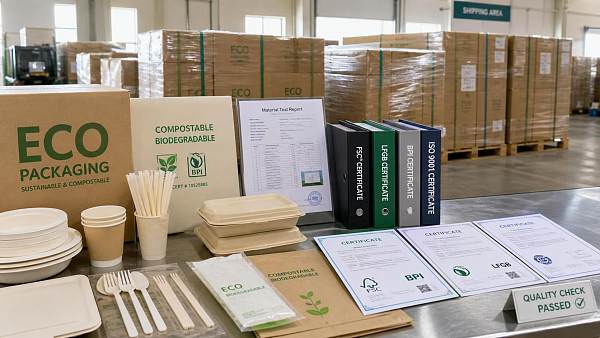
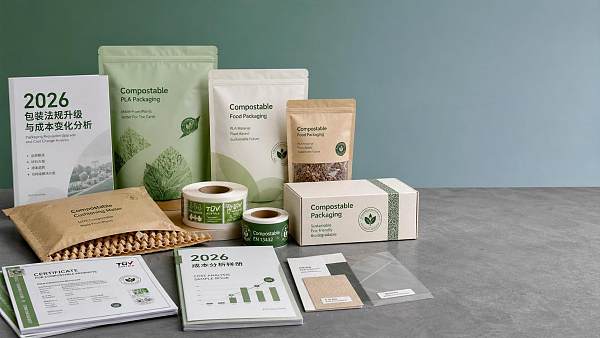
Compostable packaging and mono-material recyclable packaging solve different problems.
Compostable materials can fit specific food-service, contamination-heavy, or organic-waste collection scenarios.
Mono-material recyclable packaging is usually better where collection and mechanical recycling systems already exist.
The wrong comparison creates confusion.
A biodegradable air column may protect precision instruments and degrade under defined composting conditions.
A recyclable PE air cushion may be preferable where film recycling is accessible and contamination is low.
Both strategies can reduce environmental burden when matched to collection reality.
The best choice depends on actual disposal behavior, not marketing preference.
For PPWD readiness, evidence must support whichever environmental claim appears on the pack.
What Risks and Misunderstandings Can Undermine Compliance?
The first mistake is calling a pack recyclable because one layer is recyclable.
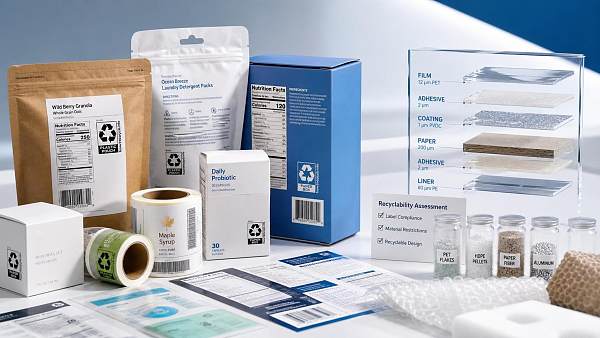
Recycling assessment considers the complete packaging system, including closure, label, ink, adhesive, coating, and residue.
The second mistake is ignoring sorting technology.
Dark pigments, full-body sleeves, metalized surfaces, or dense ink coverage can disturb near-infrared sorting.
The third mistake is weakening protection.
If product damage increases, environmental gains may disappear through waste, returns, and replacement shipments.
Mono-material recyclable packaging must protect the product first, then improve circularity.
The fourth mistake is overlooking shelf impact.
Holographic effects, metallic finishes, and premium print can remain possible, but they need recyclable design discipline.
Risk checklist before launch
- Does the pack match a known recycling stream?
- Are inks and coatings compatible with recyclate quality?
- Can sorting systems identify the main polymer?
- Does the pack survive filling, shipping, and storage?
- Are claims supported by recognized testing or guidelines?
How Can Businesses Implement Mono-Material Recyclable Packaging Without Disrupting Operations?
Implementation should begin with packaging mapping.
Each structure should list substrate, thickness, adhesive, coating, ink, label, closure, and annual volume.
Next, prioritize packs with high volume, high EU exposure, or high plastic tax relevance.
A staged approach reduces disruption.
Start with secondary packaging, transport films, shrink wraps, and labels before redesigning critical high-barrier primary packs.
Pilot trials should include machinability, seal integrity, drop testing, migration checks, and shelf-life verification.
For PPCS-focused material systems, this means connecting polymer stretching, coating chemistry, and data-marking durability.
A recyclable film still needs readable barcodes, stable labels, secure seals, and strong visual recognition.
Thermal transfer ribbons and inks should be evaluated for scuff resistance and recycling compatibility.
Anti-counterfeit features should protect traceability without making the main pack unrecyclable.
Suggested implementation path
- Audit current structures and regulatory exposure.
- Define target recycling streams by market.
- Shortlist PE or PP mono-material concepts.
- Run lab tests for barrier, sealing, and durability.
- Validate filling-line and logistics performance.
- Prepare claim documentation and supplier evidence.
FAQ: Practical Decisions for Mono-Material Recyclable Packaging
Conclusion: Building Regulatory Resilience Through Smarter Material Design
Mono-material recyclable packaging is becoming a practical response to PPWD and the stricter PPWR direction.
It helps simplify recycling, reduce compliance uncertainty, and protect commercial access to European markets.
Success depends on disciplined engineering, not slogans.
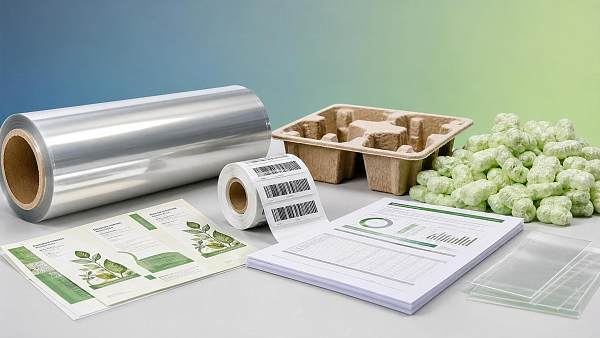
Films, labels, inks, adhesives, coatings, and cushioning systems must work together as one circular design.
The next step is a structured packaging audit focused on polymer families, barrier needs, recycling streams, and claim evidence.
With that foundation, mono-material recyclable packaging can support safety, shelf impact, cost control, and credible green transition.
Recommended News
 Aug 27, 2026Where to find packaging specification resources for compliance checksPackaging specification resources: discover trusted regulations, test standards, and supplier documents to streamline compliance checks, reduce risk, and approve packaging confidently.
 Aug 22, 2026How to verify whether recyclable flexible packaging in Europe meets PPWR expectationsRecyclable flexible packaging Europe: learn how to verify PPWR readiness, assess sorting and barrier performance, and avoid weak claims with a practical evaluation framework.
 Aug 16, 2026China Enforces Eco-Environment Code, Raising Export Packaging Compliance RequirementsChina enforces its Eco-Environment Code, tightening export packaging compliance for food, FMCG, e-commerce, and pharma. Learn the new risks, certification checks, and sourcing actions now.
 Aug 05, 2026Packaging Compliance in North America: Which Labels and Material Rules Matter Most?Packaging compliance North America explained: learn the label, bilingual, material, recyclability, and EPR rules that matter most to reduce risk and speed market access.
 Jul 14, 2026Packaging Compliance Materials Guide for Plastic Ban ReadinessPackaging compliance materials guide for plastic-ban readiness: compare films, labels, cushioning, and print systems to reduce risk, protect performance, and stay ahead of changing regulations.
 Jul 13, 2026Biodegradable Packaging Compostable: Key Claims, Standards, and Common MistakesBiodegradable Packaging compostable explained: learn the key differences, standards, compliance checks, and common claim mistakes before choosing or marketing sustainable packaging.
 Jul 10, 2026How Mono Material Packaging Affects Recyclability and Shelf AppealMono material packaging can improve recyclability without sacrificing shelf appeal. Discover key trade-offs, hidden risks, and practical evaluation tips for smarter packaging decisions.
 Jul 04, 2026Mono Material Packaging Europe: What Changes Under New Recycling RulesMono material packaging Europe is rapidly becoming a compliance and cost priority. Learn how new EU recycling rules reshape packaging design, market access, and competitive advantage.
 Jul 01, 2026Mono Material Flexible Packaging: When It Works and Where It Falls ShortMono material flexible packaging explained: discover where it improves recyclability and efficiency, where barrier and machinability limits remain, and how to judge the right fit.
 Jun 29, 2026Compostable Sustainable Packaging in 2026: What Regulations and Costs Are ChangingCompostable sustainable packaging in 2026 is being reshaped by stricter regulations and shifting costs. Learn where it fits, what compliance demands, and how to choose smarter, scalable packaging strategies.
 Jun 28, 2026PPWR Packaging Europe: What Changes for Packaging Specs in 2026PPWR packaging Europe in 2026 will reshape packaging specs across films, labels, adhesives, and cushioning. Learn the key compliance shifts, risks, and smart actions brands should take now.
 Jun 25, 2026Mono-Material Recyclable Science Explained for Practical Packaging DesignMono-material recyclable science explained for practical packaging design. Learn how to balance recyclability, barrier performance, compliance, and cost with smarter material choices.
 Jun 24, 2026Packaging Compliance Resources for PPWR and Plastic Ban ReadinessPackaging compliance resources for PPWR and plastic ban readiness: learn how to assess materials, labeling, recyclability, and supplier data to reduce risk and stay market-ready.
 Jun 21, 2026Sustainable Packaging Materials Certification: What Standards Matter in 2026Sustainable packaging materials certification in 2026: learn which standards truly matter for recyclability, compostability, fiber sourcing, and compliance to reduce risk and choose smarter packaging.
 Jun 21, 2026How to Evaluate PLA PBAT Packaging for Cost, Strength, and CompliancePLA PBAT packaging evaluation starts with real cost, strength, and compliance. Learn how to compare suppliers, reduce sourcing risk, and choose packaging that performs.
 Jun 20, 2026Sustainable Packaging Materials Trends Shaping 2026 Compliance PlansSustainable packaging materials are redefining 2026 compliance plans. Explore key trends, risks, and smart material choices that improve recyclability, traceability, and cost control.
 Jun 16, 2026Sustainable Packaging Science and the 2026 Compliance ShiftSustainable packaging science is reshaping 2026 compliance, helping brands balance recyclability, protection, traceability, and cost before new rules tighten.
 Jun 12, 2026How PLA Biodegradable Packaging Performs Under New Plastic Ban RulesPLA biodegradable packaging under new plastic ban rules: explore where it delivers compliance, protection, and cost efficiency—and where smart packaging design still matters.
 Jun 11, 2026Vietnam Requires ISPM15 and REACH Declarations for ImportsVietnam Requires ISPM15 and REACH Declarations for Imports from July 1, 2026. Learn how the new packaging compliance rule may impact customs clearance, costs, and shipment planning.
 Jun 10, 2026EU PPWR Rule Takes Effect July 1: Recyclability Proof Required for BOPP/PET Film ExportsEU PPWR rule takes effect July 1, requiring recyclability proof for BOPP/PET film exports. Learn compliance risks, EN 13432 or ISO 14855 document needs, and how to avoid EU customs delays.
 Jun 06, 2026Green Packaging Becomes an EU Market Entry RuleGreen packaging is becoming a real EU market entry rule. Learn how BOPP Barrier Films, Stretch Wrap Films, and RFID Smart Labels exporters can meet new compliance, certification, and packaging cost requirements.
![]() Jun 06, 2026Peru Tightens Mandatory Compliance for Food PackagingPeru Tightens Mandatory Compliance for Food Packaging: learn how WTO notice G/TBT/N/PER/178 may affect exporters, importers, and food-contact packaging supply chains.
Jun 06, 2026Peru Tightens Mandatory Compliance for Food PackagingPeru Tightens Mandatory Compliance for Food Packaging: learn how WTO notice G/TBT/N/PER/178 may affect exporters, importers, and food-contact packaging supply chains.![]() Jun 03, 2026Mono-Material Recyclable Packaging Under PPWDMono-material recyclable packaging helps brands meet PPWD/PPWR demands, cut compliance risk, and protect performance—learn how to redesign smarter for EU markets.
Jun 03, 2026Mono-Material Recyclable Packaging Under PPWDMono-material recyclable packaging helps brands meet PPWD/PPWR demands, cut compliance risk, and protect performance—learn how to redesign smarter for EU markets. Jun 02, 2026Sustainable Packaging Science for PPWD Risk PlanningSustainable packaging science helps brands plan PPWD risks, compare films, labels, cushioning and foils, and build compliant packaging that protects trust and cost.