Search News
Industry Portal
Hot Articles
- How to verify FDA compliance for packaging inks used on food packagingPackaging inks FDA compliant? Learn how to verify food-contact safety through regulatory citations, migration testing, supplier declarations, and process controls.
- When do holographic foils add value to luxury goods packaging?Packaging materials for luxury goods gain impact with holographic foils that elevate shelf appeal, authenticity, and premium unboxing—learn when this finish delivers real value.
- Can nano encryption technology stop counterfeit labels from being copied?Nano encryption technology anti counterfeit labels combine physical security, tamper evidence, and serialization to make copying harder. Explore smarter protection.
Popular Tags
Biaxially Oriented Film Technology in 2026: What Matters
Time
Click Count
In 2026, biaxially oriented film technology is no longer just a materials topic. It directly affects barrier performance, shelf appeal, compliance exposure, and total packaging cost.
For packaging, labeling, logistics, food protection, and electronics, the right film structure now shapes both product safety and commercial efficiency. That is why evaluation must move beyond thickness and price.
This guide answers the most searched questions about biaxially oriented film technology in 2026, with practical decision points across performance, sustainability, and implementation.
What does biaxially oriented film technology actually mean in 2026?
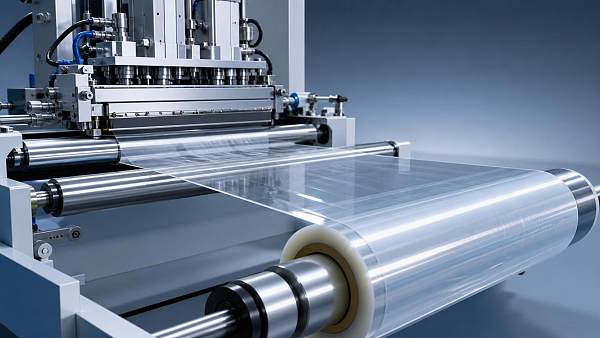
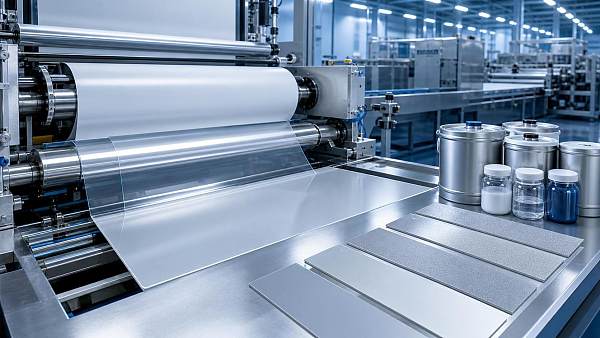
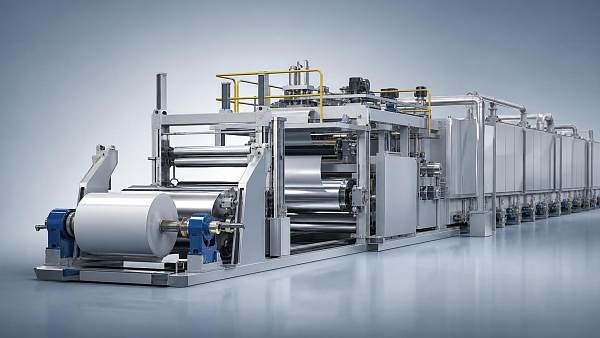
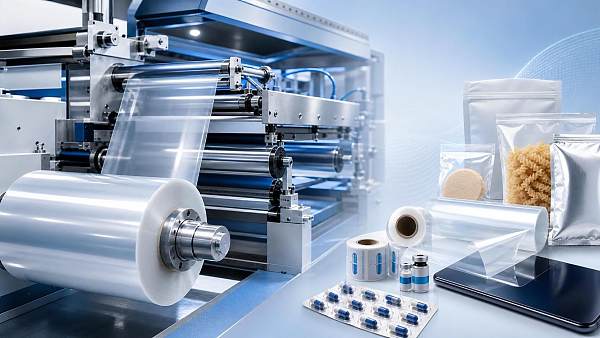
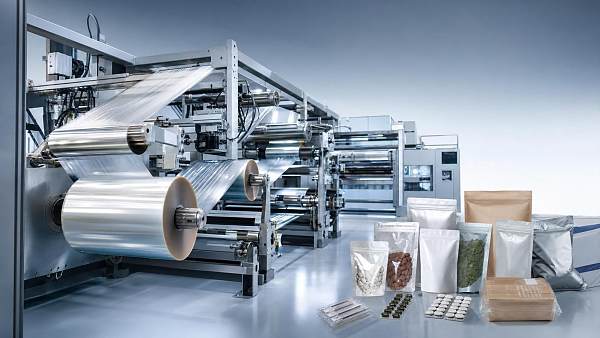
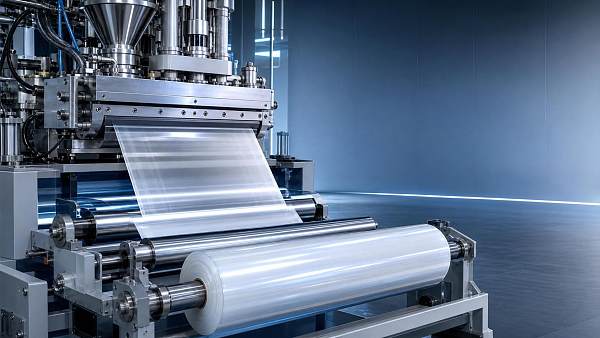
Biaxially oriented film technology refers to stretching polymer film in both machine and transverse directions. This controlled orientation reorganizes molecular chains and improves strength, clarity, and barrier behavior.
In 2026, the term also includes smarter coating integration, downgauging strategies, mono-material design, and tighter process control for high-speed converting and printing environments.
The most common materials remain BOPP and BOPET. Each serves different commercial needs, depending on temperature tolerance, stiffness, gloss, machinability, and moisture or oxygen protection requirements.
Why orientation still matters
- Higher tensile strength for transport and filling stress
- Better dimensional stability during converting
- Improved optical properties for shelf impact
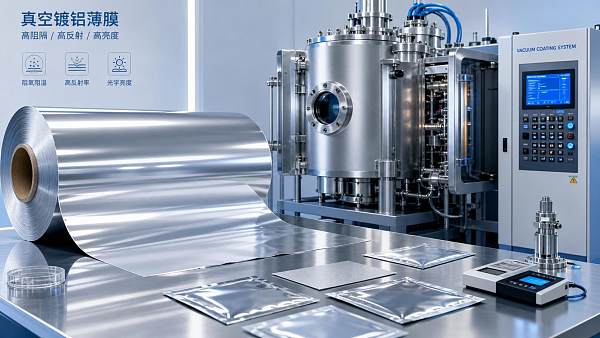
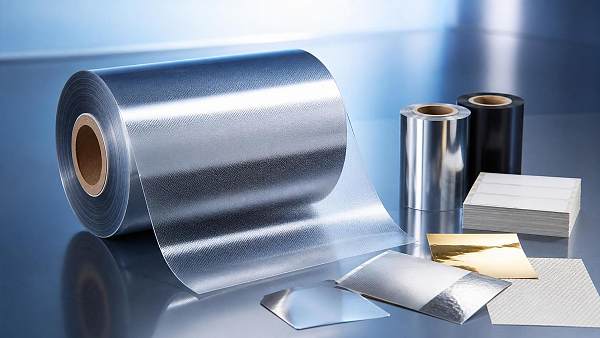
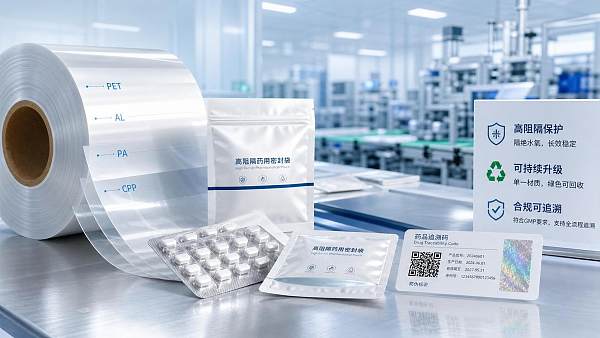
- Stronger barrier potential with coatings or metallization
- Lower material use through downgauging
For PPCS, this technology sits at the center of modern packaging intelligence. It connects polymer physics, micro-coating chemistry, and the market demand for visible quality and reliable protection.
Which 2026 changes matter most for packaging and product protection?
The biggest shift is that biaxially oriented film technology is now judged as a system, not an isolated substrate. Film performance must work with inks, adhesives, labels, sealants, and recycling pathways.
Three changes are driving this shift. First, regulations are pushing recyclable and lightweight structures. Second, logistics volatility increases the cost of failure. Third, shelf competition rewards premium visual effects.
The most relevant developments
- Ultra-thin high-strength films for material reduction
- High-barrier coated films replacing complex laminates
- Mono-material packaging design for easier recycling
- Improved print surfaces for thermal transfer and branding
- Better compatibility with anti-counterfeit labels and cold-chain use
These developments matter because product loss is expensive. A film that fails on sealing, moisture control, or label anchorage can destroy inventory value far beyond the cost of the roll itself.
How should BOPP and BOPET be compared under biaxially oriented film technology?
This is one of the most important comparison questions. Both are central to biaxially oriented film technology, but they solve different problems and should not be treated as direct substitutes.
BOPP is often preferred when moisture protection, lightweight economics, and efficient printability matter most. BOPET becomes stronger when heat resistance, stiffness, and dimensional precision are critical.
The right answer often depends on the full structure. Coatings, metallization, adhesive chemistry, and sealing layers can shift the balance significantly in real applications.
How does biaxially oriented film technology affect sustainability and compliance decisions?
In 2026, sustainability claims are under more scrutiny. Biaxially oriented film technology supports sustainability best when it reduces material weight, simplifies structures, and improves recyclability without weakening protection.
That means downgauging alone is not enough. A thinner film that increases leakage, returns, or spoilage is not a sustainable improvement in commercial terms.
What to check for compliance readiness
- Mono-material pathway for easier sorting and recycling
- Compatibility with PPWR-related packaging expectations
- Reduced coating complexity where possible
- Documented barrier and sealing performance after downgauging
- Evidence for label, ink, and adhesive interaction stability
PPCS follows this issue closely because compliance now influences export competitiveness. A technically strong film can still become commercially weak if it creates recycling ambiguity or tax exposure.
What are the main risks and mistakes when evaluating biaxially oriented film technology?
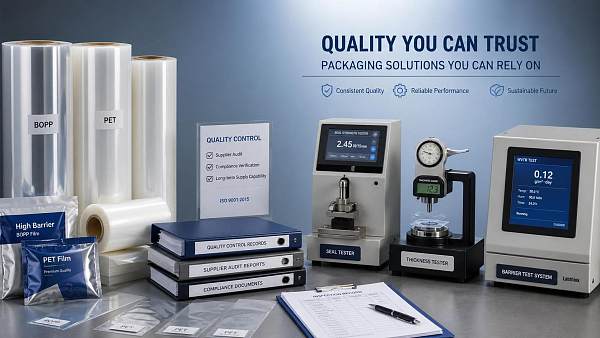
The most common mistake is selecting film on unit price alone. Modern biaxially oriented film technology should be judged through total system performance, including waste, downtime, reject rate, and product protection value.
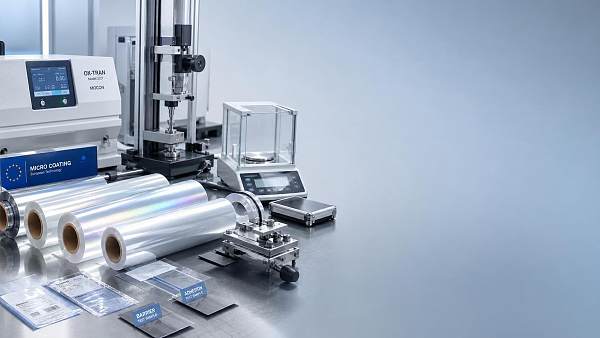
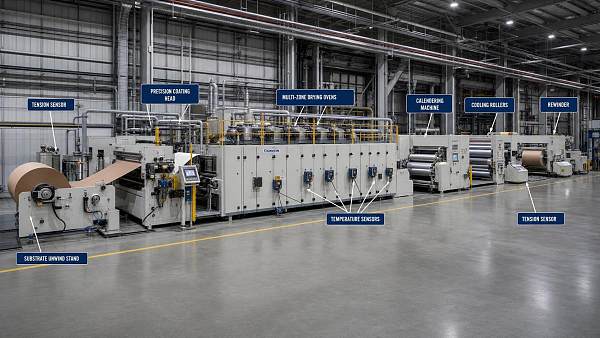
Another mistake is assuming lab data will match production reality. Tension control, humidity, ink adhesion, seal windows, and warehouse conditions can change performance significantly.
Frequent evaluation risks
- Ignoring end-use conditions such as freezing, transport friction, or heat exposure
- Overlooking label and adhesive compatibility
- Choosing downgauged films without machinability testing
- Treating barrier claims without checking coating durability
- Assuming visual gloss equals functional value
In many cases, the hidden cost appears later. That may include barcode failure, poor shelf life, delamination, or anti-counterfeit label lifting after logistics stress.
How can decision-making be improved for 2026 implementation?
A better approach is to evaluate biaxially oriented film technology through a structured decision model. Start with the product risk, then match film properties to converting, distribution, and regulatory needs.
This method is especially useful when films interact with thermal transfer ribbons, specialty adhesives, anti-counterfeit labels, or premium stamping foils. Performance must be evaluated as a connected packaging system.
Pilot trials should include real storage and transport stress. Testing only for initial appearance can miss failures that emerge after weeks of distribution.
What should be the next step after understanding biaxially oriented film technology?
The next step is to convert understanding into a shortlist. Compare candidate structures by barrier targets, converting behavior, sustainability fit, and total cost of ownership.
In 2026, the value of biaxially oriented film technology lies in balancing protection, compliance, branding, and efficiency at the same time. The strongest choice is rarely the simplest material choice.
PPCS views this space through the combined lens of polymer orientation, coating science, anti-counterfeit performance, labeling reliability, and eco-compliance pressure. That integrated view helps reduce costly packaging blind spots.
Review current film structures, identify failure points, and test alternatives under real conditions. That practical step will reveal which biaxially oriented film technology options truly matter in 2026.
Recommended News
 Sep 02, 2026When do high clarity films for food wraps improve shelf appeal?High clarity films for food wraps boost shelf appeal by showcasing freshness, texture, and quality while balancing seal performance, protection, and retail-ready presentation.
 Sep 01, 2026How to prevent peeling when using printable transfer foilsTransfer foils printable: prevent peeling with proven tips on substrate prep, ink compatibility, curing, and transfer settings for durable, premium results.
 Aug 30, 2026How PET packaging sheets affect thermoforming consistencyPET packaging sheets directly influence thermoforming consistency. Explore how gauge profile, IV, thermal behavior, and rPET content affect quality, scrap, and line performance.
 Sep 02, 2026When a PVC Transfer Coating Line Fits Better Than Direct Coating in Flexible MaterialsPVC transfer coating line or direct coating? Learn when transfer coating delivers better surface quality, substrate protection, and process stability for flexible materials.
 Aug 23, 2026When does solvent free film coating technology improve coating consistency?Solvent free film coating technology improves coating consistency when drying variability, thermal stress, and residual solvent risks limit quality. Learn when it truly delivers repeatable performance.
 Aug 15, 2026What drives micro coating materials price in industrial use?Micro coating materials price depends on chemistry, process control, substrate fit, and compliance. Learn what really drives cost in industrial use and how to choose smarter.
 Jul 22, 2026Metallized Film Physics in Vacuum Deposition: Key Factors Behind Barrier and Optical PerformanceMetallized film physics vacuum deposition explained: discover how substrate, chamber control, and layer uniformity shape barrier, gloss, and converting performance across packaging applications.
 Jul 27, 2026How to Evaluate a Used PVC Coating Calendering Line Before PurchaseUsed PVC coating calendering line buyers: learn how to assess process fit, roller condition, controls, compliance, and total cost before purchase to avoid hidden risks.
 Jul 21, 2026Vacuum Metallized Paper: Key Properties, Uses, and LimitsVacuum metallized paper explained: discover its key properties, packaging uses, print benefits, and limits to choose the right premium, cost-effective material.
 Jul 18, 2026How to Evaluate Micro Coating Materials in Europe for Performance and ComplianceMicro coating materials Europe buyers can use this guide to compare performance, compliance, recyclability, and supplier quality for smarter sourcing and faster qualification.
 Jul 15, 2026Film Coating Technology for BOPP: Key Methods and Performance TradeoffsFilm coating technology for BOPP explained: compare acrylic, PVDC, water-based, and specialty coatings, understand barrier and sealing tradeoffs, and choose the right path for cost, compliance, and performance.
 Jul 09, 2026Packaging Supplier References for Films: What to Verify Before ApprovalPackaging supplier references for films help you verify quality, compliance, consistency, and delivery risk before approval. Learn what to check to avoid costly packaging failures.
 Jul 08, 2026Biaxial Film Europe: 2026 Supply, Pricing, and Regulation OutlookBiaxial film Europe in 2026 faces shifting supply, pricing, and PPWR pressure. Explore key BOPP and PET risks, cost drivers, and smart sourcing strategies.
 Jul 05, 2026How Thin Film Coating Technology Improves Barrier and Surface PerformanceThin film coating technology improves barrier strength, printability, adhesion, and durability across packaging and labels. Learn how to choose smarter coatings for performance, compliance, and cost.
 Jul 02, 2026Pharmaceutical Packaging Films in 2026: Barrier and Sustainability ShiftsPharmaceutical packaging films in 2026 face a new test: balancing barrier performance, compliance, and sustainability. Explore key shifts shaping smarter, lower-risk packaging decisions.
 Jul 11, 2026Artificial Leather Coating Line: Process, Risk and Procurement NotesBuyer notes on artificial leather coating line process flow, PVC coating calendering risks, used-machine checks and procurement decisions.
 Jul 01, 2026How to Evaluate a Coated Films Manufacturer for Quality and Lead TimeCoated films manufacturer selection affects quality, lead time, and total cost. Learn how to compare data, stability, compliance, and delivery reliability before you buy.
 Jun 28, 2026Oriented Polyester Film Rolls: Key Tolerance Checks Before ProductionOriented polyester film rolls require precise tolerance checks before production. Learn how thickness, width, tensile, and winding control reduce scrap, improve uptime, and protect converting quality.
 Jun 26, 2026Cosmetic Packaging Decoration Materials: Finish, Adhesion, and Compliance BasicsCosmetic packaging decoration materials explained: learn finish, adhesion, and compliance basics to improve durability, brand appeal, and global packaging confidence.
 Jun 25, 2026Visual Shelf Impact Materials: What Improves Standout Without ReworkVisual shelf impact materials that boost shelf standout without costly rework. Learn how to balance optics, printability, durability, and compliance across packaging applications.
 Jun 24, 2026Electronic Protective Materials: Key Barrier and ESD Specs ExplainedElectronic protective materials explained: learn key barrier and ESD specs, avoid hidden packaging failures, and choose safer, compliant protection for sensitive electronics.
 Jun 20, 2026Micron-Level Coating Intelligence: What It Means for Print ConsistencyMicron-level coating intelligence reveals how coating thickness, cure, and surface behavior drive print consistency, barcode clarity, and label durability—read the key factors that reduce defects and improve production confidence.
 Jun 19, 2026How Polymer Cast-Stretching Technology Improves Film Gauge ConsistencyPolymer cast-stretching technology improves film gauge consistency by stabilizing melt flow, cooling, and stretching—helping packaging lines cut waste, boost barrier performance, and improve yield.
 Jun 18, 2026Electronic Protective Materials: Key Factors for Heat and ESD ControlElectronic protective materials are critical for heat control, ESD protection, durability, and production fit. Discover how to compare options and choose materials that improve reliability.