Search News
Industry Portal
Hot Articles
- How to verify FDA compliance for packaging inks used on food packagingPackaging inks FDA compliant? Learn how to verify food-contact safety through regulatory citations, migration testing, supplier declarations, and process controls.
- When do holographic foils add value to luxury goods packaging?Packaging materials for luxury goods gain impact with holographic foils that elevate shelf appeal, authenticity, and premium unboxing—learn when this finish delivers real value.
- Can nano encryption technology stop counterfeit labels from being copied?Nano encryption technology anti counterfeit labels combine physical security, tamper evidence, and serialization to make copying harder. Explore smarter protection.
Popular Tags
Vacuum Metallized Paper: Key Properties, Uses, and Limits
Time
Click Count
Vacuum metallized paper sits at the intersection of visual merchandising, print performance, and converting practicality. It delivers a metallic effect without behaving exactly like foil-laminated board or metallized film, which is why it remains relevant in labels, folding cartons, tobacco packaging, gift wrap, and decorative applications.
For material selection, the appeal is not only shelf shine. Vacuum metallized paper can support strong graphics, efficient downstream processing, and, in some formats, a better fiber-based positioning than plastic-heavy decorative structures. That mix matters in a market shaped by premium branding, barrier expectations, recyclability pressure, and tighter cost scrutiny.
Within the broader PPCS view of coatings, films, labels, and optical finishing, vacuum metallized paper is best understood as a surface-engineered paper substrate. Its performance depends less on the metallic look alone and more on coating design, paper base quality, deposition control, and end-use conditions.
What vacuum metallized paper actually is
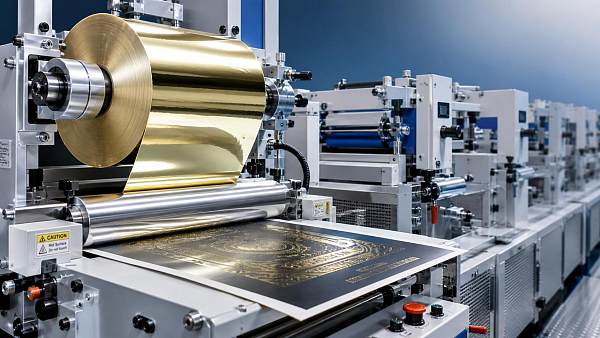
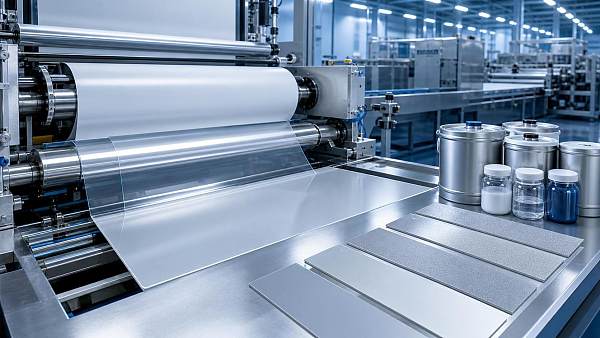
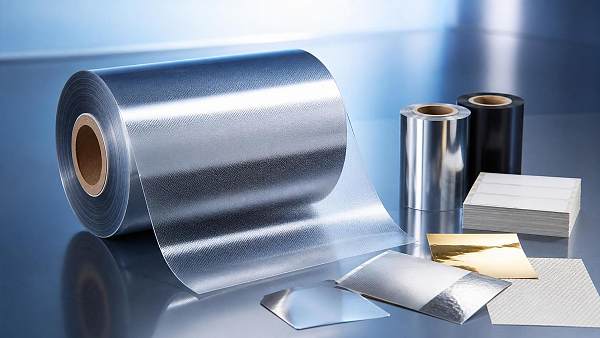
In simple terms, vacuum metallized paper is paper coated with an extremely thin metal layer, usually aluminum, applied under vacuum conditions. The metal layer is thin enough to create reflectivity, yet the sheet still behaves much like paper in printing and converting.
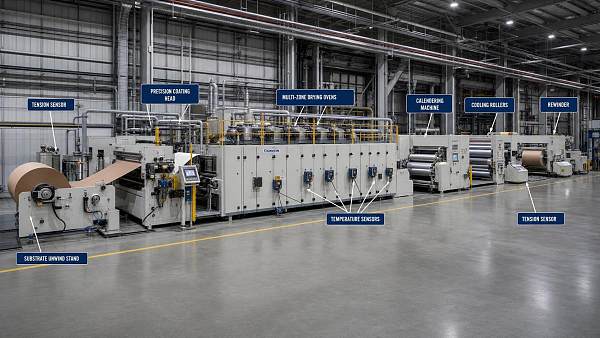
Production normally starts with a prepared paper surface. That surface may receive priming or lacquer treatment before metallization. The aluminum deposition then creates the silver appearance, after which additional coatings can be applied for protection, print receptivity, or release performance.
This distinguishes vacuum metallized paper from hot stamping foil and from metallized BOPP or PET. Those materials often deliver stronger barrier or cleaner mirror effects, but they do not offer the same paper feel, folding behavior, or fiber-led positioning.
Why the market keeps paying attention
Packaging teams are being asked to combine visual impact with fewer layers, easier processing, and cleaner end-of-life stories. Vacuum metallized paper enters that discussion because it can replace some foil-laminated structures while maintaining a premium metallic appearance.
It also fits a broader shift visible across PPCS-covered segments. Micro-coatings, lightweight structures, anti-counterfeit surfaces, and optical finishes are no longer niche details. They directly affect product differentiation, compliance risk, and total pack economics.
Another reason is speed. On many press and converting lines, vacuum metallized paper can be easier to handle than more complex laminated stacks. For jobs where appearance matters more than maximum barrier, that can simplify production planning.
Core properties that matter in evaluation
Optical effect and surface character
The first property is obvious: metallic reflectivity. Yet not all vacuum metallized paper looks the same. Brightness, gloss, uniformity, and perceived depth depend on base paper smoothness, metal layer continuity, and topcoat quality.
A smoother substrate gives a cleaner reflective effect. A rougher paper creates a softer metallic look, which may be desirable for premium natural packaging or specialty labels.
Printability
Print performance is one of the strongest reasons to consider vacuum metallized paper. It can work with offset, gravure, flexo, and other systems, provided the surface chemistry matches the ink set and curing conditions.
Ink adhesion should be checked carefully. Metallic surfaces can expose weaknesses in low-energy or poorly anchored coatings. Dense colors, fine text, and reverse printing effects require testing under real drying and rub conditions.
Barrier behavior
Vacuum metallized paper can improve light protection and contribute some resistance to vapor or aroma transfer. Still, it should not be treated as a high-barrier material by default.
Barrier results depend on pinhole control, coating integrity, humidity exposure, and whether the structure includes additional functional layers. In moisture-sensitive products, the paper component can limit overall performance.
Converting behavior
Folding, die-cutting, embossing, lamination, and label dispensing all place stress on the metallized layer. Good vacuum metallized paper must hold appearance after these operations, not just before them.
Crack resistance around score lines is especially important in cartons. For labels, release behavior, curl stability, and adhesive compatibility can matter more than mirror brilliance.
Where vacuum metallized paper creates value
The value of vacuum metallized paper changes by application. In some sectors it is mainly aesthetic. In others, it supports process efficiency, brand security, or a more favorable material narrative.
In anti-counterfeit packaging, vacuum metallized paper can also serve as a useful base for overprinting, microtext, specialty varnishes, or overt visual cues. It is not a security feature by itself, but it can support one.
The limits that should not be ignored
The main mistake is treating vacuum metallized paper as universally interchangeable with metallized film or foil board. It is not. Each structure has a different balance of barrier, stiffness, fold response, and environmental sensitivity.
Humidity is a recurring constraint. Paper absorbs moisture, which can influence dimensional stability, curl, label behavior, and surface appearance. In cold-chain or high-condensation conditions, performance must be proven rather than assumed.
Abrasion is another concern. Some vacuum metallized paper grades scuff easily if topcoat design is weak or transport conditions are aggressive. Premium appearance can degrade quickly when secondary packaging friction is underestimated.
Recyclability also needs precision. A fiber-based structure may support better recovery potential than plastic laminates, but local recycling acceptance depends on metallization level, coating package, adhesives, inks, and repulpability performance.
How to compare grades in practice
A useful evaluation starts with the actual failure mode of the pack. That may be scuffing on a retail carton, loss of label adhesion in a wet environment, or poor metallic consistency under strong store lighting.
From there, the material review should connect appearance targets with processing and end-use demands. The most attractive vacuum metallized paper is not automatically the best commercial choice.
- Check gloss, brightness, and shade stability across production batches.
- Test ink adhesion after curing, rubbing, and aging.
- Review score, fold, and die-cut performance on real tooling.
- Measure behavior under expected humidity and temperature swings.
- Confirm adhesive, varnish, and overprint compatibility.
- Ask for repulpability or recycling-related evidence when sustainability claims matter.
This is where a cross-material view becomes valuable. PPCS tracks not only metallized surfaces, but also films, label systems, thermal transfer durability, and coating chemistry. That wider context helps clarify when vacuum metallized paper is the right fit and when another structure is technically cleaner.
A practical way to move forward
Vacuum metallized paper earns attention because it solves a specific industrial problem: how to combine metallic presentation with paper-based converting behavior at workable cost. Its strengths are real, but so are its boundaries.
The next step is usually not a generic spec search. It is a side-by-side review of end use, line conditions, graphic demands, and recovery requirements. When those factors are defined early, vacuum metallized paper can be judged on evidence instead of appearance alone.
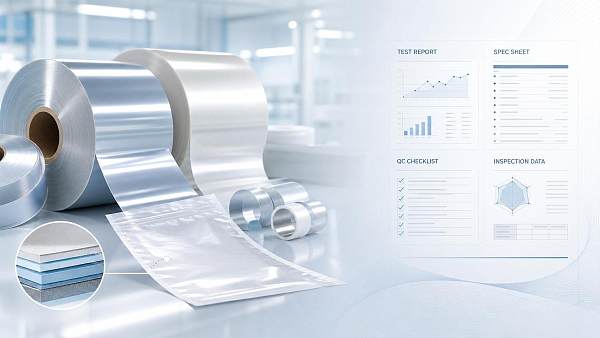
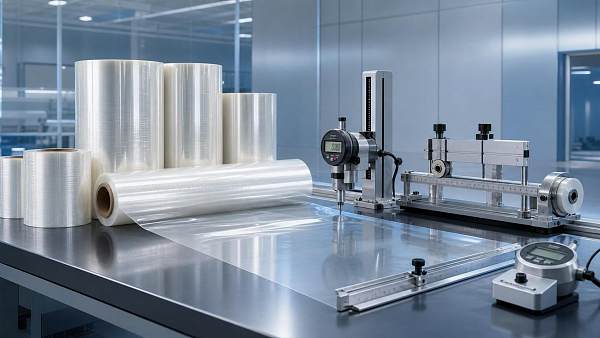
A disciplined shortlist should compare several grades against the same test matrix, including print holdout, rub resistance, fold integrity, moisture response, and recyclability claims. That approach turns a decorative substrate choice into a sound packaging decision.
Recommended News
 Sep 02, 2026When do high clarity films for food wraps improve shelf appeal?High clarity films for food wraps boost shelf appeal by showcasing freshness, texture, and quality while balancing seal performance, protection, and retail-ready presentation.
 Sep 01, 2026How to prevent peeling when using printable transfer foilsTransfer foils printable: prevent peeling with proven tips on substrate prep, ink compatibility, curing, and transfer settings for durable, premium results.
 Aug 30, 2026How PET packaging sheets affect thermoforming consistencyPET packaging sheets directly influence thermoforming consistency. Explore how gauge profile, IV, thermal behavior, and rPET content affect quality, scrap, and line performance.
 Sep 02, 2026When a PVC Transfer Coating Line Fits Better Than Direct Coating in Flexible MaterialsPVC transfer coating line or direct coating? Learn when transfer coating delivers better surface quality, substrate protection, and process stability for flexible materials.
 Aug 23, 2026When does solvent free film coating technology improve coating consistency?Solvent free film coating technology improves coating consistency when drying variability, thermal stress, and residual solvent risks limit quality. Learn when it truly delivers repeatable performance.
 Aug 15, 2026What drives micro coating materials price in industrial use?Micro coating materials price depends on chemistry, process control, substrate fit, and compliance. Learn what really drives cost in industrial use and how to choose smarter.
 Jul 22, 2026Metallized Film Physics in Vacuum Deposition: Key Factors Behind Barrier and Optical PerformanceMetallized film physics vacuum deposition explained: discover how substrate, chamber control, and layer uniformity shape barrier, gloss, and converting performance across packaging applications.
 Jul 27, 2026How to Evaluate a Used PVC Coating Calendering Line Before PurchaseUsed PVC coating calendering line buyers: learn how to assess process fit, roller condition, controls, compliance, and total cost before purchase to avoid hidden risks.
 Jul 21, 2026Vacuum Metallized Paper: Key Properties, Uses, and LimitsVacuum metallized paper explained: discover its key properties, packaging uses, print benefits, and limits to choose the right premium, cost-effective material.
 Jul 18, 2026How to Evaluate Micro Coating Materials in Europe for Performance and ComplianceMicro coating materials Europe buyers can use this guide to compare performance, compliance, recyclability, and supplier quality for smarter sourcing and faster qualification.
 Jul 15, 2026Film Coating Technology for BOPP: Key Methods and Performance TradeoffsFilm coating technology for BOPP explained: compare acrylic, PVDC, water-based, and specialty coatings, understand barrier and sealing tradeoffs, and choose the right path for cost, compliance, and performance.
 Jul 09, 2026Packaging Supplier References for Films: What to Verify Before ApprovalPackaging supplier references for films help you verify quality, compliance, consistency, and delivery risk before approval. Learn what to check to avoid costly packaging failures.
 Jul 08, 2026Biaxial Film Europe: 2026 Supply, Pricing, and Regulation OutlookBiaxial film Europe in 2026 faces shifting supply, pricing, and PPWR pressure. Explore key BOPP and PET risks, cost drivers, and smart sourcing strategies.
 Jul 05, 2026How Thin Film Coating Technology Improves Barrier and Surface PerformanceThin film coating technology improves barrier strength, printability, adhesion, and durability across packaging and labels. Learn how to choose smarter coatings for performance, compliance, and cost.
 Jul 02, 2026Pharmaceutical Packaging Films in 2026: Barrier and Sustainability ShiftsPharmaceutical packaging films in 2026 face a new test: balancing barrier performance, compliance, and sustainability. Explore key shifts shaping smarter, lower-risk packaging decisions.
 Jul 11, 2026Artificial Leather Coating Line: Process, Risk and Procurement NotesBuyer notes on artificial leather coating line process flow, PVC coating calendering risks, used-machine checks and procurement decisions.
 Jul 01, 2026How to Evaluate a Coated Films Manufacturer for Quality and Lead TimeCoated films manufacturer selection affects quality, lead time, and total cost. Learn how to compare data, stability, compliance, and delivery reliability before you buy.
 Jun 28, 2026Oriented Polyester Film Rolls: Key Tolerance Checks Before ProductionOriented polyester film rolls require precise tolerance checks before production. Learn how thickness, width, tensile, and winding control reduce scrap, improve uptime, and protect converting quality.
 Jun 26, 2026Cosmetic Packaging Decoration Materials: Finish, Adhesion, and Compliance BasicsCosmetic packaging decoration materials explained: learn finish, adhesion, and compliance basics to improve durability, brand appeal, and global packaging confidence.
 Jun 25, 2026Visual Shelf Impact Materials: What Improves Standout Without ReworkVisual shelf impact materials that boost shelf standout without costly rework. Learn how to balance optics, printability, durability, and compliance across packaging applications.
 Jun 24, 2026Electronic Protective Materials: Key Barrier and ESD Specs ExplainedElectronic protective materials explained: learn key barrier and ESD specs, avoid hidden packaging failures, and choose safer, compliant protection for sensitive electronics.
 Jun 20, 2026Micron-Level Coating Intelligence: What It Means for Print ConsistencyMicron-level coating intelligence reveals how coating thickness, cure, and surface behavior drive print consistency, barcode clarity, and label durability—read the key factors that reduce defects and improve production confidence.
 Jun 19, 2026How Polymer Cast-Stretching Technology Improves Film Gauge ConsistencyPolymer cast-stretching technology improves film gauge consistency by stabilizing melt flow, cooling, and stretching—helping packaging lines cut waste, boost barrier performance, and improve yield.
 Jun 18, 2026Electronic Protective Materials: Key Factors for Heat and ESD ControlElectronic protective materials are critical for heat control, ESD protection, durability, and production fit. Discover how to compare options and choose materials that improve reliability.