Search News
Industry Portal
Hot Articles
- Maine DEP Updates Packaging EPR Timeline, Plans to Revise Stewardship RFPMaine packaging EPR timeline updates and a revised stewardship RFP could affect business planning. Discover what companies should watch next.
- How run size affects the cost of holographic packaging for spiritsSee how holographic packaging for spirits costs change with run size. Compare setup fees, volume savings and inventory risks to choose the right quantity for your brand.
- How to choose printable clear PET film for your inkjet printerNeed clear PET film printable on your inkjet printer? Compare coatings, ink compatibility, clarity, and feeding to avoid costly misprints and choose confidently.
Popular Tags
Duo Packaging Introduces Graphene-Enhanced Flexible PE Film
Time
Click Count
UK-based Duo Packaging has developed 2DPE, a graphene-enhanced polyethylene packaging film, in collaboration with the University of Exeter’s graphene engineering innovation centre. The event date is not specified in the supplied information. A QVC UK trial reported savings in carbon footprint, material use and costs, alongside an increase in recycled content from 45% to 60% while maintaining film strength. No new policy, regulation, standard or certification requirement is identified in the supplied account. From an industry perspective, the development is relevant to packaging manufacturers and buyers assessing how higher recycled content could fit purchasing specifications, performance requirements and environmental claims.
2DPE Combines Higher Recycled Content with Retained Strength
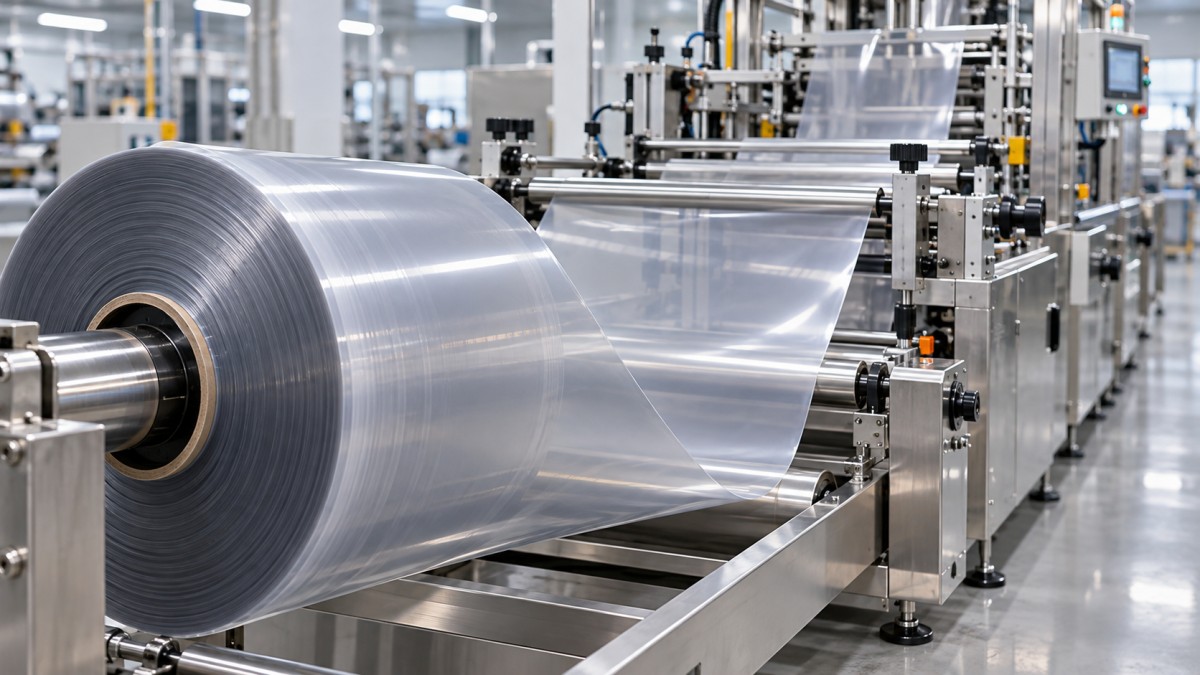
Duo Packaging and the University of Exeter’s graphene engineering innovation centre collaborated on the development of 2DPE, a graphene-enhanced polyethylene packaging film. The material is suitable for automated bagging applications.
The supplied account describes a QVC UK trial showing significant savings in carbon footprint, material consumption and costs. Recycled content increased from 45% to 60%, while film strength was maintained.
The supplied information does not quantify the reported savings or specify the event date.
Purchasing Specifications Could Become the Main Point of Change
Film producers may face more closely linked material and performance criteria
Analysis suggests that packaging manufacturers considering a comparable material could need to assess recycled content and film strength together. The reported trial may encourage discussions about specifications that combine material reduction with performance in automated bagging. Whether this leads to revised customer requirements remains unconfirmed.
Packaging buyers may seek evidence behind each reported benefit
From a procurement perspective, the trial could prompt buyers to request supporting information on recycled content, carbon footprint, material consumption and costs. These measures address different purchasing considerations, so a buyer assessing the film could benefit from reviewing the evidence for each claim separately. The supplied account does not establish a new purchasing rule or a mandatory documentation requirement.
Automated packing operations may need application-specific validation
Analysis suggests that suitability for automated bagging could make the film relevant to businesses reviewing packaging materials for existing operations. Before changing specifications or delivery arrangements, those businesses could assess performance under their own operating conditions. The reported QVC UK trial does not establish performance across every machine configuration or packaging application.
Evidence to Review Before Revising a Packaging Specification
Confirm how recycled content is documented
As a practical procurement consideration, buyers could request documentation supporting the reported increase from 45% to 60% recycled content and clarify which product specification it covers. The supplied information does not identify a certification scheme or verification method, so neither should be assumed.
Examine the basis of carbon and cost comparisons
Analysis suggests that businesses considering the film would benefit from understanding the comparison behind the reported savings. Relevant questions could include the reference material, the scope of the carbon assessment and the operating assumptions used to calculate costs. These details are not provided, limiting how confidently the trial results can be applied to another purchasing decision.
Validate strength and automated bagging performance
For prospective users, an application trial could help assess whether the reported strength retention is sufficient for their packaging needs. Reviewing material use alongside operating performance could also help determine whether a proposed specification supports expected production and delivery requirements. These are suggested evaluation steps, not confirmed conditions of adoption.
Keep compliance review separate from product claims
From a compliance perspective, buyers could check any proposed use against the requirements applicable to their own products and markets. Higher recycled content and reported carbon savings do not, on the supplied evidence, establish regulatory approval or certification. Any such status would require separate confirmation before being included in procurement documents or customer-facing claims.
A Material Development Signal, with No Confirmed Rule Change
At this stage, it is more appropriate to understand the announcement as a material development and customer-trial signal. The supplied information does not identify a policy amendment, a revised standard, a trade measure or a newly implemented certification requirement. It therefore cannot support a conclusion that the film responds to a specific new legal obligation.
Editorial analysis suggests that the development could nevertheless influence how buyers frame future packaging requirements. If the reported benefits are supported by evidence relevant to their applications, buyers may consider combining recycled-content targets with strength, material-use and cost criteria in purchasing specifications. Whether such changes occur will depend on subsequent customer decisions and implementation feedback.
Adoption Decisions Depend on Transferable Trial Evidence
The reported QVC UK trial presents a practical case for examining graphene-enhanced PE film as an option for automated bagging. Its industry relevance lies in the reported combination of higher recycled content, retained strength and reduced resource use and costs.
As an assessment, the most proportionate response is to treat 2DPE as a candidate for documented evaluation. The supplied account supports interest in the material, while broader conclusions about procurement acceptance, compliance status or repeatable operating savings require further evidence. Any subsequent change to purchasing or delivery specifications would need to reflect the conditions of the intended application.
Basis of This Report and Details Awaiting Verification
This article is based solely on the user-provided news title, event-time information and event summary. The event date was not specified, and specific official source links were not provided in the input. Further verification remains necessary.
Relevant material for follow-up could include company announcements, university project information, customer trial documentation and any applicable regulatory or standards publications. These are potential verification sources and were not supplied or independently consulted for this article.
Further observation should focus on the trial methodology, supporting performance data, recycled-content documentation, any verified certification status, customer specification changes and subsequent implementation feedback. Any later policy or certification development would also require verification before being presented as an established requirement.
Recommended News
 Oct 24, 2026Duo Packaging Introduces Graphene-Enhanced Flexible PE FilmExplore Duo Packaging’s graphene-enhanced PE film, 2DPE, with 60% recycled content and retained strength. See how a QVC UK trial signals potential material, carbon and cost savings.
 Oct 14, 2026How heat affects shrinkage in 36-micron oriented polyester filmExplore how heat affects oriented polyester film 36 micron. Compare MD/TD shrinkage, test conditions, and process controls to select the right grade and improve converting stability.
 Oct 13, 2026How to assess a biaxially oriented film manufacturer's thickness controlAssess a Biaxially Oriented Films manufacturer's thickness control with practical checks on uniformity, measurement accuracy, and roll traceability. Learn how to qualify reliable suppliers.
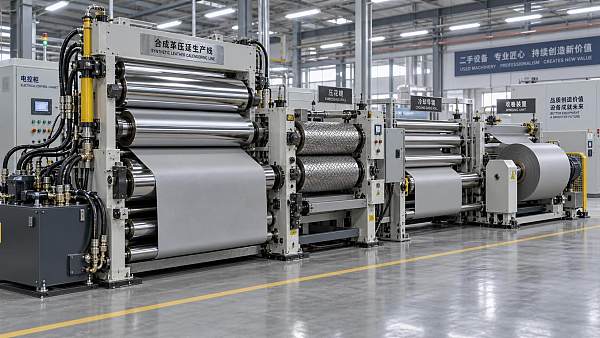
 Oct 19, 2026Assessing Used Calender Line Compatibility for Coated Synthetic LeatherSynthetic leather calendering line compatibility guide: evaluate rolls, thermal control, web handling, tooling, and safety before buying used equipment.
 Sep 29, 2026How printed flexible packaging films affect shelf appealFlexible Packaging Films printed solutions shape shelf appeal through color fidelity, surface finishes, transparency, barrier performance, and retail-ready durability. Explore how to create packaging that stands out and protects value.
 Sep 22, 2026What drives film coating technology cost in a new production line?Film coating technology cost depends on more than equipment price. Explore key drivers, yield risks, throughput, and lifecycle ROI for smarter line investment.
 Sep 17, 2026Standard Test Methods for Coated Paper: Barrier Performance and RecyclabilityStandard test methods coated paper barrier performance recyclability: verify moisture, grease, oxygen protection and real recycling outcomes for finished packs.
 Sep 21, 2026Used Synthetic Leather Calendering Lines: What to Inspect Before PurchaseSynthetic leather calendering line buying guide: inspect rolls, drives, thermal systems, controls, safety, and web handling before purchasing used equipment.
 Sep 02, 2026When do high clarity films for food wraps improve shelf appeal?High clarity films for food wraps boost shelf appeal by showcasing freshness, texture, and quality while balancing seal performance, protection, and retail-ready presentation.
 Sep 01, 2026How to prevent peeling when using printable transfer foilsTransfer foils printable: prevent peeling with proven tips on substrate prep, ink compatibility, curing, and transfer settings for durable, premium results.
 Aug 30, 2026How PET packaging sheets affect thermoforming consistencyPET packaging sheets directly influence thermoforming consistency. Explore how gauge profile, IV, thermal behavior, and rPET content affect quality, scrap, and line performance.
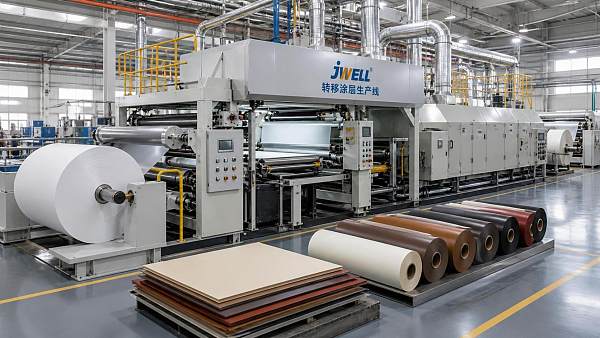
 Sep 02, 2026When a PVC Transfer Coating Line Fits Better Than Direct Coating in Flexible MaterialsPVC transfer coating line or direct coating? Learn when transfer coating delivers better surface quality, substrate protection, and process stability for flexible materials.
 Aug 23, 2026When does solvent free film coating technology improve coating consistency?Solvent free film coating technology improves coating consistency when drying variability, thermal stress, and residual solvent risks limit quality. Learn when it truly delivers repeatable performance.
 Aug 15, 2026What drives micro coating materials price in industrial use?Micro coating materials price depends on chemistry, process control, substrate fit, and compliance. Learn what really drives cost in industrial use and how to choose smarter.
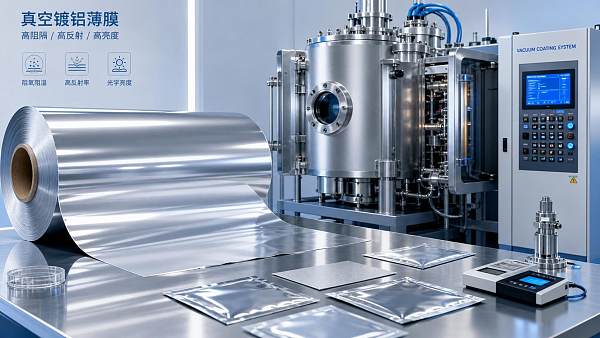
 Jul 22, 2026Metallized Film Physics in Vacuum Deposition: Key Factors Behind Barrier and Optical PerformanceMetallized film physics vacuum deposition explained: discover how substrate, chamber control, and layer uniformity shape barrier, gloss, and converting performance across packaging applications.
 Jul 27, 2026How to Evaluate a Used PVC Coating Calendering Line Before PurchaseUsed PVC coating calendering line buyers: learn how to assess process fit, roller condition, controls, compliance, and total cost before purchase to avoid hidden risks.
 Jul 21, 2026Vacuum Metallized Paper: Key Properties, Uses, and LimitsVacuum metallized paper explained: discover its key properties, packaging uses, print benefits, and limits to choose the right premium, cost-effective material.
 Jul 18, 2026How to Evaluate Micro Coating Materials in Europe for Performance and ComplianceMicro coating materials Europe buyers can use this guide to compare performance, compliance, recyclability, and supplier quality for smarter sourcing and faster qualification.
 Jul 15, 2026Film Coating Technology for BOPP: Key Methods and Performance TradeoffsFilm coating technology for BOPP explained: compare acrylic, PVDC, water-based, and specialty coatings, understand barrier and sealing tradeoffs, and choose the right path for cost, compliance, and performance.
 Jul 09, 2026Packaging Supplier References for Films: What to Verify Before ApprovalPackaging supplier references for films help you verify quality, compliance, consistency, and delivery risk before approval. Learn what to check to avoid costly packaging failures.
 Jul 08, 2026Biaxial Film Europe: 2026 Supply, Pricing, and Regulation OutlookBiaxial film Europe in 2026 faces shifting supply, pricing, and PPWR pressure. Explore key BOPP and PET risks, cost drivers, and smart sourcing strategies.
 Jul 05, 2026How Thin Film Coating Technology Improves Barrier and Surface PerformanceThin film coating technology improves barrier strength, printability, adhesion, and durability across packaging and labels. Learn how to choose smarter coatings for performance, compliance, and cost.
 Jul 02, 2026Pharmaceutical Packaging Films in 2026: Barrier and Sustainability ShiftsPharmaceutical packaging films in 2026 face a new test: balancing barrier performance, compliance, and sustainability. Explore key shifts shaping smarter, lower-risk packaging decisions.
 Jul 11, 2026Artificial Leather Coating Line: Process, Risk and Procurement NotesBuyer notes on artificial leather coating line process flow, PVC coating calendering risks, used-machine checks and procurement decisions.