Search News
Industry Portal
Hot Articles
- How to verify FDA compliance for packaging inks used on food packagingPackaging inks FDA compliant? Learn how to verify food-contact safety through regulatory citations, migration testing, supplier declarations, and process controls.
- When do holographic foils add value to luxury goods packaging?Packaging materials for luxury goods gain impact with holographic foils that elevate shelf appeal, authenticity, and premium unboxing—learn when this finish delivers real value.
- Can nano encryption technology stop counterfeit labels from being copied?Nano encryption technology anti counterfeit labels combine physical security, tamper evidence, and serialization to make copying harder. Explore smarter protection.
Popular Tags
Thermal Transfer Printing Machine Selection for Stable Barcode Output
Time
Click Count
Thermal Transfer Printing Machine Selection for Stable Barcode Output
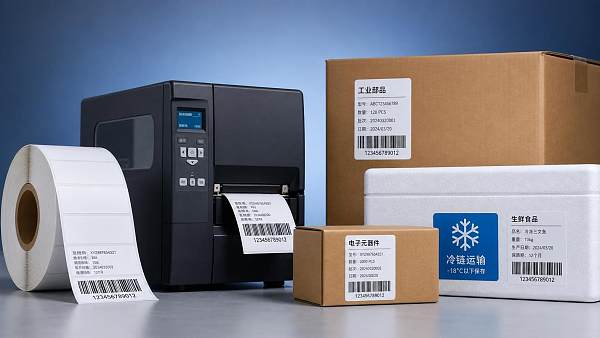
For quality control and safety managers, a thermal transfer printing machine is not just a labeling device—it is a frontline safeguard for barcode readability, traceability, and compliance.
In high-speed packaging, warehousing, pharmaceuticals, food, and logistics environments, unstable print density or ribbon mismatch can turn a simple code into a costly recall risk.
This guide explains how to select a machine that delivers stable barcode output under real production pressures.
The goal is simple: reduce scanning failures, protect product identity, and maintain reliable data flow from line to shelf.
Why Barcode Stability Needs a Selection Checklist
A thermal transfer printing machine works at the intersection of heat, pressure, ribbon chemistry, label surface energy, and software control.
When one factor drifts, barcode edges blur, quiet zones shrink, or contrast drops below scanner tolerance.
In modern packaging operations, the label is often the only physical bridge between product, shipment, and digital record.
A structured checklist prevents selection based only on purchase price, brand familiarity, or print speed claims.
It also connects the thermal transfer printing machine with consumables, barcode standards, line automation, and maintenance routines.
Core Checklist for Choosing a Thermal Transfer Printing Machine
Use this checklist before testing, quoting, or approving any thermal transfer printing machine for barcode-critical production.
- Confirm barcode grade targets using ISO/IEC 15416 or GS1 rules, then select print resolution according to symbol size, substrate texture, and scanning distance.
- Match ribbon type to label material, choosing wax, wax-resin, or resin only after testing abrasion, heat, moisture, chemicals, and outdoor exposure.
- Verify printhead pressure uniformity across the full label path, because uneven pressure causes light bars, streaks, and poor edge definition.
- Check thermal control accuracy at real production speed, not only during slow demonstrations or short laboratory sample runs.
- Test label feeding stability with actual roll diameter, liner thickness, die-cut shape, gap sensing, and rewind tension conditions.
- Review printer language compatibility with ERP, WMS, MES, and labeling software to avoid template conversion errors and barcode scaling problems.
- Inspect printhead access, platen roller replacement, ribbon loading path, and cleaning frequency before accepting a machine for continuous operation.
- Run verification scans after rubbing, freezing, heating, bending, and pallet handling, especially for logistics, food, chemical, and pharmaceutical labels.
Resolution and Barcode Size
The common 203 dpi option suits many shipping labels, but compact 2D codes often need 300 dpi or 600 dpi.
A thermal transfer printing machine should reproduce narrow bars without filling spaces or creating saw-tooth edges.
Before purchase, print the smallest approved code at the fastest intended speed and verify it with a calibrated barcode verifier.
Print Speed and Heat Balance
Higher speed does not always mean better throughput if scanning failures create relabeling, rework, or shipment holds.
A stable thermal transfer printing machine should maintain energy consistency during long batches, not only at the beginning of the roll.
Evaluate density variation after one hour of continuous operation, because heat buildup can change barcode contrast and ribbon transfer behavior.
Ribbon and Label Compatibility
Ribbon selection is not a secondary decision. It directly affects barcode durability, darkness, edge sharpness, and scanner response.
For coated paper, wax-resin can improve smear resistance. For PET, PP, or synthetic labels, resin ribbons are usually safer.
A thermal transfer printing machine must offer adjustable heat and pressure windows broad enough for these material differences.
Selection Matrix for Different Barcode Environments
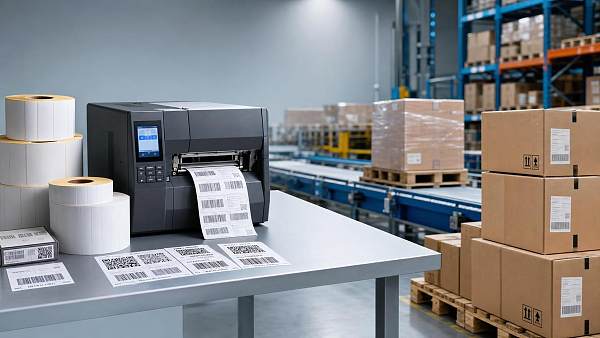
High-Speed Logistics and Parcel Labels
Parcel labels face belt friction, sorter impact, humidity, rain, and manual handling during distribution.
A thermal transfer printing machine used here should prioritize throughput, ribbon economy, barcode contrast, and easy operator recovery after jams.
Print samples should be rubbed against corrugated board and scanned from different angles before final acceptance.
Pharmaceutical and Healthcare Packaging
Healthcare labels often carry serial numbers, batch codes, expiry dates, and anti-counterfeit identifiers.
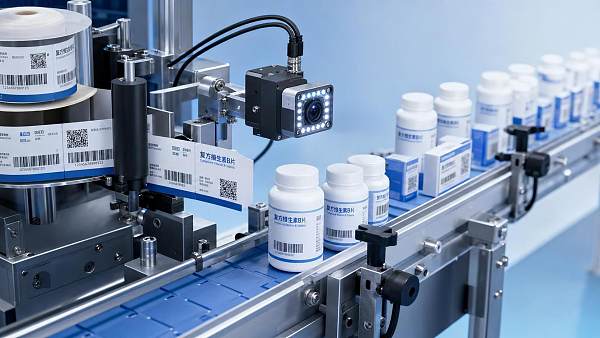
A thermal transfer printing machine for this environment should support precise templates, audit-friendly data handling, and stable micro-code reproduction.
Integrating verification after printing reduces the risk of unreadable codes entering regulated supply chains.
Food, Cold Chain, and Moisture Exposure
Cold chain labels must survive condensation, low temperatures, oily surfaces, and repeated handling.
The thermal transfer printing machine should be tested with the exact label adhesive, face stock, ribbon grade, and storage temperature.
A barcode that scans at room temperature may fail after freezing, thawing, or moisture exposure.
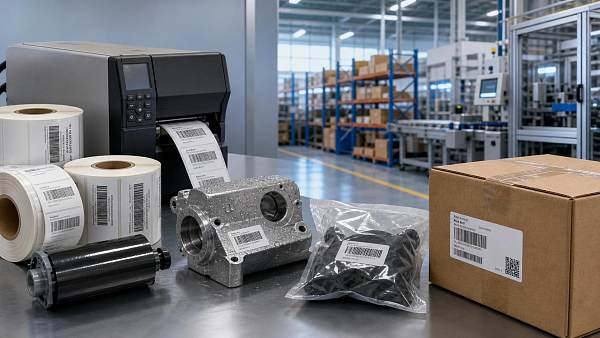
Electronics, Components, and Small Labels
Small components require compact labels with dense DataMatrix, QR, or narrow linear barcodes.
A thermal transfer printing machine should control dot placement accurately and avoid excessive heat that deforms synthetic films.
For electronics, anti-static handling, clean printheads, and fine ribbon coatings can matter as much as printer resolution.
Commonly Ignored Risks During Machine Selection
Ignoring platen roller wear. A hardened or damaged roller creates repeated barcode defects that look like ribbon problems.
Testing only new consumables. A thermal transfer printing machine should also print reliably near the end of ribbon and label rolls.
Overheating resin ribbons. Excessive heat can over-darken bars, reduce edge definition, and shorten printhead life.
Skipping scanner diversity. Codes should be checked with handheld scanners, fixed tunnel scanners, mobile devices, and verification equipment.
Forgetting dust and adhesive buildup. Paper dust, liner debris, and adhesive ooze can damage printheads and reduce consistent barcode output.
Practical Execution Plan Before Final Approval
- Define every barcode type, minimum X-dimension, label material, ribbon type, scanner model, and required verification grade before supplier testing begins.
- Prepare real production files from existing labeling software instead of accepting vendor-made samples with simplified graphics or oversized codes.
- Run the thermal transfer printing machine at planned production speed for a full shift, then compare first, middle, and final labels.
- Document heat settings, pressure settings, ribbon batch, label batch, firmware version, and environmental conditions for repeatable validation.
- Create a cleaning and inspection schedule covering printhead, platen roller, sensors, ribbon path, label guides, and cutter or peeler units.
A selection trial should include both technical evaluation and daily usability.
If ribbon loading is confusing, pressure adjustment is hidden, or sensors are difficult to clean, barcode stability will decline over time.
The best thermal transfer printing machine is not only accurate during installation. It stays controllable during routine shifts and material changes.
Consumable Strategy for Long-Term Barcode Quality
Stable output depends on a matched consumable system, not only a printer specification sheet.
PPCS views ribbons, coatings, adhesives, films, and protective packaging as connected elements of product identity and physical protection.
A thermal transfer printing machine should be qualified with approved ribbon families and label substrates, then locked into controlled purchasing rules.
Unapproved substitutions may save little per roll while creating hidden risks in recalls, returns, and shipment exceptions.
For demanding labels, request coating data, storage guidance, and resistance results for abrasion, alcohol, oils, UV, heat, and cold.
Summary and Next Action Guide
Selecting a thermal transfer printing machine for stable barcode output requires more than comparing dpi, price, and advertised speed.
The decision should connect machine mechanics, thermal control, ribbon chemistry, label material, data systems, and verification discipline.
Start with barcode grade targets, then validate the complete print system under real production pressure.
Before approval, test actual files, actual consumables, actual speed, and actual environmental stress.
A well-selected thermal transfer printing machine protects traceability, reduces scanning failures, and keeps product data readable through every handling stage.
Recommended News
 Sep 09, 2026How to assess a water based adhesive materials factory’s quality controlWater based adhesive materials factory quality control: learn how to audit traceability, batch consistency, testing, and change control for safer sourcing.
 Sep 08, 2026How to qualify an electronic protective materials supplier for ESD controlLearn how to qualify an electronic protective materials supplier for reliable ESD control with test data, traceability, lot consistency, and packaging checks.
 Aug 18, 2026What to check before choosing a cryogenic labels supplierCryogenic labels supplier selection starts with performance, not price. Learn what to check for adhesion, print durability, compliance, and supply reliability before you buy.
 Aug 16, 2026How to measure packaging sustainability metrics that actually matterPackaging sustainability metrics that actually matter: learn how to compare carbon, recyclability, performance, and operational yield to make smarter packaging decisions.
 Aug 11, 2026How Low Migration Label Adhesive Technology Supports Food Packaging ComplianceLabel adhesive technology low migration explained: learn how to reduce migration risk, improve food packaging compliance, and choose label constructions that balance safety, performance, and approvals.
 Aug 10, 2026How to Choose Transfer Foils for Labels Based on Print Method and DurabilityTransfer foils for labels: learn how to choose the right option by print method, substrate, and durability needs to improve label performance, reduce rework, and achieve a premium finish.
 Aug 08, 2026How to Evaluate a Coating Materials Supplier for Consistent Quality and Lead TimesCoating materials supplier selection starts with the right questions. Learn how to compare quality consistency, process control, and lead-time reliability to reduce sourcing risk.
 Aug 03, 2026How High-Speed Labeling Technology Affects Accuracy and Throughput in PharmaceuticalsHigh-speed labeling technology pharmaceuticals depend on shapes accuracy, throughput, and compliance. Learn how materials, printing, and inspection drive reliable pharmaceutical packaging performance.
 Aug 02, 2026How to Choose Packaging for PCB Components Based on ESD and Moisture RiskPackaging for PCB components starts with risk, not bag type. Learn how to balance ESD, moisture, handling, and assembly needs to protect yield and choose smarter packaging.
 Jul 30, 2026How to Evaluate Throughput, Accuracy, and Downtime in High Speed Labeling SystemsHigh speed labeling systems should be judged by real throughput, labeling accuracy, and downtime recovery—not brochure speed. Learn how to compare machines for stable output and fewer stoppages.
 Jul 29, 2026How to Choose Food Grade Eco Friendly Packaging Materials for Moisture and Grease ResistanceEco friendly packaging materials food grade: learn how to choose options that balance moisture and grease resistance, food-contact compliance, and sustainability for safer, smarter packaging.
 Jul 27, 2026How to Evaluate a Thermal Labels Supplier for Cost, Quality, and Lead TimeThermal labels supplier evaluation guide: learn how to compare cost, print quality, adhesive performance, compliance, and lead time to reduce risk and choose a reliable partner.
 Jul 23, 2026How to Evaluate Industrial Label Systems for Durability and Total CostIndustrial label systems: learn how to compare durability, compliance, barcode performance, and total cost to reduce failures, control sourcing risk, and choose smarter long-term solutions.
 Jul 15, 2026Pressure Sensitive Label Materials Factory Audit Checklist for Stable QualityPressure sensitive label materials factory audit checklist for buyers: verify coating control, traceability, compliance, and lot consistency to reduce label failure risk.
 Jul 13, 2026How to Evaluate a Sustainable Cushioning Materials Supplier in 2026Sustainable cushioning materials supplier selection in 2026 starts with protection, proof, and scale. Learn how to compare claims, compliance, and total cost with confidence.
 Jul 12, 2026Metallic Cosmetic Packaging Materials: What Affects Finish, Durability, and Brand FitMetallic cosmetic packaging materials shape finish, durability, and brand appeal. Learn what affects gloss, scuff resistance, compliance, and cost before choosing the right premium pack.
 Jul 12, 2026How to Compare Metallic Luxury Packaging Materials for Premium Shelf ImpactMetallic luxury packaging materials compared: learn how to assess shelf impact, durability, print fit, compliance, and cost to choose premium packaging that converts.
 Jul 11, 2026Thermal Labels for Barcode Printing: Top Mistakes That Raise Replacement CostsThermal labels for barcode printing can drive hidden replacement costs when materials miss real conditions. Discover the top mistakes, how to prevent scan failures, and choose labels that cut waste.
 Jul 05, 2026Industrial Adhesive Technology for Laminating: Key Factors for Material SelectionIndustrial adhesive technology for laminating: discover how to choose the right chemistry for better bonding, faster converting, compliance, and lower total packaging cost.
 Jul 04, 2026Decorative Packaging Foils Supplier Middle East: 6 Checks Before You ShortlistDecorative packaging foils supplier Middle East guide: discover 6 practical checks to compare quality, compliance, lead times, and total value before you shortlist a vendor.
 Jul 03, 2026Protective Packaging Cost Breakdown: Material, Labor, Storage, and Damage RiskProtective Packaging cost goes beyond material price. Learn how labor, storage, and damage risk shape total packaging spend, and discover smarter ways to cut costs without hurting performance.
 Jul 02, 2026High Speed Labeling Supplier Checklist: Downtime, Accuracy, and SupportHigh speed labeling supplier checklist: compare downtime risk, label accuracy, material fit, and after-sales support to cut hidden costs and choose a more reliable production partner.
 Jun 30, 2026Embossed Shelf Packaging: When It Improves Impact and When It Adds CostEmbossed shelf packaging can boost shelf impact, grip, and premium appeal—but when does it justify the extra cost? Explore practical value, risks, and smarter packaging decisions.
 Jun 30, 2026How to Choose Thermal Labels for Barcode Printing That Scan ReliablyThermal labels for barcode printing: learn how to match face stock, adhesive, printer, and ribbon for reliable scans, fewer failures, and better supply chain performance.