Search News
Industry Portal
Hot Articles
- EU PPWR Rule Takes Effect for BOPP Barrier FilmsEU PPWR rule now applies to BOPP barrier films entering the EU. Learn the new labeling, material ratio, and recyclability requirements to avoid customs delays and rising compliance costs.
- How to Choose Polyester Security Labeling Materials for Heat, Moisture, and Tamper ResistanceSecurity labeling materials polyester guide: learn how to choose PET labels for heat, moisture, and tamper resistance with practical checkpoints that reduce failure and improve performance.
- PPWR Rule Takes Effect for BOPP Barrier FilmsPPWR rule takes effect for BOPP barrier films in the EU from August 8, 2026. Learn how labeling, material ratio disclosure, customs compliance, and technical file updates may impact exports.
Popular Tags
Luxury Packaging Materials Comparison: Cost, Finish, and Sustainability Trade-Offs
Time
Click Count
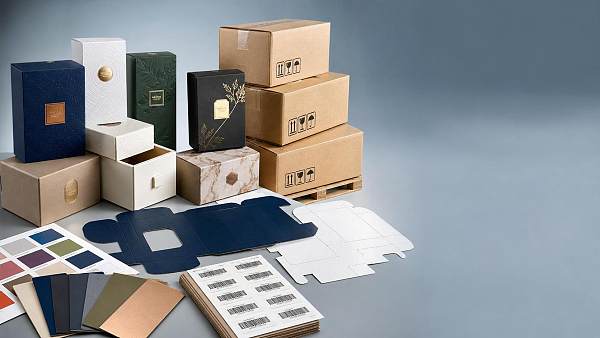
Choosing among luxury packaging materials is no longer a styling exercise alone. It is a commercial decision shaped by material cost, finish quality, logistics performance, recyclability pressure, and the growing need for traceable brand protection.
That shift matters across premium cosmetics, spirits, electronics, fragrances, gifts, and high-value retail. A brilliant carton or label may attract attention, but the wrong structure can raise damage rates, fail compliance checks, or dilute perceived value.
In practice, comparing luxury packaging materials means evaluating films, foils, labels, cushioning, and print systems together. The smartest decisions usually come from understanding trade-offs, not chasing the most decorative option.
What counts as luxury packaging materials today
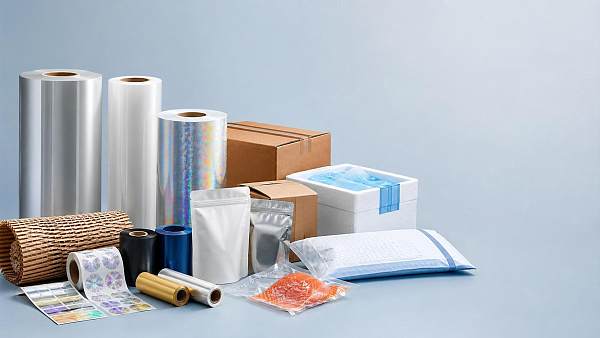
The term covers more than rigid boxes and textured paper. It now includes barrier films, anti-counterfeit labels, hot or cold stamping foils, biodegradable cushioning, and durable coding systems that preserve presentation across transport and retail handling.
This broader view reflects how premium packaging performs in the real world. Luxury packaging materials must create visual impact, but they also need to resist abrasion, moisture, compression, tampering, and data loss.
That is where PPCS offers useful market context. Its intelligence focus on high-barrier films, specialty labels, eco-friendly cushioning, thermal ribbons, and micro-coating systems mirrors the categories now driving premium packaging decisions.
Why the comparison is getting harder
The old benchmark was simple: expensive materials signaled prestige. Today, that logic is incomplete. Costs are under pressure, sustainability claims face scrutiny, and packaging must support omnichannel distribution instead of only store shelves.
A metallized finish may improve first impressions, yet complicate recyclability. A biodegradable insert may strengthen environmental claims, yet change storage conditions, cushioning behavior, or unit economics.
Security is also more visible in premium sectors. Labels, seal systems, and printed identifiers are becoming part of the luxury packaging materials conversation because authenticity now affects both brand trust and resale value.
The three trade-offs that shape most sourcing decisions
Cost is more than unit price
Luxury packaging materials should be compared by total packaging cost, not purchase price alone. Higher-grade substrates can reduce scuffing, spoilage, or returns, which changes the real economics of a packaging program.
Thin, well-engineered films sometimes outperform heavier structures. In some cases, downgauging reduces freight weight and material consumption without sacrificing barrier or tensile performance.
Finish drives perception, but must survive handling
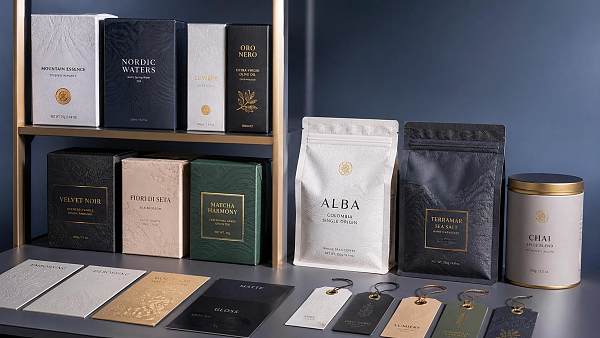
Premium finish includes gloss, matte, metallic reflectivity, tactility, emboss definition, print sharpness, and label clarity. However, a beautiful surface that scratches during transit quickly becomes an expensive liability.
This is why coating chemistry matters. Surface treatments, film orientation, foil adhesion, and ribbon durability all influence whether the shelf appearance remains intact after packing, warehousing, and final delivery.
Sustainability now changes material architecture
Sustainability is no longer an optional message layer. It affects resin choice, mono-material design, recyclability, plastic tax exposure, and the acceptability of laminates, adhesives, and decorative effects in export markets.
A package can look refined and still create compliance risk if material combinations are hard to separate or difficult to recover. That is why lightweighting and simplified structures are gaining attention in premium formats.
How key material groups compare
Different material families solve different problems. Looking at them side by side makes luxury packaging materials easier to assess in commercial terms.
The table also shows why no single answer fits every premium brand. Some luxury packaging materials win on aesthetics, while others reduce operational risk or improve environmental positioning.
Where finish and function intersect
A luxury finish is often built from layers. Foils create brilliance, films add protection, coatings manage touch and abrasion, and labels deliver authenticity cues. Each layer adds value, but also interaction risk.
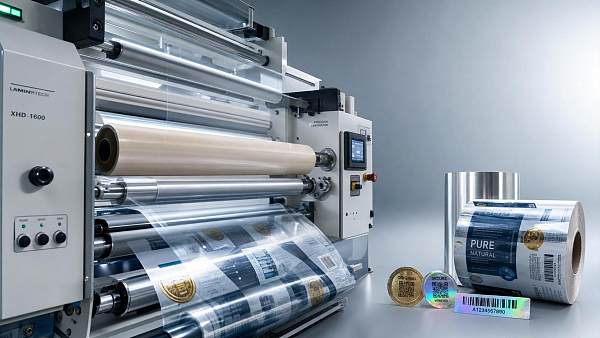
For example, holographic or metallized effects can elevate shelf visibility for cosmetics and spirits. Yet these same effects may affect recyclability pathways or require tighter control during converting and application.
Barrier films show another kind of intersection. They may not be visible to the shopper, but they protect fragrance integrity, prevent moisture ingress, and keep sensitive electronics or premium foods in saleable condition.
Sustainability is becoming a design filter
Premium packaging no longer receives a free pass on material intensity. Regulations such as PPWR, extended producer responsibility schemes, and retailer scorecards are changing how luxury packaging materials are specified.
That does not always mean removing visual richness. It often means redesigning it. Mono-material approaches, lower basis weights, smarter coatings, and compostable cushioning can preserve brand feel while reducing disposal friction.
PPCS tracks this transition closely because micro-coating choices, adhesive formulas, and film structures often decide whether a package looks premium and remains environmentally defensible.
Questions worth asking before locking a material choice
A useful comparison framework should be practical. The goal is not to find the most impressive sample, but the most balanced option under actual operating conditions.
- Does the finish still look premium after transport, unpacking, and shelf handling?
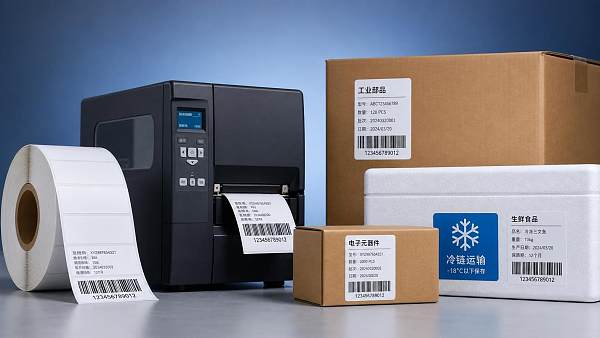
- Can the chosen substrate support required print detail, foil adhesion, or serialized codes?
- Will the structure create recycling barriers or raise future compliance costs?
- Is tamper evidence or anti-counterfeit performance necessary for the product category?
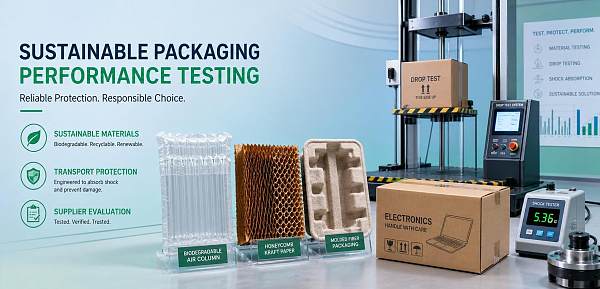
- Can cushioning be reduced, replaced, or redesigned without increasing damage risk?
- What happens to total cost after returns, spoilage, waste, and freight are included?
These questions help convert a subjective packaging discussion into a more disciplined sourcing evaluation.
A practical way to compare options across categories
Start with the product risk profile. Fragile, temperature-sensitive, refillable, or counterfeit-prone goods require different luxury packaging materials than stable products sold mainly in controlled retail settings.
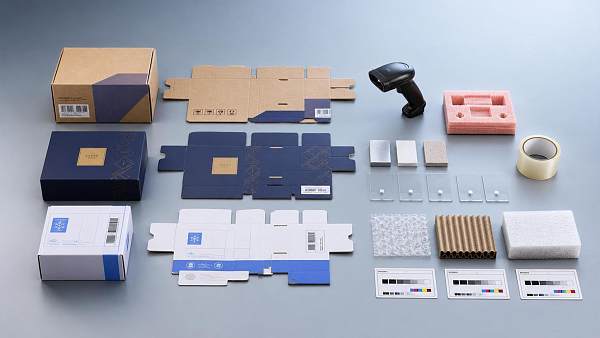
Next, map the packaging journey. Include converting, packing speed, warehousing, export transit, e-commerce shipment, shelf display, and disposal. Weak points often appear between these stages rather than within one stage.
Then compare three scenarios: visual-first, cost-balanced, and sustainability-led. This exposes where a foil-heavy structure, a high-barrier film, or a biodegradable cushioning system creates the best long-term fit.
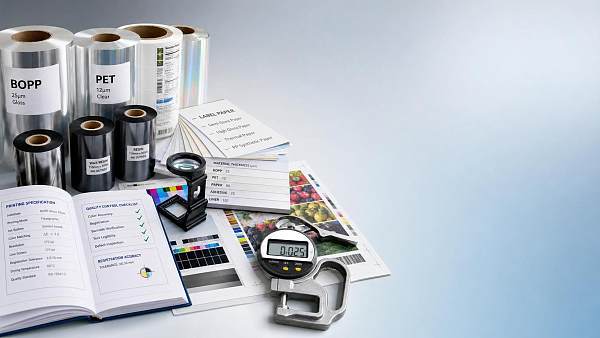
Finally, request evidence, not promises. Test reports, migration data, abrasion results, barcode durability, adhesive performance, and recyclability guidance often reveal more than sample boards alone.
Moving from material choice to packaging confidence
The best luxury packaging materials are rarely the flashiest or the cheapest. They are the ones that align finish, protection, compliance, and disposal logic with the realities of how products move and how brands are judged.
A clear next step is to rank materials against the actual priorities of the pack: barrier need, anti-counterfeit need, shelf effect, cushioning requirement, and likely regulatory exposure. That kind of structured comparison reduces rework later.
For teams reviewing luxury packaging materials across multiple formats, the most useful progress often comes from combining design intent with technical evidence early, then narrowing options before artwork and tooling decisions become expensive.
Recommended News
 Aug 08, 2026How to Evaluate a Coating Materials Supplier for Consistent Quality and Lead TimesCoating materials supplier selection starts with the right questions. Learn how to compare quality consistency, process control, and lead-time reliability to reduce sourcing risk.
 Aug 03, 2026How High-Speed Labeling Technology Affects Accuracy and Throughput in PharmaceuticalsHigh-speed labeling technology pharmaceuticals depend on shapes accuracy, throughput, and compliance. Learn how materials, printing, and inspection drive reliable pharmaceutical packaging performance.
 Aug 02, 2026How to Choose Packaging for PCB Components Based on ESD and Moisture RiskPackaging for PCB components starts with risk, not bag type. Learn how to balance ESD, moisture, handling, and assembly needs to protect yield and choose smarter packaging.
 Jul 30, 2026How to Evaluate Throughput, Accuracy, and Downtime in High Speed Labeling SystemsHigh speed labeling systems should be judged by real throughput, labeling accuracy, and downtime recovery—not brochure speed. Learn how to compare machines for stable output and fewer stoppages.
 Jul 29, 2026How to Choose Food Grade Eco Friendly Packaging Materials for Moisture and Grease ResistanceEco friendly packaging materials food grade: learn how to choose options that balance moisture and grease resistance, food-contact compliance, and sustainability for safer, smarter packaging.
 Jul 27, 2026How to Evaluate a Thermal Labels Supplier for Cost, Quality, and Lead TimeThermal labels supplier evaluation guide: learn how to compare cost, print quality, adhesive performance, compliance, and lead time to reduce risk and choose a reliable partner.
 Jul 23, 2026How to Evaluate Industrial Label Systems for Durability and Total CostIndustrial label systems: learn how to compare durability, compliance, barcode performance, and total cost to reduce failures, control sourcing risk, and choose smarter long-term solutions.
 Jul 15, 2026Pressure Sensitive Label Materials Factory Audit Checklist for Stable QualityPressure sensitive label materials factory audit checklist for buyers: verify coating control, traceability, compliance, and lot consistency to reduce label failure risk.
 Jul 13, 2026How to Evaluate a Sustainable Cushioning Materials Supplier in 2026Sustainable cushioning materials supplier selection in 2026 starts with protection, proof, and scale. Learn how to compare claims, compliance, and total cost with confidence.
 Jul 12, 2026Metallic Cosmetic Packaging Materials: What Affects Finish, Durability, and Brand FitMetallic cosmetic packaging materials shape finish, durability, and brand appeal. Learn what affects gloss, scuff resistance, compliance, and cost before choosing the right premium pack.
 Jul 12, 2026How to Compare Metallic Luxury Packaging Materials for Premium Shelf ImpactMetallic luxury packaging materials compared: learn how to assess shelf impact, durability, print fit, compliance, and cost to choose premium packaging that converts.
 Jul 11, 2026Thermal Labels for Barcode Printing: Top Mistakes That Raise Replacement CostsThermal labels for barcode printing can drive hidden replacement costs when materials miss real conditions. Discover the top mistakes, how to prevent scan failures, and choose labels that cut waste.
 Jul 05, 2026Industrial Adhesive Technology for Laminating: Key Factors for Material SelectionIndustrial adhesive technology for laminating: discover how to choose the right chemistry for better bonding, faster converting, compliance, and lower total packaging cost.
 Jul 04, 2026Decorative Packaging Foils Supplier Middle East: 6 Checks Before You ShortlistDecorative packaging foils supplier Middle East guide: discover 6 practical checks to compare quality, compliance, lead times, and total value before you shortlist a vendor.
 Jul 03, 2026Protective Packaging Cost Breakdown: Material, Labor, Storage, and Damage RiskProtective Packaging cost goes beyond material price. Learn how labor, storage, and damage risk shape total packaging spend, and discover smarter ways to cut costs without hurting performance.
 Jul 02, 2026High Speed Labeling Supplier Checklist: Downtime, Accuracy, and SupportHigh speed labeling supplier checklist: compare downtime risk, label accuracy, material fit, and after-sales support to cut hidden costs and choose a more reliable production partner.
 Jun 30, 2026Embossed Shelf Packaging: When It Improves Impact and When It Adds CostEmbossed shelf packaging can boost shelf impact, grip, and premium appeal—but when does it justify the extra cost? Explore practical value, risks, and smarter packaging decisions.
 Jun 30, 2026How to Choose Thermal Labels for Barcode Printing That Scan ReliablyThermal labels for barcode printing: learn how to match face stock, adhesive, printer, and ribbon for reliable scans, fewer failures, and better supply chain performance.
 Jun 29, 2026How to Choose Packaging Materials for Luxury Goods Without Raising Damage RatesPackaging materials for luxury goods should balance premium appearance with real transit protection. Learn how to cut damage, control costs, and keep brand value intact.
 Jun 28, 2026Private Label Packaging Boxes: 7 Cost Risks Before You Place an OrderPrivate label packaging boxes can look cheap upfront but hide costly risks. Discover 7 pricing traps before you order and compare suppliers with more confidence.
 Jun 27, 2026Packaging Material Guide Supplier List: How to Shortlist Vendors by ApplicationPackaging material guide supplier list: learn how to shortlist vendors by real application needs, testing barrier, labels, cushioning, ribbons, and foils for lower risk and better performance.
 Jun 27, 2026Private Label Packaging Boxes: Common Quality Risks Before Mass ProductionPrivate label packaging boxes can fail in shipping, retail, or cold-chain use. Discover key pre-production quality risks, practical checks, and smart ways to prevent costly mass-production issues.
 Jun 26, 2026What to Check Before Choosing a Luxury Brand Packaging SupplierChoose the right luxury brand packaging supplier with confidence. Learn what to check for quality, security, sustainability, consistency, and cost to protect your brand and boost shelf appeal.
 Jun 26, 2026How to Use Packaging Specification Resources to Prevent Costly Print ErrorsPackaging specification resources help prevent costly print errors by clarifying artwork, materials, color targets, and approvals. Learn practical steps to reduce rework, delays, and quality risks.