Search News
Industry Portal
Hot Articles
- How destructible tamper evident tags prevent label removal and reuseDestructible tamper evident tags prevent label removal and reuse with visible evidence. Explore materials, adhesives, surface testing, and installation tips.
- Where to find packaging specification resources for compliance checksPackaging specification resources: discover trusted regulations, test standards, and supplier documents to streamline compliance checks, reduce risk, and approve packaging confidently.
- How adhesive labels hold up in cold chain shipping conditionsAdhesive Labels cold chain performance depends on more than freezer rating. Learn how adhesion, print durability, condensation, and substrate choice affect reliable shipping.
Popular Tags
How to Evaluate a Sustainable Cushioning Materials Supplier in 2026
Time
Click Count
In 2026, evaluating a sustainable cushioning materials supplier has moved far beyond a simple price comparison. It now sits at the intersection of packaging compliance, product protection, freight efficiency, and brand credibility. A supplier may promise greener materials, but the real test is whether those materials protect goods consistently, scale across regions, and stand up to tighter packaging rules.
That shift matters across industries. Electronics, beauty, healthcare, food-adjacent logistics, luxury goods, and industrial parts all depend on cushioning that reduces breakage without creating a future waste problem. The right supplier supports both physical protection and environmental responsibility, which is exactly where packaging intelligence platforms such as PPCS add useful context.
Why sustainable cushioning is under closer scrutiny
Protective packaging used to be judged mainly by drop performance and unit cost. That is no longer enough. Regulators, retailers, and cross-border customers increasingly ask what the material is made of, how it is disposed of, and whether environmental claims can be verified.
A sustainable cushioning materials supplier now influences more than shipping damage rates. The supplier also affects packaging taxes, EPR exposure, warehouse handling, shipment cube utilization, and the credibility of sustainability reporting.
Europe’s PPWR discussions, plastic reduction mandates, and retailer packaging scorecards are all pushing buyers toward materials with clearer end-of-life pathways. In parallel, logistics networks still demand reliable shock absorption, puncture resistance, and stable supply.
What a supplier should actually be supplying
A sustainable cushioning program is not one product. It is a performance system built around material science, pack design, operational fit, and documentation. That distinction is important when comparing vendors.
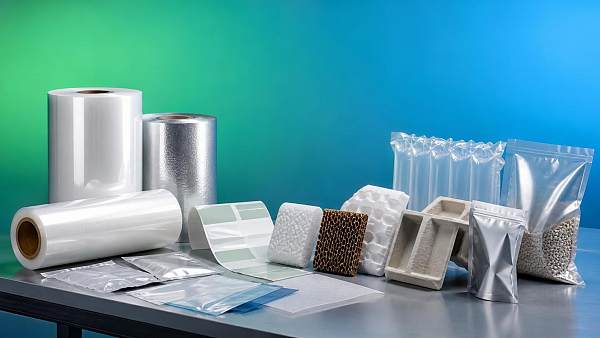
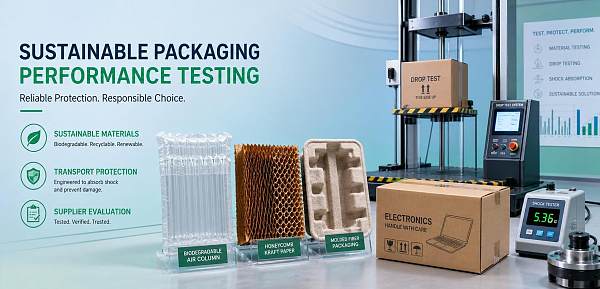
Typical formats include biodegradable air columns, honeycomb kraft paper, molded fiber structures, paper-based wraps, and hybrid solutions using reduced polymer content. Each format solves a different logistics problem.
PPCS follows this category closely because cushioning does not exist in isolation. It interacts with films, labels, coatings, and print systems across the full packaging chain. A weak material decision in one layer often creates cost or compliance pressure somewhere else.
Core capabilities to expect
- Proven cushioning performance under real transit conditions
- Clear material composition and disposal guidance
- Stable converting and manufacturing quality
- Scalable output across multiple shipping regions
- Credible environmental claims backed by documents
The first filter: performance must survive real distribution
The most common mistake is to separate sustainability from protection. A sustainable cushioning materials supplier should first prove that products arrive intact. If damage rises, the environmental gain disappears quickly through returns, reshipments, and product waste.
Ask for evidence from drop tests, compression tests, vibration tests, and climate stability checks. Results should match actual pack weights, transport routes, stacking conditions, and storage durations.
In practical terms, lightweight consumer goods need different protection than precision instruments or coated surfaces. Air columns may work well for fragile electronics. Honeycomb kraft may suit general e-commerce and premium retail presentation. Molded fiber may be stronger in fixed-pack geometries.
Environmental claims need technical proof, not slogans
The next filter is claim quality. Many suppliers use broad terms such as biodegradable, compostable, recyclable, or plastic-free without defining conditions. That creates legal and reputational risk.
A credible sustainable cushioning materials supplier should explain whether degradation occurs in industrial composting, home composting, soil, or only under controlled laboratory conditions. The disposal route must match the markets where the packaging will be used.
Documentation should include test standards, certification scope, material declarations, and restrictions. It should also clarify whether the structure is mono-material, fiber-based, bio-based, or blended.
Questions that separate strong suppliers from risky ones
- Which standards support biodegradability or compostability claims?
- Does certification cover the full product or only one resin layer?
- What happens after use in the target country’s waste system?
- Are inks, valves, coatings, or adhesives included in the claim?
- Can the supplier provide current third-party reports?
This is where PPCS-style intelligence is valuable. In packaging, chemistry matters at the micron level. A sustainable outer message can collapse if a coating, sealant, or additive undermines recyclability or creates compliance gaps.
Scale, resilience, and cost discipline are part of sustainability
A material may look ideal in a pilot run and still fail in commercial rollout. The supplier should show how capacity, lead times, quality systems, and regional sourcing hold up when volumes increase.
A resilient sustainable cushioning materials supplier should have contingency planning for feedstock shifts, export disruption, specification changes, and conversion bottlenecks. Otherwise, sustainability targets become vulnerable to operational instability.
Cost should also be viewed in total terms. Unit price matters, but freight density, damage reduction, packing labor, storage efficiency, and tax exposure can outweigh a modest material premium.
PPCS often frames packaging decisions this way: the right consumable is not simply cheaper per piece. It is stronger across the entire cost-to-protect equation.
Different sectors require different supplier strengths
There is no universal best material. A supplier should fit the shipment profile, product sensitivity, and presentation requirements of the category being served.
Where packaging also includes labels, films, or anti-counterfeit features, coordination matters even more. Cushioning should not interfere with barcode readability, seal integrity, or finished pack appearance.
A practical evaluation process for 2026
A disciplined review usually produces better outcomes than a broad request for samples. Start with the product risk profile, not with the supplier brochure.
- Map damage risk by SKU, route, and fulfillment model.
- Define acceptable end-of-life outcomes by target market.
- Shortlist each sustainable cushioning materials supplier by technical fit.
- Request test data, certifications, and lot consistency records.
- Run pilots that measure damage, speed, waste, and freight impact.
- Review regional supply resilience before volume conversion.
This approach turns supplier selection into a packaging systems decision. That is especially useful when sustainability targets, packaging performance, and international compliance must all move together.
What to do next
The strongest choice in 2026 will usually be the supplier that proves three things at once: protection, environmental validity, and operational reliability. Those factors should be compared side by side, not in separate conversations.
A useful next step is to build a scorecard around performance data, claim verification, supply resilience, and total landed cost. That makes it easier to compare each sustainable cushioning materials supplier against the same business standard.
For companies working across films, labels, cushioning, and print systems, broader packaging intelligence can sharpen that review. It helps connect material chemistry, compliance risk, and commercial reality before a packaging change reaches scale.
Recommended News
 Aug 18, 2026What to check before choosing a cryogenic labels supplierCryogenic labels supplier selection starts with performance, not price. Learn what to check for adhesion, print durability, compliance, and supply reliability before you buy.
 Aug 16, 2026How to measure packaging sustainability metrics that actually matterPackaging sustainability metrics that actually matter: learn how to compare carbon, recyclability, performance, and operational yield to make smarter packaging decisions.
 Aug 11, 2026How Low Migration Label Adhesive Technology Supports Food Packaging ComplianceLabel adhesive technology low migration explained: learn how to reduce migration risk, improve food packaging compliance, and choose label constructions that balance safety, performance, and approvals.
 Aug 10, 2026How to Choose Transfer Foils for Labels Based on Print Method and DurabilityTransfer foils for labels: learn how to choose the right option by print method, substrate, and durability needs to improve label performance, reduce rework, and achieve a premium finish.
 Aug 08, 2026How to Evaluate a Coating Materials Supplier for Consistent Quality and Lead TimesCoating materials supplier selection starts with the right questions. Learn how to compare quality consistency, process control, and lead-time reliability to reduce sourcing risk.
 Aug 03, 2026How High-Speed Labeling Technology Affects Accuracy and Throughput in PharmaceuticalsHigh-speed labeling technology pharmaceuticals depend on shapes accuracy, throughput, and compliance. Learn how materials, printing, and inspection drive reliable pharmaceutical packaging performance.
 Aug 02, 2026How to Choose Packaging for PCB Components Based on ESD and Moisture RiskPackaging for PCB components starts with risk, not bag type. Learn how to balance ESD, moisture, handling, and assembly needs to protect yield and choose smarter packaging.
 Jul 30, 2026How to Evaluate Throughput, Accuracy, and Downtime in High Speed Labeling SystemsHigh speed labeling systems should be judged by real throughput, labeling accuracy, and downtime recovery—not brochure speed. Learn how to compare machines for stable output and fewer stoppages.
 Jul 29, 2026How to Choose Food Grade Eco Friendly Packaging Materials for Moisture and Grease ResistanceEco friendly packaging materials food grade: learn how to choose options that balance moisture and grease resistance, food-contact compliance, and sustainability for safer, smarter packaging.
 Jul 27, 2026How to Evaluate a Thermal Labels Supplier for Cost, Quality, and Lead TimeThermal labels supplier evaluation guide: learn how to compare cost, print quality, adhesive performance, compliance, and lead time to reduce risk and choose a reliable partner.
 Jul 23, 2026How to Evaluate Industrial Label Systems for Durability and Total CostIndustrial label systems: learn how to compare durability, compliance, barcode performance, and total cost to reduce failures, control sourcing risk, and choose smarter long-term solutions.
 Jul 15, 2026Pressure Sensitive Label Materials Factory Audit Checklist for Stable QualityPressure sensitive label materials factory audit checklist for buyers: verify coating control, traceability, compliance, and lot consistency to reduce label failure risk.
 Jul 13, 2026How to Evaluate a Sustainable Cushioning Materials Supplier in 2026Sustainable cushioning materials supplier selection in 2026 starts with protection, proof, and scale. Learn how to compare claims, compliance, and total cost with confidence.
 Jul 12, 2026Metallic Cosmetic Packaging Materials: What Affects Finish, Durability, and Brand FitMetallic cosmetic packaging materials shape finish, durability, and brand appeal. Learn what affects gloss, scuff resistance, compliance, and cost before choosing the right premium pack.
 Jul 12, 2026How to Compare Metallic Luxury Packaging Materials for Premium Shelf ImpactMetallic luxury packaging materials compared: learn how to assess shelf impact, durability, print fit, compliance, and cost to choose premium packaging that converts.
 Jul 11, 2026Thermal Labels for Barcode Printing: Top Mistakes That Raise Replacement CostsThermal labels for barcode printing can drive hidden replacement costs when materials miss real conditions. Discover the top mistakes, how to prevent scan failures, and choose labels that cut waste.
 Jul 05, 2026Industrial Adhesive Technology for Laminating: Key Factors for Material SelectionIndustrial adhesive technology for laminating: discover how to choose the right chemistry for better bonding, faster converting, compliance, and lower total packaging cost.
 Jul 04, 2026Decorative Packaging Foils Supplier Middle East: 6 Checks Before You ShortlistDecorative packaging foils supplier Middle East guide: discover 6 practical checks to compare quality, compliance, lead times, and total value before you shortlist a vendor.
 Jul 03, 2026Protective Packaging Cost Breakdown: Material, Labor, Storage, and Damage RiskProtective Packaging cost goes beyond material price. Learn how labor, storage, and damage risk shape total packaging spend, and discover smarter ways to cut costs without hurting performance.
 Jul 02, 2026High Speed Labeling Supplier Checklist: Downtime, Accuracy, and SupportHigh speed labeling supplier checklist: compare downtime risk, label accuracy, material fit, and after-sales support to cut hidden costs and choose a more reliable production partner.
 Jun 30, 2026Embossed Shelf Packaging: When It Improves Impact and When It Adds CostEmbossed shelf packaging can boost shelf impact, grip, and premium appeal—but when does it justify the extra cost? Explore practical value, risks, and smarter packaging decisions.
 Jun 30, 2026How to Choose Thermal Labels for Barcode Printing That Scan ReliablyThermal labels for barcode printing: learn how to match face stock, adhesive, printer, and ribbon for reliable scans, fewer failures, and better supply chain performance.
 Jun 29, 2026How to Choose Packaging Materials for Luxury Goods Without Raising Damage RatesPackaging materials for luxury goods should balance premium appearance with real transit protection. Learn how to cut damage, control costs, and keep brand value intact.
 Jun 28, 2026Private Label Packaging Boxes: 7 Cost Risks Before You Place an OrderPrivate label packaging boxes can look cheap upfront but hide costly risks. Discover 7 pricing traps before you order and compare suppliers with more confidence.