Search News
Industry Portal
Hot Articles
- How to verify FDA compliance for packaging inks used on food packagingPackaging inks FDA compliant? Learn how to verify food-contact safety through regulatory citations, migration testing, supplier declarations, and process controls.
- When do holographic foils add value to luxury goods packaging?Packaging materials for luxury goods gain impact with holographic foils that elevate shelf appeal, authenticity, and premium unboxing—learn when this finish delivers real value.
- Can nano encryption technology stop counterfeit labels from being copied?Nano encryption technology anti counterfeit labels combine physical security, tamper evidence, and serialization to make copying harder. Explore smarter protection.
Popular Tags
How Visual Shelf Impact Materials Lift Pack Visibility
Time
Click Count
Visual shelf impact materials are becoming a hard business metric
For business evaluators, visual shelf impact materials are no longer just design extras—they are measurable drivers of pack visibility, brand trust, and purchase intent.
From high-gloss films to holographic foils, material choices now shape first impressions within seconds at shelf and on screen.
They also influence durability, traceability, compliance, and cost control across logistics, retail, and cross-border distribution.
That is why visual shelf impact materials now sit at the intersection of branding, packaging science, and operational resilience.
Market signals show a broader shift in pack visibility strategy
Packaging decisions have shifted from isolated artwork reviews to system-level material evaluation.
Retail shelves are more crowded, product launches are faster, and consumer attention is shorter.
At the same time, e-commerce thumbnails must match the physical shelf presence of the pack.
This dual pressure is pushing demand for visual shelf impact materials that combine optics, protection, and print consistency.
In many categories, premium appearance alone is not enough.
Brands increasingly need materials that resist scuffing, preserve color density, and support anti-counterfeit features.
PPCS tracks this shift through high-barrier films, adhesive labels, thermal ribbons, and optical finishing layers.
Why the shift is accelerating now
- Shelf competition is intensifying across food, beauty, healthcare, electronics, and household goods.
- Regulatory pressure is increasing demand for recyclable, lightweight, and lower-impact packaging structures.
- Counterfeit risks are making security labels and verification layers more important to visible packaging value.
- Digital commerce requires packs to perform visually in photographs, videos, and store shelves simultaneously.
- Converters seek materials that deliver stronger impact without sacrificing machine speed or coating stability.
The real drivers behind visual shelf impact materials
The rise of visual shelf impact materials is not cosmetic.
It is driven by measurable changes in material engineering and commercial expectations.
In short, visual shelf impact materials must now perform as optical surfaces and protective systems at the same time.
How material layers influence visibility more than artwork alone
Artwork can attract attention, but the material stack determines whether that attention converts.
A weak film, unstable coating, or poor ribbon transfer can flatten color and reduce shelf clarity.
By contrast, advanced visual shelf impact materials create depth, contrast, reflectivity, and clean information zones.
Key layers that matter most
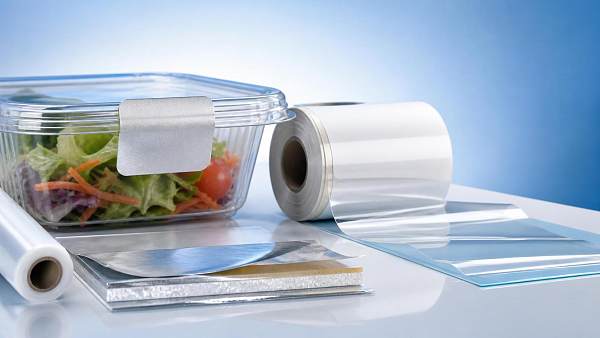
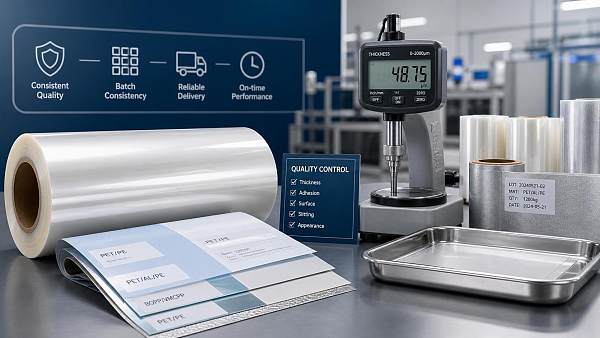
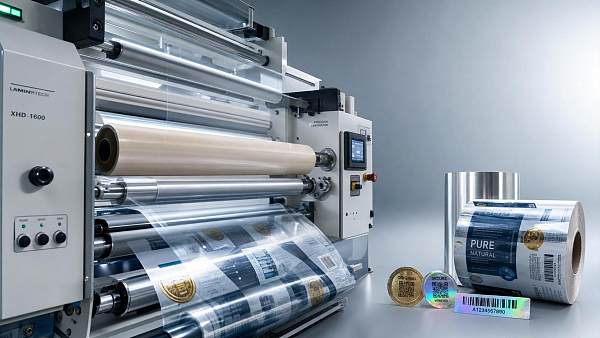
- BOPP and PET films improve gloss, stiffness, and dimensional stability for sharper graphics.
- Hot and cold stamping foils create metallic flashes that stop the eye quickly.
- Anti-counterfeit labels add trust signals while strengthening package authenticity.
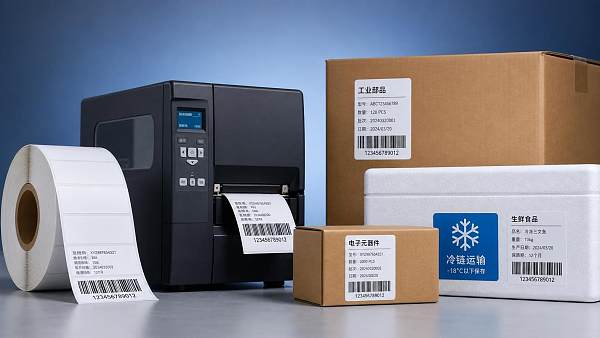
- Thermal transfer ribbons keep variable data readable through abrasion, heat, and transit exposure.
- Barrier coatings protect both product freshness and visual integrity over longer shelf cycles.
PPCS observes that brands increasingly prefer layered systems over isolated decorative upgrades.
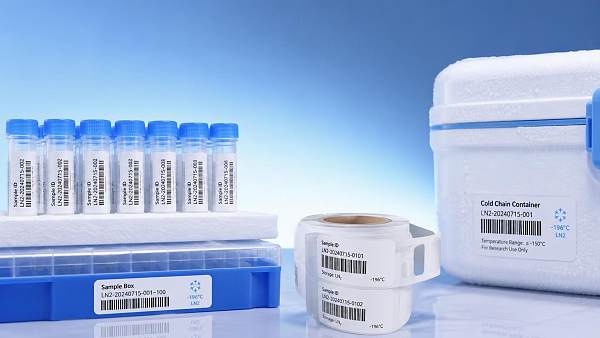
This is especially true where visual shelf impact materials must survive cold-chain storage, export transport, or high-touch retail environments.
The impact reaches far beyond marketing appearance
The business effect of visual shelf impact materials extends across the packaging value chain.
Better visibility can improve recognition, but stronger materials also reduce hidden losses.
Effects across business functions
- Brand value: premium finishes support stronger perceived quality and trust.
- Operations: stable films and labels reduce rework, waste, and machine interruptions.
- Compliance: clearer coding and secure labels strengthen traceability and verification.
- Logistics: abrasion-resistant surfaces preserve readability and appearance through transit.
- Sustainability: downgauged and recyclable structures reduce material intensity without losing impact.
This broader effect explains why visual shelf impact materials are now reviewed alongside cost, risk, and compliance.
They are no longer judged only by shine or decoration.
What deserves close attention in the next evaluation cycle
Not all bright packaging performs well in real conditions.
The strongest visual shelf impact materials balance attraction with process reliability and environmental fit.
Priority checkpoints
- Confirm whether the film structure supports both graphics quality and barrier needs.
- Check label adhesive performance under temperature extremes and humid storage.
- Test foil adhesion, scuff resistance, and register stability at production speed.
- Review whether printed codes remain readable after transport and shelf handling.
- Assess recyclability, downgauging potential, and alignment with PPWR or local rules.
- Measure whether visual shelf impact materials improve visibility without increasing total defect cost.
These checkpoints help separate short-term decoration from durable packaging value.
A practical way to judge future-ready material choices
A useful decision model combines optical effect, technical performance, and regulatory readiness.
This approach keeps visual shelf impact materials tied to business outcomes rather than trend chasing.
The next move is to connect optics, protection, and compliance
The strongest packaging strategies now treat visual shelf impact materials as integrated performance assets.
Gloss, metallic brilliance, label security, barrier retention, and code durability should be reviewed together.
PPCS follows this exact intersection through polymer films, micro-coatings, security adhesives, and thermal marking systems.
A practical next step is to compare current pack structures against visibility, transit resistance, and recyclability targets.
Then identify where upgraded visual shelf impact materials can create faster attention, stronger trust, and lower lifecycle loss.
In today’s market, the most effective package is not simply seen first.
It is the one that stays convincing from production line to shelf to final use.
Recommended News
 Sep 09, 2026How to assess a water based adhesive materials factory’s quality controlWater based adhesive materials factory quality control: learn how to audit traceability, batch consistency, testing, and change control for safer sourcing.
 Sep 08, 2026How to qualify an electronic protective materials supplier for ESD controlLearn how to qualify an electronic protective materials supplier for reliable ESD control with test data, traceability, lot consistency, and packaging checks.
 Aug 18, 2026What to check before choosing a cryogenic labels supplierCryogenic labels supplier selection starts with performance, not price. Learn what to check for adhesion, print durability, compliance, and supply reliability before you buy.
 Aug 16, 2026How to measure packaging sustainability metrics that actually matterPackaging sustainability metrics that actually matter: learn how to compare carbon, recyclability, performance, and operational yield to make smarter packaging decisions.
 Aug 11, 2026How Low Migration Label Adhesive Technology Supports Food Packaging ComplianceLabel adhesive technology low migration explained: learn how to reduce migration risk, improve food packaging compliance, and choose label constructions that balance safety, performance, and approvals.
 Aug 10, 2026How to Choose Transfer Foils for Labels Based on Print Method and DurabilityTransfer foils for labels: learn how to choose the right option by print method, substrate, and durability needs to improve label performance, reduce rework, and achieve a premium finish.
 Aug 08, 2026How to Evaluate a Coating Materials Supplier for Consistent Quality and Lead TimesCoating materials supplier selection starts with the right questions. Learn how to compare quality consistency, process control, and lead-time reliability to reduce sourcing risk.
 Aug 03, 2026How High-Speed Labeling Technology Affects Accuracy and Throughput in PharmaceuticalsHigh-speed labeling technology pharmaceuticals depend on shapes accuracy, throughput, and compliance. Learn how materials, printing, and inspection drive reliable pharmaceutical packaging performance.
 Aug 02, 2026How to Choose Packaging for PCB Components Based on ESD and Moisture RiskPackaging for PCB components starts with risk, not bag type. Learn how to balance ESD, moisture, handling, and assembly needs to protect yield and choose smarter packaging.
 Jul 30, 2026How to Evaluate Throughput, Accuracy, and Downtime in High Speed Labeling SystemsHigh speed labeling systems should be judged by real throughput, labeling accuracy, and downtime recovery—not brochure speed. Learn how to compare machines for stable output and fewer stoppages.
 Jul 29, 2026How to Choose Food Grade Eco Friendly Packaging Materials for Moisture and Grease ResistanceEco friendly packaging materials food grade: learn how to choose options that balance moisture and grease resistance, food-contact compliance, and sustainability for safer, smarter packaging.
 Jul 27, 2026How to Evaluate a Thermal Labels Supplier for Cost, Quality, and Lead TimeThermal labels supplier evaluation guide: learn how to compare cost, print quality, adhesive performance, compliance, and lead time to reduce risk and choose a reliable partner.
 Jul 23, 2026How to Evaluate Industrial Label Systems for Durability and Total CostIndustrial label systems: learn how to compare durability, compliance, barcode performance, and total cost to reduce failures, control sourcing risk, and choose smarter long-term solutions.
 Jul 15, 2026Pressure Sensitive Label Materials Factory Audit Checklist for Stable QualityPressure sensitive label materials factory audit checklist for buyers: verify coating control, traceability, compliance, and lot consistency to reduce label failure risk.
 Jul 13, 2026How to Evaluate a Sustainable Cushioning Materials Supplier in 2026Sustainable cushioning materials supplier selection in 2026 starts with protection, proof, and scale. Learn how to compare claims, compliance, and total cost with confidence.
 Jul 12, 2026Metallic Cosmetic Packaging Materials: What Affects Finish, Durability, and Brand FitMetallic cosmetic packaging materials shape finish, durability, and brand appeal. Learn what affects gloss, scuff resistance, compliance, and cost before choosing the right premium pack.
 Jul 12, 2026How to Compare Metallic Luxury Packaging Materials for Premium Shelf ImpactMetallic luxury packaging materials compared: learn how to assess shelf impact, durability, print fit, compliance, and cost to choose premium packaging that converts.
 Jul 11, 2026Thermal Labels for Barcode Printing: Top Mistakes That Raise Replacement CostsThermal labels for barcode printing can drive hidden replacement costs when materials miss real conditions. Discover the top mistakes, how to prevent scan failures, and choose labels that cut waste.
 Jul 05, 2026Industrial Adhesive Technology for Laminating: Key Factors for Material SelectionIndustrial adhesive technology for laminating: discover how to choose the right chemistry for better bonding, faster converting, compliance, and lower total packaging cost.
 Jul 04, 2026Decorative Packaging Foils Supplier Middle East: 6 Checks Before You ShortlistDecorative packaging foils supplier Middle East guide: discover 6 practical checks to compare quality, compliance, lead times, and total value before you shortlist a vendor.
 Jul 03, 2026Protective Packaging Cost Breakdown: Material, Labor, Storage, and Damage RiskProtective Packaging cost goes beyond material price. Learn how labor, storage, and damage risk shape total packaging spend, and discover smarter ways to cut costs without hurting performance.
 Jul 02, 2026High Speed Labeling Supplier Checklist: Downtime, Accuracy, and SupportHigh speed labeling supplier checklist: compare downtime risk, label accuracy, material fit, and after-sales support to cut hidden costs and choose a more reliable production partner.
 Jun 30, 2026Embossed Shelf Packaging: When It Improves Impact and When It Adds CostEmbossed shelf packaging can boost shelf impact, grip, and premium appeal—but when does it justify the extra cost? Explore practical value, risks, and smarter packaging decisions.
 Jun 30, 2026How to Choose Thermal Labels for Barcode Printing That Scan ReliablyThermal labels for barcode printing: learn how to match face stock, adhesive, printer, and ribbon for reliable scans, fewer failures, and better supply chain performance.