Search News
Industry Portal
Hot Articles
- EU PPWR Rule Takes Effect for BOPP Barrier FilmsEU PPWR rule now applies to BOPP barrier films entering the EU. Learn the new labeling, material ratio, and recyclability requirements to avoid customs delays and rising compliance costs.
- How to Choose Polyester Security Labeling Materials for Heat, Moisture, and Tamper ResistanceSecurity labeling materials polyester guide: learn how to choose PET labels for heat, moisture, and tamper resistance with practical checkpoints that reduce failure and improve performance.
- PPWR Rule Takes Effect for BOPP Barrier FilmsPPWR rule takes effect for BOPP barrier films in the EU from August 8, 2026. Learn how labeling, material ratio disclosure, customs compliance, and technical file updates may impact exports.
Popular Tags
Packaging Consumables Cost Drivers That Impact Reorder Planning
Time
Click Count
Packaging Consumables Cost Drivers That Impact Reorder Planning
Packaging Consumables costs rarely move for only one reason.
In most buying cycles, several variables shift at the same time.
A film spec changes, a label rule tightens, and freight adds pressure.
That combination can quietly distort reorder timing and working capital.
For procurement decisions, the key is not just price per roll or carton.
The real question is what drives total landed cost over repeated purchases.
That includes waste, downtime, damage claims, compliance exposure, and reorder volatility.
When those factors are visible, Packaging Consumables planning becomes more predictable.
Why Packaging Consumables Costs Change Faster Than Expected
The first driver is material sensitivity.
Many Packaging Consumables depend on polymer, resin, pulp, foil, or coating inputs.
When those upstream markets move, unit costs react quickly.
BOPP and PET films, for example, are especially exposed to petrochemical swings.
Thermal transfer ribbons also feel pressure from resin chemistry and coating stability.
More importantly, suppliers rarely absorb these increases for long.
They pass them through in revised quotes, minimum order changes, or shorter validity windows.
The second driver is specification creep.
A slightly stronger adhesive, thicker film gauge, or higher ribbon durability sounds minor.
In practice, those upgrades can materially change reorder economics.
The same is true when eco-friendly cushioning replaces conventional foam.
Compliance wins may come with different storage density, freight cost, or fill-rate impact.
The third driver is operational mismatch.
A low quoted price means little if the material causes line stoppages.
Poor label release, ribbon dusting, or cushioning inconsistency can raise hidden costs fast.
The Biggest Cost Drivers by Consumable Type
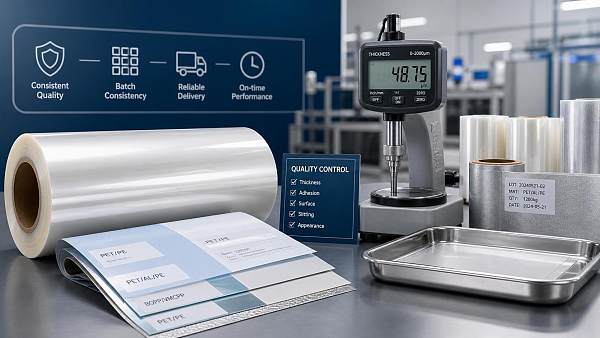
Films: Gauge, Yield, and Barrier Performance
Film purchasing often looks simple, but yield is where costs really move.
A lower micron film may cut cost per roll.
Yet if breakage rises, the reorder benefit disappears.
For BOPP or PET, tensile strength, barrier quality, and sealing behavior matter together.
A weak balance can trigger spoilage, returns, or repacking costs.
Labels: Adhesive Complexity and Compliance Risk
Anti-counterfeit labels carry more than print cost.
Their value depends on adhesive design, tamper evidence, and scan reliability.
Cold-chain use adds another layer.
If labels fail at low temperature, relabeling and traceability risk become expensive immediately.
Ribbons and Inks: Durability Versus Printhead Economics
Thermal transfer ribbons are often under-budgeted.
Buyers compare roll prices, but durability is the better cost signal.
If the barcode fades, reshipment and manual correction costs follow.
If the ribbon is too abrasive, printheads wear out sooner.
That turns a consumable decision into a maintenance cost problem.
Cushioning: Protection Level, Cube Efficiency, and Sustainability
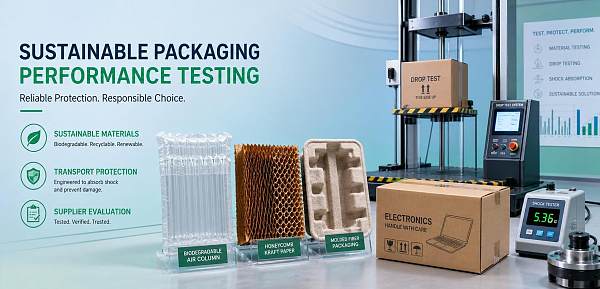
Biodegradable cushioning can reduce environmental exposure, but not every format behaves the same.
Air columns, molded fiber, and honeycomb paper affect pack speed differently.
They also change storage footprint and outbound dimensional weight.
So the cheapest cushioning quote may still increase shipping spend.
The Hidden Packaging Consumables Costs That Distort Reorder Timing
Reorder planning usually fails when only visible spend is measured.
Several hidden cost drivers deserve attention before approving repeat orders.
- Waste rate: trim loss, damaged rolls, misapplied labels, and unusable partial stock.
- Downtime cost: machine stops caused by inconsistent coating or weak converting quality.
- Freight exposure: rush replenishment, container imbalance, and fuel-related surcharges.
- Inventory aging: overbuying specialized Packaging Consumables that later become obsolete.
- Compliance risk: regulatory changes that force relabeling or packaging redesign.
These items rarely appear clearly in a supplier quote.
Still, they strongly influence reorder timing and approval confidence.
A lower invoice price can create a higher monthly cash drain.
How Supplier Behavior Changes Packaging Consumables Economics
Supplier reliability is a direct cost driver, not a soft consideration.
This becomes more obvious during repeat purchases.
Lead times may stretch, coating batches may vary, or MOQs may rise.
Each shift affects cash flow and replenishment safety stock.
A practical review should cover more than price history.
- Track quote validity periods and frequency of price revisions.
- Measure on-time delivery across at least three reorder cycles.
- Check batch consistency for film thickness, adhesive behavior, or ribbon transfer.
- Review technical support speed when packaging line issues appear.
- Confirm backup production capacity for critical Packaging Consumables.
In real operations, supplier volatility often costs more than small unit-price gaps.
That is especially true for high-barrier films and security labeling systems.
A Simple Reorder Planning Framework for Better Cost Control
A useful reorder model should connect technical performance with financial impact.
This keeps Packaging Consumables decisions grounded in reality.
Step 1: Separate Core Spend from Volatile Spend
Identify which Packaging Consumables are stable and which move with markets.
Films and ribbons often show stronger raw material volatility.
Special labels may show stronger compliance volatility.
Step 2: Convert Usage into Functional Cost
Do not stop at purchase price.
Measure cost per packed unit, per printed label, or per protected shipment.
That reveals whether a premium spec actually lowers total spend.
Step 3: Build Trigger Points for Reorder Review
Set thresholds for raw material changes, lead time expansion, and failure rates.
When a trigger hits, the reorder should be reassessed, not auto-renewed.
Step 4: Tie Inventory to Risk, Not Habit
Some Packaging Consumables justify extra buffer stock.
Others should stay lean because specifications change too often.
This reduces cash lockup without increasing service risk.
What Stronger Approval Decisions Usually Have in Common
The strongest purchasing decisions usually share three habits.
- They compare total performance cost, not only quoted unit price.
- They challenge old specifications when usage data no longer supports them.
- They treat supplier consistency as a measurable financial variable.
This matters across films, labels, cushioning, ribbons, and decorative foils.
Each category has its own technical language.
But the financial logic is the same.
Better visibility into cost drivers produces better reorder timing.
Final Takeaway
Packaging Consumables planning works best when technical detail meets commercial discipline.
The goal is not simply to buy cheaper.
It is to reorder at the right time, with the right specification, and the right supplier risk profile.
When film yield, label integrity, ribbon durability, cushioning efficiency, and compliance exposure are reviewed together, decision quality improves fast.
That also means fewer surprises in budget reviews and fewer emergency purchases.
Start with the cost drivers behind your most frequently reordered Packaging Consumables.
Then build a repeatable review process that turns every reorder into a smarter cost decision.
Recommended News
 Aug 08, 2026How to Evaluate a Coating Materials Supplier for Consistent Quality and Lead TimesCoating materials supplier selection starts with the right questions. Learn how to compare quality consistency, process control, and lead-time reliability to reduce sourcing risk.
 Aug 03, 2026How High-Speed Labeling Technology Affects Accuracy and Throughput in PharmaceuticalsHigh-speed labeling technology pharmaceuticals depend on shapes accuracy, throughput, and compliance. Learn how materials, printing, and inspection drive reliable pharmaceutical packaging performance.
 Aug 02, 2026How to Choose Packaging for PCB Components Based on ESD and Moisture RiskPackaging for PCB components starts with risk, not bag type. Learn how to balance ESD, moisture, handling, and assembly needs to protect yield and choose smarter packaging.
 Jul 30, 2026How to Evaluate Throughput, Accuracy, and Downtime in High Speed Labeling SystemsHigh speed labeling systems should be judged by real throughput, labeling accuracy, and downtime recovery—not brochure speed. Learn how to compare machines for stable output and fewer stoppages.
 Jul 29, 2026How to Choose Food Grade Eco Friendly Packaging Materials for Moisture and Grease ResistanceEco friendly packaging materials food grade: learn how to choose options that balance moisture and grease resistance, food-contact compliance, and sustainability for safer, smarter packaging.
 Jul 27, 2026How to Evaluate a Thermal Labels Supplier for Cost, Quality, and Lead TimeThermal labels supplier evaluation guide: learn how to compare cost, print quality, adhesive performance, compliance, and lead time to reduce risk and choose a reliable partner.
 Jul 23, 2026How to Evaluate Industrial Label Systems for Durability and Total CostIndustrial label systems: learn how to compare durability, compliance, barcode performance, and total cost to reduce failures, control sourcing risk, and choose smarter long-term solutions.
 Jul 15, 2026Pressure Sensitive Label Materials Factory Audit Checklist for Stable QualityPressure sensitive label materials factory audit checklist for buyers: verify coating control, traceability, compliance, and lot consistency to reduce label failure risk.
 Jul 13, 2026How to Evaluate a Sustainable Cushioning Materials Supplier in 2026Sustainable cushioning materials supplier selection in 2026 starts with protection, proof, and scale. Learn how to compare claims, compliance, and total cost with confidence.
 Jul 12, 2026Metallic Cosmetic Packaging Materials: What Affects Finish, Durability, and Brand FitMetallic cosmetic packaging materials shape finish, durability, and brand appeal. Learn what affects gloss, scuff resistance, compliance, and cost before choosing the right premium pack.
 Jul 12, 2026How to Compare Metallic Luxury Packaging Materials for Premium Shelf ImpactMetallic luxury packaging materials compared: learn how to assess shelf impact, durability, print fit, compliance, and cost to choose premium packaging that converts.
 Jul 11, 2026Thermal Labels for Barcode Printing: Top Mistakes That Raise Replacement CostsThermal labels for barcode printing can drive hidden replacement costs when materials miss real conditions. Discover the top mistakes, how to prevent scan failures, and choose labels that cut waste.
 Jul 05, 2026Industrial Adhesive Technology for Laminating: Key Factors for Material SelectionIndustrial adhesive technology for laminating: discover how to choose the right chemistry for better bonding, faster converting, compliance, and lower total packaging cost.
 Jul 04, 2026Decorative Packaging Foils Supplier Middle East: 6 Checks Before You ShortlistDecorative packaging foils supplier Middle East guide: discover 6 practical checks to compare quality, compliance, lead times, and total value before you shortlist a vendor.
 Jul 03, 2026Protective Packaging Cost Breakdown: Material, Labor, Storage, and Damage RiskProtective Packaging cost goes beyond material price. Learn how labor, storage, and damage risk shape total packaging spend, and discover smarter ways to cut costs without hurting performance.
 Jul 02, 2026High Speed Labeling Supplier Checklist: Downtime, Accuracy, and SupportHigh speed labeling supplier checklist: compare downtime risk, label accuracy, material fit, and after-sales support to cut hidden costs and choose a more reliable production partner.
 Jun 30, 2026Embossed Shelf Packaging: When It Improves Impact and When It Adds CostEmbossed shelf packaging can boost shelf impact, grip, and premium appeal—but when does it justify the extra cost? Explore practical value, risks, and smarter packaging decisions.
 Jun 30, 2026How to Choose Thermal Labels for Barcode Printing That Scan ReliablyThermal labels for barcode printing: learn how to match face stock, adhesive, printer, and ribbon for reliable scans, fewer failures, and better supply chain performance.
 Jun 29, 2026How to Choose Packaging Materials for Luxury Goods Without Raising Damage RatesPackaging materials for luxury goods should balance premium appearance with real transit protection. Learn how to cut damage, control costs, and keep brand value intact.
 Jun 28, 2026Private Label Packaging Boxes: 7 Cost Risks Before You Place an OrderPrivate label packaging boxes can look cheap upfront but hide costly risks. Discover 7 pricing traps before you order and compare suppliers with more confidence.
 Jun 27, 2026Packaging Material Guide Supplier List: How to Shortlist Vendors by ApplicationPackaging material guide supplier list: learn how to shortlist vendors by real application needs, testing barrier, labels, cushioning, ribbons, and foils for lower risk and better performance.
 Jun 27, 2026Private Label Packaging Boxes: Common Quality Risks Before Mass ProductionPrivate label packaging boxes can fail in shipping, retail, or cold-chain use. Discover key pre-production quality risks, practical checks, and smart ways to prevent costly mass-production issues.
 Jun 26, 2026What to Check Before Choosing a Luxury Brand Packaging SupplierChoose the right luxury brand packaging supplier with confidence. Learn what to check for quality, security, sustainability, consistency, and cost to protect your brand and boost shelf appeal.
 Jun 26, 2026How to Use Packaging Specification Resources to Prevent Costly Print ErrorsPackaging specification resources help prevent costly print errors by clarifying artwork, materials, color targets, and approvals. Learn practical steps to reduce rework, delays, and quality risks.