Search News
Industry Portal
Hot Articles
- How to verify FDA compliance for packaging inks used on food packagingPackaging inks FDA compliant? Learn how to verify food-contact safety through regulatory citations, migration testing, supplier declarations, and process controls.
- When do holographic foils add value to luxury goods packaging?Packaging materials for luxury goods gain impact with holographic foils that elevate shelf appeal, authenticity, and premium unboxing—learn when this finish delivers real value.
- Can nano encryption technology stop counterfeit labels from being copied?Nano encryption technology anti counterfeit labels combine physical security, tamper evidence, and serialization to make copying harder. Explore smarter protection.
Popular Tags
Luxury Packaging Materials: Where Premium Cost Pays Off
Time
Click Count
Luxury Packaging Materials: Where Premium Cost Pays Off
For business evaluators, luxury packaging materials are not just a branding expense.
They are a strategic investment in protection, authentication, shelf impact, and customer trust.
From high-barrier films and tamper-evident labels to metallized foils and eco-friendly cushioning, premium materials reduce measurable risk.
They can lower damage rates, deter counterfeiting, support compliance, and justify higher perceived value.
This article examines where the added cost truly pays off through performance, risk reduction, and differentiation.
Core Definition of Luxury Packaging Materials
Luxury packaging materials are advanced substrates, coatings, films, labels, inks, and cushioning systems used to elevate product protection and presentation.
The term does not only mean beautiful paper, rigid boxes, or metallic decoration.
In modern packaging, luxury packaging materials combine physical armor, digital identity, and controlled sensory impact.
A premium perfume carton, medical device kit, or luxury electronics pack may depend on multiple technical layers.
These layers include barrier films, pressure-sensitive adhesives, holographic foils, anti-tamper labels, and engineered protective cushioning.
The true value appears when packaging failure would cost more than the material upgrade.
That failure may involve leakage, oxidation, abrasion, counterfeiting, regulatory rejection, or weak shelf conversion.
Therefore, luxury packaging materials should be evaluated as functional assets, not decorative extras.
Main Technical Families
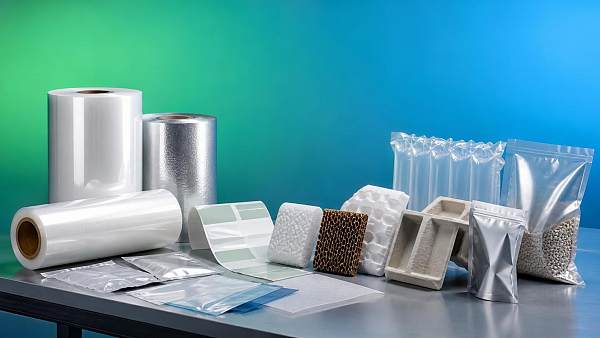
- High-barrier BOPP, PET, and specialty films for moisture, oxygen, aroma, and dust control.
- Anti-counterfeit adhesive labels, including tamper-evident, destructible, and traceable label structures.
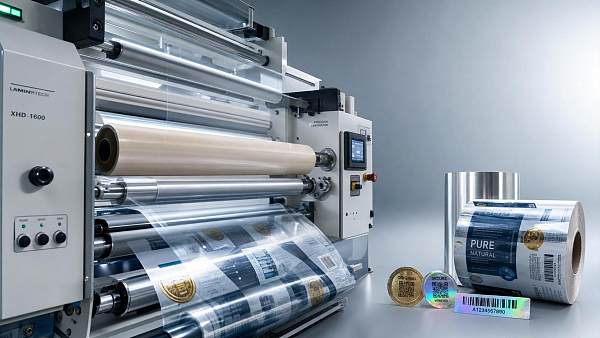
- Hot and cold stamping foils for metallic shine, holographic effects, and premium recognition.
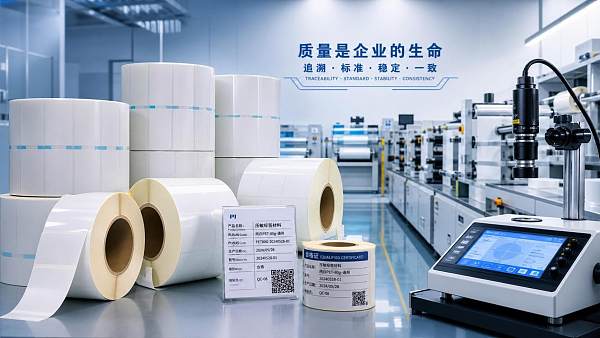
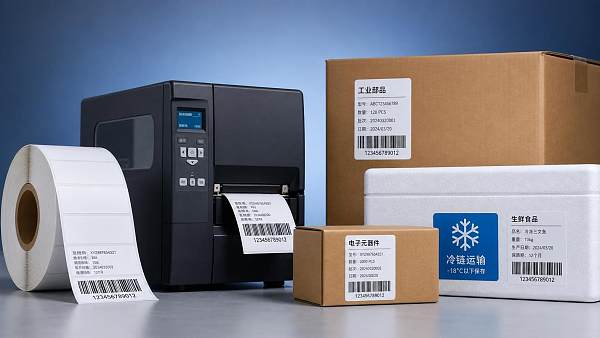
- Thermal transfer ribbons and durable inks for barcodes, logistics labels, and variable data.
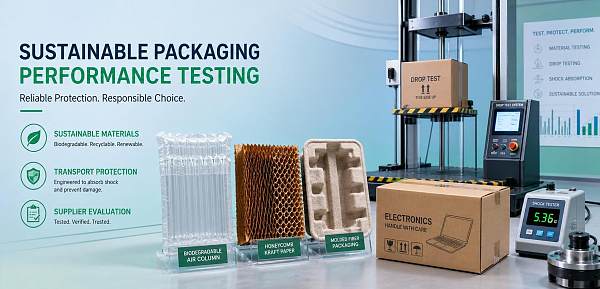
- Biodegradable cushioning, paper honeycomb, molded pulp, and lightweight protective inserts.
Industry Background and Current Signals
Across consumer goods, electronics, pharmaceuticals, food, and cosmetics, packaging is facing stronger performance pressure.
Global logistics is faster, harsher, and more fragmented than traditional retail distribution.
A product may face warehouse friction, temperature swings, courier compression, humidity, and repeated barcode scanning.
At the same time, shelves and digital marketplaces demand instant recognition.
This is why luxury packaging materials increasingly sit at the intersection of safety, authenticity, sustainability, and aesthetics.
The strongest cases for luxury packaging materials occur when several of these signals overlap.
For example, premium skincare needs barrier stability, elegant shine, anti-diversion labels, and recyclable direction.
High-value electronics need shock resistance, moisture control, serial traceability, and clean unboxing presentation.
Where Premium Cost Pays Off
The premium cost of luxury packaging materials pays off when it controls losses that are otherwise hidden.
These losses include returns, rejected shipments, repacking labor, customer complaints, leakage, and brand dilution.
Protection Against Product Failure
High-barrier films protect products sensitive to oxygen, water vapor, grease, aroma loss, or electrostatic contamination.
BOPP and PET films gain strength through biaxial orientation, where polymer chains align in two directions.
This gives thin films impressive tensile resistance, clarity, and dimensional stability.
For snacks, electronics, nutraceuticals, and precision components, luxury packaging materials can protect saleable condition.
The upgrade is justified when minor film savings create larger spoilage, moisture, or complaint costs.
Authentication and Tamper Evidence
Counterfeiting changes packaging from a container into a security system.
Tamper-evident labels, VOID films, destructible labels, and security adhesives create visible evidence of interference.
Advanced adhesive chemistry balances tack, holding power, low-temperature performance, and clean application.
For pharmaceuticals, spirits, luxury accessories, and cosmetics, luxury packaging materials protect trust and traceability.
They also support investigations through serial codes, variable data, QR systems, and covert authentication layers.
Visual Shelf Impact
Premium visual effects work because attention is scarce.
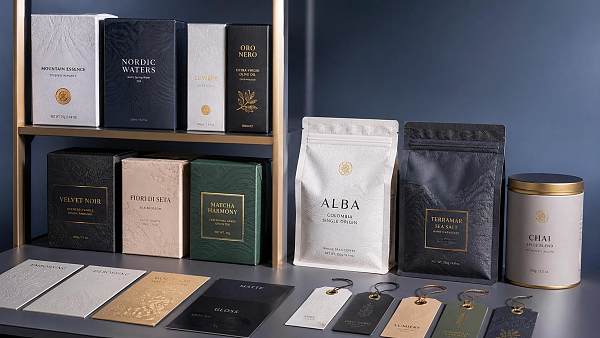
Metallized foils, cold stamping, hot stamping, embossing, and holographic effects create fast visual contrast.
These luxury packaging materials signal value before the product is touched, opened, or compared in detail.
The payback is strongest where purchase decisions depend on perceived quality and gifting appeal.
However, decorative investment should not weaken recyclability, scuff resistance, or finishing consistency.
Data Durability in Logistics
A beautiful package still fails if its barcode becomes unreadable.
Thermal transfer ribbons and resin inks create durable variable data for labels and shipping systems.
They resist sunlight, moisture, rubbing, chemicals, and temperature stress better than basic marks.
In high-volume parcel flows, these luxury packaging materials protect movement, scanning, and inventory accuracy.
Typical Application Categories
Different categories need different premium material logic.
A luxury wine box and a cold-chain medical label do not justify cost in the same way.
These categories show why luxury packaging materials should be specified by risk profile.
The right specification connects material science with distribution stress and brand positioning.
Sustainability and Compliance Considerations
Premium packaging is now expected to prove environmental discipline.
Regulations such as Europe’s PPWR push packaging toward recyclability, waste reduction, and responsible material selection.
This changes the definition of luxury packaging materials.
A premium material is no longer luxurious if it creates avoidable disposal or compliance problems.
Mono-material structures, lightweight films, biodegradable cushioning, and paper honeycomb can reduce environmental exposure.
PLA and PBAT air columns may replace traditional foam where compostability or degradation is relevant.
Molded pulp and kraft honeycomb can offer strong geometry with better recycling compatibility.
Yet sustainability claims must match actual infrastructure, certification, and end-of-life conditions.
For luxury packaging materials, the strongest route is often lightweighting without performance loss.
Using less material, while keeping protection intact, can reduce cost, emissions, and regulatory pressure.
Evaluation Framework for Premium Material Decisions
The decision should not begin with unit price.
It should begin with total cost of failure and total value created.
Luxury packaging materials deserve investment when they improve measurable outcomes across the product journey.
- Define the main risk: impact, moisture, oxygen, tampering, abrasion, or weak shelf appeal.
- Measure baseline losses, including damage rate, returns, complaints, and repacking costs.
- Test materials under real transit, storage, temperature, and handling conditions.
- Confirm compatibility with filling lines, labeling speeds, adhesives, and sealing systems.
- Check recyclability, restricted substances, migration limits, and regional compliance demands.
- Compare visual gains against finishing defects, scuffing, delamination, and color variation.
- Use lifecycle and procurement data to calculate payback beyond purchase price.
This framework prevents over-specification and under-specification.
It also reveals where luxury packaging materials create value that conventional quotations cannot show.
Practical Notes for Specification and Testing
Premium materials should be validated before large-scale adoption.
Laboratory performance matters, but production reality decides success.
- For films, test barrier rate, tensile strength, seal strength, haze, and puncture resistance.
- For labels, test peel force, cold resistance, aging, surface energy, and tamper evidence.
- For foils, test adhesion, registration accuracy, rub resistance, gloss, and recyclability impact.
- For ribbons, test scan grade after abrasion, humidity, heat, and chemical exposure.
- For cushioning, test drop height, compression recovery, vibration, and packaging volume efficiency.
Luxury packaging materials should also be checked against machine uptime.
A beautiful label that slows application may add hidden operational cost.
A thinner stretch film that breaks frequently may erase material savings.
The best premium choice performs well on both the shelf and the production line.
Strategic Value of Material Intelligence
Advanced packaging decisions require close reading of chemistry, polymer physics, regulation, and procurement data.
This is where packaging intelligence creates practical advantage.
High-barrier films, pressure-sensitive adhesives, thermal ribbons, and foils are not isolated consumables.
They operate as connected layers in a larger protection and identification system.
The strongest luxury packaging materials combine irreducible performance with credible environmental direction.
They defend products physically, communicate quality visually, and preserve readable data throughout distribution.
This balanced approach reflects the future of premium packaging.
It is not excess material, but smarter material placed where risk and value are highest.
Actionable Next Steps
Start by mapping the product journey from factory exit to final opening.
Identify every point where damage, counterfeiting, unreadable data, or weak presentation can reduce value.
Then match each risk with specific luxury packaging materials and measurable test criteria.
Use pilot runs to compare standard and premium structures under identical conditions.
Track damage reduction, scan reliability, shelf response, compliance exposure, and material efficiency.
The right investment becomes clear when data connects material cost with avoided loss and stronger market value.
In that context, luxury packaging materials are not decoration.
They are the physical armor, visual signal, and trusted identity of premium goods.
Recommended News
 Sep 09, 2026How to assess a water based adhesive materials factory’s quality controlWater based adhesive materials factory quality control: learn how to audit traceability, batch consistency, testing, and change control for safer sourcing.
 Sep 08, 2026How to qualify an electronic protective materials supplier for ESD controlLearn how to qualify an electronic protective materials supplier for reliable ESD control with test data, traceability, lot consistency, and packaging checks.
 Aug 18, 2026What to check before choosing a cryogenic labels supplierCryogenic labels supplier selection starts with performance, not price. Learn what to check for adhesion, print durability, compliance, and supply reliability before you buy.
 Aug 16, 2026How to measure packaging sustainability metrics that actually matterPackaging sustainability metrics that actually matter: learn how to compare carbon, recyclability, performance, and operational yield to make smarter packaging decisions.
 Aug 11, 2026How Low Migration Label Adhesive Technology Supports Food Packaging ComplianceLabel adhesive technology low migration explained: learn how to reduce migration risk, improve food packaging compliance, and choose label constructions that balance safety, performance, and approvals.
 Aug 10, 2026How to Choose Transfer Foils for Labels Based on Print Method and DurabilityTransfer foils for labels: learn how to choose the right option by print method, substrate, and durability needs to improve label performance, reduce rework, and achieve a premium finish.
 Aug 08, 2026How to Evaluate a Coating Materials Supplier for Consistent Quality and Lead TimesCoating materials supplier selection starts with the right questions. Learn how to compare quality consistency, process control, and lead-time reliability to reduce sourcing risk.
 Aug 03, 2026How High-Speed Labeling Technology Affects Accuracy and Throughput in PharmaceuticalsHigh-speed labeling technology pharmaceuticals depend on shapes accuracy, throughput, and compliance. Learn how materials, printing, and inspection drive reliable pharmaceutical packaging performance.
 Aug 02, 2026How to Choose Packaging for PCB Components Based on ESD and Moisture RiskPackaging for PCB components starts with risk, not bag type. Learn how to balance ESD, moisture, handling, and assembly needs to protect yield and choose smarter packaging.
 Jul 30, 2026How to Evaluate Throughput, Accuracy, and Downtime in High Speed Labeling SystemsHigh speed labeling systems should be judged by real throughput, labeling accuracy, and downtime recovery—not brochure speed. Learn how to compare machines for stable output and fewer stoppages.
 Jul 29, 2026How to Choose Food Grade Eco Friendly Packaging Materials for Moisture and Grease ResistanceEco friendly packaging materials food grade: learn how to choose options that balance moisture and grease resistance, food-contact compliance, and sustainability for safer, smarter packaging.
 Jul 27, 2026How to Evaluate a Thermal Labels Supplier for Cost, Quality, and Lead TimeThermal labels supplier evaluation guide: learn how to compare cost, print quality, adhesive performance, compliance, and lead time to reduce risk and choose a reliable partner.
 Jul 23, 2026How to Evaluate Industrial Label Systems for Durability and Total CostIndustrial label systems: learn how to compare durability, compliance, barcode performance, and total cost to reduce failures, control sourcing risk, and choose smarter long-term solutions.
 Jul 15, 2026Pressure Sensitive Label Materials Factory Audit Checklist for Stable QualityPressure sensitive label materials factory audit checklist for buyers: verify coating control, traceability, compliance, and lot consistency to reduce label failure risk.
 Jul 13, 2026How to Evaluate a Sustainable Cushioning Materials Supplier in 2026Sustainable cushioning materials supplier selection in 2026 starts with protection, proof, and scale. Learn how to compare claims, compliance, and total cost with confidence.
 Jul 12, 2026Metallic Cosmetic Packaging Materials: What Affects Finish, Durability, and Brand FitMetallic cosmetic packaging materials shape finish, durability, and brand appeal. Learn what affects gloss, scuff resistance, compliance, and cost before choosing the right premium pack.
 Jul 12, 2026How to Compare Metallic Luxury Packaging Materials for Premium Shelf ImpactMetallic luxury packaging materials compared: learn how to assess shelf impact, durability, print fit, compliance, and cost to choose premium packaging that converts.
 Jul 11, 2026Thermal Labels for Barcode Printing: Top Mistakes That Raise Replacement CostsThermal labels for barcode printing can drive hidden replacement costs when materials miss real conditions. Discover the top mistakes, how to prevent scan failures, and choose labels that cut waste.
 Jul 05, 2026Industrial Adhesive Technology for Laminating: Key Factors for Material SelectionIndustrial adhesive technology for laminating: discover how to choose the right chemistry for better bonding, faster converting, compliance, and lower total packaging cost.
 Jul 04, 2026Decorative Packaging Foils Supplier Middle East: 6 Checks Before You ShortlistDecorative packaging foils supplier Middle East guide: discover 6 practical checks to compare quality, compliance, lead times, and total value before you shortlist a vendor.
 Jul 03, 2026Protective Packaging Cost Breakdown: Material, Labor, Storage, and Damage RiskProtective Packaging cost goes beyond material price. Learn how labor, storage, and damage risk shape total packaging spend, and discover smarter ways to cut costs without hurting performance.
 Jul 02, 2026High Speed Labeling Supplier Checklist: Downtime, Accuracy, and SupportHigh speed labeling supplier checklist: compare downtime risk, label accuracy, material fit, and after-sales support to cut hidden costs and choose a more reliable production partner.
 Jun 30, 2026Embossed Shelf Packaging: When It Improves Impact and When It Adds CostEmbossed shelf packaging can boost shelf impact, grip, and premium appeal—but when does it justify the extra cost? Explore practical value, risks, and smarter packaging decisions.
 Jun 30, 2026How to Choose Thermal Labels for Barcode Printing That Scan ReliablyThermal labels for barcode printing: learn how to match face stock, adhesive, printer, and ribbon for reliable scans, fewer failures, and better supply chain performance.