Search News
Industry Portal
Hot Articles
- How to verify FDA compliance for packaging inks used on food packagingPackaging inks FDA compliant? Learn how to verify food-contact safety through regulatory citations, migration testing, supplier declarations, and process controls.
- When do holographic foils add value to luxury goods packaging?Packaging materials for luxury goods gain impact with holographic foils that elevate shelf appeal, authenticity, and premium unboxing—learn when this finish delivers real value.
- Can nano encryption technology stop counterfeit labels from being copied?Nano encryption technology anti counterfeit labels combine physical security, tamper evidence, and serialization to make copying harder. Explore smarter protection.
Popular Tags
Oxygen Barrier Packaging Options for Shelf Life Gains
Time
Click Count
For business decision-makers, oxygen barrier packaging is a practical tool for extending shelf life, preserving quality, and lowering avoidable waste.
The right structure can slow oxidation, stabilize flavor, protect active ingredients, and support better logistics performance across global markets.
This matters across food, pharmaceuticals, electronics, and premium goods, where oxygen exposure can trigger spoilage, discoloration, corrosion, or potency loss.
Choosing oxygen barrier packaging should therefore balance barrier level, converting compatibility, sustainability, cost, and shelf presentation.
Within that decision process, PPCS follows how films, coatings, labels, and print systems work together as both physical protection and commercial value drivers.
Why oxygen barrier packaging decisions change by application scene
Not every product needs the same oxygen barrier packaging performance, even when shelf life is the main goal.
A dry snack faces aroma loss and rancidity risk.
A sterile medical product may require stability, traceability, and seal integrity under regulated storage conditions.
An electronic component may need oxygen and moisture resistance together, especially during long export transit.
That is why oxygen barrier packaging options should be judged by product sensitivity, fill process, target shelf life, and market route.
Barrier data alone is not enough.
The full packaging system includes film structure, sealing window, adhesive performance, print durability, and compliance with regional packaging rules.
Scene 1: Food products where oxidation directly cuts shelf life
Food is the most visible scene for oxygen barrier packaging because oxygen can quickly damage taste, color, texture, and nutrition.
Snack foods, roasted coffee, nuts, processed meats, dairy powders, and sauces all respond differently to oxygen ingress.
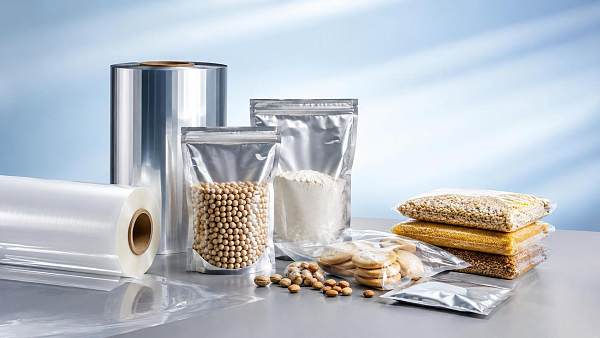
Flexible multilayer films for snacks, coffee, and dry foods
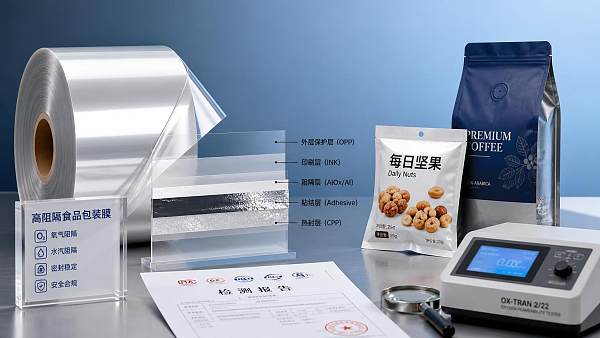
For dry foods, multilayer flexible films remain a leading oxygen barrier packaging option.
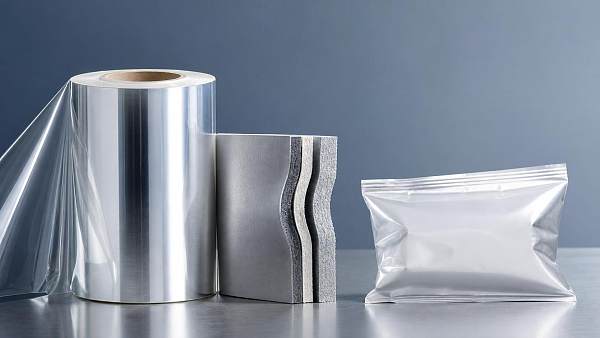
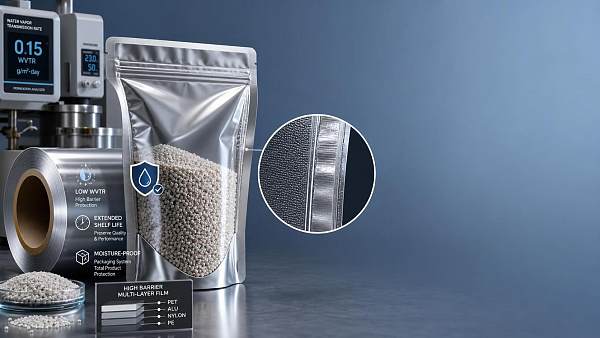
Common choices include PET or BOPP combined with metallized layers, EVOH, or aluminum foil.
Metallized BOPP offers a cost-effective barrier for chips and biscuits, while foil laminates provide stronger oxygen and light protection.
Coffee often needs higher performance because aroma retention matters as much as oxidation control.
In that case, degassing valves, excellent seals, and puncture resistance become part of the oxygen barrier packaging decision.
Rigid and semi-rigid formats for sauces, dairy, and prepared foods
Trays, cups, bottles, and thermoformed packs are common where convenience and product visibility are important.
EVOH coextrusions are widely used in oxygen barrier packaging for these formats because they deliver strong barrier at thin gauges.
However, EVOH performance can change with humidity, so surrounding layers and actual storage conditions must be checked carefully.
Modified atmosphere packaging may also improve results, but only if the film and sealing system maintain gas balance over time.
Scene 2: Healthcare and pharmaceutical products where protection meets compliance
In healthcare packaging, oxygen barrier packaging supports product stability, but the choice extends beyond barrier numbers.
Materials must also support sterility, validation, lot identification, and anti-tamper requirements.
Blister packs, pouches, and lidding structures
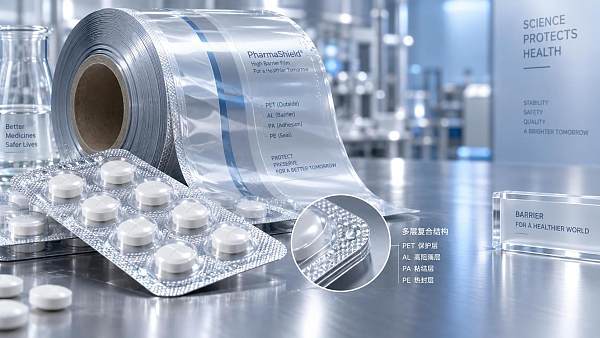
Blister packaging often uses high-barrier films or foil-based lidding when tablets are highly oxygen-sensitive.
For diagnostic kits and medical consumables, pouches may combine PET, foil, and sealant layers to create dependable oxygen barrier packaging.
The best option depends on product sensitivity, sterilization method, and required shelf life in distribution.
Labels and print durability inside regulated systems
Barrier packaging in healthcare is incomplete without reliable labeling and coding.
Thermal transfer ribbons, cold-chain labels, and tamper-evident adhesives support traceability and compliance under demanding handling conditions.
This systems view aligns with PPCS intelligence, where micro-coatings, adhesives, and films are judged as one protective architecture.
Scene 3: Electronics and industrial goods needing combined barrier protection
Not all oxygen barrier packaging decisions are driven by food shelf life.
Electronics, metal parts, and sensitive industrial items may also need oxygen control to reduce oxidation and corrosion during storage.
For these products, oxygen barrier packaging often works alongside moisture barrier needs, static control, and mechanical protection.
High-barrier PET structures, foil laminates, and specialty pouches are common choices for long export routes or high-value parts.
If goods travel through humid ports, tropical climates, or long warehouse cycles, barrier failure can translate into returns and hidden quality costs.
Scene 4: Premium consumer goods where shelf impact matters with protection
Cosmetics, nutraceuticals, specialty beverages, and premium personal care products often need oxygen barrier packaging with visual differentiation.
Here, the package is both a protective shell and a shelf communication tool.
Metallized films, hot stamping foils, and high-definition labels can reinforce premium positioning while supporting barrier performance.
The challenge is avoiding decorative choices that weaken recyclability, sealing, or line efficiency.
Strong oxygen barrier packaging should not create avoidable complexity in recovery streams or compliance reporting.
How oxygen barrier packaging needs differ across scenes
Practical selection advice for better oxygen barrier packaging outcomes
- Define the real failure mode first, such as rancidity, discoloration, corrosion, or ingredient loss.
- Match oxygen barrier packaging to actual distribution time, not ideal warehouse assumptions.
- Check how humidity, light, and temperature interact with oxygen sensitivity.
- Review sealing performance, puncture resistance, and print durability with the barrier layer.
- Compare recyclable mono-material routes against multilayer performance needs early.
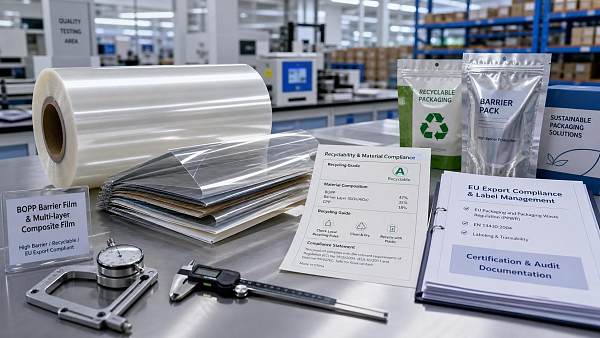
- Verify regional compliance, especially where packaging waste regulation is tightening.
In many projects, the best oxygen barrier packaging solution is not the highest barrier material.
It is the structure that meets shelf life goals without overengineering cost, weight, or end-of-life complexity.
Common mistakes that reduce shelf life gains
A common error is focusing only on oxygen transmission rate while ignoring sealing weakness.
Another mistake is selecting strong barrier films without testing machine compatibility at production speed.
Some projects also overlook how labels, inks, and decorative finishes affect recycling claims or package performance.
In export environments, teams may underestimate climate shifts between plant, port, container, and retail storage.
These gaps can erase the expected value of oxygen barrier packaging, even when laboratory data looked strong.
Next steps for evaluating the right oxygen barrier packaging option
Start with a short list of products where oxidation creates measurable waste, complaints, or shelf life limits.
Then compare current packaging against target barrier, sealing, compliance, and branding requirements.
Pilot two or three oxygen barrier packaging structures under realistic transport and storage conditions.
Include film behavior, label durability, coding readability, and sustainability claims in the evaluation.
PPCS supports this broader view by connecting high-barrier films, specialty adhesives, traceability systems, and coating intelligence into one decision framework.
When oxygen barrier packaging is chosen by scene rather than by habit, shelf life gains become more predictable, scalable, and commercially useful.
Recommended News
 Sep 10, 2026How pharmaceutical film technology affects moisture protection in blister packsPharmaceutical film technology for blister packs: learn how barrier films, WVTR, thermoforming, and seal integrity protect moisture-sensitive medicines and support reliable compliance.
 Sep 05, 2026How to choose food-grade flexible packaging films for dry foodsFlexible Packaging Films food grade guide: choose the right barrier, seal strength, compliance, and durability to protect dry foods and extend shelf life.
 Sep 03, 2026How film label materials affect label durability in refrigerated storageFilm label materials play a critical role in refrigerated durability. Learn how films, adhesives, printing, and moisture resistance protect labels in cold storage.
 Aug 24, 2026How to evaluate barrier film suppliers in Europe for food packagingBarrier film Europe sourcing made practical: learn how to assess food packaging suppliers on barrier performance, compliance, machinability, and total cost before you buy.
![]() Aug 14, 2026EU PPWR enforcement: BOPP high barrier film exports need to pay attention to labeling complianceEU PPWR enforcement makes BOPP high barrier film exports to Europe focus on labeling compliance. Learn the key rules on recycling marks, recycled content, and recyclability claims before 2026.
Aug 14, 2026EU PPWR enforcement: BOPP high barrier film exports need to pay attention to labeling complianceEU PPWR enforcement makes BOPP high barrier film exports to Europe focus on labeling compliance. Learn the key rules on recycling marks, recycled content, and recyclability claims before 2026. Aug 13, 2026EU PPWR Takes Effect for BOPP Barrier FilmsEU PPWR takes effect for BOPP barrier films on Aug 12, 2026. Learn the new labeling, recycled content, and life-cycle declaration rules shaping EU import compliance.
 Aug 13, 2026Barrier Packaging for Pet Food: How to Choose the Right Moisture and Oxygen BarrierBarrier packaging for pet food explained: learn how to choose the right moisture and oxygen barrier to protect freshness, shelf life, seals, and sustainability goals.
 Aug 12, 2026EU PPWR Now in Force: BOPP Barrier Films Face Labeling RulesEU PPWR now in force puts BOPP barrier films under stricter labeling rules. Learn how recyclability, composition, and recycled content disclosures affect EU market access.
 Aug 12, 2026How to Evaluate Recyclable Mono Material Packaging for Barrier Performance and ReprocessingRecyclable mono material packaging: learn how to assess barrier performance, seal reliability, and reprocessing suitability to choose packaging that supports recyclability without sacrificing product protection.
 Aug 11, 2026EU PPWR Rules Now Mandate Labels on BOPP Barrier FilmsEU PPWR rules now require labels on BOPP barrier films sold in Europe. Learn the 15% recycled content, material ID, and customs compliance steps exporters must act on now.
 Aug 10, 2026PPWR Rule Takes Effect for BOPP Barrier Film LabelsPPWR Rule takes effect for BOPP barrier film labels in the EU from August 10, 2026. Learn key ARL Code, recyclability, and compliance steps to avoid customs risk and penalties.
 Aug 09, 2026EU PPWR Rule Takes Effect for BOPP Barrier FilmsEU PPWR rule now applies to BOPP barrier films entering the EU. Learn the new labeling, material ratio, and recyclability requirements to avoid customs delays and rising compliance costs.
 Aug 08, 2026PPWR Rule Takes Effect for BOPP Barrier FilmsPPWR rule takes effect for BOPP barrier films in the EU from August 8, 2026. Learn how labeling, material ratio disclosure, customs compliance, and technical file updates may impact exports.
 Aug 07, 2026EU PPWR Rule Takes Effect for BOPP Barrier FilmsEU PPWR rule takes effect for BOPP barrier films, requiring recycling labels, material composition percentages, and recyclability claims. See what exporters must act on now.
 Aug 07, 2026How to Choose a Low WVTR Barrier Film for Moisture-Sensitive PackagingLow WVTR barrier film selection starts with product moisture sensitivity, seal performance, and converting reality. Learn how to compare structures, reduce risk, and choose packaging that protects shelf life.
 Aug 06, 2026EU PPWR Rule Takes Effect for BOPP Barrier Film LabelsEU PPWR rule now reshapes BOPP barrier film labels in the EU. Learn mandatory labeling, recyclability claims, customs risks, and how exporters can stay compliant.
 Aug 05, 2026EU PPWR Rule Takes Effect for BOPP Barrier FilmsEU PPWR rule now reshapes BOPP barrier films in the EU market. Learn mandatory labeling, recyclability, traceability, and customs compliance risks before exports are delayed.
 Aug 04, 2026EU PPWR Rules Now Apply to BOPP Barrier Film LabelsEU PPWR rules now apply to BOPP barrier film labels. Learn the new EU labeling, recyclability, and material disclosure requirements to avoid customs delays, fines, and compliance risks.
 Aug 03, 2026EU PPWR Rules Take Effect for BOPP Barrier Film LabelsEU PPWR rules now require BOPP barrier film labels to show recycling marks, material ratios, and recyclability claims. Learn how to avoid customs delays, fines, and supply chain disruption.
 Aug 02, 2026EU PPWR Rule Takes Effect for BOPP Barrier FilmsEU PPWR rule for BOPP barrier films takes effect from August 1, 2026. Learn key labeling, recyclability, customs, and supplier compliance steps to avoid fines and shipment delays.
 Aug 01, 2026EU PPWR Rule Takes Effect for BOPP Barrier FilmsEU PPWR rule for BOPP barrier films is now a critical compliance issue. Learn how material disclosure, recycling marks, and supplier documents affect EU customs, procurement, and delivery.
 Jul 31, 2026How to Choose Moisture Barrier Packaging Film by WVTR and Shelf-Life NeedsMoisture barrier packaging film selection should start with WVTR, shelf-life targets, and real package performance. Learn how to avoid overdesign, reduce risk, and choose the right barrier film.
 Jul 29, 2026EU PPWR Rule Takes Effect for BOPP Barrier Film ExportsEU PPWR rule takes effect for BOPP barrier film exports, reshaping labeling, recyclability marking, conformity files, and supplier certification. Learn the key compliance risks and trade impacts now.
 Jul 27, 2026EU PPWR Rule Takes Effect for BOPP Barrier Film ExportsEU PPWR Rule Takes Effect for BOPP Barrier Film Exports: learn how ISO 13431 recyclability labels and EN 13432 declarations now impact EU customs, buyer approval, and export compliance.