Search News
Industry Portal
Hot Articles
- How destructible tamper evident tags prevent label removal and reuseDestructible tamper evident tags prevent label removal and reuse with visible evidence. Explore materials, adhesives, surface testing, and installation tips.
- Where to find packaging specification resources for compliance checksPackaging specification resources: discover trusted regulations, test standards, and supplier documents to streamline compliance checks, reduce risk, and approve packaging confidently.
- How adhesive labels hold up in cold chain shipping conditionsAdhesive Labels cold chain performance depends on more than freezer rating. Learn how adhesion, print durability, condensation, and substrate choice affect reliable shipping.
Popular Tags
Printed Flexible Packaging Materials: Cost Drivers and Selection Tradeoffs
Time
Click Count
Printed Flexible Packaging Materials: Cost Drivers and Selection Tradeoffs
For procurement teams, choosing printed flexible packaging materials is rarely just about unit price.
Film structure, print compatibility, barrier performance, compliance demands, and logistics efficiency all shape the true total cost.
That is why a lower quote can still create a more expensive packaging program.
In practice, printed flexible packaging materials affect waste rates, filling speed, shelf appeal, freight spend, and customer complaints.
A good buying decision balances protection, print quality, compliance, and commercial reality.
This guide breaks down the main cost drivers and the selection tradeoffs that matter most during sourcing.
Why Printed Flexible Packaging Materials Cost More Than Film Alone
The cost of printed flexible packaging materials starts with resin, but it never ends there.
Printing adds ink, plates or cylinders, color control, drying energy, and registration requirements.
Converting adds lamination, adhesive curing, slitting accuracy, and pouch or rollstock forming performance.
Then come hidden cost layers: scrap, lead time, MOQ pressure, compliance testing, and line downtime.
From a sourcing view, the smartest comparison is total delivered value, not simply price per kilogram.
- Material layer cost: resin type, thickness, and barrier coatings
- Print cost: process choice, color count, and artwork complexity
- Conversion cost: lamination, slitting, sealing, and pouch making
- Risk cost: rejects, migration issues, and supply delays
The Biggest Cost Drivers in Printed Flexible Packaging Materials
1. Film Structure and Resin Selection
Different structures behave very differently in cost and performance.
A simple printed BOPP film costs less than a PET/AL/PE laminate, but it protects less.
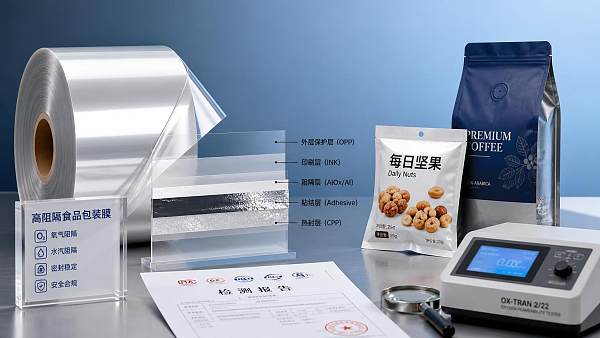
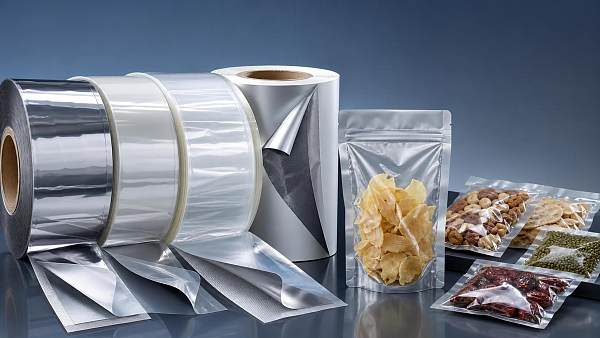
High-barrier printed flexible packaging materials often require PET, EVOH, metallized films, or foil layers.
Those structures increase material cost, but they can prevent oxidation, aroma loss, and moisture damage.
That tradeoff matters most in food, pharma, and sensitive electronics packaging.
2. Print Process and Decoration Level
Flexographic, gravure, and digital printing each change cost structure.
Gravure often gives excellent consistency on large runs, but cylinder costs are significant.
Flexo can be more efficient for many mid-volume applications, especially with cleaner artwork.
Digital reduces setup costs and supports versioning, though unit cost stays higher on large volumes.
Special finishes also add cost fast.
- High color count
- Metallic effects
- Matte and gloss combinations
- Reverse printing with tight registration
3. Barrier and Shelf-Life Requirements
Barrier performance is one of the clearest tradeoffs in printed flexible packaging materials.
Higher oxygen and moisture barriers usually cost more upfront.
Still, under-specifying barrier can destroy product value faster than any packaging savings create benefit.
For short shelf-life products, a lower-cost structure may be enough.
For export, e-commerce, or long distribution cycles, stronger protection often pays back quickly.
4. Compliance and Sustainability Demands
Regulatory and retailer standards are now direct cost factors.
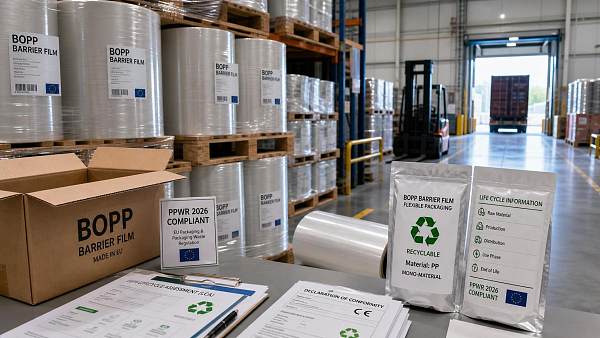
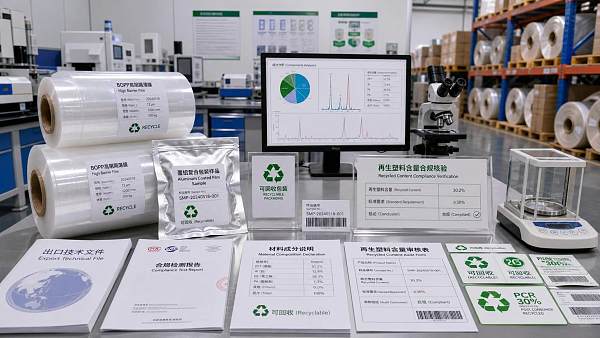
Migration control, food-contact declarations, recyclability targets, and PPWR-related pressure influence specification choices.
Mono-material printed flexible packaging materials may support recycling goals, but they sometimes reduce barrier or stiffness.
Sustainable designs can lower future compliance risk, though they may require process changes today.
Key Selection Tradeoffs Buyers Need to Weigh
Low Unit Price vs Lower Total Cost
A cheaper film can create higher scrap, weaker seals, or slower machine speeds.
That is why printed flexible packaging materials should be benchmarked against production efficiency, not just invoice price.
In many plants, one percent less waste is worth more than a small material discount.
High Shelf Impact vs Print Simplicity
Strong visual impact matters, especially in crowded retail categories.
But more colors and decorative effects increase setup cost, approval time, and consistency risk.
A focused design with disciplined color management can deliver strong branding more efficiently.
High Barrier vs Recyclability
This is one of the most common sourcing tensions.
Traditional multilayer laminates deliver strong protection, but recycling is often difficult.
Mono-material structures improve recovery pathways, yet they may demand barrier coatings or shelf-life compromises.
The right answer depends on product sensitivity, market regulations, and brand commitments.
Customization vs Supply Stability
Highly customized printed flexible packaging materials can strengthen brand identity.
They can also create longer lead times and narrower backup sourcing options.
Standardizing gauges, widths, or base films often improves resilience without hurting appearance too much.
A Practical Evaluation Framework for Printed Flexible Packaging Materials
A structured sourcing process reduces expensive surprises.
- Define the real product risk. Check oxygen, moisture, light, puncture, and seal requirements.
- Map the filling process. Review speed, temperature window, friction, and forming stress.
- Clarify print needs. Separate must-have graphics from premium effects.
- Review compliance needs. Confirm food-contact status, migration limits, and regional waste rules.
- Compare total cost. Include scrap, freight, tooling, inventory, and changeover impact.
- Run production trials. Printed flexible packaging materials should prove performance on the actual line.
This framework helps separate technical need from legacy habit.
It also improves negotiation because requirements become measurable, not subjective.
Questions That Expose Hidden Cost Before You Buy
Before approving printed flexible packaging materials, several supplier questions usually reveal the true risk profile.
- What waste rate is expected during startup and normal production?
- How stable are seal performance and coefficient of friction lot to lot?
- Are inks, adhesives, and coatings matched to the application environment?
- What backup materials or alternate plants are qualified?
- How much inventory is needed to cover tooling and replenishment lead time?
- Can the structure be downgauged without increasing failure risk?
These questions turn printed flexible packaging materials from a catalog item into a managed procurement decision.
Where Market Direction Is Shifting
Recent changes point to three clear trends.
First, lightweighting remains attractive when it does not compromise seal integrity or barrier performance.
Second, recyclable printed flexible packaging materials are moving from pilot projects into commercial sourcing discussions.
Third, buyers increasingly want supplier data that connects material choice with total operating cost.
That includes logistics efficiency, shelf-life retention, and complaint reduction.
For many categories, the conversation is no longer price versus performance.
It is now performance, compliance, and resilience within a realistic cost envelope.
Final Takeaway
The best printed flexible packaging materials are not always the cheapest or the most advanced.
They are the ones that fit product risk, print goals, regulatory needs, and operational reality at the same time.
A disciplined sourcing decision starts with total cost, tests the real tradeoffs, and validates performance on the line.
When printed flexible packaging materials are evaluated this way, cost control becomes more reliable and packaging performance becomes easier to defend.
Use that approach to compare options, narrow specifications, and build a supply base that supports both product protection and brand impact.
Recommended News
 Aug 24, 2026How to evaluate barrier film suppliers in Europe for food packagingBarrier film Europe sourcing made practical: learn how to assess food packaging suppliers on barrier performance, compliance, machinability, and total cost before you buy.
![]() Aug 14, 2026EU PPWR enforcement: BOPP high barrier film exports need to pay attention to labeling complianceEU PPWR enforcement makes BOPP high barrier film exports to Europe focus on labeling compliance. Learn the key rules on recycling marks, recycled content, and recyclability claims before 2026.
Aug 14, 2026EU PPWR enforcement: BOPP high barrier film exports need to pay attention to labeling complianceEU PPWR enforcement makes BOPP high barrier film exports to Europe focus on labeling compliance. Learn the key rules on recycling marks, recycled content, and recyclability claims before 2026. Aug 13, 2026EU PPWR Takes Effect for BOPP Barrier FilmsEU PPWR takes effect for BOPP barrier films on Aug 12, 2026. Learn the new labeling, recycled content, and life-cycle declaration rules shaping EU import compliance.
 Aug 13, 2026Barrier Packaging for Pet Food: How to Choose the Right Moisture and Oxygen BarrierBarrier packaging for pet food explained: learn how to choose the right moisture and oxygen barrier to protect freshness, shelf life, seals, and sustainability goals.
 Aug 12, 2026EU PPWR Now in Force: BOPP Barrier Films Face Labeling RulesEU PPWR now in force puts BOPP barrier films under stricter labeling rules. Learn how recyclability, composition, and recycled content disclosures affect EU market access.
 Aug 12, 2026How to Evaluate Recyclable Mono Material Packaging for Barrier Performance and ReprocessingRecyclable mono material packaging: learn how to assess barrier performance, seal reliability, and reprocessing suitability to choose packaging that supports recyclability without sacrificing product protection.
 Aug 11, 2026EU PPWR Rules Now Mandate Labels on BOPP Barrier FilmsEU PPWR rules now require labels on BOPP barrier films sold in Europe. Learn the 15% recycled content, material ID, and customs compliance steps exporters must act on now.
 Aug 10, 2026PPWR Rule Takes Effect for BOPP Barrier Film LabelsPPWR Rule takes effect for BOPP barrier film labels in the EU from August 10, 2026. Learn key ARL Code, recyclability, and compliance steps to avoid customs risk and penalties.
 Aug 09, 2026EU PPWR Rule Takes Effect for BOPP Barrier FilmsEU PPWR rule now applies to BOPP barrier films entering the EU. Learn the new labeling, material ratio, and recyclability requirements to avoid customs delays and rising compliance costs.
 Aug 08, 2026PPWR Rule Takes Effect for BOPP Barrier FilmsPPWR rule takes effect for BOPP barrier films in the EU from August 8, 2026. Learn how labeling, material ratio disclosure, customs compliance, and technical file updates may impact exports.
 Aug 07, 2026EU PPWR Rule Takes Effect for BOPP Barrier FilmsEU PPWR rule takes effect for BOPP barrier films, requiring recycling labels, material composition percentages, and recyclability claims. See what exporters must act on now.
 Aug 07, 2026How to Choose a Low WVTR Barrier Film for Moisture-Sensitive PackagingLow WVTR barrier film selection starts with product moisture sensitivity, seal performance, and converting reality. Learn how to compare structures, reduce risk, and choose packaging that protects shelf life.
 Aug 06, 2026EU PPWR Rule Takes Effect for BOPP Barrier Film LabelsEU PPWR rule now reshapes BOPP barrier film labels in the EU. Learn mandatory labeling, recyclability claims, customs risks, and how exporters can stay compliant.
 Aug 05, 2026EU PPWR Rule Takes Effect for BOPP Barrier FilmsEU PPWR rule now reshapes BOPP barrier films in the EU market. Learn mandatory labeling, recyclability, traceability, and customs compliance risks before exports are delayed.
 Aug 04, 2026EU PPWR Rules Now Apply to BOPP Barrier Film LabelsEU PPWR rules now apply to BOPP barrier film labels. Learn the new EU labeling, recyclability, and material disclosure requirements to avoid customs delays, fines, and compliance risks.
 Aug 03, 2026EU PPWR Rules Take Effect for BOPP Barrier Film LabelsEU PPWR rules now require BOPP barrier film labels to show recycling marks, material ratios, and recyclability claims. Learn how to avoid customs delays, fines, and supply chain disruption.
 Aug 02, 2026EU PPWR Rule Takes Effect for BOPP Barrier FilmsEU PPWR rule for BOPP barrier films takes effect from August 1, 2026. Learn key labeling, recyclability, customs, and supplier compliance steps to avoid fines and shipment delays.
 Aug 01, 2026EU PPWR Rule Takes Effect for BOPP Barrier FilmsEU PPWR rule for BOPP barrier films is now a critical compliance issue. Learn how material disclosure, recycling marks, and supplier documents affect EU customs, procurement, and delivery.
 Jul 31, 2026How to Choose Moisture Barrier Packaging Film by WVTR and Shelf-Life NeedsMoisture barrier packaging film selection should start with WVTR, shelf-life targets, and real package performance. Learn how to avoid overdesign, reduce risk, and choose the right barrier film.
 Jul 29, 2026EU PPWR Rule Takes Effect for BOPP Barrier Film ExportsEU PPWR rule takes effect for BOPP barrier film exports, reshaping labeling, recyclability marking, conformity files, and supplier certification. Learn the key compliance risks and trade impacts now.
 Jul 27, 2026EU PPWR Rule Takes Effect for BOPP Barrier Film ExportsEU PPWR Rule Takes Effect for BOPP Barrier Film Exports: learn how ISO 13431 recyclability labels and EN 13432 declarations now impact EU customs, buyer approval, and export compliance.
 Jul 26, 2026Low OTR Barrier Film: How to Compare Oxygen Protection and CostLow OTR barrier film buying is not just about the lowest OTR value. Learn how to compare oxygen protection, structure, sealing performance, and total cost for smarter packaging decisions.
 Jul 25, 2026EU PPWR Rules Hit BOPP Barrier Film ExportsEU PPWR rules are reshaping BOPP barrier film exports. Learn the new recyclability, rPP, and EN 15343:2023 traceability requirements before customs delays or €25,000 fines impact shipments.
 Jul 23, 2026PPWR Rule Takes Effect: BOPP Film Exports Need Carbon ReportsPPWR rule now requires BOPP film exports to the EU to include verified carbon reports under EN ISO 14067. Learn how this impacts customs clearance, shipment timing, and green premium opportunities.