Search News
Industry Portal
Hot Articles
- Bio-based PET Capacity Surge May Lower Optical Film CostsBio-based PET capacity surge may lower optical film costs by 8%–12%, reshaping sourcing, export pricing, and compliance planning for displays, automotive HUD, and anti-counterfeit films.
- Interpack China 2026 Adds EPR Route for Hot FoilsInterpack China 2026 adds an EPR route for Hot Foils, helping Holographic Hot Foils suppliers speed EU compliance, improve recycled foil traceability, and streamline Europe-bound packaging exports.
- Fix Label Lift at Speed: Choosing the Right High-Speed Labeling AdhesivesHigh-speed labeling adhesives are key to preventing label lift on fast lines. Learn how to match adhesive performance to substrates, cold storage, and packaging stress for reliable results.
Popular Tags
Metallized Packaging Films vs BOPP Barriers for Shelf Life
Time
Click Count
For quality control and safety teams, choosing between metallized packaging films and BOPP barriers shapes shelf life, compliance, and product appearance. The right structure can reduce spoilage, limit returns, and protect brand value across storage and transport.
This guide explains how metallized packaging films compare with standard and coated BOPP barriers. It covers barrier performance, handling durability, visual impact, and practical selection points for real packaging use.
What are metallized packaging films and BOPP barriers?
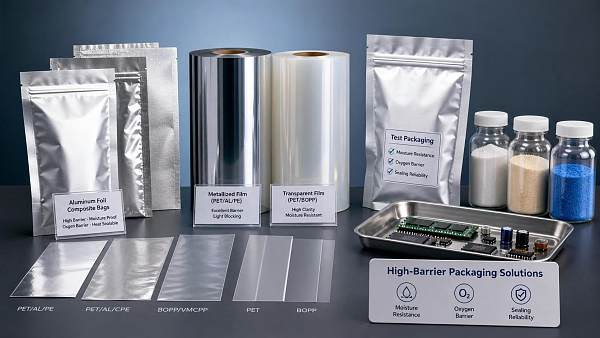
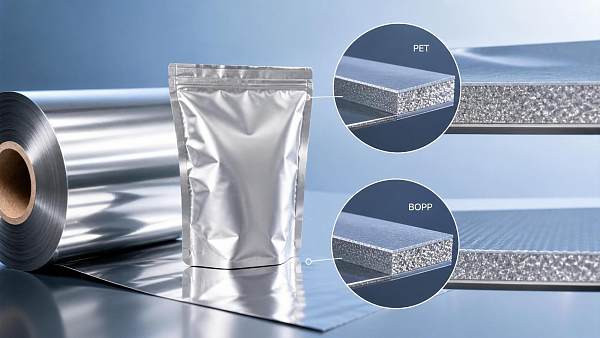
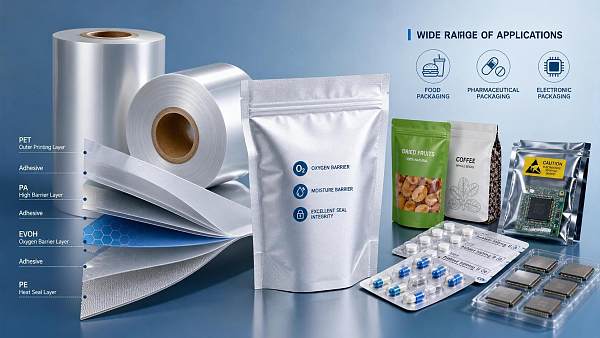
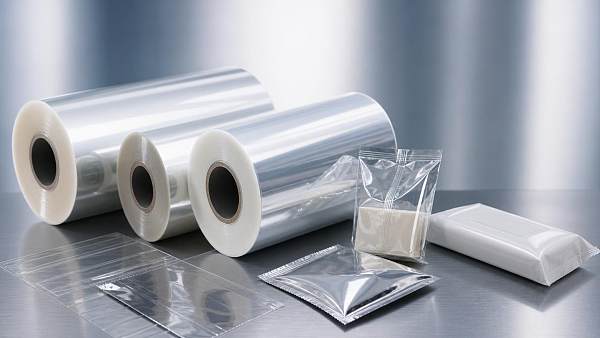
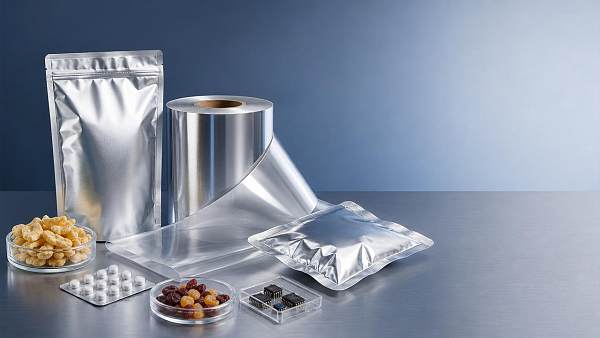
Metallized packaging films are polymer films coated with a very thin metal layer, usually aluminum. That layer improves oxygen barrier, light protection, and premium shelf appearance without the weight of foil.
BOPP means biaxially oriented polypropylene. It is stretched in two directions, which improves stiffness, clarity, machinability, and strength. BOPP barriers may be plain, coated, laminated, or coextruded for added protection.
In many formats, metallized packaging films are actually built on BOPP or PET bases. That means the comparison is often between metallized structures and non-metallized BOPP barrier structures.
The basic difference is simple. Metallization boosts barrier and visual effect. BOPP alone often delivers better transparency, lower cost, and easier recycling pathways in some mono-material designs.
Why does this distinction matter?
Shelf life depends on how fast oxygen, moisture, aroma, and light enter the pack. Material choice controls these pathways and determines whether the product stays crisp, dry, stable, and attractive.
- Metallized film: stronger oxygen and light barrier
- BOPP barrier: good stiffness, seal support, and print quality
- Coated BOPP: balanced barrier at moderate cost
- Transparent BOPP: product visibility and retail clarity
Which option gives better shelf life protection?
For many oxygen-sensitive products, metallized packaging films usually provide longer shelf life. The deposited metal layer blocks gas transmission better than plain BOPP and often better than basic barrier coatings.
This matters for snacks, coffee, powdered drinks, dry foods, confectionery, and some nutraceutical products. Oxidation causes flavor loss, rancidity, color shift, and nutrient decline.
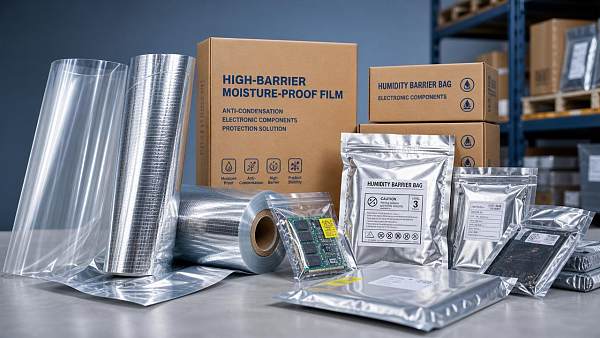
Moisture control is also important. Crispy products need low water vapor transmission. Electronics and dry components also benefit from reduced moisture entry during warehousing and export transport.
Still, not every product requires the highest barrier. If turnover is fast and distribution is mild, coated BOPP may deliver enough protection at a lower structure cost.
How barrier performance differs in practice
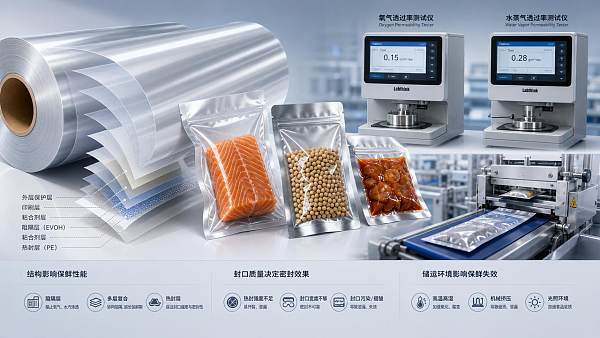
A metallized layer can be sensitive to flex cracking, abrasion, and poor lamination control. If the metal layer gets damaged, real barrier performance may drop below laboratory expectations.
BOPP barriers can be more forgiving in certain converting lines. Good sealing layers, proper tension, and controlled coating quality often deliver stable pack performance for medium-shelf-life applications.
When is BOPP barrier film the better choice?
BOPP barrier film is often the better choice when transparency, easy converting, and cost balance matter more than maximum barrier. It performs well in many high-volume consumer packaging systems.
Products with moderate shelf-life targets often do not need metallization. Bakery items, dry goods, overwraps, stationery packs, and household products may perform well with barrier BOPP structures.
BOPP also supports strong print surfaces and high line speeds. In display-driven retail, clear packs can build trust by showing the actual product rather than hiding it behind a metallic surface.
Common situations favoring BOPP barriers
- The product needs visible presentation
- Target shelf life is short or medium
- Converting lines require high speed and stable slip
- Packaging cost must stay tightly controlled
- Mono-material design goals influence structure planning
In broader packaging strategy, BOPP barriers can also align with downgauging plans. Lightweight structures reduce material use while still supporting acceptable pack integrity in many categories.
How do appearance, branding, and compliance affect the decision?
Metallized packaging films offer a strong visual advantage. They create a reflective premium effect that helps products stand out on crowded shelves and reinforces quality cues in food, cosmetics, and gift packaging.
They also block light effectively. That supports sensitive contents like coffee, tea, flavor blends, and certain chemical products that degrade under UV or visible light exposure.
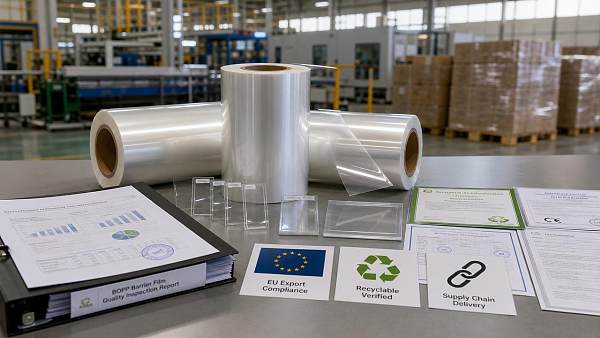
However, compliance and sustainability review cannot be ignored. Some markets increasingly examine recyclability, material complexity, and end-of-life sorting compatibility in flexible packaging structures.
A clear BOPP-based structure may fit better where mono-material recovery is prioritized. Yet a metallized BOPP design may still be viable when barrier gains prevent significant product waste.
Questions to test before approval
- Does the product fail faster from oxygen, moisture, or light?
- Is premium metallic appearance essential at retail?
- Will the line cause scratching, folding, or abrasion?
- Are local recycling rules shaping pack design choices?
- Do seal strength and puncture demands exceed current performance?
What risks and mistakes are common when comparing these films?
One common mistake is choosing metallized packaging films only by laboratory barrier numbers. Real-world handling, folding, and scuffing may lower protection if the structure is not robust enough.
Another mistake is assuming all BOPP barriers behave the same. Coating chemistry, sealant selection, core film thickness, and lamination quality all change final pack performance.
A third risk is ignoring the full system. Ink adhesion, seal temperature windows, friction, aroma retention, and pack geometry can matter as much as barrier data sheets.
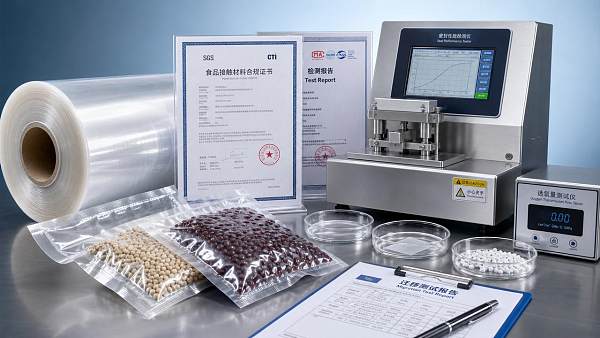
Testing should simulate actual logistics. That includes compression, vibration, heat exposure, humidity swings, and storage duration. Shelf-life decisions based only on supplier claims can create avoidable failures.
High-value checks before final selection
How should you choose between metallized packaging films and BOPP barriers?
Start with product sensitivity. If oxygen, moisture, or light quickly damage the contents, metallized packaging films often provide the safest route to longer shelf life and stronger visual protection.
If the product needs clarity, moderate protection, efficient converting, and lighter material economics, BOPP barriers may be the smarter structure. The best answer depends on use conditions, not labels alone.
A practical decision path can help:
- Define required shelf life in real distribution conditions
- Identify the main degradation trigger
- Compare metallized and BOPP trial packs
- Validate seal, barrier, scuff, and print performance
- Review recyclability and compliance implications
Across global packaging systems, successful film selection balances polymer physics, coating chemistry, retail impact, and waste reduction. That is where informed comparison creates measurable value.
For the next step, compare your current pack failure mode against the target shelf-life requirement. Then test one metallized option and one BOPP barrier option under identical line and storage conditions.
Recommended News
 Jun 23, 2026EU PPWR Rule Takes Effect July 1 for BOPP Barrier FilmsEU PPWR rule takes effect July 1, 2026 for BOPP barrier films. Learn how carbon footprint, recyclability, and EPR proof may impact EU customs clearance and market access.
 Jun 23, 2026How to Choose Moisture Barrier Packaging for Sensitive ProductsMoisture barrier packaging for sensitive products: learn how to compare WVTR, material structures, seal reliability, compliance, and cost to choose the safest, smartest solution.
 Jun 22, 2026EU PPWR Rule to Mandate Lifecycle Compliance for BOPP FilmsEU PPWR rule will reshape BOPP films market access from July 2026. Learn how lifecycle compliance, LCA reports, and certification affect exports, buyers, and supply chains.
 Jun 20, 2026EU PPWR Rule Takes Effect: BOPP Films Need 25% Recycled PPEU PPWR rule takes effect on July 1, 2026: BOPP films need 25% recycled PP. Learn compliance risks, EN 13432 traceability needs, and how exporters can protect EU market access.
 Jun 20, 2026Metallized Film Physics Explained for Barrier and Shine PerformanceMetallized film physics explained: learn how vacuum metallization shapes barrier strength, shine, durability, and material selection for smarter packaging decisions.
 Jun 19, 2026EU PPWR Rule Takes Effect: 25% PCR Required in BOPP Barrier FilmsEU PPWR rule takes effect July 1, 2026: BOPP barrier films entering the EU must contain 25% certified PCR. Learn key customs, EPR, and traceability risks before shipments are affected.
 Jun 17, 2026EU PPWR Takes Effect on Aug. 12: EPR Registration Required for BOPP Barrier Film ExportsEU PPWR takes effect on Aug. 12, making EPR registration required for BOPP barrier film exports to the EU. Learn the customs, compliance, and delivery risks now.
 Jun 16, 2026PPWR Takes Effect Aug 12: EPR Becomes Mandatory for BOPP Barrier Film ExportsPPWR takes effect Aug 12, making EPR mandatory for BOPP barrier film exports to Europe. Learn how registration and recyclability declarations impact customs clearance and market access.
 Jun 16, 2026High-Barrier Packaging Films: What Really Drives Shelf LifeHigh-barrier packaging films drive shelf life through OTR, WVTR, seal integrity, and process stability. Learn what truly matters before you choose a film.
 Jun 15, 2026PPWR Takes Effect Aug 12: EPR Needed for BOPP ExportsPPWR takes effect Aug 12, 2026: EPR needed for BOPP exports to Europe. Learn how registration, recyclability files, and customs risks may impact shipments and supply-chain planning.
 Jun 15, 2026Food Grade Packaging Films: Key Compliance Checks Before Material ApprovalFood grade packaging films require more than a label. Learn the key compliance checks for migration, barrier, sealing, and supplier documentation before material approval.
 Jun 14, 2026PPWR Takes Effect Aug. 12: EPR Registration Becomes Mandatory for BOPP Barrier Film ExportsPPWR takes effect Aug. 12, making EPR registration mandatory for BOPP barrier film exports to the EU. Learn the compliance risks, customs impact, and what exporters must do now.
 Jun 14, 2026BOPP Films Price in 2026: What’s Changing and What to CompareBOPP films price in 2026 is shaped by more than resin costs. Compare gauge, barrier, coating fit, recyclability, and regional supply shifts to make smarter buying decisions.
 Jun 14, 2026How Moisture Barrier Films Prevent Product Damage in StorageMoisture barrier films help stop humidity damage in storage, protecting food, electronics, labels, and more. Learn how they reduce waste, preserve quality, and improve packaging performance.
 Jun 13, 2026EU PPWR Takes Effect Aug. 12: EPR Now Required for BOPP Barrier Film ExportsBOPP barrier film exporters face new EU PPWR rules from Aug. 12, 2026. Learn how EPR registration, recycling verification, and compliance readiness impact EU market access.
 Jun 12, 2026EU PPWR Rule Takes Effect Aug. 15 for BOPP ExportsEU PPWR rule takes effect Aug. 15 for BOPP exports, putting recycling-rate verification at the center of EU customs clearance. Learn the risks, deadlines, and actions exporters should take now.
 Jun 12, 2026How to Choose Moisture Barrier Packaging for Shelf-Life ProtectionMoisture barrier packaging guide: learn how to compare WVTR, sealing, material structures, and distribution risks to protect shelf life, reduce failures, and choose with confidence.
 Jun 11, 2026EU PPWR Deadline Nears for BOPP Film ExportersEU PPWR deadline is nearing for BOPP film exporters. Learn which barrier films need recyclability reports by June 30, 2026, and how to protect EU market access.
 Jun 11, 2026Food Grade Film Science: Common Barrier Myths That Cause FailuresFood grade film science explained: uncover common barrier myths that lead to leaks, shelf-life loss, and packaging failures, with practical tips to choose smarter films and improve performance.
 Jun 11, 2026Food Grade Packaging Films: 7 Key Checks Before Material SelectionFood grade packaging films: discover 7 essential checks for compliance, migration, barrier, sealing, durability, print quality, and supply stability before choosing the right material.
 Jun 09, 2026EU PPWR Rule Takes Effect: Recyclability Proof Required for BOPP/PET Film ExportsEU PPWR rule takes effect July 1, 2026: BOPP/PET film exports to the EU may need recyclability proof for customs clearance. Learn key compliance risks, timing impacts, and how exporters can prepare.
![]() Jun 09, 2026Moisture Barrier Films: How to Compare WVTR and Shelf-Life ImpactMoisture barrier films compared the right way: learn how WVTR, sealing, package design, and logistics shape shelf life, so you can choose smarter packaging with confidence.
Jun 09, 2026Moisture Barrier Films: How to Compare WVTR and Shelf-Life ImpactMoisture barrier films compared the right way: learn how WVTR, sealing, package design, and logistics shape shelf life, so you can choose smarter packaging with confidence. Jun 08, 2026EU PPWR Rule Takes Effect July 1 for BOPP/PET Film ExportsEU PPWR rule takes effect July 1 for BOPP/PET film exports, requiring recyclability verification and PFAS disclosure. Learn the compliance risks, customs impact, and actions exporters should take now.
 Jun 08, 2026When Oxygen Barrier Films Justify Higher Packaging CostsOxygen barrier films can justify higher packaging costs by reducing spoilage, extending shelf life, and protecting brand value. See when the ROI makes real business sense.