Search News
Industry Portal
Hot Articles
- How to verify FDA compliance for packaging inks used on food packagingPackaging inks FDA compliant? Learn how to verify food-contact safety through regulatory citations, migration testing, supplier declarations, and process controls.
- When do holographic foils add value to luxury goods packaging?Packaging materials for luxury goods gain impact with holographic foils that elevate shelf appeal, authenticity, and premium unboxing—learn when this finish delivers real value.
- Can nano encryption technology stop counterfeit labels from being copied?Nano encryption technology anti counterfeit labels combine physical security, tamper evidence, and serialization to make copying harder. Explore smarter protection.
Popular Tags
When Oxygen Barrier Films Justify Higher Packaging Costs
Time
Click Count
Why Higher Spend on Oxygen Barrier Films Can Make Financial Sense
For finance approval, packaging cost should never be judged by unit price alone. The better question is simple: does the extra spend protect margin better than a cheaper film?
That is exactly where oxygen barrier films earn attention. In the right application, they slow oxidation, stabilize product quality, extend sellable life, and reduce the hidden cost of waste.
Across food, pharma-adjacent goods, personal care, electronics accessories, and premium retail packaging, oxygen exposure quietly destroys value. It fades flavor, weakens freshness claims, shifts color, and shortens shelf confidence.
PPCS tracks these material decisions closely because high-barrier films do not work in isolation. They connect with label durability, traceability, shelf appearance, regulatory pressure, and freight performance.
So the real decision is not whether oxygen barrier films cost more. It is whether not using them creates a larger cost later.
Where Oxygen Barrier Films Usually Pay Back Fast
The strongest ROI usually appears when product loss is expensive, returns are visible, or brand damage spreads quickly across channels.
- Use oxygen barrier films when a few extra shelf days reduce discounting, write-offs, and emergency replenishment. Small film premiums often prevent much larger margin leakage later.
- Choose them for products with aroma, oil, color, or active ingredients that degrade easily. The cost case improves when oxidation changes what the customer can immediately notice.
- Prioritize them in long export cycles or multi-node logistics. The longer the dwell time, the more oxygen barrier films protect saleable inventory and forecast accuracy.
- Approve them faster when packaging failure drives complaints, credits, or brand distrust. A premium film can be cheaper than one viral quality issue.
- Consider them when sustainability goals require lightweight structures without sacrificing protection. Better barrier can sometimes replace heavier formats and improve total packaging efficiency.
- Review them closely for premium retail products where visual shelf impact matters. PPCS often sees barrier and appearance work together in BOPP or PET film structures.
A quick rule that helps
If the value of one spoiled unit is much higher than the barrier upgrade per package, the review should move beyond price resistance very quickly.
What to Check Before Approving the Premium
Not every product needs oxygen barrier films. The premium is justified only when the barrier level matches a real product risk and a real supply chain condition.
- Start with oxygen sensitivity, not supplier claims. Ask how quickly flavor, potency, texture, or appearance drops once oxygen enters the pack during actual storage.
- Map the full route from filling line to final sale. Oxygen barrier films matter more when inventory sits in ports, warehouses, retail backrooms, or hot delivery networks.
- Check whether sealing quality supports the film’s barrier rating. Paying for a high-performance structure makes little sense if weak seals leak performance away.
- Review print, labeling, and coding compatibility early. PPCS often finds that films, anti-counterfeit labels, and thermal transfer ribbons must be evaluated together.
- Compare total pack structure, not film alone. A slightly higher film cost may allow downgauging, fewer preservatives, or less secondary protection in transport.
- Ask for performance evidence under realistic humidity and temperature conditions. Lab barrier data looks strong on paper, but logistics reality is what protects cash.
A common blind spot
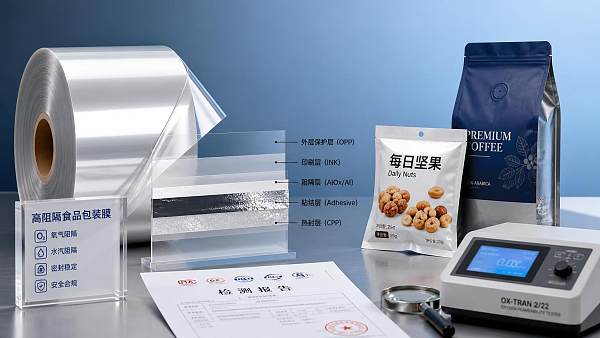
Teams sometimes approve based on oxygen transmission rate alone. That is incomplete. Converting quality, seal integrity, puncture resistance, and storage abuse also influence the final economic result.
Situations Where Cheap Films Quietly Cost More
This is where finance reviews often change direction. Low-cost films can look efficient on the purchase order while creating losses that appear in different budgets later.
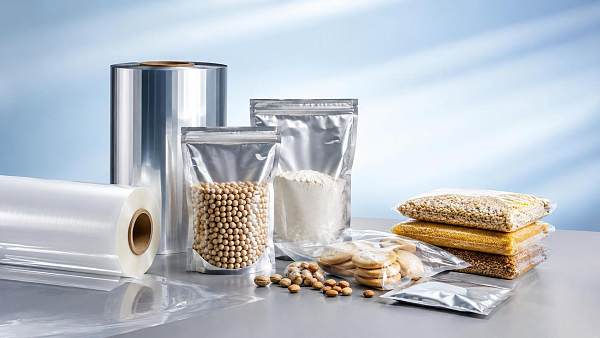
For snacks, coffee, nuts, powdered nutrition, and sensitive dry goods, oxygen ingress erodes freshness before the product reaches the planned sell-through window. The packaging line may save pennies and lose dollars downstream.
For personal care and premium consumer goods, barrier also helps preserve color, scent, and perceived quality. Once shelf impact drops, markdowns rise, and the packaging saving stops looking smart.
In export programs, the risk gets bigger. Transit delays, climate swings, and variable warehousing make oxygen barrier films more than a materials choice. They become a buffer against planning volatility.
Why PPCS keeps linking barrier to the wider pack system
A film upgrade works best when the whole package is aligned. That includes high-speed label adhesion, tamper evidence, traceable coding, and cushioning that prevents barrier damage during handling.
That systems view matters because one weak component can erase the value of oxygen barrier films, even if the film specification itself looks excellent.
A Practical Cost-versus-Performance Review
A short comparison table can make approval decisions less subjective and easier to defend.
- Build the decision around total landed impact. Include spoilage, returns, chargebacks, customer complaints, and emergency logistics, not just the incremental film quote.
- Request a pilot using actual dwell time and abuse conditions. Good oxygen barrier films should prove value under operational reality, not only under clean lab assumptions.
- Check whether the premium supports sales quality as well as product protection. Better shelf appearance can improve sell-through and reduce end-of-cycle discounting.
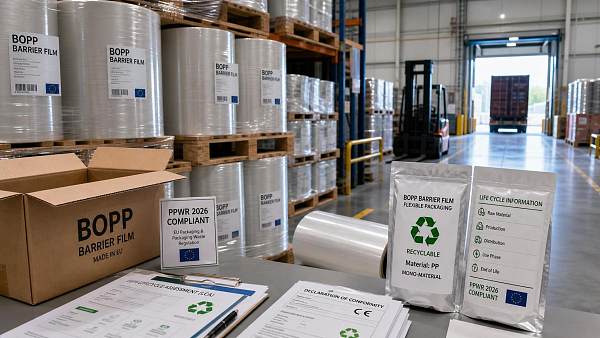
- Review compliance exposure for export markets. Barrier upgrades sometimes align with broader packaging redesigns needed for recyclability, labeling, or future PPWR-related pressure.
- Challenge suppliers to show trade-offs clearly. A higher film price should come with measurable gains in shelf life, lighter structure, or lower operational waste.
Where Oxygen Barrier Films Are Most Often Worth It
Some categories repeatedly show a better financial case than others.
- High-value foods with oxidation-sensitive ingredients usually justify oxygen barrier films quickly because quality loss is immediate, visible, and expensive across retail or export channels.
- Premium beauty and wellness items often benefit because scent, color, and perceived freshness shape repeat purchase more strongly than a small packaging savings.
- Private-label programs with strict complaint thresholds gain value when barrier performance reduces claims and helps maintain consistent shelf-life confidence across multiple regions.
- Products moving through hot, slow, or unpredictable logistics usually need stronger packaging economics, and oxygen barrier films often become the simpler risk control.
- Retail packs combining barrier, anti-counterfeit labels, and strong print durability can protect both product integrity and visual impact, which PPCS sees often in competitive shelf environments.
When the premium may not be justified
If turnover is extremely fast, oxidation sensitivity is low, and distribution is tightly controlled, a standard structure may be enough. In those cases, the better move is disciplined specification control.
Simple Questions That Improve Approval Quality
A few direct questions can prevent weak approvals and also stop unnecessary upgrades.
- What is the cost of one week of lost shelf life, measured in markdowns, waste, or lower fill-rate confidence across the full selling cycle?
- How often does current packaging trigger complaints tied to staleness, color shift, aroma loss, or damaged pack appearance after transport and storage?
- Can oxygen barrier films replace another cost elsewhere, such as thicker film, more preservatives, extra cushioning, or higher safety stock?
- Does the supplier provide evidence from similar applications, including sealing performance, print compatibility, and barrier retention after converting and shipping?
- Will the structure still support future sustainability direction, especially mono-material goals, downgauging plans, or export compliance expectations?
The Practical Next Step
The smartest approval path is usually not a broad packaging overhaul. It is a controlled comparison on the products where oxidation has the clearest financial effect.
Start with one or two SKUs, model the incremental pack cost, and track spoilage, returns, shelf life, and sell-through. That produces a decision based on evidence, not instinct.
When oxygen barrier films protect product survival, support shelf impact, and reduce downstream losses, the higher packaging cost stops being a premium. It becomes a margin defense tool.
That is the point PPCS keeps returning to: the right film is not just packaging material. It is operating insurance for product quality, brand trust, and more predictable financial performance.
Recommended News
 Sep 10, 2026How pharmaceutical film technology affects moisture protection in blister packsPharmaceutical film technology for blister packs: learn how barrier films, WVTR, thermoforming, and seal integrity protect moisture-sensitive medicines and support reliable compliance.
 Sep 05, 2026How to choose food-grade flexible packaging films for dry foodsFlexible Packaging Films food grade guide: choose the right barrier, seal strength, compliance, and durability to protect dry foods and extend shelf life.
 Sep 03, 2026How film label materials affect label durability in refrigerated storageFilm label materials play a critical role in refrigerated durability. Learn how films, adhesives, printing, and moisture resistance protect labels in cold storage.
 Aug 24, 2026How to evaluate barrier film suppliers in Europe for food packagingBarrier film Europe sourcing made practical: learn how to assess food packaging suppliers on barrier performance, compliance, machinability, and total cost before you buy.
![]() Aug 14, 2026EU PPWR enforcement: BOPP high barrier film exports need to pay attention to labeling complianceEU PPWR enforcement makes BOPP high barrier film exports to Europe focus on labeling compliance. Learn the key rules on recycling marks, recycled content, and recyclability claims before 2026.
Aug 14, 2026EU PPWR enforcement: BOPP high barrier film exports need to pay attention to labeling complianceEU PPWR enforcement makes BOPP high barrier film exports to Europe focus on labeling compliance. Learn the key rules on recycling marks, recycled content, and recyclability claims before 2026. Aug 13, 2026EU PPWR Takes Effect for BOPP Barrier FilmsEU PPWR takes effect for BOPP barrier films on Aug 12, 2026. Learn the new labeling, recycled content, and life-cycle declaration rules shaping EU import compliance.
 Aug 13, 2026Barrier Packaging for Pet Food: How to Choose the Right Moisture and Oxygen BarrierBarrier packaging for pet food explained: learn how to choose the right moisture and oxygen barrier to protect freshness, shelf life, seals, and sustainability goals.
 Aug 12, 2026EU PPWR Now in Force: BOPP Barrier Films Face Labeling RulesEU PPWR now in force puts BOPP barrier films under stricter labeling rules. Learn how recyclability, composition, and recycled content disclosures affect EU market access.
 Aug 12, 2026How to Evaluate Recyclable Mono Material Packaging for Barrier Performance and ReprocessingRecyclable mono material packaging: learn how to assess barrier performance, seal reliability, and reprocessing suitability to choose packaging that supports recyclability without sacrificing product protection.
 Aug 11, 2026EU PPWR Rules Now Mandate Labels on BOPP Barrier FilmsEU PPWR rules now require labels on BOPP barrier films sold in Europe. Learn the 15% recycled content, material ID, and customs compliance steps exporters must act on now.
 Aug 10, 2026PPWR Rule Takes Effect for BOPP Barrier Film LabelsPPWR Rule takes effect for BOPP barrier film labels in the EU from August 10, 2026. Learn key ARL Code, recyclability, and compliance steps to avoid customs risk and penalties.
 Aug 09, 2026EU PPWR Rule Takes Effect for BOPP Barrier FilmsEU PPWR rule now applies to BOPP barrier films entering the EU. Learn the new labeling, material ratio, and recyclability requirements to avoid customs delays and rising compliance costs.
 Aug 08, 2026PPWR Rule Takes Effect for BOPP Barrier FilmsPPWR rule takes effect for BOPP barrier films in the EU from August 8, 2026. Learn how labeling, material ratio disclosure, customs compliance, and technical file updates may impact exports.
 Aug 07, 2026EU PPWR Rule Takes Effect for BOPP Barrier FilmsEU PPWR rule takes effect for BOPP barrier films, requiring recycling labels, material composition percentages, and recyclability claims. See what exporters must act on now.
 Aug 07, 2026How to Choose a Low WVTR Barrier Film for Moisture-Sensitive PackagingLow WVTR barrier film selection starts with product moisture sensitivity, seal performance, and converting reality. Learn how to compare structures, reduce risk, and choose packaging that protects shelf life.
 Aug 06, 2026EU PPWR Rule Takes Effect for BOPP Barrier Film LabelsEU PPWR rule now reshapes BOPP barrier film labels in the EU. Learn mandatory labeling, recyclability claims, customs risks, and how exporters can stay compliant.
 Aug 05, 2026EU PPWR Rule Takes Effect for BOPP Barrier FilmsEU PPWR rule now reshapes BOPP barrier films in the EU market. Learn mandatory labeling, recyclability, traceability, and customs compliance risks before exports are delayed.
 Aug 04, 2026EU PPWR Rules Now Apply to BOPP Barrier Film LabelsEU PPWR rules now apply to BOPP barrier film labels. Learn the new EU labeling, recyclability, and material disclosure requirements to avoid customs delays, fines, and compliance risks.
 Aug 03, 2026EU PPWR Rules Take Effect for BOPP Barrier Film LabelsEU PPWR rules now require BOPP barrier film labels to show recycling marks, material ratios, and recyclability claims. Learn how to avoid customs delays, fines, and supply chain disruption.
 Aug 02, 2026EU PPWR Rule Takes Effect for BOPP Barrier FilmsEU PPWR rule for BOPP barrier films takes effect from August 1, 2026. Learn key labeling, recyclability, customs, and supplier compliance steps to avoid fines and shipment delays.
 Aug 01, 2026EU PPWR Rule Takes Effect for BOPP Barrier FilmsEU PPWR rule for BOPP barrier films is now a critical compliance issue. Learn how material disclosure, recycling marks, and supplier documents affect EU customs, procurement, and delivery.
 Jul 31, 2026How to Choose Moisture Barrier Packaging Film by WVTR and Shelf-Life NeedsMoisture barrier packaging film selection should start with WVTR, shelf-life targets, and real package performance. Learn how to avoid overdesign, reduce risk, and choose the right barrier film.
 Jul 29, 2026EU PPWR Rule Takes Effect for BOPP Barrier Film ExportsEU PPWR rule takes effect for BOPP barrier film exports, reshaping labeling, recyclability marking, conformity files, and supplier certification. Learn the key compliance risks and trade impacts now.
 Jul 27, 2026EU PPWR Rule Takes Effect for BOPP Barrier Film ExportsEU PPWR Rule Takes Effect for BOPP Barrier Film Exports: learn how ISO 13431 recyclability labels and EN 13432 declarations now impact EU customs, buyer approval, and export compliance.