Search News
Industry Portal
Hot Articles
- How to verify FDA compliance for packaging inks used on food packagingPackaging inks FDA compliant? Learn how to verify food-contact safety through regulatory citations, migration testing, supplier declarations, and process controls.
- When do holographic foils add value to luxury goods packaging?Packaging materials for luxury goods gain impact with holographic foils that elevate shelf appeal, authenticity, and premium unboxing—learn when this finish delivers real value.
- Can nano encryption technology stop counterfeit labels from being copied?Nano encryption technology anti counterfeit labels combine physical security, tamper evidence, and serialization to make copying harder. Explore smarter protection.
Popular Tags
AsiaFlexo 2026 Highlights Compliance-Driven Printing Materials
Time
Click Count
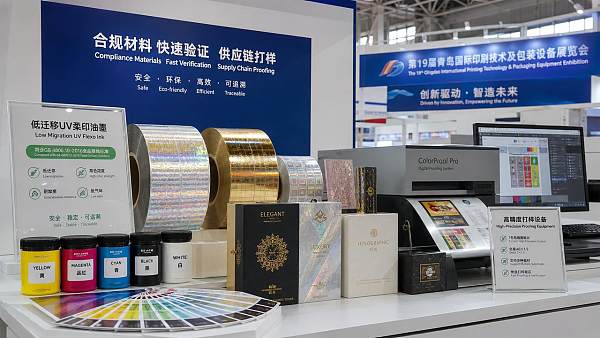
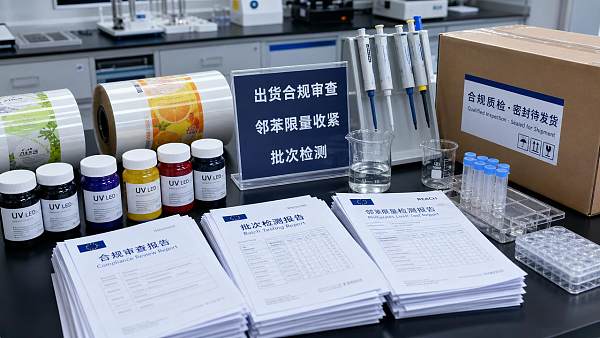
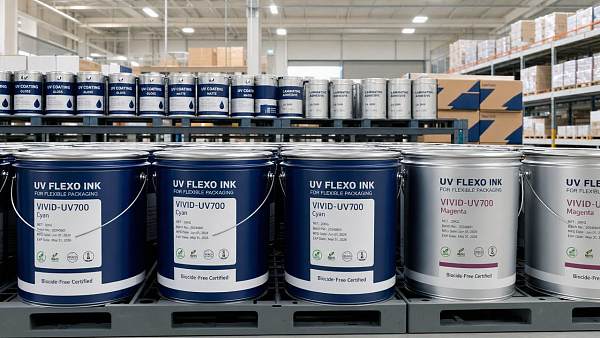
On July 15, 2026, AsiaFlexo 2026 opens in Qingdao with two designated showcase themes: low-migration UV Flexo Inks and Holographic Hot Foils using nanoscale laser positioning. From an industry perspective, this matters less as a routine exhibition update and more as a practical signal that buyer attention is moving toward materials, decoration processes, and proofing paths that can be assessed more quickly against compliance, procurement, and delivery requirements. Packaging converters, ink and foil suppliers, brand procurement teams, and quality or documentation functions are likely to watch this closely because the event links product demonstration with faster supplier validation.
What the event formally puts on the table
According to the provided event information, the AsiaFlexo 2026 gravure printing exhibition runs from July 15 to 17 in Qingdao. The organizer has named low-migration formulations for UV Flexo Inks and nanoscale laser positioning for Holographic Hot Foils as the two designated technology themes of this edition.
The same event information states that procurement directors from Nestlé, Procter & Gamble, and LVMH will attend with teams. It also states that a “green ink–hot foil integrated proofing channel” has been opened, offering Chinese suppliers a faster route to direct validation with end brands.
Why this matters across purchasing and supply execution
Supplier qualification may move earlier in the sales cycle
Analysis shows that when an exhibition setting combines designated technical themes with a direct proofing channel, suppliers may face earlier requests for formulation details, process capability descriptions, and sample validation materials. The likely impact is not a new legal requirement by itself, but a stronger commercial screening step before deeper purchasing engagement.
For ink, foil, and conversion suppliers, the practical effect may appear in quotation preparation, sample submission, technical file readiness, and response speed during buyer review. What deserves closer attention is whether procurement discussions begin to rely more heavily on proof-backed compliance narratives rather than on generic product claims.
Brand buyers may tighten specification alignment
Observably, the presence of procurement directors from major consumer and luxury brands points to a review process that can connect technical demonstration with sourcing decisions. For purchasing teams, this may affect how they compare vendors on low-migration positioning, decoration precision, and the ability to support integrated proofing without delay.
Companies seeking to supply such buyers should pay closer attention to specification alignment, supporting test documentation, sample consistency, and traceability records tied to inks and foil applications. Even where no new formal rule is announced in the input, the commercial threshold for supplier acceptance may become more document-driven.
Proofing and delivery teams may face shorter validation windows
From an industry perspective, the integrated proofing channel suggests a more compressed path between presentation, technical review, and initial buyer feedback. That can affect production planning, sample scheduling, document handover, and internal sign-off between sales, technical, and quality teams.
For supply-chain service functions and delivery coordinators, the key issue is whether they can support rapid sample circulation and maintain consistency between proofed output and later batch delivery. This is especially relevant when materials are presented through a compliance-sensitive lens such as low migration or precision positioning.
What companies should prepare before treating this as a market opening
Keep compliance files ready, not just samples
Analysis shows that suppliers should be ready with technical documents that explain product composition positioning, application conditions, proofing parameters, and quality control logic. The event summary does not provide specific certification or test protocols, so companies should avoid assuming a uniform acceptance standard and instead prepare for buyer-specific review requests.
Track how buyers describe “green” and “low-migration” requirements
What deserves closer attention is the language used during procurement and proofing discussions. The input confirms the existence of a “green ink–hot foil integrated proofing channel,” but it does not define the exact compliance criteria behind that description. Companies should therefore monitor how buyers translate those terms into technical submissions, testing expectations, approval steps, or tender language.
Review handoff risks between proofing and commercial delivery
Observably, rapid validation opportunities can create pressure to move quickly from sample success to supply discussion. Companies should pay attention to whether their internal records can connect proofing outcomes with later production batches, delivery commitments, and after-sales quality follow-up. This is less about expanding claims and more about reducing disputes if buyer expectations become more precise after initial validation.
Watch for changes in procurement documentation
From an industry perspective, the most immediate operational change may appear in requests for supporting documents rather than in public rule texts. Suppliers should watch for shifts in technical questionnaires, supplier onboarding files, sample approval forms, and quality traceability requests that follow buyer engagement at the exhibition.
How this should be read at this stage
Analysis shows that this development is better understood as an execution signal than as a confirmed new regulation. The event does not announce a formal law, standard number, or mandatory certification scheme in the provided information. Instead, it points to a market environment in which procurement, proofing, and compliance review may become more closely linked around specific material and finishing themes.
Observably, the strongest signal is that technical positioning is being framed in a way that can accelerate buyer-side validation. Whether that becomes a broader rule of market entry still requires further observation through procurement practice, documentation requests, and feedback from participating suppliers and buyers.
A practical reading for the packaging supply chain
For now, it is more appropriate to understand this event as a targeted market cue: suppliers that can present low-migration ink positioning, precision foil application capability, and organized proofing support may gain earlier access to buyer review, but the exact compliance and purchasing consequences are not yet fully defined in the provided information.
A rational conclusion is that the exhibition highlights where scrutiny may intensify across packaging materials and decorative processes. It should not yet be treated as proof of a finalized rule change, but it is a credible sign that execution standards in sourcing and validation may be tightening around documentation, sample readiness, and process consistency.
Basis of this article
This article is based on the user-provided news title, event date, and event summary. Specific official source links were not provided in the input, so they still need to be verified on an ongoing basis.
For this type of development, commonly relevant source categories may include organizer announcements, regulatory releases, trade or customs authority updates, industry association notices, standards documents, and reporting by established trade media. What still requires follow-up includes any later policy detail, compliance interpretation, procurement document changes, certification expectations, industry feedback, and actual supplier execution outcomes after the event.
Recommended News
 Sep 14, 2026How to verify FDA compliance for packaging inks used on food packagingPackaging inks FDA compliant? Learn how to verify food-contact safety through regulatory citations, migration testing, supplier declarations, and process controls.
 Jul 19, 2026How to Verify Food-Safe Packaging Inks for CompliancePackaging inks food safe compliance starts with real-world verification. Learn how to assess migration, documents, barriers, and production controls to reduce risk.
 Jul 14, 2026FDA Tightens Migration Limit for UV Flexo InksFDA Tightens Migration Limit for UV Flexo Inks: learn how the new FDA rule cuts photoinitiator migration limits, requires toxicological dossiers, and impacts U.S. food packaging compliance after Dec 2026.
 Jul 13, 2026FDA Draft Tightens UV Flexo Ink Migration LimitFDA draft tightens UV flexo ink migration limits for TPO-L, signaling new LC-MS/MS validation rules in 2027. See how packaging, compliance, and North American market access may be affected.
 Jul 13, 2026Packaging Inks Guide: Choosing the Right Ink for Adhesion, Speed, and CompliancePackaging inks guide for choosing the right solution for adhesion, press speed, and compliance. Learn how to reduce risk, improve print performance, and make smarter packaging decisions.
 Jul 12, 2026FDA Requires Migration Filing for Food-Contact UV Flexo InksFDA requires migration filing for food-contact UV Flexo Inks before first U.S. import. Learn the compliance risks, CBP review impact, and what exporters must prepare now.
 Jun 30, 2026Packaging Inks Lamination: Common Adhesion Problems and FixesPackaging inks lamination issues can weaken bond strength and product safety. Discover common adhesion failures, root causes, and practical fixes to improve lamination reliability.
 Jun 29, 2026Vietnam Sets PFAS Testing Cost Rule for UV Flexo Ink ImportsVietnam Sets PFAS Testing Cost Rule for UV Flexo Ink Imports: learn how Vietnam’s new PFAS testing mandate affects costs, compliance, shipments, and supplier risk from July 2026.
 Jun 28, 2026Vietnam to Add 3% Green Surcharge on Imported UV Flexo InksVietnam to Add 3% Green Surcharge on Imported UV Flexo Inks from June 26, 2026. See how the new non-creditable cost affects pricing, sourcing, contracts, and Vietnam market strategy.
 Jun 27, 2026Vietnam Adds 3% Green Surcharge on Imported UV Flexo InksVietnam adds a 3% green surcharge on imported UV Flexo Inks from June 26, 2026. Learn who is affected, how VOC rules and certifications impact customs clearance, costs, and compliance.
 Jun 13, 2026AsiaFlexo 2026 Highlights Compliance-Driven Printing MaterialsAsiaFlexo 2026 spotlights compliance-driven printing materials, from low-migration UV Flexo Inks to Holographic Hot Foils, revealing how faster proofing and supplier validation can reshape packaging sourcing.
 Jun 12, 2026Qingdao Gravure Expo Puts Compliance Inks in FocusQingdao Gravure Expo puts compliance inks in focus, highlighting low-VOCs UV flexo inks and holographic foils aligned with EU REACH, US FDA, and GB 3095—2026. See what buyers now expect.
 Jun 10, 2026EU Tightens Phthalate Limit for UV Flexo InksEU Tightens Phthalate Limit for UV Flexo Inks: learn how the new 0.01% EU REACH rule impacts food-contact packaging, SGS testing, SDS updates, and export shipment compliance.
 May 24, 2026Vietnam Bans 12 Biocides, Tightens UV Flexo Ink ControlsVietnam bans 12 biocides & tightens UV flexo ink controls—urgent compliance guidance for exporters, formulators, and suppliers targeting ASEAN markets.
 May 24, 2026EN 1175:2025 Industrial Vehicle Electrical Safety Standard Enters ForceEN 1175:2025 industrial vehicle electrical safety standard takes effect May 2026—key for UV Flexo inks, AGV labels & functional printing compliance. Act now!
 May 23, 2026Saudi Arabia Updates Washer Energy/Water Efficiency StandardSaudi Arabia's new washer energy/water efficiency standard SASO 2663:2026 mandates 60°C steam-resistant labels—key for UV flexo ink makers, OEMs & GCC exporters. Act now to ensure compliance.
 May 23, 2026Vietnam Updates Pesticide Ban & Disclosure List, Affecting UV Flexo Ink SolventsVietnam bans TPO, HMPP & more UV flexo ink solvents—urgent compliance update for pesticide-adjacent printing chemistry exporters to food/pharma packaging markets.