Search News
Industry Portal
Hot Articles
- How to verify FDA compliance for packaging inks used on food packagingPackaging inks FDA compliant? Learn how to verify food-contact safety through regulatory citations, migration testing, supplier declarations, and process controls.
- When do holographic foils add value to luxury goods packaging?Packaging materials for luxury goods gain impact with holographic foils that elevate shelf appeal, authenticity, and premium unboxing—learn when this finish delivers real value.
- Can nano encryption technology stop counterfeit labels from being copied?Nano encryption technology anti counterfeit labels combine physical security, tamper evidence, and serialization to make copying harder. Explore smarter protection.
Popular Tags
Visual Shelf Impact Materials: What Improves First-Glance Conversion?
Time
Click Count
Visual Shelf Impact Materials: What Improves First-Glance Conversion?
For business evaluators, visual shelf impact materials are not cosmetic extras. They shape speed of attention, trust at first glance, and conversion in crowded retail environments.
That matters even more now. Shelves are busy, package formats are multiplying, and shoppers make rapid judgments before reading product details.
The strongest material choices do two jobs at once. They create visual shelf impact, and they support protection, compliance, print clarity, and cost control.
In practice, first-glance conversion improves when packaging materials amplify contrast, depth, authenticity, and readability without creating production friction.
This is why visual shelf impact materials deserve technical review, not just design discussion. Material performance often decides whether a concept survives real distribution and real buying behavior.
Why first-glance conversion starts with materials
Most shelf decisions happen in seconds. Before copy is read, the eye reacts to reflectivity, color purity, texture, structure, and signal strength.
That means visual shelf impact materials influence the earliest stage of demand capture. They help a product get noticed before it gets compared.
From a technical angle, four triggers usually matter most:
- surface brightness that creates fast visual interruption
- clarity that keeps graphics sharp at distance
- texture and depth that signal quality instantly
- security cues that increase trust in premium categories
A package can look attractive on screen and still underperform on shelf. Usually the gap comes from material mismatch, not creative weakness.
This is where PPCS-style analysis becomes valuable. Film structure, coating chemistry, label behavior, and finishing physics all influence visible conversion outcomes.
Which visual shelf impact materials perform best
Metallized and stamping foils
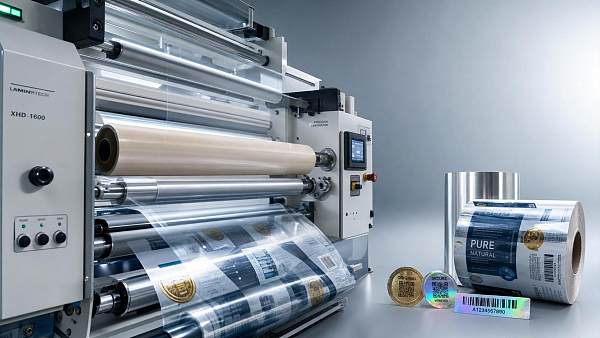
If the goal is immediate attention, metallized surfaces often deliver the fastest lift. They reflect light aggressively and create premium signals from a distance.
Hot stamping foils are especially effective for cosmetics, spirits, confectionery, and seasonal gift packaging. They add depth without relying on heavy ink coverage.
Holographic and micro-embossed effects push visual shelf impact materials even further. They create movement cues that help products stand out in fragmented lighting conditions.
The trade-off is process discipline. Foils must align with substrate compatibility, seal areas, recyclability goals, and cost-per-unit targets.
High-clarity BOPP and PET films
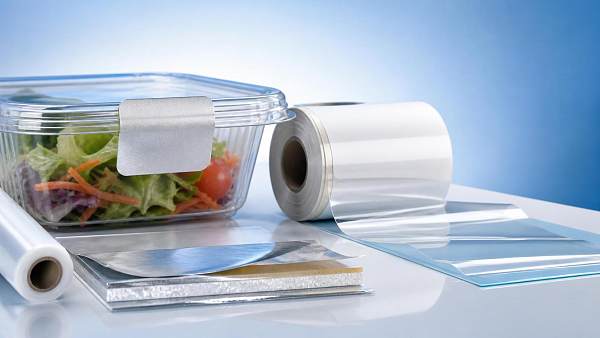
Clear overlaminates and glossy facestocks improve visual shelf impact materials by protecting graphics while increasing sharpness and color saturation.
BOPP films are widely used because they balance stiffness, printability, and moisture resistance. PET films add strength, temperature tolerance, and premium optical stability.
For food, personal care, and electronics, this combination helps maintain a clean, controlled appearance through transport, shelving, and handling.
Anti-counterfeit labels and security coatings
Some visual shelf impact materials do more than attract. They reassure. Tamper evidence, VOID labels, microtext, and overt authentication marks strengthen buyer confidence fast.
This is particularly important in pharmaceuticals, nutraceuticals, luxury goods, and cross-border retail. Visual trust can improve conversion just as much as visual brightness.
When security features are integrated elegantly, they become part of shelf storytelling rather than technical clutter.
What actually improves first-glance conversion
Not every upgrade moves sales equally. The best-performing visual shelf impact materials usually improve one of five conversion levers.
- Better contrast between brand blocks and background fields
- Cleaner gloss or matte control across key viewing angles
- Stronger premium cues through metallic or tactile finishes
- Higher authenticity through security elements and traceability labels
- More stable print readability after abrasion, moisture, and temperature stress
In real buying environments, glare control matters almost as much as shine. Too much uncontrolled reflection can hide the brand and reduce readability.
That is why material selection should follow channel conditions. A pharmacy shelf, airport duty-free zone, and warehouse club all behave differently.
The most effective visual shelf impact materials are not simply the brightest. They are the ones that create fast recognition under actual lighting and handling conditions.
How to evaluate material choices without guesswork
A useful evaluation model combines optics, durability, operations, and compliance. This reduces the risk of choosing shelf appeal that fails after launch.
This approach helps compare visual shelf impact materials beyond aesthetics. It also highlights where a low-cost material may create hidden losses later.
Common decision mistakes in shelf-impact projects
One common mistake is treating packaging finish as a final decoration layer. In reality, visual shelf impact materials should be specified early.
Another mistake is overvaluing sample-room appearance. Controlled samples often hide abrasion, condensation, label lift, and barcode degradation.
A third mistake is ignoring authenticity cues in high-risk categories. If a pack looks premium but feels insecure, conversion can stall.
And finally, some teams chase sustainability claims without checking optical trade-offs. Eco direction matters, but visibility still has to win the first glance.
A practical roadmap for selecting visual shelf impact materials
A practical process is usually more reliable than chasing trends. Start with the shelf moment you need to improve.
- Define the exact conversion problem, such as low noticeability or weak trust.
- Match the problem to material functions, not just visual effects.
- Test visual shelf impact materials under real lighting and handling conditions.
- Check print durability, adhesive behavior, and regulatory fit.
- Compare total ROI, including waste, returns, and shelf performance.
This also explains why advanced packaging intelligence matters. Material science and market response are tightly linked, especially in premium and regulated categories.
From recent shifts in retail, the stronger signal is clear. Buyers reward packaging that looks decisive, feels trustworthy, and survives the supply chain intact.
So, what improves first-glance conversion most? Usually not one finish alone. It is the right combination of film clarity, metallic emphasis, secure labeling, and stable print performance.
The best visual shelf impact materials work because they connect optics with function. They help products get seen, trusted, and chosen faster.
For teams reviewing packaging ROI, that is the practical takeaway: choose visual shelf impact materials that win attention immediately, then keep proving value through protection, compliance, and operational consistency.
Recommended News
 Sep 09, 2026How to assess a water based adhesive materials factory’s quality controlWater based adhesive materials factory quality control: learn how to audit traceability, batch consistency, testing, and change control for safer sourcing.
 Sep 08, 2026How to qualify an electronic protective materials supplier for ESD controlLearn how to qualify an electronic protective materials supplier for reliable ESD control with test data, traceability, lot consistency, and packaging checks.
 Aug 18, 2026What to check before choosing a cryogenic labels supplierCryogenic labels supplier selection starts with performance, not price. Learn what to check for adhesion, print durability, compliance, and supply reliability before you buy.
 Aug 16, 2026How to measure packaging sustainability metrics that actually matterPackaging sustainability metrics that actually matter: learn how to compare carbon, recyclability, performance, and operational yield to make smarter packaging decisions.
 Aug 11, 2026How Low Migration Label Adhesive Technology Supports Food Packaging ComplianceLabel adhesive technology low migration explained: learn how to reduce migration risk, improve food packaging compliance, and choose label constructions that balance safety, performance, and approvals.
 Aug 10, 2026How to Choose Transfer Foils for Labels Based on Print Method and DurabilityTransfer foils for labels: learn how to choose the right option by print method, substrate, and durability needs to improve label performance, reduce rework, and achieve a premium finish.
 Aug 08, 2026How to Evaluate a Coating Materials Supplier for Consistent Quality and Lead TimesCoating materials supplier selection starts with the right questions. Learn how to compare quality consistency, process control, and lead-time reliability to reduce sourcing risk.
 Aug 03, 2026How High-Speed Labeling Technology Affects Accuracy and Throughput in PharmaceuticalsHigh-speed labeling technology pharmaceuticals depend on shapes accuracy, throughput, and compliance. Learn how materials, printing, and inspection drive reliable pharmaceutical packaging performance.
 Aug 02, 2026How to Choose Packaging for PCB Components Based on ESD and Moisture RiskPackaging for PCB components starts with risk, not bag type. Learn how to balance ESD, moisture, handling, and assembly needs to protect yield and choose smarter packaging.
 Jul 30, 2026How to Evaluate Throughput, Accuracy, and Downtime in High Speed Labeling SystemsHigh speed labeling systems should be judged by real throughput, labeling accuracy, and downtime recovery—not brochure speed. Learn how to compare machines for stable output and fewer stoppages.
 Jul 29, 2026How to Choose Food Grade Eco Friendly Packaging Materials for Moisture and Grease ResistanceEco friendly packaging materials food grade: learn how to choose options that balance moisture and grease resistance, food-contact compliance, and sustainability for safer, smarter packaging.
 Jul 27, 2026How to Evaluate a Thermal Labels Supplier for Cost, Quality, and Lead TimeThermal labels supplier evaluation guide: learn how to compare cost, print quality, adhesive performance, compliance, and lead time to reduce risk and choose a reliable partner.
 Jul 23, 2026How to Evaluate Industrial Label Systems for Durability and Total CostIndustrial label systems: learn how to compare durability, compliance, barcode performance, and total cost to reduce failures, control sourcing risk, and choose smarter long-term solutions.
 Jul 15, 2026Pressure Sensitive Label Materials Factory Audit Checklist for Stable QualityPressure sensitive label materials factory audit checklist for buyers: verify coating control, traceability, compliance, and lot consistency to reduce label failure risk.
 Jul 13, 2026How to Evaluate a Sustainable Cushioning Materials Supplier in 2026Sustainable cushioning materials supplier selection in 2026 starts with protection, proof, and scale. Learn how to compare claims, compliance, and total cost with confidence.
 Jul 12, 2026Metallic Cosmetic Packaging Materials: What Affects Finish, Durability, and Brand FitMetallic cosmetic packaging materials shape finish, durability, and brand appeal. Learn what affects gloss, scuff resistance, compliance, and cost before choosing the right premium pack.
 Jul 12, 2026How to Compare Metallic Luxury Packaging Materials for Premium Shelf ImpactMetallic luxury packaging materials compared: learn how to assess shelf impact, durability, print fit, compliance, and cost to choose premium packaging that converts.
 Jul 11, 2026Thermal Labels for Barcode Printing: Top Mistakes That Raise Replacement CostsThermal labels for barcode printing can drive hidden replacement costs when materials miss real conditions. Discover the top mistakes, how to prevent scan failures, and choose labels that cut waste.
 Jul 05, 2026Industrial Adhesive Technology for Laminating: Key Factors for Material SelectionIndustrial adhesive technology for laminating: discover how to choose the right chemistry for better bonding, faster converting, compliance, and lower total packaging cost.
 Jul 04, 2026Decorative Packaging Foils Supplier Middle East: 6 Checks Before You ShortlistDecorative packaging foils supplier Middle East guide: discover 6 practical checks to compare quality, compliance, lead times, and total value before you shortlist a vendor.
 Jul 03, 2026Protective Packaging Cost Breakdown: Material, Labor, Storage, and Damage RiskProtective Packaging cost goes beyond material price. Learn how labor, storage, and damage risk shape total packaging spend, and discover smarter ways to cut costs without hurting performance.
 Jul 02, 2026High Speed Labeling Supplier Checklist: Downtime, Accuracy, and SupportHigh speed labeling supplier checklist: compare downtime risk, label accuracy, material fit, and after-sales support to cut hidden costs and choose a more reliable production partner.
 Jun 30, 2026Embossed Shelf Packaging: When It Improves Impact and When It Adds CostEmbossed shelf packaging can boost shelf impact, grip, and premium appeal—but when does it justify the extra cost? Explore practical value, risks, and smarter packaging decisions.
 Jun 30, 2026How to Choose Thermal Labels for Barcode Printing That Scan ReliablyThermal labels for barcode printing: learn how to match face stock, adhesive, printer, and ribbon for reliable scans, fewer failures, and better supply chain performance.