Search News
Industry Portal
Hot Articles
- Mark-and-Verify Solutions for Food Packaging: Choosing Codes, Labels, and ChecksMark and verify solutions for food packaging: choose reliable codes, durable labels, and automated checks to protect traceability, compliance, and brand trust.
- PPCS Compliance Explained: Packaging Data, Documentation, and Audit ControlsPPCS compliance explained: build traceable packaging data, controlled documentation, and audit-ready controls to reduce risk and strengthen market confidence.
- PPWD Compliance: How Packaging Producers Can Prepare for EU Waste RulesPPWD compliance guide for packaging producers: prepare for EU waste rules with smarter materials, recyclability, EPR planning, and practical design steps.
Popular Tags
Luxury Packaging Engineering for Safer Premium Transit
Time
Click Count
Luxury packaging engineering starts with transit reality, not surface finish
In premium distribution, damage rarely begins with one dramatic failure.
It usually starts with vibration, humidity drift, label loss, or a weak corner during handoff.
That is why luxury packaging engineering has moved beyond presentation.
It now connects protection, traceability, sustainability, and shelf impact in one transit system.
Across cosmetics, premium beverages, electronics, fragrance, and giftable wellness products, the packaging burden is heavier than it appears.
Outer cartons must resist compression.
Inner films must block oxygen or moisture.
Labels must remain readable after abrasion and temperature shifts.
Decorative finishes must still communicate exclusivity without undermining recyclability.
Seen from this angle, luxury packaging engineering becomes a discipline of matching materials to shipment behavior.
This is also where PPCS provides context.
Its intelligence focus on high-barrier films, anti-counterfeit labels, biodegradable cushioning, thermal transfer ribbons, and optical foils reflects what truly decides survival in global premium transit.
Different premium goods fail in different ways during transit
A fragrance set and a premium audio device may share a similar price point.
Their packaging risks are still very different.
Fragrance often faces leakage sensitivity, decorative scuffing, and tamper concern.
Consumer electronics care more about static exposure, moisture control, and barcode durability through long routing cycles.
Luxury packaging engineering works best when these failure modes are defined early.
A common mistake is treating all premium packaging as a visual problem.
In practice, the visual layer is only one part of a multi-layer defense system.
BOPP or PET films may carry the barrier load.
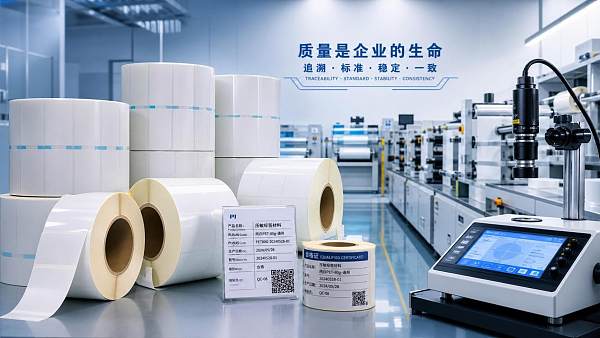
Pressure-sensitive labels may carry the authentication load.
Biodegradable air columns or honeycomb paper may carry the drop-performance load.
Thermal ribbons may carry the data continuity load.
Once transit is mapped in this way, luxury packaging engineering becomes more measurable and more resilient.
Where scenario differences usually change material choices
The value of luxury packaging engineering appears when these differences guide specification decisions instead of being discovered after returns.
For beauty, fragrance, and spirits, appearance must survive handling
Some premium categories are bought with the eyes first.
That does not mean decoration should lead every packaging decision.
For beauty cartons, fragrance sleeves, and liquor boxes, luxury packaging engineering often starts by asking how much friction the finished pack will face before retail display.
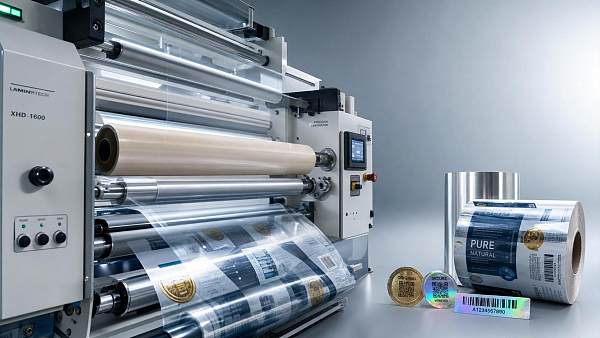
Hot or cold stamping foils create immediate shelf recognition.
Yet high-gloss metallic effects can lose impact if the substrate underneath lacks stiffness or if transport rubbing dulls the surface.
In these situations, barrier films and decorative layers should be evaluated together.
A film that protects ink rub-resistance may matter more than adding another ornamental layer.
Tamper-evident labeling is another overlooked issue here.
Premium spirits and fragrance gift packs frequently move through fragmented channels.
A clean premium look is not enough if gray-market replacement cannot be detected.
Anti-counterfeit adhesive constructions that leave visible evidence after opening provide a stronger safety signal without changing the unboxing feel too aggressively.
For electronics and precision goods, barrier and data layers carry more weight
Premium electronics create a different packaging conversation.
The visual finish still matters, but survival depends more on moisture control, part stability, and data readability.
Luxury packaging engineering in this setting often relies on PET or BOPP films with strong tensile behavior and reliable barrier performance.
The reason is simple.
Transit damage may not appear as a crushed carton.
It may appear as a corroded connector, fogged finish, or unreadable code during reverse logistics.
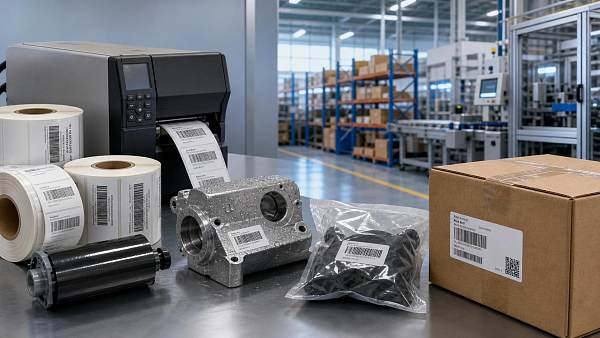
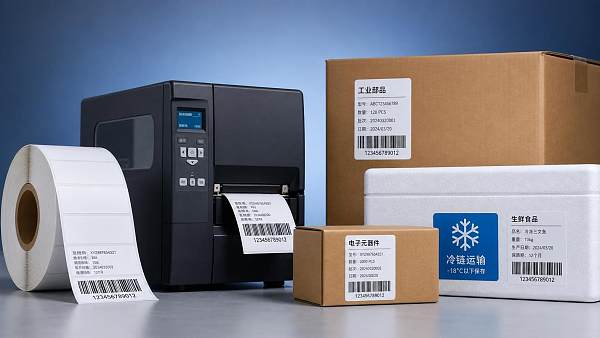
This is where thermal transfer ribbons become critical.
If labels fade after heat, rain, or repetitive scanning, inventory control weakens just when premium recovery value matters most.
A higher-grade resin ribbon may seem excessive on paper.
Across long shipping cycles, it often reduces relabeling, claim disputes, and traceability gaps.
In actual deployment, the better decision is to test label stock, ribbon, and scanner compatibility as one set.
Choosing each separately creates hidden failure points.
Eco-friendly cushioning matters most when shock risk and compliance meet
Many premium packs now need to feel responsible as well as luxurious.
That shift has made biodegradable cushioning a practical requirement, not a branding add-on.
Still, luxury packaging engineering should not assume that every green cushioning format performs equally under impact.
Lightweight glass containers, ceramic accessories, and premium electronics inserts all react differently to drop energy.
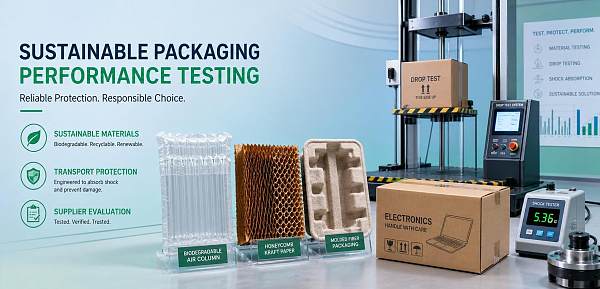
PLA or PBAT air columns may suit repeatable void-fill geometries.
Honeycomb kraft structures may work better where compressive strength and presentation both matter.
The more useful question is not which sustainable material sounds better.
It is which one maintains protection after warehouse stacking, humidity exposure, and last-mile shock.
PPCS often frames this issue through both material science and regulatory pressure.
That matters because PPWR-driven choices can affect plastic content, recyclability claims, and exported packaging cost at the same time.
A practical way to compare scenario fit
- Use biodegradable air columns when product geometry is stable and drop zones are predictable.
- Use honeycomb kraft cushioning when edge compression and premium presentation both matter.
- Increase barrier emphasis when the packed item is moisture-sensitive, not only fragile.
- Review disposal claims by destination market before locking pack architecture.
What gets misjudged most often in luxury packaging engineering
The first misjudgment is assuming premium transit equals gentle transit.
High-value goods are often routed through dense networks with more touchpoints, not fewer.
The second is selecting materials by headline specification only.
A strong adhesive on paper may still fail on textured varnish, low-temperature surfaces, or fast labeling lines.
The third is treating sustainability and protection as competing goals in every case.
In reality, lightweight mono-material thinking can improve both freight efficiency and environmental performance.
Another frequent oversight is ignoring total system cost.
A cheaper ribbon, thinner label, or decorative layer with weak abrasion resistance may trigger replacement, repacking, or brand damage later.
Luxury packaging engineering is strongest when cost is viewed across returns, compliance exposure, and shelf failure risk.
How to build a safer premium transit standard before rollout
A workable approach begins with route mapping.
List the expected temperature range, handling density, stacking duration, and channel complexity.
Then match each risk to a packaging function.
Barrier risk belongs to film structure.
Tamper risk belongs to label design and coating chemistry.
Impact risk belongs to cushioning geometry.
Data loss risk belongs to ribbon and print compatibility.
Luxury packaging engineering becomes easier to optimize when every layer has a defined job.
It also helps to compare one premium pack across two or three realistic routes rather than one lab condition.
That usually reveals whether a finish is too delicate, a label too aggressive, or a cushioning format too bulky for operational reality.
Where decisions involve anti-counterfeit performance, eco-compliance, and film behavior at once, intelligence-led review becomes more useful than isolated material sourcing.
The next step is to define a scenario-based standard.
Document the key parameters, confirm compatibility under actual shipping conditions, and test where brand value is most exposed.
That is where luxury packaging engineering delivers its real advantage: safer premium transit without losing the visual authority that premium goods still need.
Recommended News
 Sep 09, 2026How to assess a water based adhesive materials factory’s quality controlWater based adhesive materials factory quality control: learn how to audit traceability, batch consistency, testing, and change control for safer sourcing.
 Sep 08, 2026How to qualify an electronic protective materials supplier for ESD controlLearn how to qualify an electronic protective materials supplier for reliable ESD control with test data, traceability, lot consistency, and packaging checks.
 Aug 18, 2026What to check before choosing a cryogenic labels supplierCryogenic labels supplier selection starts with performance, not price. Learn what to check for adhesion, print durability, compliance, and supply reliability before you buy.
 Aug 16, 2026How to measure packaging sustainability metrics that actually matterPackaging sustainability metrics that actually matter: learn how to compare carbon, recyclability, performance, and operational yield to make smarter packaging decisions.
 Aug 11, 2026How Low Migration Label Adhesive Technology Supports Food Packaging ComplianceLabel adhesive technology low migration explained: learn how to reduce migration risk, improve food packaging compliance, and choose label constructions that balance safety, performance, and approvals.
 Aug 10, 2026How to Choose Transfer Foils for Labels Based on Print Method and DurabilityTransfer foils for labels: learn how to choose the right option by print method, substrate, and durability needs to improve label performance, reduce rework, and achieve a premium finish.
 Aug 08, 2026How to Evaluate a Coating Materials Supplier for Consistent Quality and Lead TimesCoating materials supplier selection starts with the right questions. Learn how to compare quality consistency, process control, and lead-time reliability to reduce sourcing risk.
 Aug 03, 2026How High-Speed Labeling Technology Affects Accuracy and Throughput in PharmaceuticalsHigh-speed labeling technology pharmaceuticals depend on shapes accuracy, throughput, and compliance. Learn how materials, printing, and inspection drive reliable pharmaceutical packaging performance.
 Aug 02, 2026How to Choose Packaging for PCB Components Based on ESD and Moisture RiskPackaging for PCB components starts with risk, not bag type. Learn how to balance ESD, moisture, handling, and assembly needs to protect yield and choose smarter packaging.
 Jul 30, 2026How to Evaluate Throughput, Accuracy, and Downtime in High Speed Labeling SystemsHigh speed labeling systems should be judged by real throughput, labeling accuracy, and downtime recovery—not brochure speed. Learn how to compare machines for stable output and fewer stoppages.
 Jul 29, 2026How to Choose Food Grade Eco Friendly Packaging Materials for Moisture and Grease ResistanceEco friendly packaging materials food grade: learn how to choose options that balance moisture and grease resistance, food-contact compliance, and sustainability for safer, smarter packaging.
 Jul 27, 2026How to Evaluate a Thermal Labels Supplier for Cost, Quality, and Lead TimeThermal labels supplier evaluation guide: learn how to compare cost, print quality, adhesive performance, compliance, and lead time to reduce risk and choose a reliable partner.
 Jul 23, 2026How to Evaluate Industrial Label Systems for Durability and Total CostIndustrial label systems: learn how to compare durability, compliance, barcode performance, and total cost to reduce failures, control sourcing risk, and choose smarter long-term solutions.
 Jul 15, 2026Pressure Sensitive Label Materials Factory Audit Checklist for Stable QualityPressure sensitive label materials factory audit checklist for buyers: verify coating control, traceability, compliance, and lot consistency to reduce label failure risk.
 Jul 13, 2026How to Evaluate a Sustainable Cushioning Materials Supplier in 2026Sustainable cushioning materials supplier selection in 2026 starts with protection, proof, and scale. Learn how to compare claims, compliance, and total cost with confidence.
 Jul 12, 2026Metallic Cosmetic Packaging Materials: What Affects Finish, Durability, and Brand FitMetallic cosmetic packaging materials shape finish, durability, and brand appeal. Learn what affects gloss, scuff resistance, compliance, and cost before choosing the right premium pack.
 Jul 12, 2026How to Compare Metallic Luxury Packaging Materials for Premium Shelf ImpactMetallic luxury packaging materials compared: learn how to assess shelf impact, durability, print fit, compliance, and cost to choose premium packaging that converts.
 Jul 11, 2026Thermal Labels for Barcode Printing: Top Mistakes That Raise Replacement CostsThermal labels for barcode printing can drive hidden replacement costs when materials miss real conditions. Discover the top mistakes, how to prevent scan failures, and choose labels that cut waste.
 Jul 05, 2026Industrial Adhesive Technology for Laminating: Key Factors for Material SelectionIndustrial adhesive technology for laminating: discover how to choose the right chemistry for better bonding, faster converting, compliance, and lower total packaging cost.
 Jul 04, 2026Decorative Packaging Foils Supplier Middle East: 6 Checks Before You ShortlistDecorative packaging foils supplier Middle East guide: discover 6 practical checks to compare quality, compliance, lead times, and total value before you shortlist a vendor.
 Jul 03, 2026Protective Packaging Cost Breakdown: Material, Labor, Storage, and Damage RiskProtective Packaging cost goes beyond material price. Learn how labor, storage, and damage risk shape total packaging spend, and discover smarter ways to cut costs without hurting performance.
 Jul 02, 2026High Speed Labeling Supplier Checklist: Downtime, Accuracy, and SupportHigh speed labeling supplier checklist: compare downtime risk, label accuracy, material fit, and after-sales support to cut hidden costs and choose a more reliable production partner.
 Jun 30, 2026Embossed Shelf Packaging: When It Improves Impact and When It Adds CostEmbossed shelf packaging can boost shelf impact, grip, and premium appeal—but when does it justify the extra cost? Explore practical value, risks, and smarter packaging decisions.
 Jun 30, 2026How to Choose Thermal Labels for Barcode Printing That Scan ReliablyThermal labels for barcode printing: learn how to match face stock, adhesive, printer, and ribbon for reliable scans, fewer failures, and better supply chain performance.