Search News
Industry Portal
Hot Articles
- How to verify FDA compliance for packaging inks used on food packagingPackaging inks FDA compliant? Learn how to verify food-contact safety through regulatory citations, migration testing, supplier declarations, and process controls.
- When do holographic foils add value to luxury goods packaging?Packaging materials for luxury goods gain impact with holographic foils that elevate shelf appeal, authenticity, and premium unboxing—learn when this finish delivers real value.
- Can nano encryption technology stop counterfeit labels from being copied?Nano encryption technology anti counterfeit labels combine physical security, tamper evidence, and serialization to make copying harder. Explore smarter protection.
Popular Tags
Pharmaceutical Packaging Films: Avoiding Barrier Failure in Use
Time
Click Count
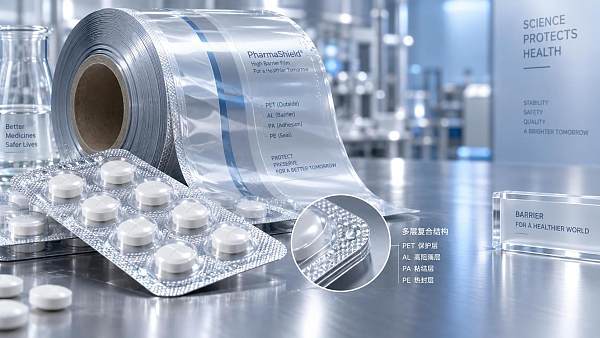
Pharmaceutical packaging films are only as reliable as their barrier performance in real-world filling, sealing, storage, and distribution.
When barrier failure appears, moisture, oxygen, light, or volatile migration can quickly damage sensitive products.
That means shorter shelf life, rejected batches, compliance exposure, and expensive field actions.
This guide explains how to evaluate pharmaceutical packaging films, spot hidden weak points, and reduce in-use barrier loss with practical controls.
What causes barrier failure in pharmaceutical packaging films during actual use?
Barrier failure rarely starts with one dramatic defect.
More often, it develops through small process stresses that accumulate across converting, packing, transport, and storage.
Common causes include pinholes, flex cracking, seal channel leaks, coating inconsistency, and poor layer adhesion.
Even high-performance pharmaceutical packaging films can underperform when line conditions exceed design limits.
A film may test well in the lab, yet fail after aggressive folding, vibration, compression, or thermal cycling.
Barrier performance is therefore a system property, not a datasheet number alone.
- Excess web tension can create micro-damage in barrier layers.
- Poor heat sealing can form invisible leak channels.
- Sharp product edges may puncture thin structures.
- Humidity swings can affect coating stability and adhesion.
- Improper roll handling can introduce crush marks and wrinkles.
Understanding these failure paths helps connect film selection with real operational risk.
How should pharmaceutical packaging films be selected for different drug sensitivity profiles?
Not every formulation needs the same barrier package.
The right pharmaceutical packaging films depend on moisture sensitivity, oxygen exposure limits, light sensitivity, and target shelf life.
A hygroscopic tablet needs a different film structure than a stable topical product.
Barrier design should begin with product vulnerability, not only material availability.
Which factors matter most?
- Water vapor transmission rate requirements.
- Oxygen transmission rate limits.
- Light protection needs.
- Chemical compatibility with active ingredients.
- Sealability on existing equipment.
- Sterilization or cold-chain exposure.
For example, Alu-based laminates offer excellent barrier, but they may crack under repeated flexing if unsupported.
High-barrier coated PET structures can balance visibility and protection, but coating durability must be verified.
Mono-material options may support recyclability goals, yet their barrier suitability depends on the full application profile.
This is where structured intelligence matters.
PPCS tracks high-barrier films, micro-coatings, and converting behavior to help connect performance demands with practical material choices.
Where do pharmaceutical packaging films usually fail first on the packaging line?
The earliest failures often appear at stress concentration points.
These include seal edges, scored areas, formed cavities, folds, corners, and contact zones with tooling.
On high-speed lines, repeated contact and heat can damage barrier layers before defects become visible.
High-risk line conditions include:
- Overheating during sealing.
- Uneven pressure across seal jaws.
- Misaligned forming tools.
- Abrasion from guide rollers.
- Excessive acceleration or stop-start shock.
For blister lidding, minor seal contamination can create channels that pass leak tests only intermittently.
For sachets and pouches, poor cooling after sealing may distort the seal interface.
For strip packs, tight bends can create barrier fatigue over time.
The lesson is simple.
Pharmaceutical packaging films should be validated under realistic machine settings, not idealized bench conditions.
How can barrier weakness be detected before product loss occurs?
Early detection depends on combining material tests, process monitoring, and distribution simulation.
Relying on incoming certification alone leaves major blind spots.
Good control plans examine both intrinsic film properties and post-conversion performance.
Useful checks include:
- WVTR and OTR testing before and after forming.
- Dye penetration or vacuum leak inspection.
- Seal strength profiling across production runs.
- Microscopy for pinholes, cracks, and delamination.
- Aging studies under temperature and humidity stress.
It is also wise to compare first-roll, mid-run, and end-run samples.
Many pharmaceutical packaging films show performance drift only after sustained line exposure.
Trend data is more valuable than one-time pass results.
If barriers degrade after forming or sealing, the issue may sit in process energy, not base film chemistry.
What are the most common mistakes when comparing pharmaceutical packaging films?
A frequent mistake is comparing only nominal barrier values.
Two films can show similar lab numbers but behave very differently after flexing, sealing, or transport vibration.
Another mistake is ignoring the interaction between film and package geometry.
Thin, high-barrier pharmaceutical packaging films may save material, yet geometry can amplify mechanical stress.
Cost comparison can also be misleading.
A lower-priced film becomes expensive if it increases rejects, downtime, or stability risk.
How can teams reduce in-use failure of pharmaceutical packaging films without slowing operations?
The best approach is controlled simplification.
Reduce avoidable stress, tighten critical parameters, and align film structure with realistic handling demands.
Start by mapping the full journey of the pack.
Include unwinding, forming, filling, sealing, cartoning, transport, warehousing, and end use.
Then identify where pharmaceutical packaging films experience heat, pressure, bending, compression, or abrasion.
Practical steps that usually help:
- Set sealing windows using worst-case line conditions, not average conditions.
- Audit roller alignment, tension control, and web tracking regularly.
- Validate barrier after forming, not only before conversion.
- Use distribution simulation for fragile or export-sensitive packs.
- Review change control whenever film gauge or coating changes.
Advanced suppliers add value here through coating intelligence and process insight.
PPCS follows high-barrier film science, adhesive behavior, and global compliance trends to support smarter packaging decisions.
FAQ summary table: how to judge pharmaceutical packaging films faster
Strong pharmaceutical packaging films are built through the right material, the right process window, and the right validation logic.
Barrier protection should be tested where failure actually happens, not where conditions are easiest.
A practical next step is to review one current pack format for post-forming barrier loss, seal drift, and transport stress exposure.
That single audit often reveals the fastest path to safer, more reliable pharmaceutical packaging films.
Recommended News
 Sep 10, 2026How pharmaceutical film technology affects moisture protection in blister packsPharmaceutical film technology for blister packs: learn how barrier films, WVTR, thermoforming, and seal integrity protect moisture-sensitive medicines and support reliable compliance.
 Sep 05, 2026How to choose food-grade flexible packaging films for dry foodsFlexible Packaging Films food grade guide: choose the right barrier, seal strength, compliance, and durability to protect dry foods and extend shelf life.
 Sep 03, 2026How film label materials affect label durability in refrigerated storageFilm label materials play a critical role in refrigerated durability. Learn how films, adhesives, printing, and moisture resistance protect labels in cold storage.
 Aug 24, 2026How to evaluate barrier film suppliers in Europe for food packagingBarrier film Europe sourcing made practical: learn how to assess food packaging suppliers on barrier performance, compliance, machinability, and total cost before you buy.
![]() Aug 14, 2026EU PPWR enforcement: BOPP high barrier film exports need to pay attention to labeling complianceEU PPWR enforcement makes BOPP high barrier film exports to Europe focus on labeling compliance. Learn the key rules on recycling marks, recycled content, and recyclability claims before 2026.
Aug 14, 2026EU PPWR enforcement: BOPP high barrier film exports need to pay attention to labeling complianceEU PPWR enforcement makes BOPP high barrier film exports to Europe focus on labeling compliance. Learn the key rules on recycling marks, recycled content, and recyclability claims before 2026. Aug 13, 2026EU PPWR Takes Effect for BOPP Barrier FilmsEU PPWR takes effect for BOPP barrier films on Aug 12, 2026. Learn the new labeling, recycled content, and life-cycle declaration rules shaping EU import compliance.
 Aug 13, 2026Barrier Packaging for Pet Food: How to Choose the Right Moisture and Oxygen BarrierBarrier packaging for pet food explained: learn how to choose the right moisture and oxygen barrier to protect freshness, shelf life, seals, and sustainability goals.
 Aug 12, 2026EU PPWR Now in Force: BOPP Barrier Films Face Labeling RulesEU PPWR now in force puts BOPP barrier films under stricter labeling rules. Learn how recyclability, composition, and recycled content disclosures affect EU market access.
 Aug 12, 2026How to Evaluate Recyclable Mono Material Packaging for Barrier Performance and ReprocessingRecyclable mono material packaging: learn how to assess barrier performance, seal reliability, and reprocessing suitability to choose packaging that supports recyclability without sacrificing product protection.
 Aug 11, 2026EU PPWR Rules Now Mandate Labels on BOPP Barrier FilmsEU PPWR rules now require labels on BOPP barrier films sold in Europe. Learn the 15% recycled content, material ID, and customs compliance steps exporters must act on now.
 Aug 10, 2026PPWR Rule Takes Effect for BOPP Barrier Film LabelsPPWR Rule takes effect for BOPP barrier film labels in the EU from August 10, 2026. Learn key ARL Code, recyclability, and compliance steps to avoid customs risk and penalties.
 Aug 09, 2026EU PPWR Rule Takes Effect for BOPP Barrier FilmsEU PPWR rule now applies to BOPP barrier films entering the EU. Learn the new labeling, material ratio, and recyclability requirements to avoid customs delays and rising compliance costs.
 Aug 08, 2026PPWR Rule Takes Effect for BOPP Barrier FilmsPPWR rule takes effect for BOPP barrier films in the EU from August 8, 2026. Learn how labeling, material ratio disclosure, customs compliance, and technical file updates may impact exports.
 Aug 07, 2026EU PPWR Rule Takes Effect for BOPP Barrier FilmsEU PPWR rule takes effect for BOPP barrier films, requiring recycling labels, material composition percentages, and recyclability claims. See what exporters must act on now.
 Aug 07, 2026How to Choose a Low WVTR Barrier Film for Moisture-Sensitive PackagingLow WVTR barrier film selection starts with product moisture sensitivity, seal performance, and converting reality. Learn how to compare structures, reduce risk, and choose packaging that protects shelf life.
 Aug 06, 2026EU PPWR Rule Takes Effect for BOPP Barrier Film LabelsEU PPWR rule now reshapes BOPP barrier film labels in the EU. Learn mandatory labeling, recyclability claims, customs risks, and how exporters can stay compliant.
 Aug 05, 2026EU PPWR Rule Takes Effect for BOPP Barrier FilmsEU PPWR rule now reshapes BOPP barrier films in the EU market. Learn mandatory labeling, recyclability, traceability, and customs compliance risks before exports are delayed.
 Aug 04, 2026EU PPWR Rules Now Apply to BOPP Barrier Film LabelsEU PPWR rules now apply to BOPP barrier film labels. Learn the new EU labeling, recyclability, and material disclosure requirements to avoid customs delays, fines, and compliance risks.
 Aug 03, 2026EU PPWR Rules Take Effect for BOPP Barrier Film LabelsEU PPWR rules now require BOPP barrier film labels to show recycling marks, material ratios, and recyclability claims. Learn how to avoid customs delays, fines, and supply chain disruption.
 Aug 02, 2026EU PPWR Rule Takes Effect for BOPP Barrier FilmsEU PPWR rule for BOPP barrier films takes effect from August 1, 2026. Learn key labeling, recyclability, customs, and supplier compliance steps to avoid fines and shipment delays.
 Aug 01, 2026EU PPWR Rule Takes Effect for BOPP Barrier FilmsEU PPWR rule for BOPP barrier films is now a critical compliance issue. Learn how material disclosure, recycling marks, and supplier documents affect EU customs, procurement, and delivery.
 Jul 31, 2026How to Choose Moisture Barrier Packaging Film by WVTR and Shelf-Life NeedsMoisture barrier packaging film selection should start with WVTR, shelf-life targets, and real package performance. Learn how to avoid overdesign, reduce risk, and choose the right barrier film.
 Jul 29, 2026EU PPWR Rule Takes Effect for BOPP Barrier Film ExportsEU PPWR rule takes effect for BOPP barrier film exports, reshaping labeling, recyclability marking, conformity files, and supplier certification. Learn the key compliance risks and trade impacts now.
 Jul 27, 2026EU PPWR Rule Takes Effect for BOPP Barrier Film ExportsEU PPWR Rule Takes Effect for BOPP Barrier Film Exports: learn how ISO 13431 recyclability labels and EN 13432 declarations now impact EU customs, buyer approval, and export compliance.