Search News
Industry Portal
Hot Articles
- How to verify FDA compliance for packaging inks used on food packagingPackaging inks FDA compliant? Learn how to verify food-contact safety through regulatory citations, migration testing, supplier declarations, and process controls.
- When do holographic foils add value to luxury goods packaging?Packaging materials for luxury goods gain impact with holographic foils that elevate shelf appeal, authenticity, and premium unboxing—learn when this finish delivers real value.
- Can nano encryption technology stop counterfeit labels from being copied?Nano encryption technology anti counterfeit labels combine physical security, tamper evidence, and serialization to make copying harder. Explore smarter protection.
Popular Tags
Mono-material Recyclable Science in Barrier Films
Time
Click Count
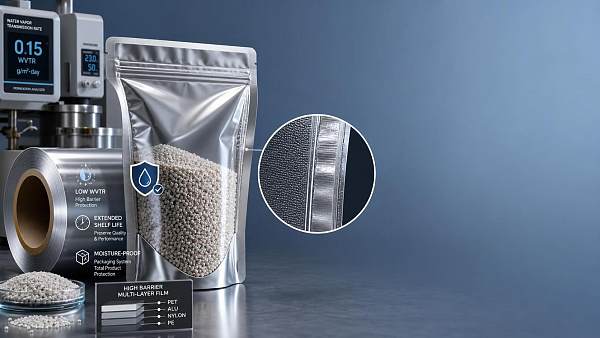
As packaging engineers face stricter recyclability targets without compromising shelf life, mono-material recyclable science is reshaping the design logic of barrier films.
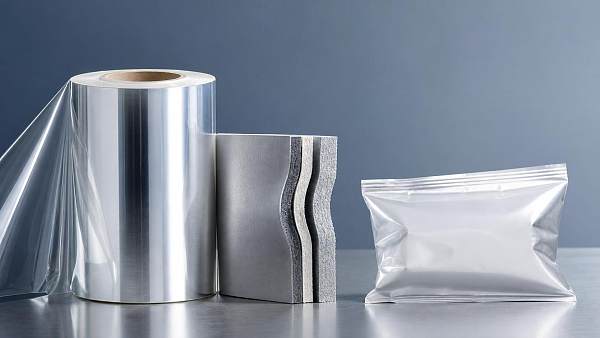
Instead of hard-to-separate multilayer structures, new films use polymer orientation, compatible coatings, and precision barrier engineering within one recyclable material family.
For technical evaluation, this shift clarifies performance, compliance risk, and lifecycle value across food, healthcare, electronics, logistics, and premium consumer packaging.
Why Mono-material Recyclable Science Needs a Practical Checklist
Barrier films once gained performance through complexity.
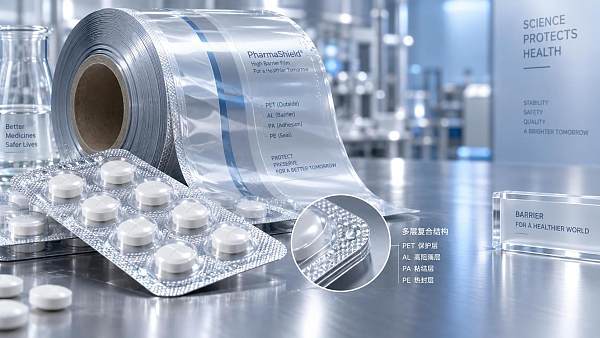
PET, PE, PA, EVOH, aluminum, adhesives, and inks were stacked to block oxygen, moisture, light, grease, and aroma migration.
That structure worked technically, yet it created recycling friction.
Mixed polymers melt differently, delaminate unpredictably, and reduce recycled resin quality.
Mono-material recyclable science addresses that conflict through design discipline.
The film must perform like a complex laminate, while behaving like one material during sorting, washing, reprocessing, and pelletizing.
A checklist prevents shallow claims.
It connects polymer selection, coating chemistry, seal behavior, printing compatibility, machinery fitness, and recycling evidence into one decision path.
Core Checklist for Barrier Film Evaluation
Use this checklist to test whether mono-material recyclable science is truly embedded in the film design, not only stated in marketing language.
- Confirm the dominant polymer family before testing barrier claims, because recycling value depends on material compatibility as much as oxygen transmission performance.
- Verify whether coatings, tie layers, primers, inks, and sealants remain compatible with the target recycling stream after washing and extrusion.
- Compare OTR, WVTR, aroma retention, and grease resistance under real storage humidity, not only under ideal laboratory conditions.
- Check biaxial orientation quality, because chain alignment improves stiffness, puncture resistance, gloss, and downgauging potential in recyclable barrier films.
- Measure sealing window across temperature, pressure, and dwell time, especially where high-speed packaging lines require stable hermetic closure.
- Review flex-crack resistance after folding, vibration, and transport, since barrier failure often begins at creases rather than flat film areas.
- Demand recyclability evidence from recognized protocols, including sortability, washable ink behavior, regranulation quality, and recycled resin usability.
- Assess downgauging limits carefully, because excessive lightweighting can reduce machinability, shelf impact, and puncture resistance during distribution.
- Map regulatory exposure by market, including PPWR direction, extended producer responsibility fees, plastic taxes, and recycled-content expectations.
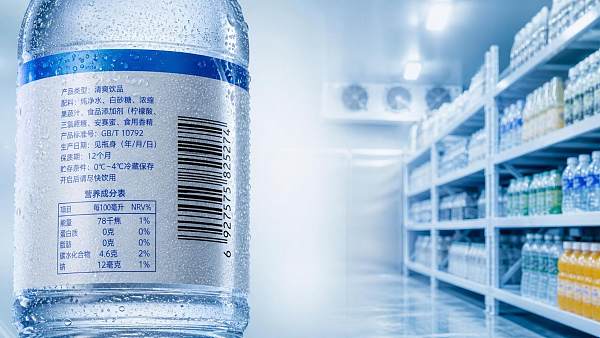
- Test print, label, and ribbon compatibility, ensuring barcodes, anti-counterfeit marks, and variable data survive abrasion, moisture, and cold-chain handling.
Material Platform Decisions
Mono-material recyclable science usually starts with a PE, PP, or PET platform.
Each platform has a different balance of stiffness, heat resistance, clarity, seal behavior, and recycling infrastructure.
PE-based Barrier Films
PE structures fit many flexible pouches, frozen packs, detergent refills, and e-commerce consumables.
Their advantage is broad recycling recognition and strong sealing reliability.
The challenge is stiffness and heat resistance.
Orientation, metallocene blends, and compatible barrier coatings help PE films approach the feel of traditional mixed laminates.
PP-based Barrier Films
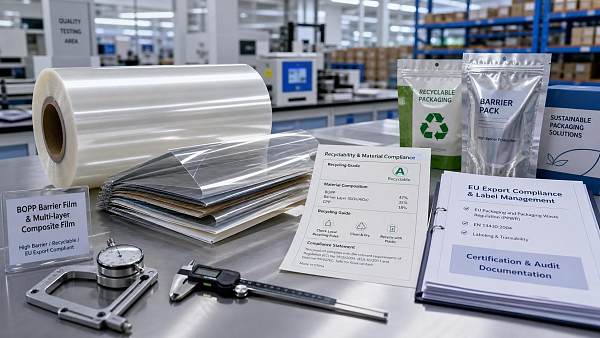
BOPP benefits from high clarity, excellent stiffness, moisture resistance, and strong shelf appearance.
This makes PP attractive for snacks, dry foods, confectionery, labels, and premium overwraps.
Mono-material recyclable science improves PP structures through metallization control, acrylic coatings, and high-barrier layers that remain compatible at low loading.
PET-based Barrier Films
PET provides thermal stability, dimensional control, optical quality, and strong mechanical behavior.
It suits lidding, retort-adjacent formats, electronics protection, and higher-temperature conversion processes.
However, PET flexible film recycling routes vary by region.
The decision should include local collection, sorting technology, and end-market demand for recycled PET film streams.
Barrier Engineering Points That Must Not Be Skipped
Barrier performance is not a single number.
It is a matrix of gas, vapor, aroma, light, oil, and mechanical protection over time.
- Define the failure mode first, because coffee aroma loss, chip softening, vitamin oxidation, and electronics corrosion require different barrier priorities.
- Specify test conditions clearly, since oxygen barrier data can change sharply between dry laboratory air and humid tropical storage.
- Evaluate coating continuity with microscopy or defect testing, because pinholes can erase the benefit of advanced barrier chemistry.
- Run accelerated aging together with real-time checks, avoiding false confidence from short tests that ignore migration and coating relaxation.
- Include package geometry in trials, as gussets, zipper zones, fin seals, and corners often determine actual shelf-life performance.
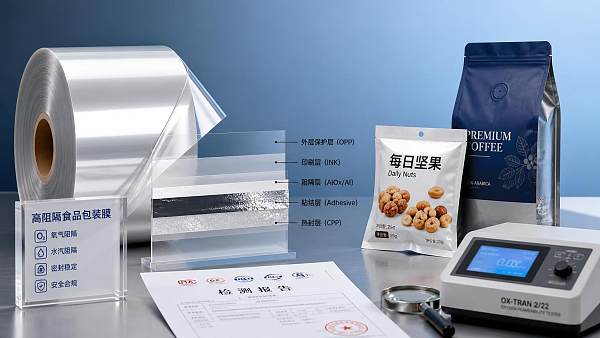
In high-barrier applications, mono-material recyclable science often uses thin functional coatings.
These may include AlOx, SiOx, water-based acrylic layers, PVOH systems, or plasma-assisted surface treatments.
The coating must do more than block oxygen.
It must survive winding, slitting, printing, lamination, filling, sealing, transport, and recycling without contaminating the material stream.
Application Notes Across Packaging Scenarios
Dry Food and Snack Packaging
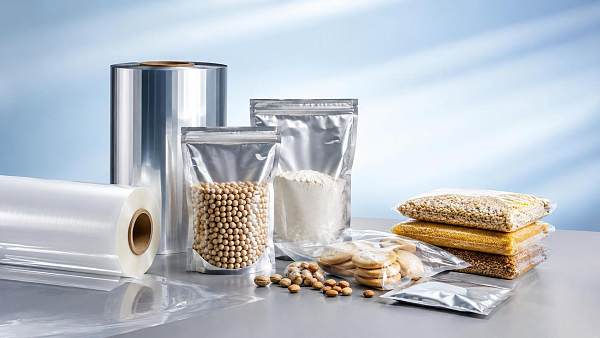
Dry food needs moisture control, aroma protection, crisp texture retention, and strong shelf graphics.
BOPP-centered mono-material recyclable science can reduce laminate complexity while preserving stiffness and visual impact.
For snacks, flex-crack and seal integrity matter as much as WVTR.
A shiny film that cracks at folds will fail before its laboratory barrier number becomes meaningful.
Healthcare and Personal Care Packs
Healthcare and personal care formats need cleanliness, legibility, tamper evidence, and predictable sealing.
Mono-material recyclable science must be paired with validated inks, labels, and thermal transfer ribbons.
Data readability is part of protection.
Lot codes, barcodes, and anti-counterfeit patterns should remain stable under alcohol exposure, abrasion, humidity, and cold-chain variation.
Electronics and Industrial Components
Electronics packaging often prioritizes moisture barrier, puncture resistance, static control, and dimensional stability.
Film choice should be tested against desiccants, trays, cushioning, and carton systems.
Here, mono-material recyclable science cannot be judged only by film recyclability.
The complete protective system must prevent corrosion, dust intrusion, and handling damage across global logistics routes.
Premium Retail and Shelf-impact Packaging
Premium packs demand gloss, clarity, tactile quality, foil effects, and brand protection.
Metallized or coated mono-material films can support visual distinction while avoiding difficult mixed-material constructions.
Hot stamping, cold foiling, and holographic features need compatibility review.
Decoration should not undermine sorting signals, wash-off behavior, or recycled pellet quality.
Commonly Ignored Risks
Risk One: Treating Recyclable as Automatically Recycled
A recyclable design still depends on collection, sorting, washing, and end-market economics.
Mono-material recyclable science reduces technical barriers, but infrastructure determines the final recycling outcome.
Risk Two: Ignoring Adhesive and Ink Chemistry
A film can be mono-material while its adhesive, ink, or label layer damages recyclate color and melt quality.
Washable, low-bleed, and compatible chemistries must be included in the specification.
Risk Three: Over-lightweighting the Film
Downgauging saves material and improves carbon metrics, but excessive reduction can create wrinkling, puncture, and sealing instability.
Test lightweight films on actual filling lines before approving conversion.
Risk Four: Testing Only Flat Film Samples
Flat samples rarely show the stress of real packs.
Finished pouches, lids, wraps, labels, and overwraps need drop, compression, vibration, and flex testing.
Execution Advice for Reliable Adoption
Start with the product’s protection requirement, not the film brochure.
Define the acceptable shelf-life loss, transport damage rate, sealing defect level, and recycling claim boundary.
Then screen material platforms using both laboratory data and conversion trials.
- Build a trial matrix covering polymer family, coating type, thickness, sealant design, printing route, and target recycling stream.
- Use side-by-side packaging trials against the existing laminate, including shelf-life, sealing, machinability, drop, and visual appearance.
- Request recyclability documentation that names the protocol, region, test conditions, material composition, and recycled resin assessment.
- Document trade-offs transparently, especially where barrier improvement increases coating complexity or reduces recycling-stream acceptance.
- Recheck compliance annually, because PPWR direction, EPR fee modulation, and national recycling guidance continue to evolve.
PPCS views this work as a bridge between polymer physics and commodity survival.
High-barrier films, anti-counterfeit labels, cushioning, ribbons, inks, and foils must be evaluated as connected consumable systems.
That system view prevents a narrow film upgrade from creating new failures in marking, logistics, security, or end-of-life handling.
Summary and Next Action
Mono-material recyclable science is not a shortcut.
It is a disciplined method for designing barrier films that protect goods, support shelf impact, and remain credible in recycling systems.
The next practical step is to convert sustainability ambition into measurable checkpoints.
Confirm polymer family, barrier target, coating compatibility, seal performance, decoration chemistry, and recyclability evidence before commercial approval.
When mono-material recyclable science is applied with full-system testing, barrier packaging can move toward lighter structures, lower compliance risk, and stronger circular value.
Recommended News
 Sep 10, 2026How pharmaceutical film technology affects moisture protection in blister packsPharmaceutical film technology for blister packs: learn how barrier films, WVTR, thermoforming, and seal integrity protect moisture-sensitive medicines and support reliable compliance.
 Sep 05, 2026How to choose food-grade flexible packaging films for dry foodsFlexible Packaging Films food grade guide: choose the right barrier, seal strength, compliance, and durability to protect dry foods and extend shelf life.
 Sep 03, 2026How film label materials affect label durability in refrigerated storageFilm label materials play a critical role in refrigerated durability. Learn how films, adhesives, printing, and moisture resistance protect labels in cold storage.
 Aug 24, 2026How to evaluate barrier film suppliers in Europe for food packagingBarrier film Europe sourcing made practical: learn how to assess food packaging suppliers on barrier performance, compliance, machinability, and total cost before you buy.
![]() Aug 14, 2026EU PPWR enforcement: BOPP high barrier film exports need to pay attention to labeling complianceEU PPWR enforcement makes BOPP high barrier film exports to Europe focus on labeling compliance. Learn the key rules on recycling marks, recycled content, and recyclability claims before 2026.
Aug 14, 2026EU PPWR enforcement: BOPP high barrier film exports need to pay attention to labeling complianceEU PPWR enforcement makes BOPP high barrier film exports to Europe focus on labeling compliance. Learn the key rules on recycling marks, recycled content, and recyclability claims before 2026. Aug 13, 2026EU PPWR Takes Effect for BOPP Barrier FilmsEU PPWR takes effect for BOPP barrier films on Aug 12, 2026. Learn the new labeling, recycled content, and life-cycle declaration rules shaping EU import compliance.
 Aug 13, 2026Barrier Packaging for Pet Food: How to Choose the Right Moisture and Oxygen BarrierBarrier packaging for pet food explained: learn how to choose the right moisture and oxygen barrier to protect freshness, shelf life, seals, and sustainability goals.
 Aug 12, 2026EU PPWR Now in Force: BOPP Barrier Films Face Labeling RulesEU PPWR now in force puts BOPP barrier films under stricter labeling rules. Learn how recyclability, composition, and recycled content disclosures affect EU market access.
 Aug 12, 2026How to Evaluate Recyclable Mono Material Packaging for Barrier Performance and ReprocessingRecyclable mono material packaging: learn how to assess barrier performance, seal reliability, and reprocessing suitability to choose packaging that supports recyclability without sacrificing product protection.
 Aug 11, 2026EU PPWR Rules Now Mandate Labels on BOPP Barrier FilmsEU PPWR rules now require labels on BOPP barrier films sold in Europe. Learn the 15% recycled content, material ID, and customs compliance steps exporters must act on now.
 Aug 10, 2026PPWR Rule Takes Effect for BOPP Barrier Film LabelsPPWR Rule takes effect for BOPP barrier film labels in the EU from August 10, 2026. Learn key ARL Code, recyclability, and compliance steps to avoid customs risk and penalties.
 Aug 09, 2026EU PPWR Rule Takes Effect for BOPP Barrier FilmsEU PPWR rule now applies to BOPP barrier films entering the EU. Learn the new labeling, material ratio, and recyclability requirements to avoid customs delays and rising compliance costs.
 Aug 08, 2026PPWR Rule Takes Effect for BOPP Barrier FilmsPPWR rule takes effect for BOPP barrier films in the EU from August 8, 2026. Learn how labeling, material ratio disclosure, customs compliance, and technical file updates may impact exports.
 Aug 07, 2026EU PPWR Rule Takes Effect for BOPP Barrier FilmsEU PPWR rule takes effect for BOPP barrier films, requiring recycling labels, material composition percentages, and recyclability claims. See what exporters must act on now.
 Aug 07, 2026How to Choose a Low WVTR Barrier Film for Moisture-Sensitive PackagingLow WVTR barrier film selection starts with product moisture sensitivity, seal performance, and converting reality. Learn how to compare structures, reduce risk, and choose packaging that protects shelf life.
 Aug 06, 2026EU PPWR Rule Takes Effect for BOPP Barrier Film LabelsEU PPWR rule now reshapes BOPP barrier film labels in the EU. Learn mandatory labeling, recyclability claims, customs risks, and how exporters can stay compliant.
 Aug 05, 2026EU PPWR Rule Takes Effect for BOPP Barrier FilmsEU PPWR rule now reshapes BOPP barrier films in the EU market. Learn mandatory labeling, recyclability, traceability, and customs compliance risks before exports are delayed.
 Aug 04, 2026EU PPWR Rules Now Apply to BOPP Barrier Film LabelsEU PPWR rules now apply to BOPP barrier film labels. Learn the new EU labeling, recyclability, and material disclosure requirements to avoid customs delays, fines, and compliance risks.
 Aug 03, 2026EU PPWR Rules Take Effect for BOPP Barrier Film LabelsEU PPWR rules now require BOPP barrier film labels to show recycling marks, material ratios, and recyclability claims. Learn how to avoid customs delays, fines, and supply chain disruption.
 Aug 02, 2026EU PPWR Rule Takes Effect for BOPP Barrier FilmsEU PPWR rule for BOPP barrier films takes effect from August 1, 2026. Learn key labeling, recyclability, customs, and supplier compliance steps to avoid fines and shipment delays.
 Aug 01, 2026EU PPWR Rule Takes Effect for BOPP Barrier FilmsEU PPWR rule for BOPP barrier films is now a critical compliance issue. Learn how material disclosure, recycling marks, and supplier documents affect EU customs, procurement, and delivery.
 Jul 31, 2026How to Choose Moisture Barrier Packaging Film by WVTR and Shelf-Life NeedsMoisture barrier packaging film selection should start with WVTR, shelf-life targets, and real package performance. Learn how to avoid overdesign, reduce risk, and choose the right barrier film.
 Jul 29, 2026EU PPWR Rule Takes Effect for BOPP Barrier Film ExportsEU PPWR rule takes effect for BOPP barrier film exports, reshaping labeling, recyclability marking, conformity files, and supplier certification. Learn the key compliance risks and trade impacts now.
 Jul 27, 2026EU PPWR Rule Takes Effect for BOPP Barrier Film ExportsEU PPWR Rule Takes Effect for BOPP Barrier Film Exports: learn how ISO 13431 recyclability labels and EN 13432 declarations now impact EU customs, buyer approval, and export compliance.