Search News
Industry Portal
Hot Articles
- How to verify FDA compliance for packaging inks used on food packagingPackaging inks FDA compliant? Learn how to verify food-contact safety through regulatory citations, migration testing, supplier declarations, and process controls.
- When do holographic foils add value to luxury goods packaging?Packaging materials for luxury goods gain impact with holographic foils that elevate shelf appeal, authenticity, and premium unboxing—learn when this finish delivers real value.
- Can nano encryption technology stop counterfeit labels from being copied?Nano encryption technology anti counterfeit labels combine physical security, tamper evidence, and serialization to make copying harder. Explore smarter protection.
Popular Tags
Water-based Acrylic Adhesives: Bond Strength Checks
Time
Click Count
Water-based Acrylic Adhesives: Bond Strength Checks in a Faster Packaging Market
For quality control and safety teams, water-based acrylic adhesives are only as reliable as the bond strength data behind them.
In packaging, labeling, and security applications, weak bonds can trigger label lift, seal failure, recalls, or traceability risks.
Practical checks now extend beyond simple peel values. They include tack, aging, substrate fit, and environmental stress behavior.
As global logistics accelerates, water-based acrylic adhesives must survive colder storage, rougher handling, faster labeling, and stricter sustainability audits.
Bond Strength Is Becoming a Strategic Packaging Signal
The packaging field is shifting from material substitution toward verified performance under real movement, storage, and consumer use.
Water-based acrylic adhesives fit this shift because they support lower solvent emissions and stable pressure-sensitive performance.
However, sustainability claims do not protect a package if the label curls during transit or scanning fails in warehouses.
Bond strength checks are therefore becoming part of packaging risk control, not just laboratory paperwork.
For high-barrier films, anti-counterfeit labels, cartons, and logistics tags, adhesive failure can damage both protection and identity.
Trend Signals Around Water-based Acrylic Adhesives
Several signals show why testing expectations for water-based acrylic adhesives are rising across print, packaging, and commodity distribution.
- Labels are applied faster, leaving less time for wet-out before cartons move downstream.
- Mono-material packaging increases attention on coating compatibility and recyclability.
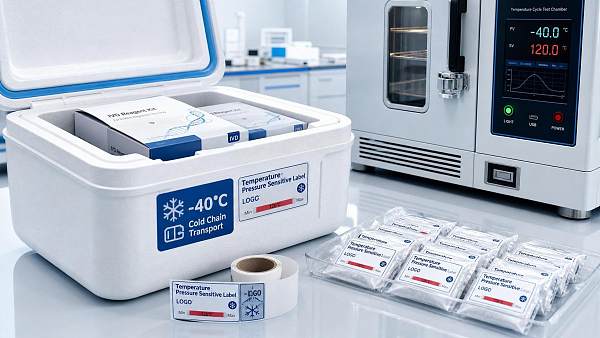
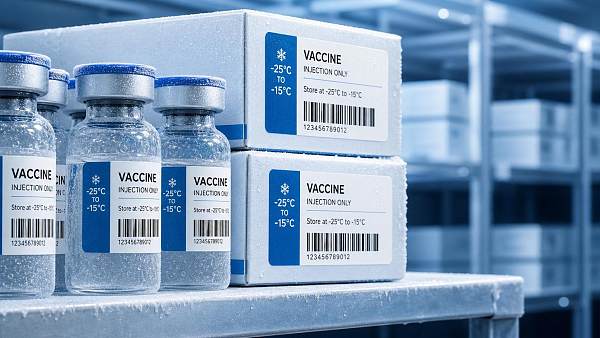
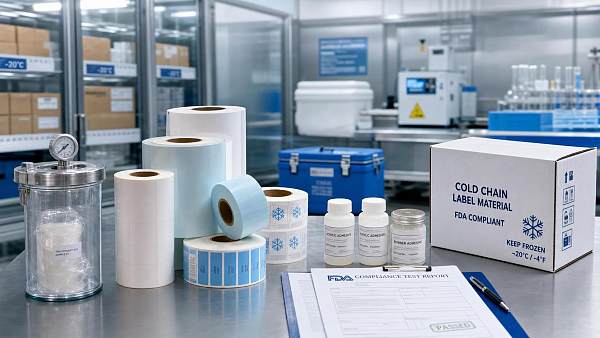
- Cold-chain and e-commerce routes expose bonds to wider temperature cycles.
- Anti-counterfeit labels require controlled destructiveness, residue, or tamper evidence.
- Retail shelves demand clean appearance, with no edge lift or adhesive bleed.
These signals make single-point approval risky. Water-based acrylic adhesives need data across time, surface, pressure, and climate.
Why the Testing Window Is Expanding
The push for deeper verification comes from technical, regulatory, and commercial forces moving at the same time.
Water-based acrylic adhesives are often chosen for balanced performance, but each formulation still has limits.
Those limits must be discovered before mass production, not after pallets leave the warehouse.
Core Bond Strength Checks That Matter Most
Peel Strength Shows Bond Retention
Peel testing measures how much force is needed to remove a label or tape from a defined substrate.
For water-based acrylic adhesives, peel should be tested after multiple dwell times, not only after full curing.
Typical observation points include 20 minutes, 24 hours, seven days, and after environmental conditioning.
Failure mode matters as much as force. Clean release, adhesive split, or substrate tear tell different stories.
Tack Testing Captures First Contact Risk
Tack is critical when labels are applied at speed, on curved bottles, cold packs, or slightly uneven cartons.
Water-based acrylic adhesives with weak initial tack may pass later peel tests but fail during early conveying.
Loop tack, rolling ball tack, or probe tack methods can reveal short-contact performance differences.
Shear Resistance Protects Long-term Holding
Shear testing evaluates how well an adhesive resists sliding under load over time.
This check is important for large labels, hanging security seals, carton closures, and vertical storage conditions.
Water-based acrylic adhesives must balance tack and shear, because very soft systems may grab quickly but creep later.
Substrate Compatibility Is Now a Frontline Risk
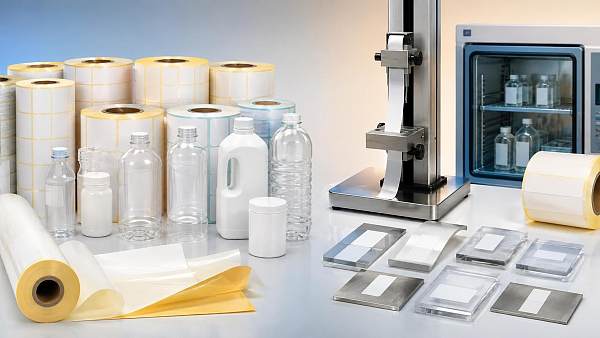
Modern packaging uses coated paper, recyclable films, metallized layers, barrier coatings, and low-energy polymer surfaces.
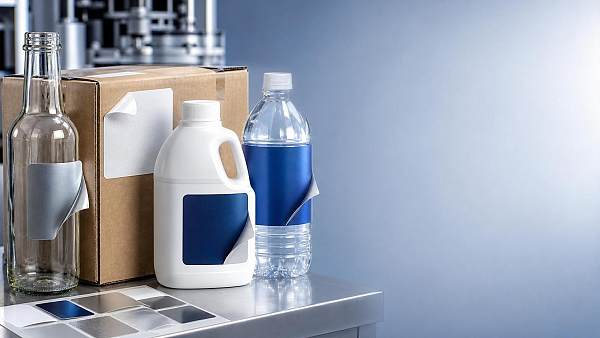
A bond that works on standard glass may fail on matte varnish, chilled HDPE, or corona-treated BOPP.
Water-based acrylic adhesives should be screened on actual production substrates, including inks, lacquers, and release surfaces.
- Check surface energy before adhesion testing.
- Record coating, ink, and lamination details.
- Test aged substrate samples, not only fresh rolls.
- Compare machine-applied and hand-applied samples.
This approach reduces surprises when suppliers change film treatment, varnish chemistry, or recycled content.
Environmental Stress Reveals Hidden Weakness
Packaging rarely stays in laboratory conditions. It meets humidity, sunlight, compression, vibration, cold rooms, and warm containers.
Water-based acrylic adhesives must be evaluated under conditions close to the actual logistics route.
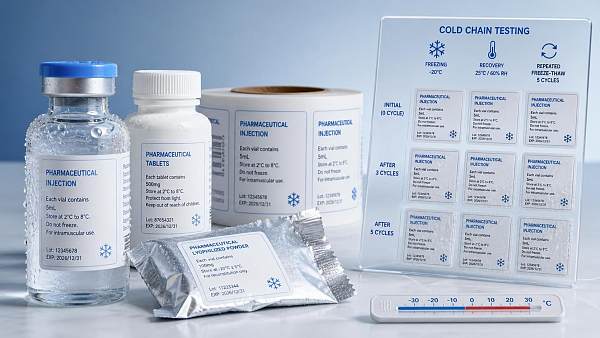
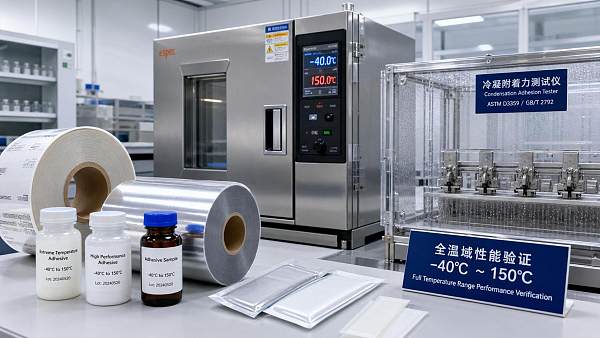
A useful stress program may include cold exposure, heat aging, high humidity, freeze-thaw cycles, and UV contact.
The most valuable result is not a perfect score. It is a clear boundary for safe use.
Impacts Across Packaging and Security Workflows
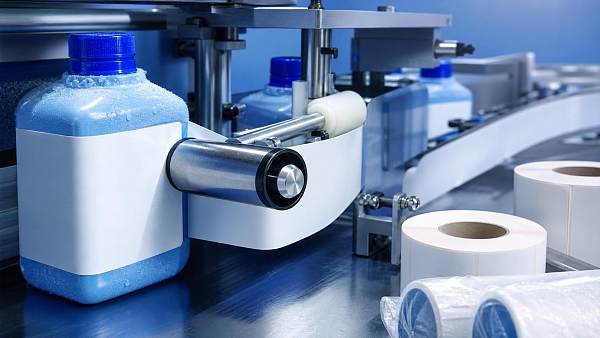
In high-speed labeling, unstable water-based acrylic adhesives can cause stoppages, rejected packs, and scanner errors.
In anti-counterfeit labels, the bond must support security behavior, not merely stick to the surface.
Tamper-evident designs may require fiber tear, VOID transfer, destructible facestock, or controlled residue patterns.
In food, pharmaceutical, electronics, and courier packaging, adhesion data also supports traceability confidence.
- Labeling lines need predictable tack and release liner behavior.
- Warehousing needs readable barcodes after friction and temperature shifts.
- Brand protection needs irreversible or visible tamper response.
- Sustainability programs need performance without unnecessary over-engineering.
What Strong Evaluation Programs Should Include
A reliable program for water-based acrylic adhesives should connect laboratory numbers with production behavior.
Testing should document adhesive coat weight, drying conditions, lamination pressure, dwell time, and sample preparation method.
Without these details, results become difficult to compare across batches, plants, and suppliers.
- Define the target substrate and real application temperature.
- Set minimum values for peel, tack, shear, and appearance.
- Run tests after short and long dwell periods.
- Add aging cycles based on actual route risk.
- Record failure modes with photos and written notes.
For water-based acrylic adhesives, repeatability is essential because small changes in drying or coating weight can alter performance.
Key Decision Points Before Production Scale-up
Scale-up often exposes gaps that small laboratory samples cannot show.
Water-based acrylic adhesives may behave differently when coated at industrial speed, dried under variable airflow, or laminated under tension.
These checks reduce the risk of approving a formulation that works only under ideal laboratory handling.
How to Interpret Results Without Overreacting
Higher peel is not always better. Excessive adhesion may damage packaging or prevent clean recycling streams.
Water-based acrylic adhesives should be judged against the intended function, surface, and removal requirement.
A logistics label needs durability. A removable promotion label needs controlled release without stains.
A security label may need destructive removal, while a returnable container label may need wash-off performance.
The best specification defines acceptable force, visual condition, and failure mode together.
Signals to Watch in the Next Evaluation Cycle
Future testing of water-based acrylic adhesives will likely become more data-rich and application-specific.
- More testing on recycled and mono-material packaging surfaces.
- Greater use of route-based climate simulations.
- Closer attention to adhesive compatibility with digital printing inks.
- Demand for lower coat weight without reduced bond reliability.
- Security labels requiring both authentication and measurable tamper response.
These trends reward suppliers and converters that can explain performance with evidence, not vague claims.
Practical Next Steps for Safer Adhesive Approval
Start by mapping where failure would cause the greatest loss: label lift, lost barcode data, leakage, or tamper uncertainty.
Then build a focused test matrix for water-based acrylic adhesives using actual substrates and realistic handling conditions.
Compare peel, tack, shear, aging, and visual results before approving full-scale production.
PPCS tracks adhesive, label, film, and coating intelligence across the packaging consumables chain.
Use bond strength checks as an early warning system, not a final inspection ritual.
When water-based acrylic adhesives are verified against real stress, packaging gains stronger protection, cleaner compliance, and more dependable shelf performance.
Recommended News
 Sep 07, 2026How to evaluate a pressure sensitive adhesive exporter for bulk supplyChoose a pressure sensitive adhesive exporter with confidence. Learn how to verify label construction, performance trials, quality control, compliance, and landed cost for reliable bulk supply.
 Aug 26, 2026How adhesive labels hold up in cold chain shipping conditionsAdhesive Labels cold chain performance depends on more than freezer rating. Learn how adhesion, print durability, condensation, and substrate choice affect reliable shipping.
 Aug 20, 2026Which pressure sensitive adhesive materials for tapes hold up best in cold storagePressure sensitive adhesive materials for tapes: discover which acrylic, rubber, and low-temperature options perform best in cold storage to reduce seal failure and improve traceability.
 Aug 17, 2026How to choose cryogenic labels for laboratory samples that stay readable after freezingCryogenic labels for laboratory samples: learn how to choose labels that stay attached and readable after freezing, thaw cycles, wiping, and daily lab handling.
 Aug 14, 2026How to Evaluate Cold Chain Adhesive for Pharmaceuticals Under Freeze-Thaw ConditionsCold chain adhesive for pharmaceuticals: learn how to evaluate freeze-thaw performance, label durability, print readability, and real-world package compatibility before approval.
 Jul 10, 2026Korea Tightens Data Filing for Extreme-Temp AdhesivesKorea tightens data filing for extreme-temp adhesives: learn how MFDS’s new ASTM D4498-22 thermal-cycle report rule could reshape IVD, vaccine label compliance, lab scheduling, and Korea market entry.
 Jul 10, 2026High Tack Labeling Adhesives: Common Failure Causes and FixesHigh tack labeling adhesives can still fail from poor wet-out, temperature mismatch, contamination, or wrong construction. Discover common causes and practical fixes to improve label performance.
 Jul 10, 2026Cold Chain Labeling Materials for Vaccines: Key Risks Below -20CCold chain labeling materials for vaccines: discover the key risks below -20C, from adhesive failure to barcode loss, and learn how to choose safer, compliant labeling solutions.
 Jul 09, 2026FDA Adds Full-Range Testing for Extreme-Temp AdhesivesFDA Adds Full-Range Testing for Extreme-Temp Adhesives: learn how the 2026 FDA rule affects food-contact packaging, ASTM D429-24 compliance, and U.S. market access before Oct. 1.
 Jul 08, 2026FDA Adds Full-Range Testing to 21 CFR 175.105FDA Adds Full-Range Testing to 21 CFR 175.105: learn how new migration testing rules for food-contact adhesives may affect U.S. packaging compliance, sourcing, and documentation.
 Jul 08, 2026How to Compare Pressure Sensitive Adhesive Materials for Heat, Peel, and Surface FitPressure sensitive adhesive materials compared for heat resistance, peel control, and surface fit. Discover how to choose the right option for reliable packaging and labeling performance.
![]() Jul 07, 2026FDA Expands Food-Contact Adhesive TestsFDA Expands Food-Contact Adhesive Tests: learn how the 2026 FDA update changes extreme-temp adhesive compliance, migration reports, supplier reviews, and shipment planning before enforcement.
Jul 07, 2026FDA Expands Food-Contact Adhesive TestsFDA Expands Food-Contact Adhesive Tests: learn how the 2026 FDA update changes extreme-temp adhesive compliance, migration reports, supplier reviews, and shipment planning before enforcement.![]() Jul 07, 2026Cold-Chain Labeling Failures: 7 Causes and FixesCold-chain labeling failures often start before shipping. Discover 7 common causes, practical fixes, and smarter route-based strategies to improve adhesion, scan accuracy, and compliance.
Jul 07, 2026Cold-Chain Labeling Failures: 7 Causes and FixesCold-chain labeling failures often start before shipping. Discover 7 common causes, practical fixes, and smarter route-based strategies to improve adhesion, scan accuracy, and compliance. Jul 06, 2026How to Choose Waterproof Adhesive Labels That Last OutdoorsAdhesive Labels waterproof solutions for outdoor use: learn how to choose durable materials, adhesives, and print methods that resist rain, UV, and abrasion.
 Jul 05, 2026FDA Tightens Part 177 Testing for Cold-Chain Label AdhesivesFDA Tightens Part 177 Testing for Cold-Chain Label Adhesives: learn how new migration limits and third-party reports may impact compliance, costs, lead times, and U.S. export readiness.
 Jul 05, 2026Freezer Grade Adhesive Technology: Common Failure Causes and Fix StrategiesFreezer grade adhesive technology explained: uncover common cold-chain label failure causes, from frost and poor tack to print loss, and learn practical fix strategies to improve reliability.
 Jul 03, 2026FDA Rule Adds Cold-Resistance Grade for Frozen LabelsFDA Rule Adds Cold-Resistance Grade for Frozen Labels: learn how the new ASTM D3359 4B disclosure requirement affects frozen food labels, export documents, importer reviews, and cold-chain compliance before Oct. 1, 2026.
 Jul 02, 2026FDA Requires Cold-Resistance Labeling for Extreme-Temp Adhesive LabelsFDA Requires Cold-Resistance Labeling for Extreme-Temp Adhesive Labels: learn how the 2026 FDA rule affects food packaging, cold-chain compliance, supplier documentation, and labeling decisions.
 Jul 01, 2026FDA Tightens Low-Temperature Labeling for Food AdhesivesFDA tightens low-temperature labeling for food adhesives, requiring minimum service temperature and tested cold-resistance grades. Learn what it means for suppliers, exporters, and U.S. food chain compliance.
 Jul 01, 2026Extreme-Temp Adhesives for Cryogenic Labels: Failure Causes and FixesExtreme-temp adhesives for cryogenic labels: learn the real failure causes—embrittlement, condensation, substrate mismatch, and print breakdown—and discover practical fixes for reliable cold-chain labeling.
 Jun 30, 2026FDA Updates Food Label Adhesive Rules for Extreme ColdFDA updates food label adhesive rules for extreme cold: learn the new ASTM D3330 disclosure requirement, compliance deadline, and what exporters and cold-chain suppliers must do now.
 Jun 24, 2026Fix Label Lift at Speed: Choosing the Right High-Speed Labeling AdhesivesHigh-speed labeling adhesives are key to preventing label lift on fast lines. Learn how to match adhesive performance to substrates, cold storage, and packaging stress for reliable results.
 Jun 22, 2026High-Speed Labeling Adhesives: How to Reduce Lift, Ooze, and DowntimeHigh-speed labeling adhesives: learn how to reduce label lift, adhesive ooze, and costly downtime with smarter material selection, setup checks, and surface-specific labeling strategies.
 Jun 19, 2026Industrial Adhesive Systems: How to Compare Heat, Bond, and Cure PerformanceIndustrial adhesive systems compared the smart way: evaluate heat resistance, bond strength, and cure performance together to reduce failure risk, improve packaging reliability, and choose with confidence.