Choosing a Water-based Acrylic Adhesives Manufacturer
Selecting a reliable water-based acrylic adhesives manufacturer is no longer just a sourcing decision—it is a strategic move affecting performance, compliance, safety, and cost.
For business evaluators, the best supplier is not simply the lowest bidder, but the partner that reduces operational risk across labeling and packaging systems.
A strong manufacturer should combine coating chemistry, stable production, regulatory awareness, and application support for high-speed labeling, security packaging, and sustainable consumables.
What Buyers Are Really Trying to Determine
When companies search for a water-based acrylic adhesives manufacturer, they usually want to know whether a supplier can perform reliably at scale.
The central question is not whether the adhesive can stick, but whether it can keep performing under real production and distribution pressure.
Business evaluators are often comparing suppliers for pressure-sensitive labels, tamper-evident seals, cold-chain packaging, carton sealing, or specialty film applications.
They need evidence that adhesive performance, compliance documentation, coating consistency, and delivery reliability can survive long procurement cycles and demanding audits.
Therefore, the evaluation should focus on measurable capability, not generic claims about being eco-friendly, innovative, or experienced in adhesive manufacturing.
Start with Application Fit, Not Product Lists
A capable manufacturer should first understand where the adhesive will be used, how it will be coated, and what conditions it must endure.
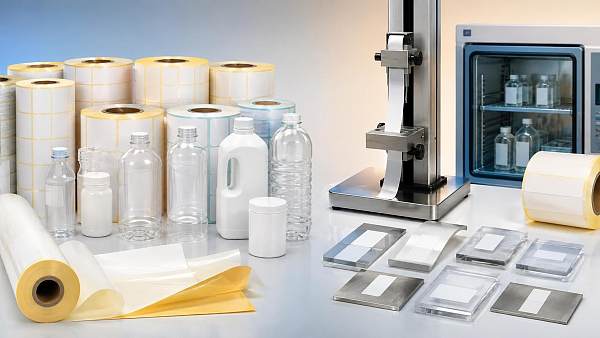
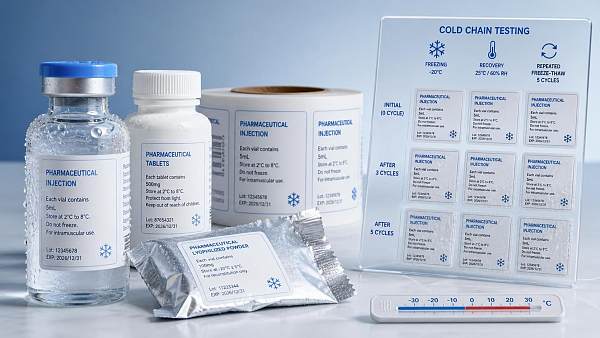
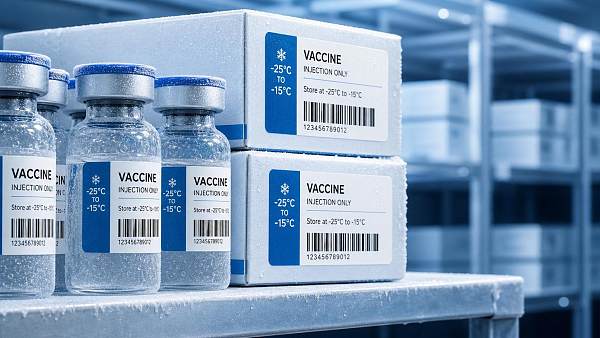
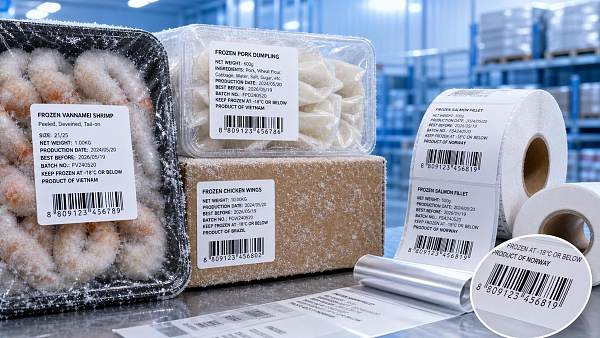
Labels for frozen food, pharmaceuticals, logistics cartons, cosmetics, and electronics packaging all require different balances of tack, peel, cohesion, and resistance.
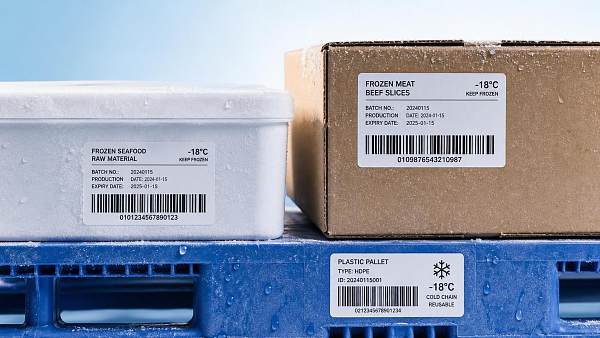
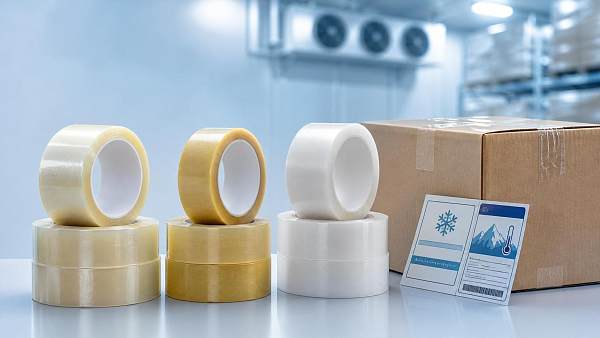
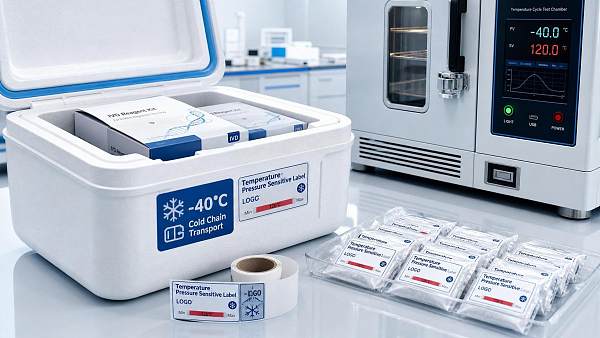
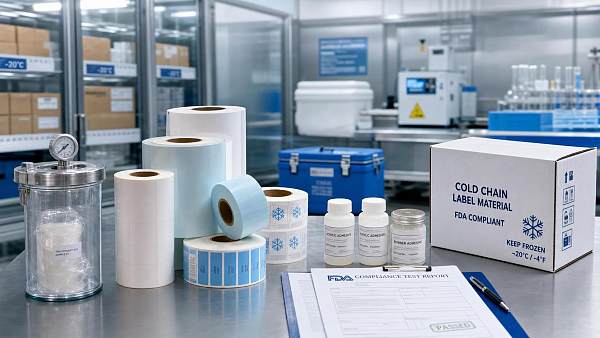
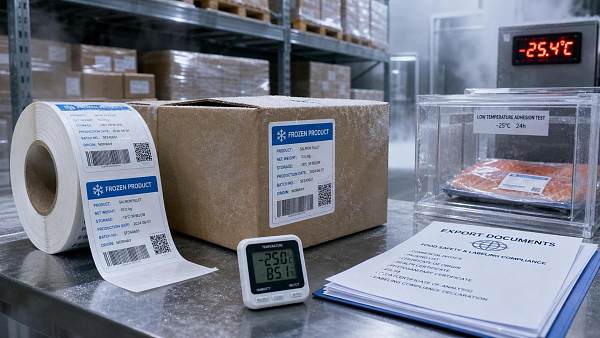
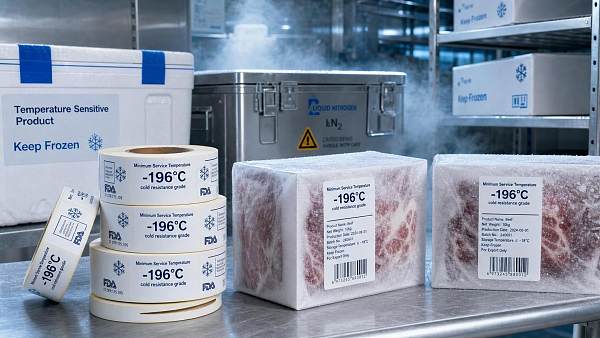
For example, cold-chain labels may need adhesion after condensation, while anti-counterfeit seals require controlled destructibility or permanent evidence after removal.
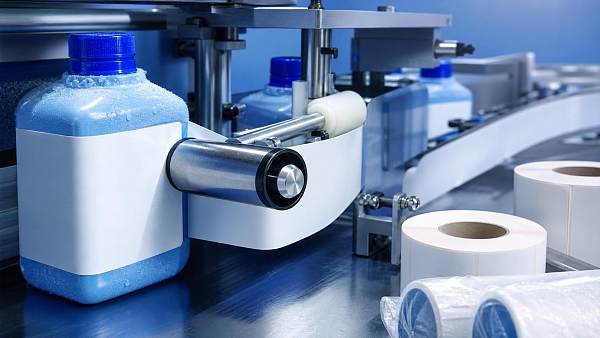
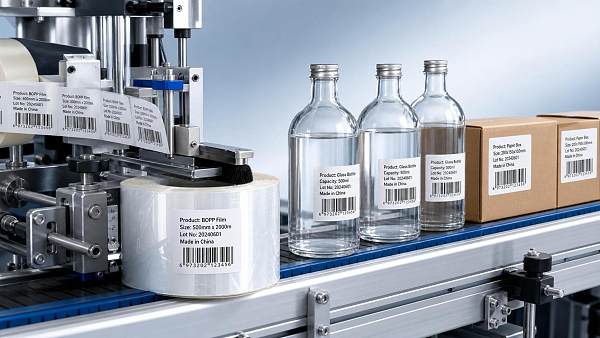
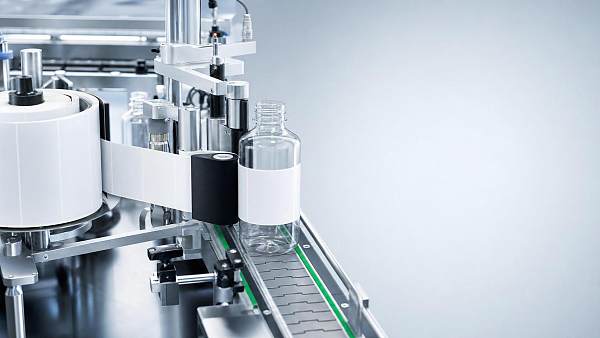
High-speed labeling lines add another layer of complexity because poor adhesive flow can cause edge lifting, web breaks, or adhesive transfer.
Before requesting prices, buyers should define substrate, surface energy, application temperature, dwell time, service temperature, and expected shelf life.
A serious manufacturer will ask these questions early and may recommend testing protocols before pushing a standard grade from its catalogue.
Evaluate Chemistry Expertise and Formulation Control
Water-based acrylic adhesives rely on emulsion polymerization, monomer selection, surfactant balance, crosslinking strategy, and particle size distribution.
These factors determine initial tack, shear resistance, peel strength, water whitening behavior, aging stability, and compatibility with coating equipment.
Manufacturers with real chemistry expertise can explain why one formulation suits BOPP labels while another performs better on paper facestock.
They should also understand how adhesive design changes when applied to PET liners, kraft release papers, metallized films, or security label constructions.
For evaluators, the practical question is whether the supplier can modify formulations when your application changes or only sell fixed products.
Customization capability matters because packaging owners increasingly demand lighter substrates, recyclable structures, cleaner labels, and improved performance under aggressive logistics conditions.
Quality Stability Is More Important Than One Good Sample
A sample that performs well in a laboratory is useful, but it does not prove batch-to-batch manufacturing consistency.
Business buyers should ask how viscosity, solids content, pH, particle size, residual monomer, and mechanical stability are controlled.
These parameters directly affect coating uniformity, drying behavior, roll aging, label conversion, and final adhesion after storage.
A qualified water-based acrylic adhesives manufacturer should operate documented quality systems with incoming raw material checks and in-process monitoring.
Certificates of analysis should not be treated as paperwork only; they should match the performance variables relevant to your coating process.
If possible, evaluate several production batches, not only development samples prepared for sales presentations or trade show demonstrations.
Regulatory Compliance Must Be Built into the Formula
Water-based acrylic systems are often selected because they reduce solvent emissions and support safer, lower-VOC production environments.
However, environmental positioning alone is not enough for packaging used in food, pharmaceuticals, cosmetics, or international consumer goods.
Buyers should request documentation related to REACH, RoHS, food-contact suitability, heavy metals, SVHC status, and applicable local regulations.
For exports into Europe, packaging regulations and recyclability requirements are tightening, making adhesive selection part of compliance strategy.
The wrong adhesive can complicate recycling, contaminate mono-material structures, or create audit risks for global brand owners.
A mature manufacturer should understand not only chemical restrictions, but also how adhesive choice affects label removability and packaging recyclability.
Look Closely at Coating and Converting Support
Many adhesive failures are not caused by the formula alone, but by poor matching with coating, drying, or converting conditions.
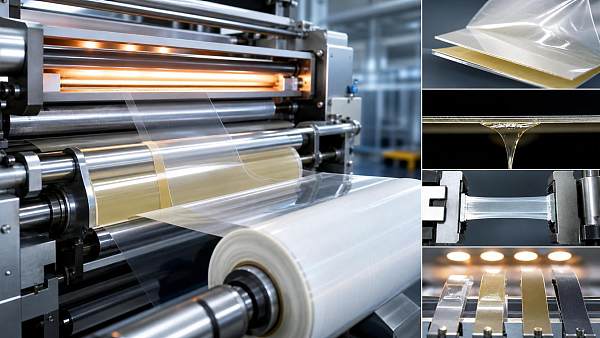
Manufacturers with practical application knowledge can advise on coat weight, drying temperature, line speed, corona treatment, and release liner selection.
This support is especially valuable for high-speed label producers, where small changes can create downtime, waste, or customer complaints.
Ask whether the supplier can provide pilot coating trials, troubleshooting visits, failure analysis, and technical recommendations after delivery.
A low-cost adhesive becomes expensive if it increases web breaks, causes die-cutting problems, or shortens label roll storage life.
The right partner helps stabilize the whole consumable system, from coating head to label dispensing and final package performance.
Assess Performance Under Real Operating Conditions
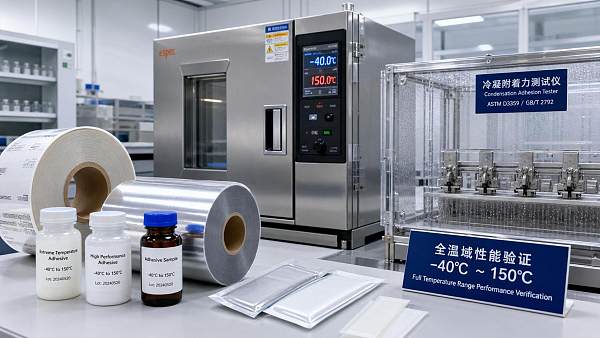
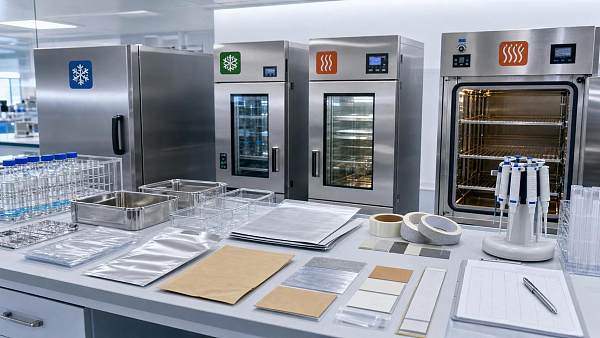
Adhesive performance should be tested against the conditions your products will actually face, not only standard room-temperature laboratory measurements.
Useful tests may include peel adhesion, loop tack, static shear, aging, water resistance, humidity cycling, low-temperature application, and UV exposure.
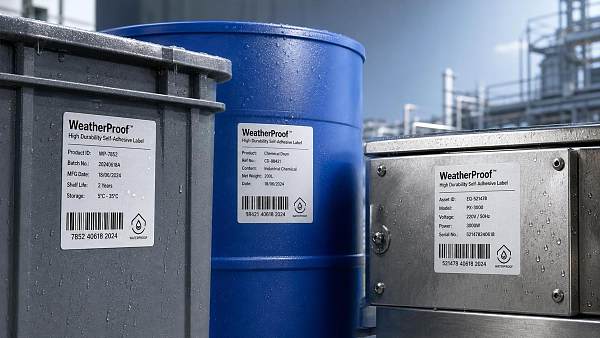
For logistics labels, barcode readability after abrasion and moisture exposure may matter as much as adhesion strength.
For tamper-evident labels, the goal may be controlled failure, fiber tear, film destruction, or permanent “VOID” transfer.
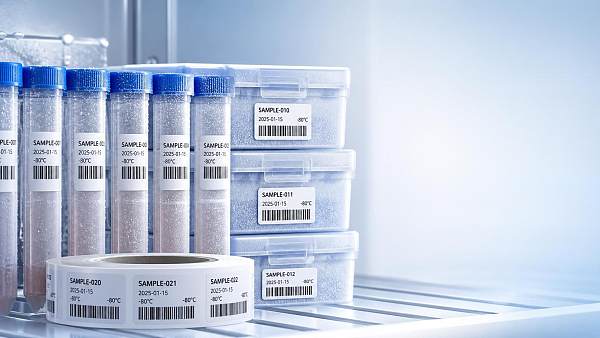
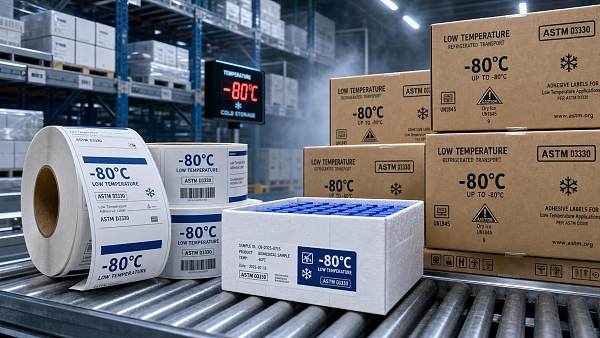
For cold-chain packaging, adhesive wet-out and performance after freezing, thawing, condensation, and rough handling should be validated.
A reliable manufacturer will help translate business risks into test methods, acceptance criteria, and production control points.
Review Supply Security and Production Capacity
Business evaluators should examine whether the manufacturer can support both current demand and future scaling requirements.
Important questions include monthly capacity, reactor configuration, raw material sourcing, inventory policy, lead times, and emergency supply arrangements.
Water-based acrylic adhesives depend on monomers, emulsifiers, defoamers, preservatives, and specialty additives that may fluctuate in price or availability.
A supplier with weak procurement control may create hidden risk, even if its initial pricing looks attractive.
For global packaging and label businesses, delayed adhesive shipments can stop coating lines and disrupt downstream customer delivery schedules.
Choose manufacturers that can communicate supply risks early, maintain consistent production planning, and support long-term procurement stability.
Compare Total Cost, Not Only Unit Price
The cheapest adhesive per kilogram may not deliver the lowest cost per finished square meter or accepted label roll.
Total cost includes coat weight, drying energy, coating speed, waste rate, rejected rolls, complaint handling, and product returns.
A higher-solids adhesive, for instance, may reduce drying load and increase throughput, even if the unit price is higher.
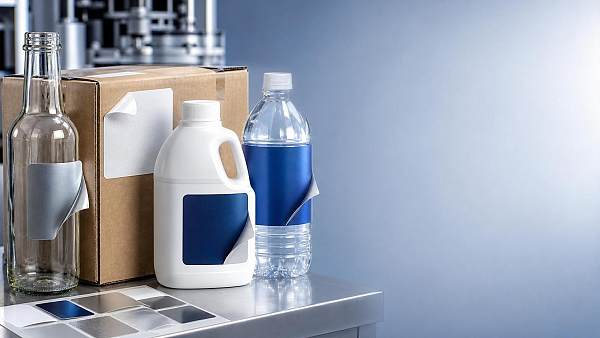
Similarly, better shear strength may reduce label lifting on curved bottles, avoiding expensive failures after products reach retail shelves.
Business evaluators should build a cost model that includes production efficiency, warranty exposure, compliance cost, and supplier service quality.
This approach helps procurement teams avoid false savings that later become operational losses or brand reputation problems.
Demand Transparent Documentation and Traceability
A professional manufacturer should provide technical data sheets, safety data sheets, compliance declarations, batch certificates, and recommended storage conditions.
For regulated or brand-sensitive applications, traceability is essential because adhesive-related failures may require root-cause investigation months later.
Batch records, raw material traceability, retained samples, and change-control procedures help protect both supplier and buyer.
Ask how the manufacturer communicates formula changes, raw material substitutions, process adjustments, or regulatory updates.
Unannounced changes can alter coating behavior or end-use performance, especially in pressure-sensitive labels and security packaging.
Strong documentation is not bureaucracy; it is a practical safeguard against quality disputes and compliance exposure.
Check Industry Experience and Reference Applications
Experience matters most when it is directly relevant to your substrate, coating process, and end-use environment.
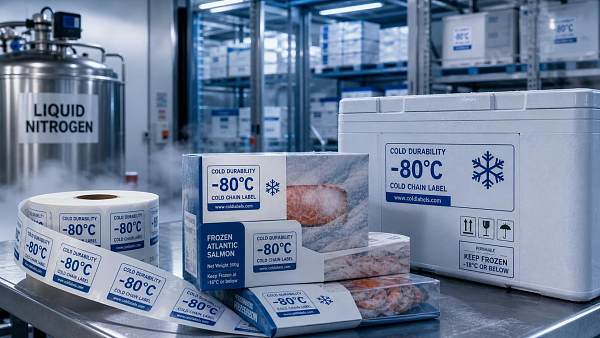
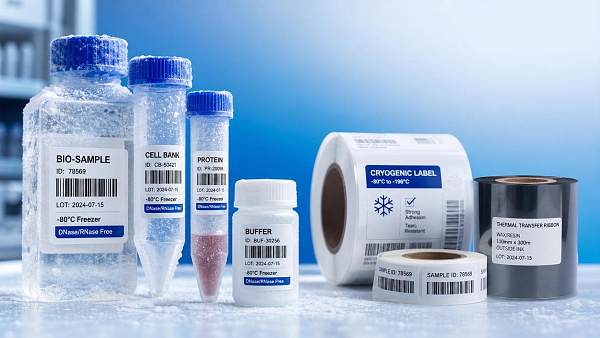
A manufacturer serving commodity carton labeling may not automatically understand pharmaceutical seals or cryogenic label applications.
Ask for reference cases involving similar substrates, line speeds, climate exposure, regulatory requirements, or anti-counterfeit constructions.
It is also useful to learn whether the supplier works with film coaters, label converters, packaging brands, or only distributors.
Manufacturers closer to real converting operations usually understand practical problems faster and propose more realistic adjustments.
Evidence of repeat customers, long-term programs, and successful troubleshooting is more valuable than broad marketing claims.
Consider Sustainability Beyond the Water-based Label
Water-based acrylic adhesives generally offer environmental advantages over solvent-based systems, especially regarding emissions and workplace safety.
Yet sustainability should be evaluated across the packaging structure, not only at the adhesive category level.
Buyers should ask whether the adhesive supports recyclable films, wash-off labeling, lower coat weights, or reduced migration concerns.
In packaging systems moving toward mono-material recyclability, even a thin adhesive layer can influence recycling quality.
Manufacturers that understand packaging regulations, plastic reduction, and circular design can provide better long-term strategic value.
This is especially important for exporters facing stricter packaging waste rules, plastic taxes, and customer sustainability audits.
Red Flags During Supplier Evaluation
Several warning signs should make buyers cautious, even when samples appear acceptable and pricing seems competitive.
Be careful with suppliers that cannot explain key performance trade-offs between tack, peel, and holding power.
Other red flags include vague compliance answers, inconsistent technical data, no batch traceability, and reluctance to support trial production.
If a manufacturer promises one adhesive for every substrate and every climate, the risk of oversimplification is high.
Also question suppliers that rely only on sales representatives without accessible technical personnel for troubleshooting and application discussion.
A strong manufacturer should welcome detailed questions because serious evaluation usually leads to more stable long-term cooperation.
A Practical Selection Checklist
Before approving a water-based acrylic adhesives manufacturer, buyers should complete a structured review across technical, commercial, and compliance dimensions.
Confirm that the supplier understands your substrate, coating process, label construction, application temperature, storage conditions, and end-use environment.
Review production controls for solids, viscosity, pH, mechanical stability, particle size, and batch consistency.
Request compliance documents, safety data, regulatory declarations, and change-control procedures before starting qualification trials.
Run production-scale tests and compare performance under realistic conditions, including aging, humidity, temperature cycling, and dispensing speed.
Finally, compare total cost and risk reduction, not only quotation price, because adhesive failures often appear downstream.
Final Judgment: Choose a Partner, Not Just a Supplier
The right manufacturer should make your labels, films, and packaging systems more reliable, compliant, and cost-efficient.
For business evaluators, the strongest choice is a supplier that connects polymer chemistry with real coating and packaging performance.
A dependable partner will help reduce production disruption, improve application success, support sustainability goals, and provide documentation for audits.
In high-volume packaging consumables, adhesive selection influences far more than bonding strength; it affects brand safety and supply resilience.
Choosing a water-based acrylic adhesives manufacturer should therefore be treated as a strategic qualification process, not a transactional purchase.
When technical evidence, compliance confidence, application support, and supply stability align, the manufacturer becomes a long-term competitive asset.