Search News
Industry Portal
Hot Articles
- How to verify FDA compliance for packaging inks used on food packagingPackaging inks FDA compliant? Learn how to verify food-contact safety through regulatory citations, migration testing, supplier declarations, and process controls.
- When do holographic foils add value to luxury goods packaging?Packaging materials for luxury goods gain impact with holographic foils that elevate shelf appeal, authenticity, and premium unboxing—learn when this finish delivers real value.
- Can nano encryption technology stop counterfeit labels from being copied?Nano encryption technology anti counterfeit labels combine physical security, tamper evidence, and serialization to make copying harder. Explore smarter protection.
Popular Tags
Luxury Packaging Materials: Cost vs Shelf Appeal
Time
Click Count
For business evaluators, choosing luxury packaging materials is no longer a simple trade-off between cost control and visual impact. Premium films, anti-counterfeit labels, cushioning systems, foils, and print consumables must justify their price through shelf appeal, product protection, compliance readiness, and brand trust.
This article examines how packaging decision-makers can assess material performance, total ownership cost, and consumer-facing value to determine when higher-end packaging investment truly strengthens commercial outcomes.
Luxury Packaging Materials: Cost vs Shelf Appeal
Luxury packaging materials influence how a product is seen, handled, protected, authenticated, shipped, and remembered. Their value is rarely limited to surface decoration.
A foil finish may lift shelf visibility. A high-barrier film may prevent returns. A tamper-evident label may protect premium credibility.
The real question is not whether luxury packaging materials cost more. The better question is whether they reduce commercial friction elsewhere.
Why a Checklist Is Needed Before Upgrading Packaging
Premium packaging choices often involve emotion, brand ambition, and technical complexity. Without a checklist, visual appeal can overpower operational facts.
Luxury packaging materials must pass four tests: protection, perception, process stability, and end-of-life responsibility. Missing one test can erase perceived value.
A metallized carton may look expensive, but poor recyclability can create compliance risk. A soft-touch film may feel premium, but scratch easily in transit.
Checklist-based evaluation keeps decisions practical. It connects shelf impact with measurable packaging performance, supplier capability, and total landed cost.
Core Checklist for Evaluating Luxury Packaging Materials
- Define the shelf role first, then select luxury packaging materials that support instant recognition, premium texture, and clear differentiation under store lighting.
- Calculate total ownership cost, including tooling, wastage, slower line speed, storage conditions, transport protection, returns, relabeling, and compliance documentation.
- Verify barrier requirements before adding decoration, especially for foods, cosmetics, electronics, pharmaceuticals, fragrances, and humidity-sensitive premium goods.
- Test foil, film, coating, ink, and adhesive compatibility on real substrates before approving high-volume luxury packaging materials for launch.
- Compare visual gain against defect sensitivity, because mirror foils, deep blacks, soft-touch coatings, and holographic effects reveal scratches quickly.
- Review anti-counterfeit needs, then specify tamper-evident labels, serialized codes, holographic foils, security inks, or destructible adhesives where brand trust matters.
- Measure sustainability claims with material evidence, including mono-material design, recycled content, compostability certificates, downgauging, and regional packaging regulations.
- Run transit simulations using packed products, not empty samples, because luxury packaging materials must survive vibration, compression, moisture, and handling abrasion.
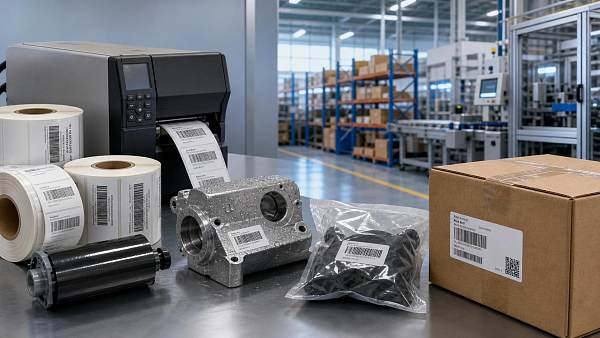
- Check print durability against friction, oils, alcohol, sunlight, freezing, and heat, especially when barcodes, batch codes, or authenticity marks are essential.
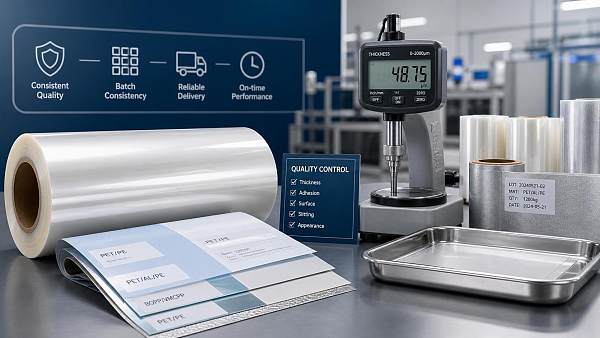
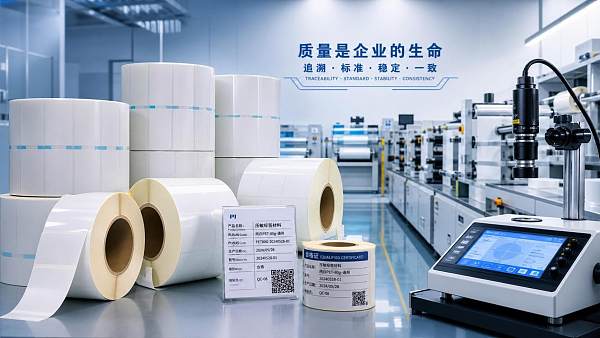
- Request supplier process data, including coating tolerance, film gauge consistency, adhesive aging behavior, foil release stability, and batch traceability.
Cost Factors Hidden Behind Premium Shelf Appeal
The invoice price of luxury packaging materials is only one cost layer. The deeper cost structure appears during conversion, filling, distribution, and disposal.
Hot stamping foils, holographic films, and specialty varnishes may require slower production windows. Registration tolerance can also increase rejected sheets.
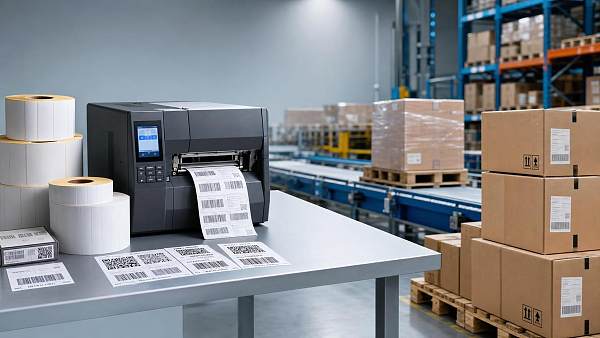
Premium labels can demand precise dispensing tension. If adhesive tack is wrong, labels may flag, wrinkle, or detach during chilled storage.
High-barrier BOPP or PET films can reduce spoilage and warranty exposure. In this case, higher material cost may lower downstream loss.
Material Choices That Shape Premium Perception
Metallized Foils and Holographic Effects
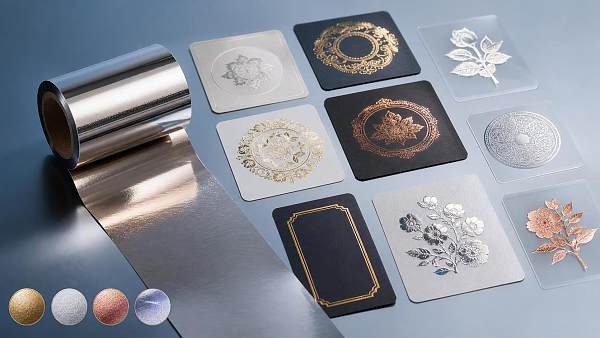
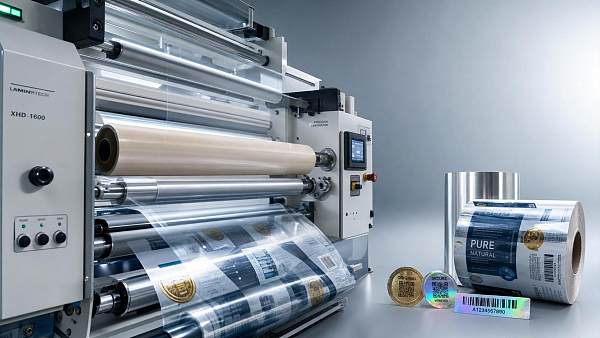
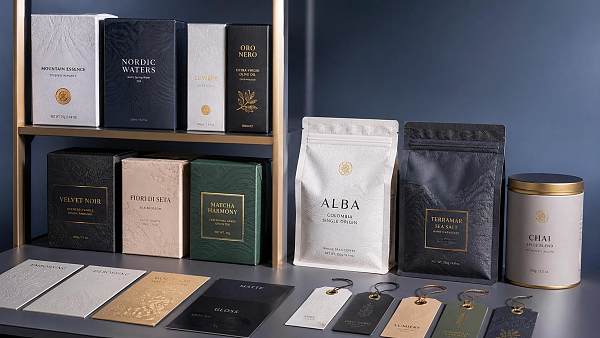
Foils create quick visual hierarchy on crowded shelves. Gold, silver, diffraction, and cat-eye effects signal scarcity, ceremony, and higher product value.
However, these luxury packaging materials require disciplined artwork. Excessive shine can look cheap, especially when typography, color, and substrate feel are mismatched.
High-Barrier Films for Protection
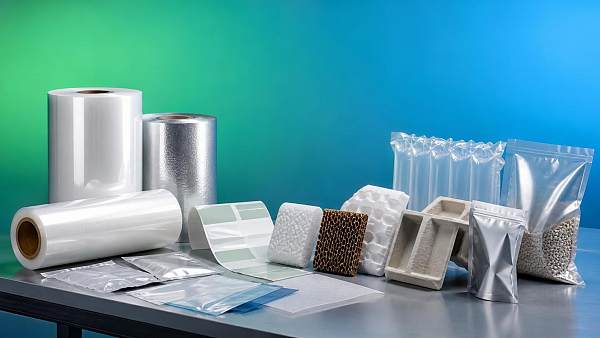
BOPP, PET, and specialty laminated films protect aroma, crispness, moisture balance, and oxygen-sensitive formulations. They preserve the promise made by premium design.
In many sectors, luxury packaging materials must protect invisible quality first. Beautiful packaging that fails barrier performance damages trust quickly.
Anti-Counterfeit Labels and Security Coatings
Premium goods attract substitution, diversion, and tampering. Security labels add proof, traceability, and controlled destruction when opening is detected.
Void labels, microtext, serialized codes, holograms, and security inks turn luxury packaging materials into physical and digital identity carriers.
Eco-Friendly Cushioning and Structural Inserts
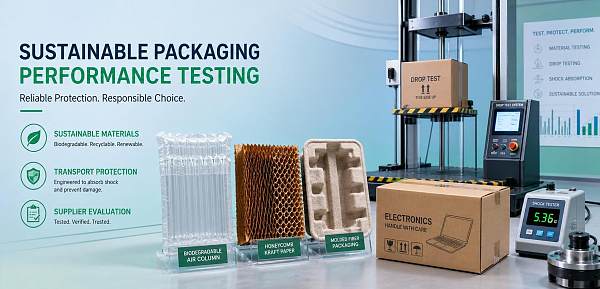
Biodegradable air columns, molded pulp, honeycomb kraft paper, and paper-based inserts protect products while supporting sustainability claims.
These luxury packaging materials matter in unboxing. A premium exterior loses force if the internal protection feels wasteful, dusty, or fragile.
Application Scenarios and Decision Notes
Cosmetics and Fragrance
Cosmetics rely heavily on touch, shine, color depth, and opening ritual. Luxury packaging materials must create desire before ingredients are considered.
Soft-touch coatings, foil accents, rigid boxes, and precise labels work well. They should be tested against oil, alcohol, fingerprints, and handbag abrasion.
Premium Food and Beverage
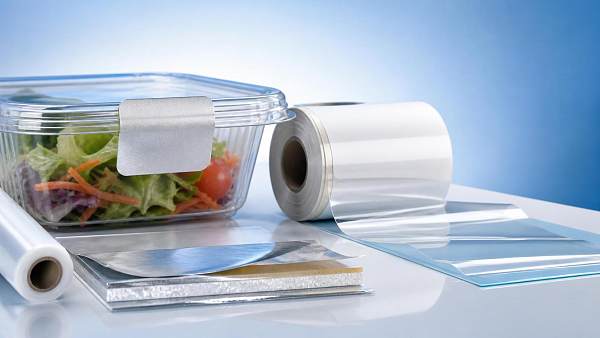
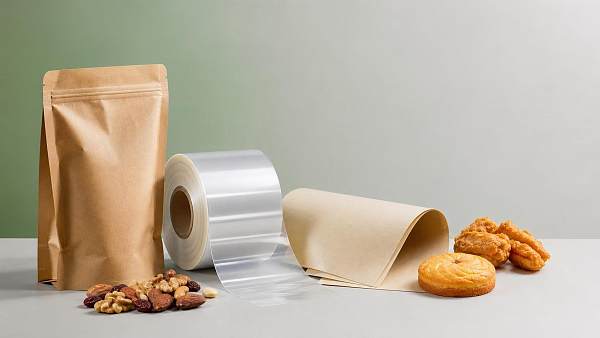
Shelf appeal cannot replace freshness. High-barrier films, sealing layers, thermal transfer codes, and moisture-resistant labels are central to product safety.
Luxury packaging materials in this category should communicate flavor quality while maintaining aroma protection, clean opening, and readable traceability.
Electronics and Precision Goods
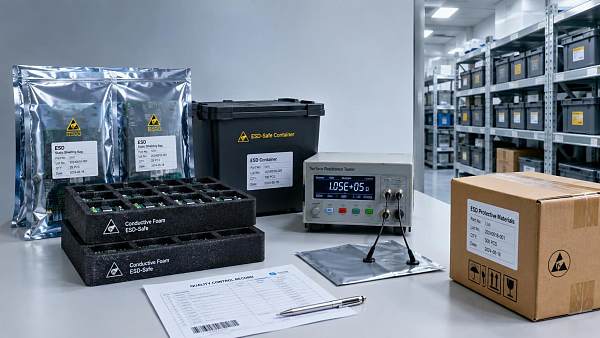
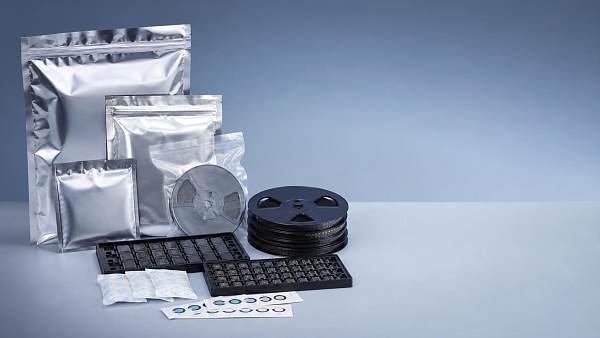
Premium electronics need anti-static protection, impact cushioning, barcode durability, and moisture control. Visual design must not compromise technical protection.
Luxury packaging materials can support brand prestige through clean surfaces, compact structures, molded pulp trays, and tamper-evident seals.
Pharmaceutical and High-Trust Products
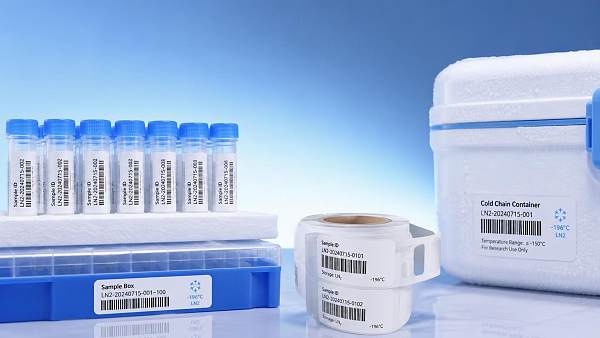
Here, luxury often means reliability rather than glamour. Tamper evidence, legible coding, cold-chain adhesion, and regulatory consistency matter most.
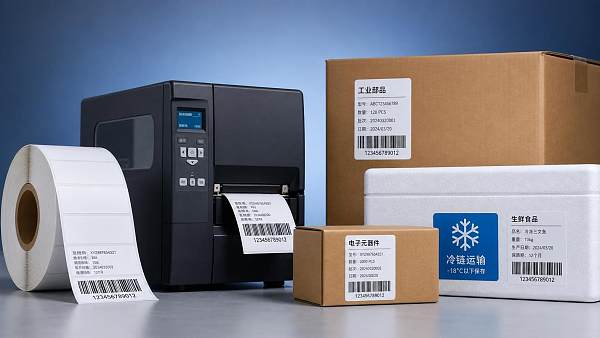
Premium labels and ribbons must remain readable after refrigeration, handling, disinfectants, and transport stress. Trust is built through stability.
Commonly Overlooked Risks
Ignoring line-speed reality: Some luxury packaging materials perform beautifully in mockups but fail on high-speed labeling, filling, or carton forming equipment.
Confusing recyclability with sustainability: A recyclable structure still fails if local systems cannot process the coating, foil, adhesive, or laminate combination.
Underestimating surface damage: Dark coatings, mirror foils, and soft films can show scuffs quickly, reducing shelf appeal before purchase.
Skipping adhesive aging tests: Labels may pass initial inspection but lose performance after humidity exposure, freezing, heat cycling, or long warehouse storage.
Forgetting code readability: Premium decoration should never interfere with barcode contrast, batch coding, serialization, or thermal transfer ribbon adhesion.
Overdecorating the pack: Too many premium effects dilute hierarchy. The strongest luxury packaging materials support restraint, clarity, and recognition.
Practical Execution Guide
- Start with the product risk map, listing moisture, oxygen, shock, theft, counterfeiting, abrasion, light exposure, and temperature sensitivity.
- Build three material routes: cost-controlled, premium-balanced, and maximum shelf-impact, using identical product protection requirements.
- Prototype with real substrates, coatings, labels, foils, ribbons, cushioning, and packed products rather than cosmetic renderings.
- Run shelf tests under retail lighting, e-commerce photography, warehouse handling, and consumer unboxing conditions.
- Score every option against protection, appearance, compliance, machinability, supplier resilience, and end-of-life clarity.
- Approve luxury packaging materials only after confirming repeatability across batches, regions, climate conditions, and logistics routes.
This approach prevents emotional overbuying. It also avoids false savings from low-cost materials that create returns, rework, or weak shelf presence.
Where possible, use lightweighting before downgrading. Thinner high-performance films can reduce material use while preserving strength and barrier performance.
Also separate decorative value from security value. A holographic foil may attract attention, while a serialized tamper label protects authenticity.
How to Balance Cost and Shelf Appeal
The best luxury packaging materials deliver visible and invisible returns. They attract attention while reducing spoilage, tampering, damage, and compliance uncertainty.
Use premium effects where the consumer notices first. Use technical materials where the product fails first. These two zones are not always identical.
For example, a premium liquor box may justify hot stamping on the front panel. The transit shipper may need stronger cushioning instead.
A premium snack may need high-barrier film more than an expensive carton. Freshness is the real shelf promise in that case.
A beauty product may need both tactile coating and abrasion testing. If the pack scratches easily, luxury perception collapses before checkout.
Summary and Next Action
Luxury packaging materials should be judged by commercial usefulness, not decoration alone. The strongest choices combine protection, visibility, authenticity, and compliance readiness.
Start with a checklist, test under real conditions, and compare total ownership cost against measurable shelf appeal. This creates disciplined premium packaging decisions.
Before approving any upgrade, request performance data, sustainability evidence, line trials, and transit results. Then invest where luxury packaging materials defend value and help products win attention.
Recommended News
 Sep 09, 2026How to assess a water based adhesive materials factory’s quality controlWater based adhesive materials factory quality control: learn how to audit traceability, batch consistency, testing, and change control for safer sourcing.
 Sep 08, 2026How to qualify an electronic protective materials supplier for ESD controlLearn how to qualify an electronic protective materials supplier for reliable ESD control with test data, traceability, lot consistency, and packaging checks.
 Aug 18, 2026What to check before choosing a cryogenic labels supplierCryogenic labels supplier selection starts with performance, not price. Learn what to check for adhesion, print durability, compliance, and supply reliability before you buy.
 Aug 16, 2026How to measure packaging sustainability metrics that actually matterPackaging sustainability metrics that actually matter: learn how to compare carbon, recyclability, performance, and operational yield to make smarter packaging decisions.
 Aug 11, 2026How Low Migration Label Adhesive Technology Supports Food Packaging ComplianceLabel adhesive technology low migration explained: learn how to reduce migration risk, improve food packaging compliance, and choose label constructions that balance safety, performance, and approvals.
 Aug 10, 2026How to Choose Transfer Foils for Labels Based on Print Method and DurabilityTransfer foils for labels: learn how to choose the right option by print method, substrate, and durability needs to improve label performance, reduce rework, and achieve a premium finish.
 Aug 08, 2026How to Evaluate a Coating Materials Supplier for Consistent Quality and Lead TimesCoating materials supplier selection starts with the right questions. Learn how to compare quality consistency, process control, and lead-time reliability to reduce sourcing risk.
 Aug 03, 2026How High-Speed Labeling Technology Affects Accuracy and Throughput in PharmaceuticalsHigh-speed labeling technology pharmaceuticals depend on shapes accuracy, throughput, and compliance. Learn how materials, printing, and inspection drive reliable pharmaceutical packaging performance.
 Aug 02, 2026How to Choose Packaging for PCB Components Based on ESD and Moisture RiskPackaging for PCB components starts with risk, not bag type. Learn how to balance ESD, moisture, handling, and assembly needs to protect yield and choose smarter packaging.
 Jul 30, 2026How to Evaluate Throughput, Accuracy, and Downtime in High Speed Labeling SystemsHigh speed labeling systems should be judged by real throughput, labeling accuracy, and downtime recovery—not brochure speed. Learn how to compare machines for stable output and fewer stoppages.
 Jul 29, 2026How to Choose Food Grade Eco Friendly Packaging Materials for Moisture and Grease ResistanceEco friendly packaging materials food grade: learn how to choose options that balance moisture and grease resistance, food-contact compliance, and sustainability for safer, smarter packaging.
 Jul 27, 2026How to Evaluate a Thermal Labels Supplier for Cost, Quality, and Lead TimeThermal labels supplier evaluation guide: learn how to compare cost, print quality, adhesive performance, compliance, and lead time to reduce risk and choose a reliable partner.
 Jul 23, 2026How to Evaluate Industrial Label Systems for Durability and Total CostIndustrial label systems: learn how to compare durability, compliance, barcode performance, and total cost to reduce failures, control sourcing risk, and choose smarter long-term solutions.
 Jul 15, 2026Pressure Sensitive Label Materials Factory Audit Checklist for Stable QualityPressure sensitive label materials factory audit checklist for buyers: verify coating control, traceability, compliance, and lot consistency to reduce label failure risk.
 Jul 13, 2026How to Evaluate a Sustainable Cushioning Materials Supplier in 2026Sustainable cushioning materials supplier selection in 2026 starts with protection, proof, and scale. Learn how to compare claims, compliance, and total cost with confidence.
 Jul 12, 2026Metallic Cosmetic Packaging Materials: What Affects Finish, Durability, and Brand FitMetallic cosmetic packaging materials shape finish, durability, and brand appeal. Learn what affects gloss, scuff resistance, compliance, and cost before choosing the right premium pack.
 Jul 12, 2026How to Compare Metallic Luxury Packaging Materials for Premium Shelf ImpactMetallic luxury packaging materials compared: learn how to assess shelf impact, durability, print fit, compliance, and cost to choose premium packaging that converts.
 Jul 11, 2026Thermal Labels for Barcode Printing: Top Mistakes That Raise Replacement CostsThermal labels for barcode printing can drive hidden replacement costs when materials miss real conditions. Discover the top mistakes, how to prevent scan failures, and choose labels that cut waste.
 Jul 05, 2026Industrial Adhesive Technology for Laminating: Key Factors for Material SelectionIndustrial adhesive technology for laminating: discover how to choose the right chemistry for better bonding, faster converting, compliance, and lower total packaging cost.
 Jul 04, 2026Decorative Packaging Foils Supplier Middle East: 6 Checks Before You ShortlistDecorative packaging foils supplier Middle East guide: discover 6 practical checks to compare quality, compliance, lead times, and total value before you shortlist a vendor.
 Jul 03, 2026Protective Packaging Cost Breakdown: Material, Labor, Storage, and Damage RiskProtective Packaging cost goes beyond material price. Learn how labor, storage, and damage risk shape total packaging spend, and discover smarter ways to cut costs without hurting performance.
 Jul 02, 2026High Speed Labeling Supplier Checklist: Downtime, Accuracy, and SupportHigh speed labeling supplier checklist: compare downtime risk, label accuracy, material fit, and after-sales support to cut hidden costs and choose a more reliable production partner.
 Jun 30, 2026Embossed Shelf Packaging: When It Improves Impact and When It Adds CostEmbossed shelf packaging can boost shelf impact, grip, and premium appeal—but when does it justify the extra cost? Explore practical value, risks, and smarter packaging decisions.
 Jun 30, 2026How to Choose Thermal Labels for Barcode Printing That Scan ReliablyThermal labels for barcode printing: learn how to match face stock, adhesive, printer, and ribbon for reliable scans, fewer failures, and better supply chain performance.