Search News
Industry Portal
Hot Articles
- How to verify FDA compliance for packaging inks used on food packagingPackaging inks FDA compliant? Learn how to verify food-contact safety through regulatory citations, migration testing, supplier declarations, and process controls.
- When do holographic foils add value to luxury goods packaging?Packaging materials for luxury goods gain impact with holographic foils that elevate shelf appeal, authenticity, and premium unboxing—learn when this finish delivers real value.
- Can nano encryption technology stop counterfeit labels from being copied?Nano encryption technology anti counterfeit labels combine physical security, tamper evidence, and serialization to make copying harder. Explore smarter protection.
Popular Tags
Liquor Packaging Engineering: How to Reduce Breakage in Transit
Time
Click Count
In liquor packaging engineering, breakage in transit is rarely caused by one weak part alone. It usually comes from small design gaps stacking up across structure, cushioning, materials, labeling, palletizing, and test validation.
That is why liquor packaging engineering works best when it is treated as a system, not a box selection exercise. The goal is simple: protect glass, preserve shelf appeal, control costs, and keep distribution moving without surprise damage claims.
For projects with premium spirits, export cartons, or mixed logistics routes, practical decisions matter more than generic packaging specs. The details below focus on what actually lowers breakage in real transit conditions.
Start with the bottle and shipper as one system
Strong liquor packaging engineering begins by mapping the bottle, closure, label, gift box, divider, and outer shipper together. If these parts are designed separately, impact energy often concentrates at the shoulder, base, or neck.
A common mistake is overprotecting the carton while ignoring bottle movement inside. If the bottle can shift, the outer wall strength alone will not stop internal collisions.
- Define the bottle’s weak zones early. Measure shoulder, heel, and neck stress points, then match divider support and cushioning thickness to those exact impact-sensitive areas.
- Reduce empty space inside the pack. A tight, controlled fit lowers momentum during drops and vibration, which is often more effective than simply adding heavier board.
- Check closure and cap height carefully. Top-load pressure can transfer through the cap into the glass finish, especially in stacked export cartons and long-haul pallet loads.
- Align gift box design with transit reality. Premium visual structures look good on shelf, but hidden weak corners or loose trays can raise damage rates fast.
Why fit matters more than extra material
In many failure reviews, the issue is not lack of material. It is poor energy management. When the bottle moves even a few millimeters, repeated knocks can crack labels, chip glass, or break closures.
This is where liquor packaging engineering becomes a cross-functional job. Structural design, cushioning geometry, and converting accuracy have to work together from the first sample round.
Use cushioning that absorbs shock without adding chaos
Not all protective inserts behave well in liquor shipments. Some materials cushion a single drop well, but collapse under stacked loads or lose performance in humid warehouses.
PPCS closely tracks eco-friendly cushioning because protective performance now has to meet both transit and compliance targets. That makes material selection more strategic than before.
- Choose cushioning by route condition, not by habit. Parcel networks, export containers, and retail replenishment each create different shock and compression profiles.
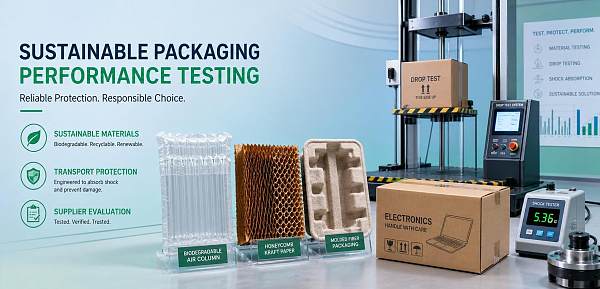
- Use biodegradable air columns or engineered kraft structures where consistent geometry is critical. Stable cell design helps distribute force instead of pushing impact into one point.
- Avoid overly soft inserts for heavy glass. If the bottle sinks too deeply, rebound and side-wall contact can still cause breakage after repeated vibration cycles.
- Validate cushioning after conditioning. Moisture, heat, and storage time can change stiffness, which means lab performance may differ from actual logistics performance.
A practical route-based scenario
For domestic distribution with frequent handling, corner drops and conveyor shocks often dominate. In that case, cushioning should control lateral movement and base impact first.
For export projects, compression and long vibration matter more. A neat-looking insert that works in a showroom may fail after container stacking and weeks of micro-movement.
Upgrade films, labels, and surfaces for real logistics stress
Liquor packaging engineering is not only about preventing glass breakage. Surface failure also matters. Torn labels, blurred codes, and rubbed decoration can trigger rejection even when the bottle arrives intact.
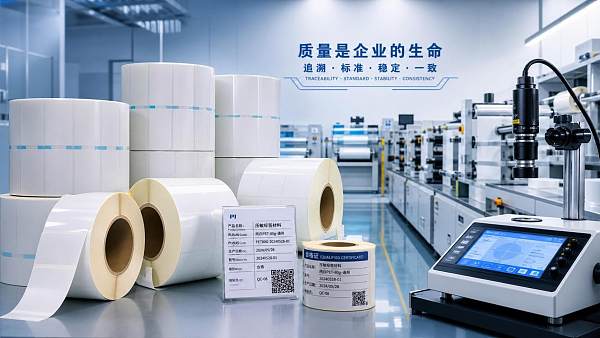
This is where PPCS expertise in BOPP/PET films, anti-counterfeit labels, and thermal transfer systems becomes highly relevant. Protective layers and identification systems should support transit durability, not just branding.
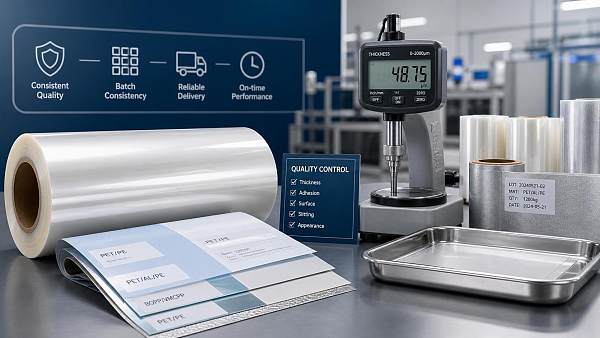
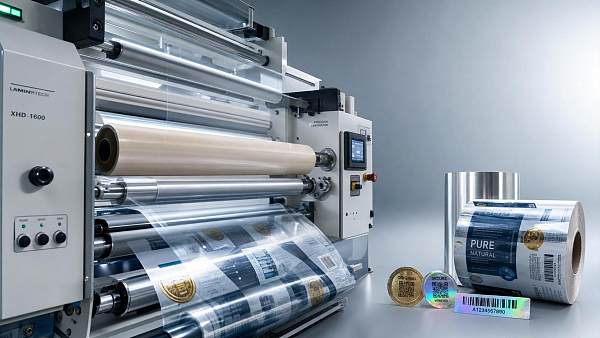
- Use high-barrier BOPP or PET films where scuff resistance and moisture stability are needed. Strong surface films help premium boxes keep their appearance across longer routes.
- Match adhesive performance to temperature swings. Labels that look fine in the plant may lift, wrinkle, or slip after cold storage, heat exposure, or condensation.
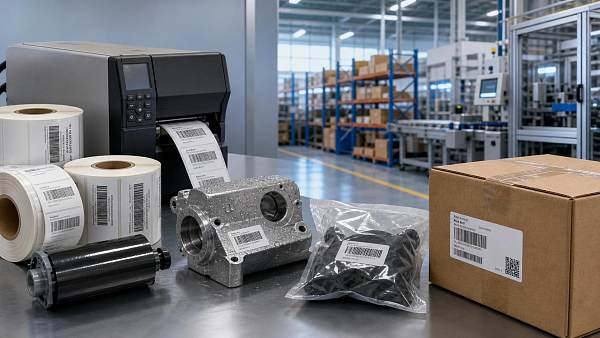
- Select resin-based thermal transfer ribbons for shipping labels exposed to abrasion. Clear barcodes reduce scanning delays and prevent handling errors during multi-node transit.
- Protect decorative foils from friction zones. Shelf impact matters, but metallic finishes near carton rub points can quickly lose value if the pack is not designed for transport.
Strengthen the outer pack without overbuilding it
A thicker carton is not always a better carton. Overbuilt packs raise cost, slow packing, and may still fail if board direction, divider design, or pallet pattern is wrong.
Good liquor packaging engineering balances material efficiency with actual distribution hazards. That means using the right board and geometry, not the heaviest option available.
- Set board grade from measured stacking loads. Include pallet height, warehouse dwell time, and humidity so compression design reflects real shipping conditions.
- Improve internal dividers before increasing flute size. Well-placed partitions often reduce bottle-to-bottle impact more efficiently than heavier outer walls.
- Check score lines and folded corners on converted cartons. Weak creases can fail early and make a strong board structure behave like a weak one.
- Review pallet pattern and stretch wrapping together. Even the best shipper can deform if load containment is uneven or wrap tension is poorly controlled.
One risk that gets missed often
Mixed-SKU palletization is a hidden source of trouble. Different bottle heights and carton footprints can create unstable load paths, especially when transit includes cross-docking or manual restacking.
If mixed loads are unavoidable, liquor packaging engineering should include pallet-level validation, not only single-carton drop tests.
Test the pack the way it actually travels
Lab testing only helps when it matches reality. Many packaging programs pass a standard drop test, then fail in the field because vibration, compression, and climate exposure were underestimated.
A smarter liquor packaging engineering process builds a test plan around route data. That includes handoff frequency, storage conditions, parcel versus pallet flow, and expected abuse points.
- Run drop, vibration, and compression tests as one sequence. Single-event testing misses the cumulative damage that often breaks liquor packs in transit.
- Condition samples before testing. Heat, cold, and humidity can change adhesive behavior, board stiffness, and cushioning response more than expected.
- Record failure mode, not just pass or fail. A chipped shoulder, label lift, or carton burst each points to a different engineering fix.
- Retest after small revisions. Minor changes in divider height, insert density, or wrap tension can produce major reductions in transit damage.
Another useful field scenario
When damage appears only in certain regions, the root cause is often route-specific. Rough roads, humid storage, and aggressive parcel handling create very different failure patterns.
That is why packaging reviews should compare incident data by lane, season, and fulfillment model. Broad averages can hide the real weak link.
Build compliance, traceability, and sustainability into the design
Today, liquor packaging engineering has to do more than prevent breakage. It also has to support traceability, anti-counterfeit control, regulatory alignment, and material reduction goals.
PPCS follows this intersection closely, especially where high-barrier films, specialty adhesives, eco-cushioning, and digital identification systems meet global packaging requirements.
- Add tamper-evident or anti-counterfeit labels where channel risk is high. Security features should survive transit stress without compromising carton opening performance.
- Reduce material only after transit validation. Lightweighting saves cost, but premature downgrades often create breakage, repacking, and hidden logistics waste.
- Favor recyclable or biodegradable protective formats when performance is proven. Sustainability works best when it is engineered, not assumed.
- Keep packaging data linked across materials and lanes. Damage trends become easier to solve when test results, claims, and specification changes are connected.
The strongest liquor packaging engineering programs usually share one habit: they turn packaging from a late-stage procurement task into an early-stage project decision.
If breakage rates are rising, start with fit, movement control, and route-based testing. Then review films, labels, cushioning, and palletization as one operating system.
That approach makes liquor packaging engineering more predictable, more cost-efficient, and far better aligned with premium brand protection. The next useful step is to compare current failure data against actual pack structure and transit conditions before changing materials blindly.
Recommended News
 Sep 09, 2026How to assess a water based adhesive materials factory’s quality controlWater based adhesive materials factory quality control: learn how to audit traceability, batch consistency, testing, and change control for safer sourcing.
 Sep 08, 2026How to qualify an electronic protective materials supplier for ESD controlLearn how to qualify an electronic protective materials supplier for reliable ESD control with test data, traceability, lot consistency, and packaging checks.
 Aug 18, 2026What to check before choosing a cryogenic labels supplierCryogenic labels supplier selection starts with performance, not price. Learn what to check for adhesion, print durability, compliance, and supply reliability before you buy.
 Aug 16, 2026How to measure packaging sustainability metrics that actually matterPackaging sustainability metrics that actually matter: learn how to compare carbon, recyclability, performance, and operational yield to make smarter packaging decisions.
 Aug 11, 2026How Low Migration Label Adhesive Technology Supports Food Packaging ComplianceLabel adhesive technology low migration explained: learn how to reduce migration risk, improve food packaging compliance, and choose label constructions that balance safety, performance, and approvals.
 Aug 10, 2026How to Choose Transfer Foils for Labels Based on Print Method and DurabilityTransfer foils for labels: learn how to choose the right option by print method, substrate, and durability needs to improve label performance, reduce rework, and achieve a premium finish.
 Aug 08, 2026How to Evaluate a Coating Materials Supplier for Consistent Quality and Lead TimesCoating materials supplier selection starts with the right questions. Learn how to compare quality consistency, process control, and lead-time reliability to reduce sourcing risk.
 Aug 03, 2026How High-Speed Labeling Technology Affects Accuracy and Throughput in PharmaceuticalsHigh-speed labeling technology pharmaceuticals depend on shapes accuracy, throughput, and compliance. Learn how materials, printing, and inspection drive reliable pharmaceutical packaging performance.
 Aug 02, 2026How to Choose Packaging for PCB Components Based on ESD and Moisture RiskPackaging for PCB components starts with risk, not bag type. Learn how to balance ESD, moisture, handling, and assembly needs to protect yield and choose smarter packaging.
 Jul 30, 2026How to Evaluate Throughput, Accuracy, and Downtime in High Speed Labeling SystemsHigh speed labeling systems should be judged by real throughput, labeling accuracy, and downtime recovery—not brochure speed. Learn how to compare machines for stable output and fewer stoppages.
 Jul 29, 2026How to Choose Food Grade Eco Friendly Packaging Materials for Moisture and Grease ResistanceEco friendly packaging materials food grade: learn how to choose options that balance moisture and grease resistance, food-contact compliance, and sustainability for safer, smarter packaging.
 Jul 27, 2026How to Evaluate a Thermal Labels Supplier for Cost, Quality, and Lead TimeThermal labels supplier evaluation guide: learn how to compare cost, print quality, adhesive performance, compliance, and lead time to reduce risk and choose a reliable partner.
 Jul 23, 2026How to Evaluate Industrial Label Systems for Durability and Total CostIndustrial label systems: learn how to compare durability, compliance, barcode performance, and total cost to reduce failures, control sourcing risk, and choose smarter long-term solutions.
 Jul 15, 2026Pressure Sensitive Label Materials Factory Audit Checklist for Stable QualityPressure sensitive label materials factory audit checklist for buyers: verify coating control, traceability, compliance, and lot consistency to reduce label failure risk.
 Jul 13, 2026How to Evaluate a Sustainable Cushioning Materials Supplier in 2026Sustainable cushioning materials supplier selection in 2026 starts with protection, proof, and scale. Learn how to compare claims, compliance, and total cost with confidence.
 Jul 12, 2026Metallic Cosmetic Packaging Materials: What Affects Finish, Durability, and Brand FitMetallic cosmetic packaging materials shape finish, durability, and brand appeal. Learn what affects gloss, scuff resistance, compliance, and cost before choosing the right premium pack.
 Jul 12, 2026How to Compare Metallic Luxury Packaging Materials for Premium Shelf ImpactMetallic luxury packaging materials compared: learn how to assess shelf impact, durability, print fit, compliance, and cost to choose premium packaging that converts.
 Jul 11, 2026Thermal Labels for Barcode Printing: Top Mistakes That Raise Replacement CostsThermal labels for barcode printing can drive hidden replacement costs when materials miss real conditions. Discover the top mistakes, how to prevent scan failures, and choose labels that cut waste.
 Jul 05, 2026Industrial Adhesive Technology for Laminating: Key Factors for Material SelectionIndustrial adhesive technology for laminating: discover how to choose the right chemistry for better bonding, faster converting, compliance, and lower total packaging cost.
 Jul 04, 2026Decorative Packaging Foils Supplier Middle East: 6 Checks Before You ShortlistDecorative packaging foils supplier Middle East guide: discover 6 practical checks to compare quality, compliance, lead times, and total value before you shortlist a vendor.
 Jul 03, 2026Protective Packaging Cost Breakdown: Material, Labor, Storage, and Damage RiskProtective Packaging cost goes beyond material price. Learn how labor, storage, and damage risk shape total packaging spend, and discover smarter ways to cut costs without hurting performance.
 Jul 02, 2026High Speed Labeling Supplier Checklist: Downtime, Accuracy, and SupportHigh speed labeling supplier checklist: compare downtime risk, label accuracy, material fit, and after-sales support to cut hidden costs and choose a more reliable production partner.
 Jun 30, 2026Embossed Shelf Packaging: When It Improves Impact and When It Adds CostEmbossed shelf packaging can boost shelf impact, grip, and premium appeal—but when does it justify the extra cost? Explore practical value, risks, and smarter packaging decisions.
 Jun 30, 2026How to Choose Thermal Labels for Barcode Printing That Scan ReliablyThermal labels for barcode printing: learn how to match face stock, adhesive, printer, and ribbon for reliable scans, fewer failures, and better supply chain performance.