Search News
Industry Portal
Hot Articles
- How to verify FDA compliance for packaging inks used on food packagingPackaging inks FDA compliant? Learn how to verify food-contact safety through regulatory citations, migration testing, supplier declarations, and process controls.
- When do holographic foils add value to luxury goods packaging?Packaging materials for luxury goods gain impact with holographic foils that elevate shelf appeal, authenticity, and premium unboxing—learn when this finish delivers real value.
- Can nano encryption technology stop counterfeit labels from being copied?Nano encryption technology anti counterfeit labels combine physical security, tamper evidence, and serialization to make copying harder. Explore smarter protection.
Popular Tags
Electronic Component Packaging Mistakes That Raise Failure Rates
Time
Click Count
In electronic component packaging, small mistakes can trigger moisture ingress, ESD damage, label failure, or transit shock that quietly raise defect and return rates.
As global distribution grows faster and harsher, electronic component packaging now carries a wider quality burden than many teams expect.
A dry warehouse, stable labels, and basic cushioning are no longer enough for sensitive devices moving through long, fragmented supply chains.
This article examines the most common packaging errors, the signals behind rising failure rates, and the material choices that reduce risk.
Failure patterns in electronic component packaging are becoming easier to miss
Electronic component packaging used to be judged by visible protection alone. Today, hidden failure modes often appear after storage, relabeling, export, or final assembly.
More components travel across humid ports, mixed-temperature warehouses, automated picking lines, and longer parcel routes than before.
That shift means packaging errors can remain invisible until soldering defects, unreadable barcodes, corrosion marks, or intermittent field failures appear.
The result is a quiet increase in scrap, rework, customer complaints, and diagnostic cost.
Several trend signals explain why packaging mistakes now raise failure rates faster
The pressure on electronic component packaging comes from material sensitivity, supply chain complexity, compliance expectations, and tighter traceability standards.
The most costly electronic component packaging mistakes follow recurring patterns
Using moisture barriers that do not match the storage reality
A common mistake is selecting barrier bags by price, not by moisture exposure time, seal integrity, and transport climate profile.
When seal strength is unstable or desiccant loading is inadequate, internal humidity rises even if the outer pack looks acceptable.
For moisture-sensitive devices, that can lead to oxidation, popcorning during reflow, or shortened shelf life.
Treating ESD control as a bag color instead of a system
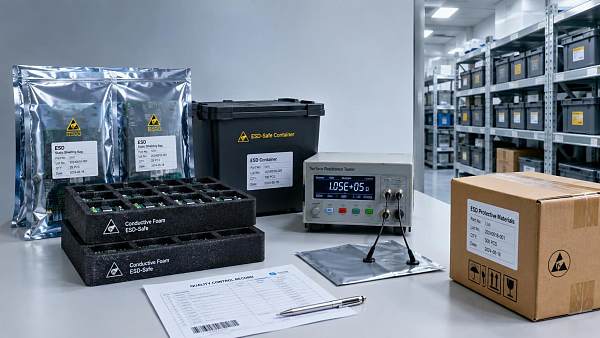
Pink poly alone does not guarantee safe electronic component packaging. Surface resistance, shielding performance, grounding discipline, and handling consistency all matter.
A static-safe pouch loses value when trays, liners, work surfaces, or transport totes are electrically incompatible.
Latent ESD damage is especially costly because the part may pass incoming inspection and fail later in service.
Choosing cushioning by thickness alone
More cushioning does not always mean better protection. Compression set, rebound behavior, drop orientation, and pack geometry are more important.
Poor-fit inserts allow movement. Overly rigid protection transfers impact energy. Low-quality void fill can collapse during repeated shocks.
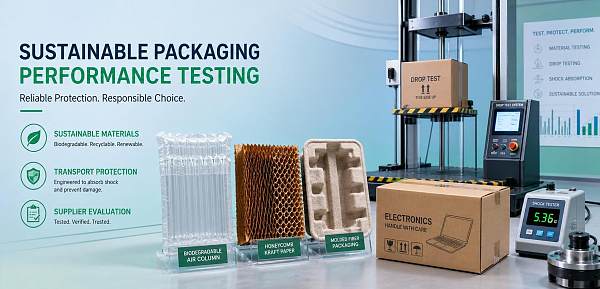
This is where biodegradable cushioning can help, if it is validated for actual g-force and stacking conditions.
Ignoring label and print durability
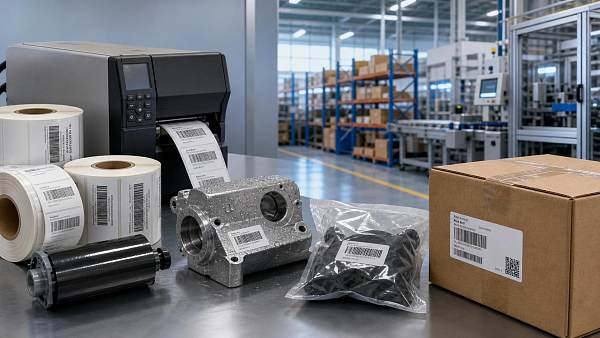
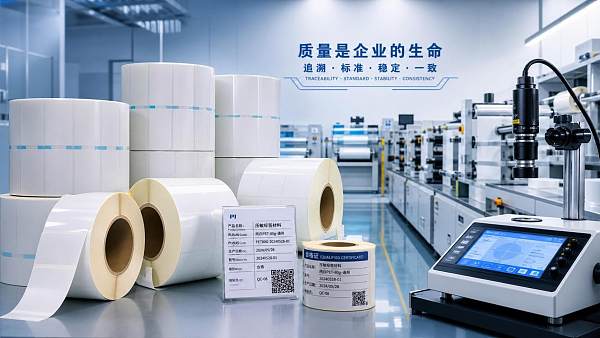
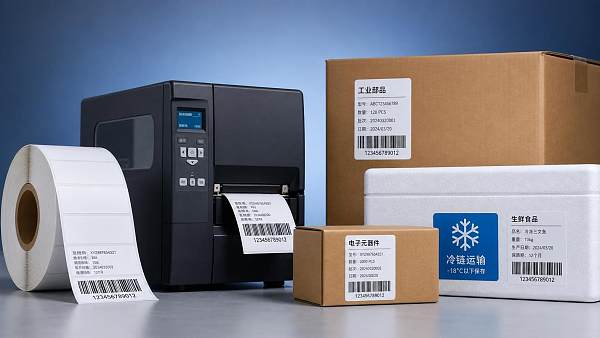
Electronic component packaging depends on accurate identity. If labels smear, curl, detach, or lose scan contrast, traceability breaks immediately.
Thermal transfer ribbon selection, adhesive chemistry, face stock compatibility, and cold or humid application conditions are often underestimated.
A readable barcode at packing time may fail after abrasion, condensation, or warehouse dwell.
Over-lightweighting films without test data
Sustainability and cost targets push thinner films, lighter wraps, and reduced pack volumes.
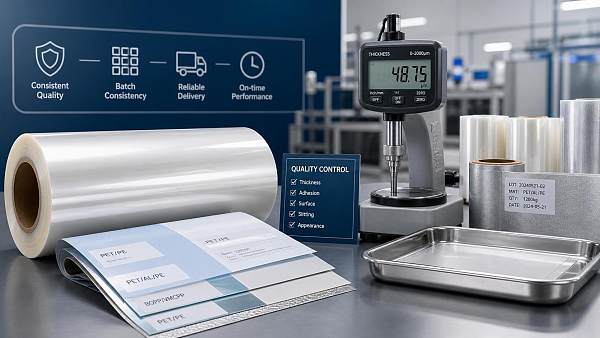
But electronic component packaging fails when downgauging outpaces puncture resistance, seal strength, or moisture barrier stability.
BOPP and PET structures must be chosen with transit stress, handling abuse, and environmental exposure in mind.
Why these mistakes keep increasing across storage, handling, and distribution
- Packaging decisions are separated from field failure analysis.
- Material substitutions happen faster than revalidation cycles.
- Global routing exposes packs to wider humidity and temperature swings.
- Label systems are upgraded without checking ribbon, adhesive, and substrate fit.
- Eco redesigns focus on waste reduction, not full protection performance.
In many operations, packaging is still treated as a passive afterthought rather than an active reliability control point.
That assumption is increasingly risky for electronic component packaging exposed to modern logistics variability.
The impact spreads beyond damaged parts and affects multiple business links
Weak electronic component packaging does not only damage inventory. It also slows receiving, complicates audits, and undermines confidence in lot integrity.
When labels fail, entire batches may require manual verification. When barrier performance drifts, shelf-life controls become unreliable.
When cushioning is inconsistent, transport claims rise but root causes stay disputed.
These effects accumulate across inventory accuracy, throughput, warranty exposure, and customer experience.
What deserves closer attention in the next round of packaging reviews
- Moisture barrier design should match actual route duration and climate extremes.
- ESD packaging should be verified as a full path, not a single material claim.
- Labels should be tested for rub, humidity, cold surfaces, and scan retention.
- Cushioning should be validated by drop profile, component fragility, and pack orientation.
- Film lightweighting should be backed by puncture, seal, and handling data.
- Tamper evidence and anti-counterfeit labels should support high-value component traceability.
Smarter material choices reduce failure risk without sacrificing efficiency
High-barrier films, correctly specified desiccant systems, and reliable seal windows improve moisture control in electronic component packaging.
Static-shielding bags and conductive handling combinations reduce latent electrostatic exposure more effectively than cosmetic compliance.
Durable pressure-sensitive labels paired with appropriate thermal transfer ribbons keep identity data readable through friction, condensation, and storage shifts.
Validated eco-friendly cushioning can also support both protection and sustainability, provided compression and drop behavior are proven in realistic conditions.
This is where packaging intelligence matters: material structure, coating chemistry, and logistics reality must be connected, not managed separately.
A practical decision framework helps teams judge packaging risk earlier
The next step is to connect packaging materials with failure data
The strongest improvement in electronic component packaging usually begins with a focused review of recent defects, returns, and handling exceptions.
Then compare those events against barrier films, labels, adhesives, cushioning formats, and ribbon performance already in use.
PPCS supports this approach by linking film behavior, coating chemistry, anti-counterfeit labeling, eco-cushioning, and print durability into one intelligence view.
When packaging choices reflect both material science and supply chain reality, failure rates fall before losses become visible.
Recommended News
 Sep 09, 2026How to assess a water based adhesive materials factory’s quality controlWater based adhesive materials factory quality control: learn how to audit traceability, batch consistency, testing, and change control for safer sourcing.
 Sep 08, 2026How to qualify an electronic protective materials supplier for ESD controlLearn how to qualify an electronic protective materials supplier for reliable ESD control with test data, traceability, lot consistency, and packaging checks.
 Aug 18, 2026What to check before choosing a cryogenic labels supplierCryogenic labels supplier selection starts with performance, not price. Learn what to check for adhesion, print durability, compliance, and supply reliability before you buy.
 Aug 16, 2026How to measure packaging sustainability metrics that actually matterPackaging sustainability metrics that actually matter: learn how to compare carbon, recyclability, performance, and operational yield to make smarter packaging decisions.
 Aug 11, 2026How Low Migration Label Adhesive Technology Supports Food Packaging ComplianceLabel adhesive technology low migration explained: learn how to reduce migration risk, improve food packaging compliance, and choose label constructions that balance safety, performance, and approvals.
 Aug 10, 2026How to Choose Transfer Foils for Labels Based on Print Method and DurabilityTransfer foils for labels: learn how to choose the right option by print method, substrate, and durability needs to improve label performance, reduce rework, and achieve a premium finish.
 Aug 08, 2026How to Evaluate a Coating Materials Supplier for Consistent Quality and Lead TimesCoating materials supplier selection starts with the right questions. Learn how to compare quality consistency, process control, and lead-time reliability to reduce sourcing risk.
 Aug 03, 2026How High-Speed Labeling Technology Affects Accuracy and Throughput in PharmaceuticalsHigh-speed labeling technology pharmaceuticals depend on shapes accuracy, throughput, and compliance. Learn how materials, printing, and inspection drive reliable pharmaceutical packaging performance.
 Aug 02, 2026How to Choose Packaging for PCB Components Based on ESD and Moisture RiskPackaging for PCB components starts with risk, not bag type. Learn how to balance ESD, moisture, handling, and assembly needs to protect yield and choose smarter packaging.
 Jul 30, 2026How to Evaluate Throughput, Accuracy, and Downtime in High Speed Labeling SystemsHigh speed labeling systems should be judged by real throughput, labeling accuracy, and downtime recovery—not brochure speed. Learn how to compare machines for stable output and fewer stoppages.
 Jul 29, 2026How to Choose Food Grade Eco Friendly Packaging Materials for Moisture and Grease ResistanceEco friendly packaging materials food grade: learn how to choose options that balance moisture and grease resistance, food-contact compliance, and sustainability for safer, smarter packaging.
 Jul 27, 2026How to Evaluate a Thermal Labels Supplier for Cost, Quality, and Lead TimeThermal labels supplier evaluation guide: learn how to compare cost, print quality, adhesive performance, compliance, and lead time to reduce risk and choose a reliable partner.
 Jul 23, 2026How to Evaluate Industrial Label Systems for Durability and Total CostIndustrial label systems: learn how to compare durability, compliance, barcode performance, and total cost to reduce failures, control sourcing risk, and choose smarter long-term solutions.
 Jul 15, 2026Pressure Sensitive Label Materials Factory Audit Checklist for Stable QualityPressure sensitive label materials factory audit checklist for buyers: verify coating control, traceability, compliance, and lot consistency to reduce label failure risk.
 Jul 13, 2026How to Evaluate a Sustainable Cushioning Materials Supplier in 2026Sustainable cushioning materials supplier selection in 2026 starts with protection, proof, and scale. Learn how to compare claims, compliance, and total cost with confidence.
 Jul 12, 2026Metallic Cosmetic Packaging Materials: What Affects Finish, Durability, and Brand FitMetallic cosmetic packaging materials shape finish, durability, and brand appeal. Learn what affects gloss, scuff resistance, compliance, and cost before choosing the right premium pack.
 Jul 12, 2026How to Compare Metallic Luxury Packaging Materials for Premium Shelf ImpactMetallic luxury packaging materials compared: learn how to assess shelf impact, durability, print fit, compliance, and cost to choose premium packaging that converts.
 Jul 11, 2026Thermal Labels for Barcode Printing: Top Mistakes That Raise Replacement CostsThermal labels for barcode printing can drive hidden replacement costs when materials miss real conditions. Discover the top mistakes, how to prevent scan failures, and choose labels that cut waste.
 Jul 05, 2026Industrial Adhesive Technology for Laminating: Key Factors for Material SelectionIndustrial adhesive technology for laminating: discover how to choose the right chemistry for better bonding, faster converting, compliance, and lower total packaging cost.
 Jul 04, 2026Decorative Packaging Foils Supplier Middle East: 6 Checks Before You ShortlistDecorative packaging foils supplier Middle East guide: discover 6 practical checks to compare quality, compliance, lead times, and total value before you shortlist a vendor.
 Jul 03, 2026Protective Packaging Cost Breakdown: Material, Labor, Storage, and Damage RiskProtective Packaging cost goes beyond material price. Learn how labor, storage, and damage risk shape total packaging spend, and discover smarter ways to cut costs without hurting performance.
 Jul 02, 2026High Speed Labeling Supplier Checklist: Downtime, Accuracy, and SupportHigh speed labeling supplier checklist: compare downtime risk, label accuracy, material fit, and after-sales support to cut hidden costs and choose a more reliable production partner.
 Jun 30, 2026Embossed Shelf Packaging: When It Improves Impact and When It Adds CostEmbossed shelf packaging can boost shelf impact, grip, and premium appeal—but when does it justify the extra cost? Explore practical value, risks, and smarter packaging decisions.
 Jun 30, 2026How to Choose Thermal Labels for Barcode Printing That Scan ReliablyThermal labels for barcode printing: learn how to match face stock, adhesive, printer, and ribbon for reliable scans, fewer failures, and better supply chain performance.