Search News
Industry Portal
Hot Articles
- How to verify FDA compliance for packaging inks used on food packagingPackaging inks FDA compliant? Learn how to verify food-contact safety through regulatory citations, migration testing, supplier declarations, and process controls.
- When do holographic foils add value to luxury goods packaging?Packaging materials for luxury goods gain impact with holographic foils that elevate shelf appeal, authenticity, and premium unboxing—learn when this finish delivers real value.
- Can nano encryption technology stop counterfeit labels from being copied?Nano encryption technology anti counterfeit labels combine physical security, tamper evidence, and serialization to make copying harder. Explore smarter protection.
Popular Tags
TÜV Rheinland Launches Inline Cold Foils Green Coating Certification
Time
Click Count
On 25 May 2026, TÜV Rheinland officially launched a dedicated green coating certification program for Inline Cold Foils—marking a significant development for exporters and manufacturers targeting the EU market, particularly in packaging, labeling, and decorative printing sectors. The initiative responds to tightening environmental compliance expectations under EU sustainability frameworks.
New Certification Pathway for Sustainable Inline Cold Foils
Effective 25 May 2026, TÜV Rheinland introduced its Inline Cold Foils-specific green coating certification. The assessment rigorously evaluates three core parameters: residual VOCs from water-based acrylic systems; bio-based content percentage; and product-level carbon footprint calculation. This certification is explicitly aligned with the transitional offset mechanism of the EU’s Carbon Border Adjustment Mechanism (CBAM), enabling certified products to qualify for import fast-tracking and inclusion in public-sector green procurement white lists in Germany, the Netherlands, and Belgium.
Impact Across Supply Chain Roles
Direct Exporters
Exporters shipping Inline Cold Foils–coated goods into the EU face new de facto entry requirements. Without this certification, shipments may undergo extended customs scrutiny or be excluded from tenders issued by municipal or federal buyers in participating countries—especially where sustainability criteria are weighted in evaluation scoring.
Raw Material Suppliers
Suppliers of water-based acrylic resins, biopolymer additives, or low-carbon pigments must now provide traceable, third-party-verified documentation supporting VOC profiles, bio-based origin claims (e.g., via ASTM D6866 or EN 16785-1), and upstream emission data. Lack of such documentation may impede downstream certification eligibility.
Coating & Conversion Manufacturers
Manufacturers applying Inline Cold Foils coatings must adapt production records to capture process-specific VOC emissions, energy sources used during drying/curing, and material batch traceability. Certification requires full lifecycle data—not just formulation—but also operational conditions affecting carbon intensity.
Supply Chain Compliance Service Providers
Third-party labs, LCA consultants, and certification support firms are seeing increased demand for integrated assessments covering VOC testing (EN ISO 11890-2), bio-based content verification, and CBAM-aligned carbon accounting (aligned with GHG Protocol Scope 1+2+3 boundaries). Cross-verification between test reports and declaration documents is now critical.
Key Actions for Affected Enterprises
Align Technical Documentation with Certification Criteria
Companies must ensure safety data sheets (SDS), technical datasheets, and environmental declarations explicitly report VOC content (g/L), bio-based carbon share (%), and primary carbon footprint indicators (kg CO₂e per kg coating)—all verifiable against TÜV Rheinland’s test protocols.
Verify Supplier Eligibility for Downstream Certification
Upstream suppliers—including resin producers and foil substrate manufacturers—must be pre-qualified for compatibility with the certification’s input material requirements. Joint audits or shared LCA boundary definitions may be necessary.
Integrate CBAM Transition Period Planning
Since the certification supports CBAM transitional reporting offsets, enterprises should coordinate timing: aligning certification completion with CBAM reporting deadlines (quarterly submissions) and ensuring documentation meets EU Commission’s data format requirements for transitional phase claims.
Prepare for Procurement Tender Requirements
Public and corporate procurement specifications in Germany, the Netherlands, and Belgium are expected to reference this certification as a preferential or mandatory criterion. Companies should proactively update tender response templates and compliance annexes to include valid TÜV Rheinland certificates.
Industry Observation: Beyond Compliance Toward Strategic Differentiation
Analysis shows that this certification is not merely a regulatory checkpoint—it signals a shift toward *performance-based environmental qualification* in functional coatings. Observably, the bundling of VOCs, bio-content, and carbon metrics reflects growing convergence between chemical regulation (e.g., EU REACH SVHC screening), circular economy policy (EU Packaging and Packaging Waste Regulation), and climate trade instruments (CBAM). What deserves closer attention is the shortened lead time implied: unlike traditional Type 4 certifications requiring multi-year track records, this pathway appears designed for rapid validation of newly reformulated products—suggesting accelerated innovation cycles ahead. However, the absence of published test method harmonization details means early adopters may encounter variability in laboratory interpretation until TÜV Rheinland releases official guidance.
Strategic Implication: A New Benchmark for Functional Coating Sustainability
This certification establishes a concrete, auditable benchmark for environmental performance in high-precision decorative and protective coatings. It does not replace existing standards like ISO 14040/44 or EN 15804—but rather layers operational and compositional transparency onto them. For industry stakeholders, the takeaway is pragmatic: sustainability is no longer defined solely by end-of-life attributes, but by measurable inputs, process emissions, and verified bio-attribution across the value chain.
Source Information and Verification Notes
This article was generated exclusively from the user-provided information: title, event date (25 May 2026), and event summary. Specific official source links were not provided in the input and should be verified continuously. Stakeholders are advised to monitor updates from TÜV Rheinland’s official certification portal, EU CBAM transitional guidance documents, and national procurement portals in Germany, the Netherlands, and Belgium for implementation details, application procedures, and any revisions to scope or acceptance criteria.
Recommended News
 Sep 14, 2026How to verify FDA compliance for packaging inks used on food packagingPackaging inks FDA compliant? Learn how to verify food-contact safety through regulatory citations, migration testing, supplier declarations, and process controls.
 Sep 13, 2026When do holographic foils add value to luxury goods packaging?Packaging materials for luxury goods gain impact with holographic foils that elevate shelf appeal, authenticity, and premium unboxing—learn when this finish delivers real value.
 Sep 12, 2026Can nano encryption technology stop counterfeit labels from being copied?Nano encryption technology anti counterfeit labels combine physical security, tamper evidence, and serialization to make copying harder. Explore smarter protection.
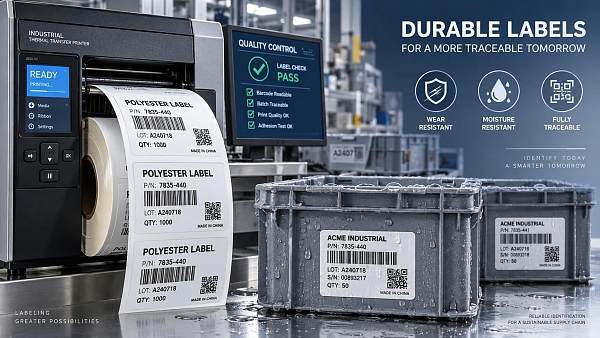
 Sep 11, 2026When do high-durability thermal transfer inks prevent label failures?Thermal transfer inks high durability prevent label failures from abrasion, moisture, chemicals, and heat. Learn how to protect barcode traceability.
 Sep 10, 2026How pharmaceutical film technology affects moisture protection in blister packsPharmaceutical film technology for blister packs: learn how barrier films, WVTR, thermoforming, and seal integrity protect moisture-sensitive medicines and support reliable compliance.
 Sep 09, 2026How to assess a water based adhesive materials factory’s quality controlWater based adhesive materials factory quality control: learn how to audit traceability, batch consistency, testing, and change control for safer sourcing.
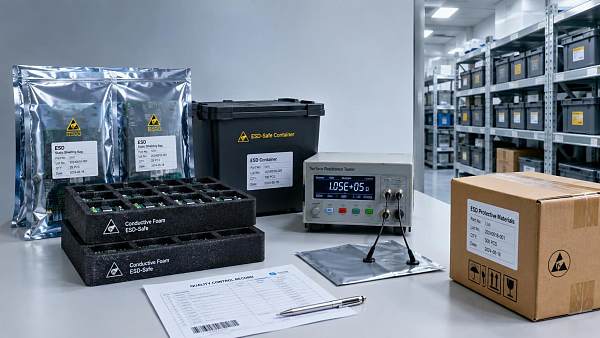
 Sep 08, 2026How to qualify an electronic protective materials supplier for ESD controlLearn how to qualify an electronic protective materials supplier for reliable ESD control with test data, traceability, lot consistency, and packaging checks.
 Sep 07, 2026How to evaluate a pressure sensitive adhesive exporter for bulk supplyChoose a pressure sensitive adhesive exporter with confidence. Learn how to verify label construction, performance trials, quality control, compliance, and landed cost for reliable bulk supply.
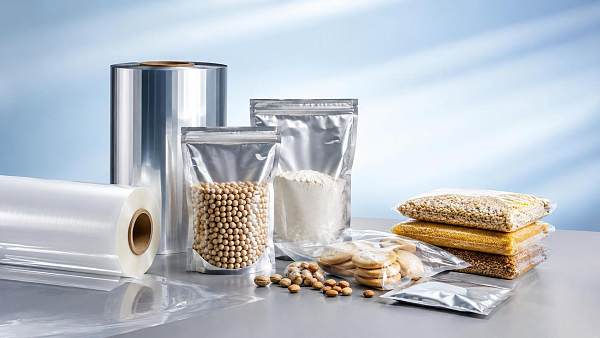
 Sep 05, 2026How to choose food-grade flexible packaging films for dry foodsFlexible Packaging Films food grade guide: choose the right barrier, seal strength, compliance, and durability to protect dry foods and extend shelf life.
 Sep 04, 2026How does order volume affect protective cushioning packaging price?Protective cushioning packaging price changes with order volume. Learn how bulk discounts, freight, storage, labor, and damage risk shape your true packaging cost.
 Sep 03, 2026How film label materials affect label durability in refrigerated storageFilm label materials play a critical role in refrigerated durability. Learn how films, adhesives, printing, and moisture resistance protect labels in cold storage.
 Sep 02, 2026When do high clarity films for food wraps improve shelf appeal?High clarity films for food wraps boost shelf appeal by showcasing freshness, texture, and quality while balancing seal performance, protection, and retail-ready presentation.
 Sep 01, 2026How to prevent peeling when using printable transfer foilsTransfer foils printable: prevent peeling with proven tips on substrate prep, ink compatibility, curing, and transfer settings for durable, premium results.
 Aug 31, 2026When does PET biaxially oriented film suit flexible packaging?PET biaxially oriented film for flexible packaging: discover when its stability, clarity, heat resistance, and barrier options support reliable, high-impact package designs.
 Aug 30, 2026How PET packaging sheets affect thermoforming consistencyPET packaging sheets directly influence thermoforming consistency. Explore how gauge profile, IV, thermal behavior, and rPET content affect quality, scrap, and line performance.
 Aug 29, 2026When does honeycomb paper make sense for eco friendly ecommerce packaging?Eco friendly packaging for ecommerce: discover when honeycomb paper can cut plastic, protect products, control costs, and improve unboxing—without compromising fulfillment performance.
 Aug 28, 2026How destructible tamper evident tags prevent label removal and reuseDestructible tamper evident tags prevent label removal and reuse with visible evidence. Explore materials, adhesives, surface testing, and installation tips.
 Aug 27, 2026Where to find packaging specification resources for compliance checksPackaging specification resources: discover trusted regulations, test standards, and supplier documents to streamline compliance checks, reduce risk, and approve packaging confidently.
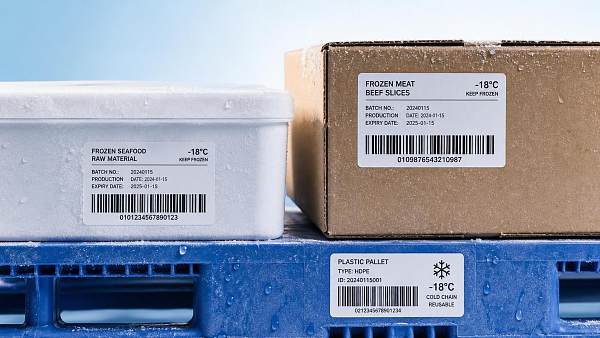
 Aug 26, 2026How adhesive labels hold up in cold chain shipping conditionsAdhesive Labels cold chain performance depends on more than freezer rating. Learn how adhesion, print durability, condensation, and substrate choice affect reliable shipping.
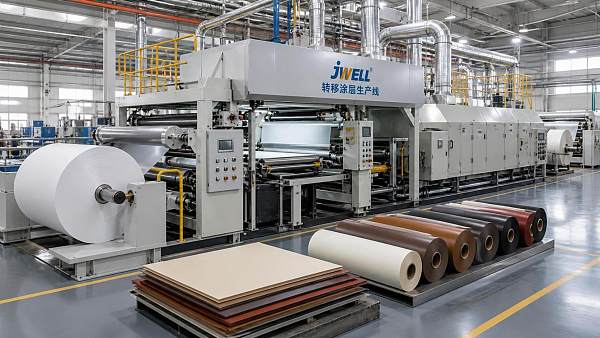
 Sep 02, 2026When a PVC Transfer Coating Line Fits Better Than Direct Coating in Flexible MaterialsPVC transfer coating line or direct coating? Learn when transfer coating delivers better surface quality, substrate protection, and process stability for flexible materials.
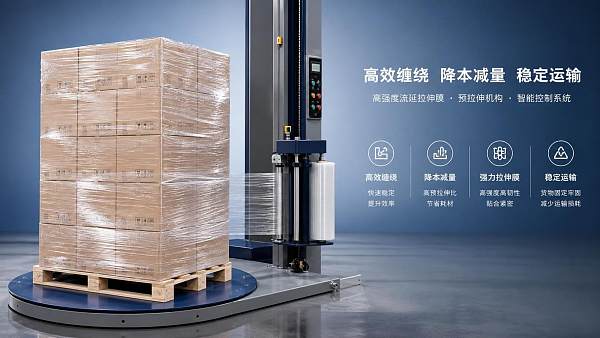
 Aug 25, 2026When do high strength cast films outperform blown film in pallet wrapping?High strength cast films outperform blown film in pallet wrapping when pre-stretch efficiency, load stability, and downgauging matter most. Learn when they cut film use and boost uptime.
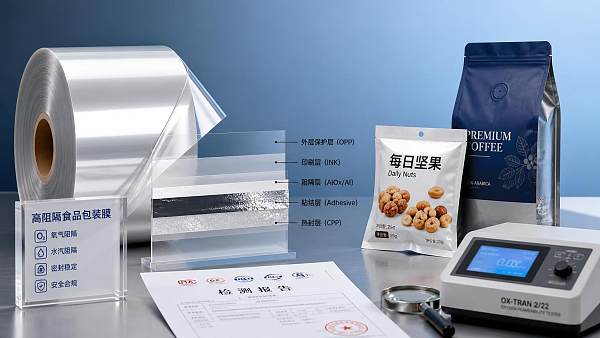
 Aug 24, 2026How to evaluate barrier film suppliers in Europe for food packagingBarrier film Europe sourcing made practical: learn how to assess food packaging suppliers on barrier performance, compliance, machinability, and total cost before you buy.
 Aug 23, 2026When does solvent free film coating technology improve coating consistency?Solvent free film coating technology improves coating consistency when drying variability, thermal stress, and residual solvent risks limit quality. Learn when it truly delivers repeatable performance.
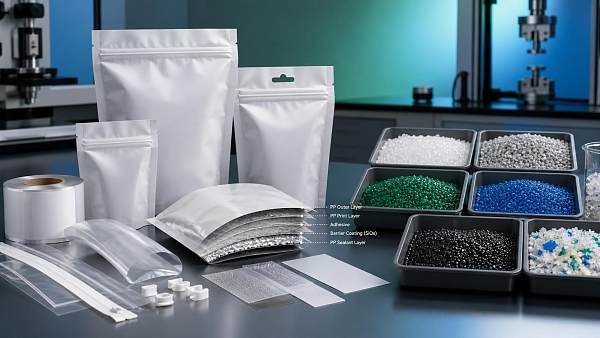
 Aug 22, 2026How to verify whether recyclable flexible packaging in Europe meets PPWR expectationsRecyclable flexible packaging Europe: learn how to verify PPWR readiness, assess sorting and barrier performance, and avoid weak claims with a practical evaluation framework.