Search News
Industry Portal
Hot Articles
- How to verify FDA compliance for packaging inks used on food packagingPackaging inks FDA compliant? Learn how to verify food-contact safety through regulatory citations, migration testing, supplier declarations, and process controls.
- When do holographic foils add value to luxury goods packaging?Packaging materials for luxury goods gain impact with holographic foils that elevate shelf appeal, authenticity, and premium unboxing—learn when this finish delivers real value.
- Can nano encryption technology stop counterfeit labels from being copied?Nano encryption technology anti counterfeit labels combine physical security, tamper evidence, and serialization to make copying harder. Explore smarter protection.
Popular Tags
Visual Shelf Impact Packaging: What Really Works
Time
Click Count
Visual Shelf Impact Packaging: What Really Works
In crowded aisles and endless online product grids, visual shelf impact packaging is often the first reason shoppers stop, look, and trust.
But true impact is not just shiny foil or bold color.
It comes from protective films, clear labels, tactile finishes, and credible sustainability cues working together within seconds.
For daily goods, electronics, cosmetics, food, and healthcare products, packaging must signal beauty, safety, authenticity, and responsibility immediately.
This article explains what really works when visual shelf impact packaging is built through materials, coatings, and scene-based design intelligence.
Why Shelf Scenes Decide Packaging Choices
Every shelf is a different battlefield.
A chilled beverage cabinet, a pharmacy counter, and an e-commerce thumbnail do not reward the same visual strategy.
Effective visual shelf impact packaging starts by reading the buying scene before selecting materials or finishes.
Distance, lighting, handling frequency, product risk, and sustainability expectations all change what impact means.
A metallic foil may help premium liquor, but it may feel excessive on eco-positioned household refills.
A matte mono-material pouch may look responsible, but poor barcode contrast can damage logistics performance.
The strongest decisions connect shelf visibility with physical protection, traceability, and end-of-life credibility.
That is where visual shelf impact packaging becomes more than decoration.
It becomes a working system for trust, movement, and conversion.
Scene One: Food Packaging Needs Freshness First
Food shelves punish weak packaging quickly.
Crisp snacks, coffee, frozen meals, and sauces need visual energy plus barrier stability.
For food, visual shelf impact packaging works best when color appetite is supported by film performance.
BOPP and PET biaxially oriented films create stiffness, gloss, clarity, and oxygen or moisture resistance.
These films protect aroma, crunch, and texture while keeping printed graphics sharp under retail lighting.
The key judgment is simple: does the pack look fresh because it truly protects freshness?
Transparent windows help when product appearance is strong, such as nuts, pasta, or premium confectionery.
Opaque high-barrier structures work better when light, oxygen, or humidity could harm quality.
In this scene, visual shelf impact packaging should never sacrifice sealing strength for graphic ambition.
Scene Two: Cosmetics Require Instant Premium Signals
Cosmetics are judged by touch, shine, reflection, and detail.
A small box may need to communicate price level before the product is tested.
For cosmetics, visual shelf impact packaging depends on controlled optical effects rather than random decoration.
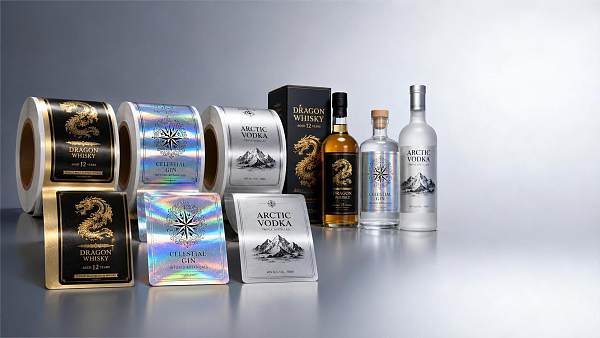
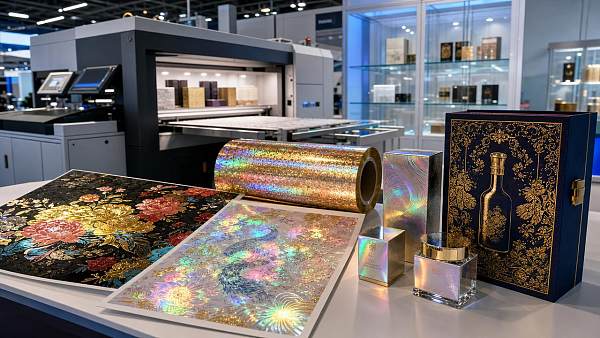
Hot stamping foils, cold foils, holographic films, and soft-touch coatings can create memorable brand codes.
Metallic edges guide the eye, while matte backgrounds prevent the pack from looking cheap or noisy.
The strongest packs use contrast carefully: bright against quiet, smooth against textured, reflective against natural.
Anti-counterfeit labels also matter in this scene.
Tamper-evident seals, microtext, and holographic verification marks help beauty products feel authentic and protected.
Premium visual shelf impact packaging should look luxurious, but also prove that the product is genuine.
Scene Three: Healthcare Packaging Must Look Safe
Healthcare shelves create a different emotional demand.
The goal is not only attention, but confidence.
For pharmaceuticals, diagnostics, and cold-chain items, visual shelf impact packaging must communicate accuracy and control.
Clear typography, durable labels, clean contrast, and tamper evidence carry more value than decorative complexity.
Pressure-sensitive adhesive labels must survive temperature shifts, condensation, sterilization, and frequent handling.
Cold-chain labels, VOID seals, and resistant thermal transfer prints protect identity across distribution.
Barcode readability is part of shelf impact here.
If a code smears, fades, or peels, the pack loses authority immediately.
In healthcare, visual shelf impact packaging works when safety, compliance, and legibility feel inseparable.
Scene Four: E-Commerce Needs Impact After Transit
Online packaging has two shelves.
The first is the digital product grid.
The second is the doorstep unboxing moment.
For e-commerce, visual shelf impact packaging must remain attractive after compression, vibration, drops, and label abrasion.
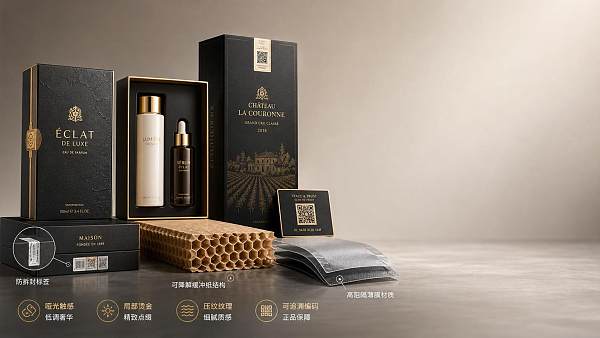
Biodegradable cushioning, honeycomb kraft paper, air columns, and thin stretch films protect the customer-facing presentation.
Thermal transfer ribbons keep shipping codes readable through friction, rain, and warehouse sorting.
A crushed but beautiful carton still fails.
A durable carton with poor brand expression also misses the unboxing opportunity.
Successful visual shelf impact packaging in e-commerce balances outer survival with inner reveal.
The package should arrive intact, open cleanly, and present the product without wasteful excess.
Scene Five: Sustainable Products Need Proof, Not Green Theater
Sustainable packaging is powerful only when claims feel specific and verifiable.
Generic leaves, pale colors, and vague eco language are no longer enough.
For eco-positioned goods, visual shelf impact packaging should show material logic clearly.
Mono-material recyclability, lightweight films, biodegradable cushioning, and water-based coatings create stronger credibility.
Consumers notice when packaging looks responsible but still uses excessive layers or oversized void fill.
The best sustainable visual shelf impact packaging uses restraint as a design language.
Natural texture, clear disposal guidance, and honest certification cues can outperform flashy effects.
However, sustainability cannot weaken protection.
A broken product creates more environmental loss than a carefully optimized protective pack.
How Scene Demands Differ Across Packaging Decisions
This comparison shows why one finish cannot solve every scene.
Visual shelf impact packaging becomes stronger when each choice answers a clear operational condition.
Practical Adaptation Rules That Actually Work
The following rules help connect scenes, materials, and buying signals.
- Use gloss when clarity, freshness, or energy matters most.
- Use matte finishes when trust, calmness, or sustainability must dominate.
- Use foil only where premium cues justify added complexity.
- Use tamper evidence when authenticity affects purchase confidence.
- Use thermal transfer printing when codes must survive harsh logistics.
- Use lightweight films only after validating puncture and sealing performance.
- Use biodegradable cushioning where compression strength matches product fragility.
Strong visual shelf impact packaging also requires hierarchy.
One message must dominate at three seconds.
A second message can support closer inspection.
Everything else should help navigation, compliance, or disposal.
Crowded packaging rarely looks confident.
The best visual shelf impact packaging is memorable because it selects priorities, not because it adds more effects.
Common Misjudgments That Reduce Shelf Impact
Mistake One: Treating Decoration as Strategy
Bright colors and metallic surfaces can attract attention, but they do not automatically create trust.
If the material feels flimsy, visual shelf impact packaging becomes visual noise.
Mistake Two: Ignoring Lighting Conditions
Retail lighting can flatten colors or create glare on reflective films.
Testing under real lighting prevents beautiful mockups from failing on shelves.
Mistake Three: Forgetting Label Durability
Labels are not small details.
They carry identity, compliance, tracking, and often the first proof of authenticity.
Weak adhesives can make excellent visual shelf impact packaging look careless.
Mistake Four: Overclaiming Sustainability
Environmental claims must match the real structure.
A recyclable message loses value if laminates, inks, or labels block actual recovery.
Mistake Five: Separating Logistics from Design
Packaging is handled before it is admired.
Abrasion, drops, humidity, and barcode scanning must be part of early design decisions.
A Smarter Way to Build Visual Shelf Impact Packaging
A practical development process should begin with scene mapping.
Define the shelf distance, viewing angle, handling risks, temperature range, and sustainability expectations.
Then connect each requirement to material behavior.
Films should protect product quality.
Labels should maintain identity.
Coatings should support tactile or optical positioning.
Cushioning should preserve the intended presentation until delivery.
The next step is validation.
Test color stability, scuff resistance, seal strength, label adhesion, print readability, and disposal instructions.
PPCS tracks these decisions through the lens of polymer films, micron-level coatings, anti-counterfeit labels, and eco-compliance.
This intelligence helps transform visual shelf impact packaging from guesswork into measurable material strategy.
Action Guide: Turning Insight into Shelf Performance
Start with the most important buying scene, not the most attractive finish.
Audit current packs for visibility, protection, authenticity, sustainability, and logistics durability.
Identify one weak link that could reduce trust at shelf or delivery.
Then test targeted upgrades, such as better barrier films, stronger labels, cleaner foils, or greener cushioning.
The winning formula is not louder packaging.
It is packaging that performs visibly, physically, and credibly in its real scene.
When visual shelf impact packaging aligns protection, identity, and environmental responsibility, products earn attention for the right reasons.
That is what really works on modern shelves.
Recommended News
 Sep 13, 2026When do holographic foils add value to luxury goods packaging?Packaging materials for luxury goods gain impact with holographic foils that elevate shelf appeal, authenticity, and premium unboxing—learn when this finish delivers real value.
 Aug 01, 2026How to Evaluate a Liquor Holographic Packaging Manufacturer for Anti-Counterfeit PerformanceLiquor holographic packaging manufacturer selection starts with anti-counterfeit performance. Learn how to assess security design, process stability, tamper evidence, and supply reliability.
 Jul 11, 2026How to Choose Foil for Cosmetic Cartons by Finish and DurabilityFoil for cosmetic cartons: learn how to choose the right finish and durability for better shelf appeal, scuff resistance, and reliable converting performance.
 Jul 09, 2026Vietnam Tightens Traceability Rule for Holographic Hot FoilsVietnam Tightens Traceability Rule for Holographic Hot Foils: learn how the new GS1 UCC-128 and ERP linkage mandate may affect exports, lead times, and Vietnam shipment compliance.
 Jul 09, 2026Transfer Foils Supplier Europe: Key Quality and Lead Time ChecksTransfer foils supplier Europe selection starts with quality and lead time checks. Learn how to compare adhesion, batch stability, compliance, and delivery reliability before you buy.
 Jul 08, 2026Vietnam Requires GS1 UCC-128 Labels on Imported Holographic Hot FoilsVietnam requires GS1 UCC-128 labels on imported holographic hot foils from Sept. 15, 2026. Learn the new MOIT rule, customs risks, and how importers can stay compliant.
![]() Jul 07, 2026Vietnam Requires GS1 UCC-128 Codes on Imported Holographic Hot FoilsVietnam requires GS1 UCC-128 codes on imported Holographic Hot Foils from Aug 15, 2026. Learn key VNTT traceability, labeling, and export compliance impacts now.
Jul 07, 2026Vietnam Requires GS1 UCC-128 Codes on Imported Holographic Hot FoilsVietnam requires GS1 UCC-128 codes on imported Holographic Hot Foils from Aug 15, 2026. Learn key VNTT traceability, labeling, and export compliance impacts now.![]() Jul 07, 2026Holographic Embossing Defects: What Causes Blur, Weak Depth, and Misalignment?Holographic embossing defects like blur, weak depth, and misalignment can ruin packaging impact. Learn the real causes, key checks, and practical fixes to improve quality.
Jul 07, 2026Holographic Embossing Defects: What Causes Blur, Weak Depth, and Misalignment?Holographic embossing defects like blur, weak depth, and misalignment can ruin packaging impact. Learn the real causes, key checks, and practical fixes to improve quality. Jul 04, 2026How Decorative Label Foils Affect Shelf Impact and Print QualityDecorative label foils shape shelf impact, boost perceived value, and influence print quality. Discover how the right foil choice improves packaging performance and brand appeal.
 Jul 03, 2026When to Use Heat Resistant Hot Stamping Foils on High-Temperature SurfacesHeat resistant hot stamping foils protect packaging, labels, and components from heat damage. Learn when to use them to keep gloss, adhesion, and quality stable.
 Jun 26, 2026Amazon EU to Enforce COO Labels on Holographic Hot FoilsAmazon EU COO labels for Holographic Hot Foils become mandatory on June 30, 2026. Learn origin rules, compliance risks, and how sellers can avoid listing removal.
 Jun 25, 2026欧盟为烫金箔企业开通EPR快速通道Holographic Hot Foils gain an EU EPR fast track under the EEA green acceleration plan. Learn how EN 15343:2023 certification, recycled aluminum compliance, and 2026–2027 export timing may affect suppliers and brands.
 Jun 24, 2026Interpack China 2026 Adds EPR Route for Hot FoilsInterpack China 2026 adds an EPR route for Hot Foils, helping Holographic Hot Foils suppliers speed EU compliance, improve recycled foil traceability, and streamline Europe-bound packaging exports.
 Jun 24, 2026Custom Luxury Brand Packaging: When Premium Finishes Pay OffLuxury brand packaging custom strategies can justify premium finishes when they boost appeal, protection, anti-counterfeit security, and ROI. Learn where upgrades truly pay off.
 Jun 23, 2026Interpack China 2026 Adds Green Foil Zone With EPR Fast TrackInterpack China 2026 adds a Green Foil Zone and EPR fast track, helping hot stamping foil exporters reach EU compliance faster. Discover what it means for supply chains, buyers, and market access.
 Jun 22, 2026Interpack China 2026 Adds Green Foil Compliance TrackInterpack China 2026 puts Holographic Hot Foils compliance at the forefront with a new green foil track, helping suppliers speed EU market access, strengthen export readiness, and meet buyer demands faster.
 Jun 22, 2026How Cosmetic Foil Technology Impacts Shelf Appeal and Brand ConsistencyCosmetic foil technology shapes shelf appeal and brand consistency across beauty packaging. Learn how to improve visual impact, durability, and premium branding in real retail conditions.
 Jun 21, 2026Japan Verifies Hot Foil Stamping for 100% rPET BottlesJapan verifies hot foil stamping for 100% rPET bottles, confirming 98% adhesion at 110°C. See what this means for packaging buyers, converters, and compliance teams.
 Jun 20, 2026Japan Validates Hot Foils for 100% rPET BottlesJapan validates hot foils for 100% rPET bottles, confirming certified holographic foil suppliers and 99.2% adhesion on thin-wall surfaces—see what it means for packaging, sourcing, and brand compliance.
 Jun 19, 2026Japan’s 100% rPET Shift Tests Foil StampingJapan’s 100% rPET shift is reshaping Holographic Hot Foils stamping. Learn how yield loss, new validated processes, and supplier qualification changes may impact packaging decisions.
 Jun 17, 2026Luxury Brand Packaging Trends in 2026: Materials, Security, and Shelf ImpactLuxury brand packaging in 2026 is redefining premium value through smarter materials, anti-counterfeit security, and stronger shelf impact. Discover the trends shaping standout, compliant packaging.
 Jun 14, 2026AsiaPrint Asia 2026 Puts UV Flexo Inks and Holographic Foils in FocusAsiaPrint Asia 2026 puts UV Flexo inks and holographic foils front and center, highlighting ISO-based performance metrics shaping premium packaging, supplier choices, and next-gen visual impact.
 Jun 11, 2026Luxury Brand Packaging Trends: When Anti-Counterfeit Features Add ValueLuxury brand packaging is evolving into a blend of beauty, security, and traceability. Discover how anti-counterfeit features boost trust, value, and premium appeal.
 Jun 10, 2026How to Choose Holographic Embossing for Brand ProtectionHolographic embossing for brand protection: learn how to compare optical complexity, tamper evidence, substrate fit, and durability to choose a secure, high-impact solution.