Search News
Industry Portal
Hot Articles
- How to verify FDA compliance for packaging inks used on food packagingPackaging inks FDA compliant? Learn how to verify food-contact safety through regulatory citations, migration testing, supplier declarations, and process controls.
- When do holographic foils add value to luxury goods packaging?Packaging materials for luxury goods gain impact with holographic foils that elevate shelf appeal, authenticity, and premium unboxing—learn when this finish delivers real value.
- Can nano encryption technology stop counterfeit labels from being copied?Nano encryption technology anti counterfeit labels combine physical security, tamper evidence, and serialization to make copying harder. Explore smarter protection.
Popular Tags
Holographic Packaging Materials for Anti-Counterfeit Design
Time
Click Count
For technical evaluators comparing security layers, holographic packaging materials offer more than visual brilliance—they integrate optical encryption, tamper resistance, substrate compatibility, and scalable converting performance into one anti-counterfeit platform. As global brands face rising diversion, refill fraud, and replica packaging, the challenge is to verify whether holographic films, foils, and labels can deliver both shelf impact and forensic-level authentication. This article examines how material structure, embossing precision, metallization, adhesives, and print integration influence real-world anti-counterfeit design decisions.
For procurement, packaging engineering, and brand protection teams, the key question is not whether holography looks premium. It is whether the material can survive filling, shipping, retail handling, and consumer verification without losing security value.
How Holographic Packaging Materials Create Security Value
Holographic packaging materials work by recording and reproducing micro-scale optical structures that diffract light into controlled patterns. These patterns may include rainbow effects, kinetic movement, hidden images, microtext, guilloche lines, or serialized optical zones.
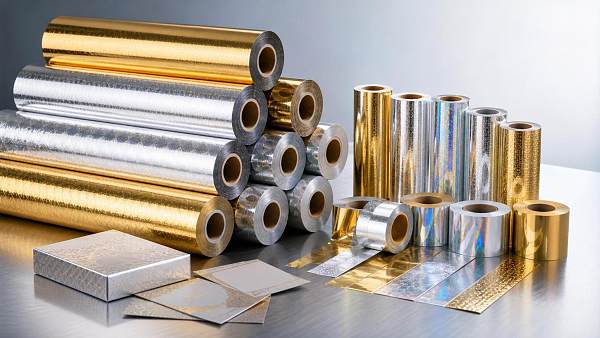
A typical security construction may combine a PET carrier of 12–50 microns, an embossed lacquer layer, vacuum metallization, adhesive coating, and optional print or release layers. Each layer affects durability, authentication clarity, and converting speed.
Optical features beyond decoration
Decorative holography can be copied visually, but security holography relies on controlled origination and precision replication. Technical evaluators should distinguish commodity rainbow film from materials designed for layered authentication.
- Level 1 features: visible movement, color shift, logo reconstruction, and shelf-visible holographic zones.
- Level 2 features: microtext, hidden symbols, UV-visible inks, or verifier-readable patterns.
- Level 3 features: forensic structures, nano-scale origination details, and controlled authentication under laboratory tools.
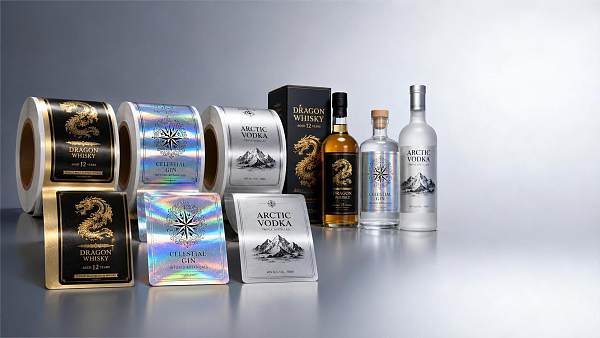
For pharmaceutical cartons, luxury spirits, cosmetics, electronics, and cross-border parcels, a 3-level structure is often more resilient than a single high-gloss hologram. It supports rapid retail checks and deeper investigation when diversion occurs.
Material stack and process relationship
The performance of holographic packaging materials depends on how each layer interacts with heat, pressure, solvent exposure, and substrate tension. A brilliant image is not sufficient if the foil cracks on folded cartons or delaminates during cold-chain transport.
The following comparison helps evaluators connect material format with security function, converting route, and typical packaging risks.
The main conclusion is that no single format fits every risk profile. Holographic PET film favors broad visual impact, while tamper-evident labels strengthen opening control. Hot and cold foils offer strong branding value when the converting process is stable.
Selection Criteria for Technical Evaluation
A reliable evaluation program should test holographic packaging materials across optical security, mechanical behavior, adhesive performance, print compatibility, and environmental exposure. Many failures appear only after 7–14 days of aging or transport simulation.
1. Substrate compatibility and dimensional stability
Carton board, BOPP, PET, PE, glass, HDPE bottles, and coated metal closures all present different surface energies. Pressure-sensitive security labels may require 24 hours for adhesive wet-out before final peel strength is judged.
For films used in lamination, dimensional stability under heat is critical. Even a 0.2–0.5 mm registration drift can weaken brand marks, disrupt hidden image alignment, or reduce barcode scan reliability near holographic areas.
2. Embossing fidelity and metallization quality
Embossing depth, shim quality, lacquer rheology, and web tension determine the sharpness of diffractive structures. For security work, evaluators should inspect repeat accuracy, image brightness, and micro-feature legibility across at least 3 roll positions.
Vacuum metallization adds reflectivity but can affect recyclability and microwave compatibility. Transparent holographic packaging materials may be preferred where product visibility, mono-material design, or metal detection processes are important.
3. Adhesive behavior under real handling
Anti-counterfeit adhesive labels require a balance between initial tack and holding power. A closure seal must bond quickly on high-speed lines, yet resist clean removal after 48 hours of storage or temperature fluctuation.
Recommended bench checks
- Condition samples for 24 hours at normal room conditions before comparison.
- Test peel on 3–5 representative substrates, including varnished and textured surfaces.
- Expose samples to 0°C, 40°C, and high-humidity conditions when cold-chain or tropical logistics are expected.
- Check residue, fiber tear, or VOID message formation after 30 minutes, 24 hours, and 7 days.
These checks reduce the risk of approving a label that looks secure in the laboratory but fails on a varnished carton, frozen vial box, or curved cosmetic cap.
Designing Anti-Counterfeit Layers for Brand and Supply Chain Risks
Different counterfeit threats require different security architectures. Replica packaging, gray-market diversion, refill fraud, and warranty replacement abuse do not respond equally to the same holographic device.
Technical evaluators should begin with a threat map covering 4 areas: product value, distribution complexity, consumer verification habits, and the likelihood of package reuse.
Application scenarios and material priorities
The table below outlines practical priorities for several high-risk packaging environments. It is intended as an evaluation guide rather than a fixed specification.
The pattern is clear: the best holographic packaging materials are selected by risk, not appearance alone. A high-value product often needs both visual deterrence and a controlled digital identity.
Combining optical security with digital verification
Holographic design becomes stronger when paired with QR codes, serialized labels, NFC tags, or track-and-trace data. The optical layer deters casual copying, while the digital layer supports batch-level investigation.
However, print contrast must be protected. Metallic backgrounds can reduce scanner performance if quiet zones, ink density, or overprint varnish are poorly designed. Thermal transfer ribbons should be tested for rub resistance after at least 100 abrasion cycles.
Practical integration rules
- Keep variable codes away from intense diffraction zones when handheld scanning is expected.
- Use matte or semi-matte code windows if retail lighting creates excessive glare.
- Validate overprinting inks on metallized, transparent, and coated holographic surfaces separately.
- Lock artwork, origination files, and print plates under controlled access to reduce internal leakage risk.
This hybrid approach is especially relevant for brands shipping through multiple regional distributors, e-commerce warehouses, and secondary repacking points.
Converting, Compliance, and Sustainability Considerations
Security performance must be balanced with manufacturability. A concept that cannot run at 60–120 meters per minute on a label press or causes excessive waste during stamping may not be commercially viable.
Converting window and line efficiency
For hot stamping, evaluators should document temperature, dwell time, pressure, and substrate coating. A stable foil system usually provides a practical transfer window rather than requiring constant operator adjustment.
For self-adhesive labels, die-cutting, matrix stripping, liner release, and automatic dispensing must be tested together. A label that curls after die-cutting can reduce dispensing accuracy at 200–400 packs per minute.
Recyclability and material reduction
Packaging teams increasingly evaluate holographic packaging materials against mono-material recycling goals and plastic reduction targets. Transparent holographic films, transfer coatings, and downgauged PET carriers can reduce material burden.
For paper-based cartons, transfer metallization may leave less film mass than laminated film structures. For flexible packaging, the decision should consider barrier needs, ink adhesion, and the effect of metallized layers on recovery streams.
Compliance questions to ask suppliers
- Can the supplier provide layer composition, adhesive type, and recommended storage conditions?
- Is the material suitable for the target region’s packaging waste and labeling requirements?
- What is the advised shelf life, commonly 6–12 months under controlled storage?
- Are trial rolls available for pilot runs before full-scale purchasing?
These questions help avoid late-stage redesigns, especially when exported products face packaging taxes, recyclability reviews, or retailer-specific sustainability scorecards.
Implementation Workflow for Procurement and Engineering Teams
A controlled implementation process reduces the risk of choosing attractive but unstable holographic packaging materials. The workflow should include security design, lab testing, pilot production, logistics simulation, and supplier governance.
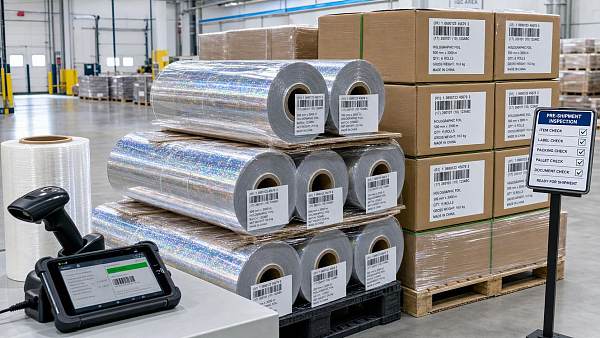
A 5-step validation path
- Define threats: identify whether the main risk is copying, opening, diversion, refill, or warranty abuse.
- Select structure: compare film, foil, label, or hybrid constructions against the packaging substrate.
- Run laboratory screening: evaluate adhesion, rub, heat, humidity, code readability, and optical clarity.
- Pilot on real equipment: test at planned speed, with actual inks, varnishes, cartons, bottles, or pouches.
- Lock controls: approve artwork files, roll specifications, inspection methods, and change-management rules.
A typical pilot may require 2–4 weeks, depending on tooling, origination approval, trial roll availability, and brand-side authentication review. Rushing this stage often shifts cost into rework and rejected inventory.
Supplier qualification checklist
Beyond price per square meter, evaluators should examine security control and repeatability. Holographic origination files, embossing shims, and serialized artwork are sensitive assets that require documented access control.
- Material consistency: roll-to-roll optical uniformity, coating weight stability, and defect reporting.
- Process transparency: clear recommendations for storage, web tension, stamping settings, and adhesive aging.
- Security governance: controlled origination, waste destruction, sample tracking, and version management.
- Technical support: response to press trials, failure analysis, and alternative structures when substrates change.
PPCS views these factors as part of the physical and digital identity of global commodities. Strong materials engineering must connect polymer films, micron-level coatings, adhesives, ribbons, and anti-counterfeit labels into one packaging system.
Common Mistakes When Specifying Holographic Security Packaging
Many projects fail because the team approves a visual sample without testing production reality. Holographic packaging materials should be judged under the same conditions that the final package will experience.
Mistake 1: Treating brightness as security
High brightness may improve shelf impact, but counterfeiters can imitate generic shine. Real security depends on controlled optical origination, feature hierarchy, supply chain control, and compatibility with authentication procedures.
Mistake 2: Ignoring surface energy and coatings
A label that bonds well to untreated paper may fail on UV-varnished board or low-energy plastic. Surface testing should include production varnish, embossing, ink coverage, and any release contamination from upstream operations.
Mistake 3: Separating security from sustainability
Security materials should not be specified in isolation from recyclability, downgauging, and packaging waste rules. Early alignment can prevent unnecessary multi-material laminates and support lighter structures without losing authentication strength.
Mistake 4: Not planning inspection criteria
Inspection should define acceptable visual defects, registration variation, code readability, adhesive residue, and roll handling defects. Even a simple 3-level inspection plan helps purchasing, QA, and converters make consistent decisions.
Building a Practical Specification with PPCS Intelligence
For technical evaluators, the strongest specification is measurable, process-aware, and risk-based. It defines the substrate, security level, optical effect, adhesive behavior, converting route, storage condition, and verification method.
Holographic packaging materials are most effective when paired with anti-counterfeit labels, thermal transfer data, high-barrier films, and responsible material choices. This is where PPCS positions its intelligence: linking physical protection with digital commodity identity.
If your team is comparing holographic films, foils, tamper-evident labels, or integrated security packaging for a new product launch, PPCS can help structure the evaluation logic and supplier discussion. Contact us to obtain a customized assessment framework, consult product details, or explore more anti-counterfeit packaging solutions.
Recommended News
 Sep 13, 2026When do holographic foils add value to luxury goods packaging?Packaging materials for luxury goods gain impact with holographic foils that elevate shelf appeal, authenticity, and premium unboxing—learn when this finish delivers real value.
 Aug 01, 2026How to Evaluate a Liquor Holographic Packaging Manufacturer for Anti-Counterfeit PerformanceLiquor holographic packaging manufacturer selection starts with anti-counterfeit performance. Learn how to assess security design, process stability, tamper evidence, and supply reliability.
 Jul 11, 2026How to Choose Foil for Cosmetic Cartons by Finish and DurabilityFoil for cosmetic cartons: learn how to choose the right finish and durability for better shelf appeal, scuff resistance, and reliable converting performance.
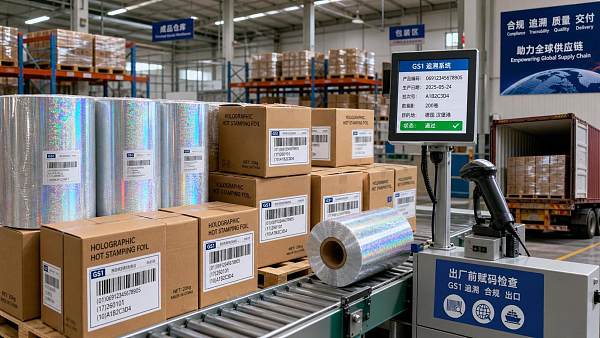
 Jul 09, 2026Vietnam Tightens Traceability Rule for Holographic Hot FoilsVietnam Tightens Traceability Rule for Holographic Hot Foils: learn how the new GS1 UCC-128 and ERP linkage mandate may affect exports, lead times, and Vietnam shipment compliance.
 Jul 09, 2026Transfer Foils Supplier Europe: Key Quality and Lead Time ChecksTransfer foils supplier Europe selection starts with quality and lead time checks. Learn how to compare adhesion, batch stability, compliance, and delivery reliability before you buy.
 Jul 08, 2026Vietnam Requires GS1 UCC-128 Labels on Imported Holographic Hot FoilsVietnam requires GS1 UCC-128 labels on imported holographic hot foils from Sept. 15, 2026. Learn the new MOIT rule, customs risks, and how importers can stay compliant.
![]() Jul 07, 2026Vietnam Requires GS1 UCC-128 Codes on Imported Holographic Hot FoilsVietnam requires GS1 UCC-128 codes on imported Holographic Hot Foils from Aug 15, 2026. Learn key VNTT traceability, labeling, and export compliance impacts now.
Jul 07, 2026Vietnam Requires GS1 UCC-128 Codes on Imported Holographic Hot FoilsVietnam requires GS1 UCC-128 codes on imported Holographic Hot Foils from Aug 15, 2026. Learn key VNTT traceability, labeling, and export compliance impacts now.![]() Jul 07, 2026Holographic Embossing Defects: What Causes Blur, Weak Depth, and Misalignment?Holographic embossing defects like blur, weak depth, and misalignment can ruin packaging impact. Learn the real causes, key checks, and practical fixes to improve quality.
Jul 07, 2026Holographic Embossing Defects: What Causes Blur, Weak Depth, and Misalignment?Holographic embossing defects like blur, weak depth, and misalignment can ruin packaging impact. Learn the real causes, key checks, and practical fixes to improve quality. Jul 04, 2026How Decorative Label Foils Affect Shelf Impact and Print QualityDecorative label foils shape shelf impact, boost perceived value, and influence print quality. Discover how the right foil choice improves packaging performance and brand appeal.
 Jul 03, 2026When to Use Heat Resistant Hot Stamping Foils on High-Temperature SurfacesHeat resistant hot stamping foils protect packaging, labels, and components from heat damage. Learn when to use them to keep gloss, adhesion, and quality stable.
 Jun 26, 2026Amazon EU to Enforce COO Labels on Holographic Hot FoilsAmazon EU COO labels for Holographic Hot Foils become mandatory on June 30, 2026. Learn origin rules, compliance risks, and how sellers can avoid listing removal.
 Jun 25, 2026欧盟为烫金箔企业开通EPR快速通道Holographic Hot Foils gain an EU EPR fast track under the EEA green acceleration plan. Learn how EN 15343:2023 certification, recycled aluminum compliance, and 2026–2027 export timing may affect suppliers and brands.
 Jun 24, 2026Interpack China 2026 Adds EPR Route for Hot FoilsInterpack China 2026 adds an EPR route for Hot Foils, helping Holographic Hot Foils suppliers speed EU compliance, improve recycled foil traceability, and streamline Europe-bound packaging exports.
 Jun 24, 2026Custom Luxury Brand Packaging: When Premium Finishes Pay OffLuxury brand packaging custom strategies can justify premium finishes when they boost appeal, protection, anti-counterfeit security, and ROI. Learn where upgrades truly pay off.
 Jun 23, 2026Interpack China 2026 Adds Green Foil Zone With EPR Fast TrackInterpack China 2026 adds a Green Foil Zone and EPR fast track, helping hot stamping foil exporters reach EU compliance faster. Discover what it means for supply chains, buyers, and market access.
 Jun 22, 2026Interpack China 2026 Adds Green Foil Compliance TrackInterpack China 2026 puts Holographic Hot Foils compliance at the forefront with a new green foil track, helping suppliers speed EU market access, strengthen export readiness, and meet buyer demands faster.
 Jun 22, 2026How Cosmetic Foil Technology Impacts Shelf Appeal and Brand ConsistencyCosmetic foil technology shapes shelf appeal and brand consistency across beauty packaging. Learn how to improve visual impact, durability, and premium branding in real retail conditions.
 Jun 21, 2026Japan Verifies Hot Foil Stamping for 100% rPET BottlesJapan verifies hot foil stamping for 100% rPET bottles, confirming 98% adhesion at 110°C. See what this means for packaging buyers, converters, and compliance teams.
 Jun 20, 2026Japan Validates Hot Foils for 100% rPET BottlesJapan validates hot foils for 100% rPET bottles, confirming certified holographic foil suppliers and 99.2% adhesion on thin-wall surfaces—see what it means for packaging, sourcing, and brand compliance.
 Jun 19, 2026Japan’s 100% rPET Shift Tests Foil StampingJapan’s 100% rPET shift is reshaping Holographic Hot Foils stamping. Learn how yield loss, new validated processes, and supplier qualification changes may impact packaging decisions.
 Jun 17, 2026Luxury Brand Packaging Trends in 2026: Materials, Security, and Shelf ImpactLuxury brand packaging in 2026 is redefining premium value through smarter materials, anti-counterfeit security, and stronger shelf impact. Discover the trends shaping standout, compliant packaging.
 Jun 14, 2026AsiaPrint Asia 2026 Puts UV Flexo Inks and Holographic Foils in FocusAsiaPrint Asia 2026 puts UV Flexo inks and holographic foils front and center, highlighting ISO-based performance metrics shaping premium packaging, supplier choices, and next-gen visual impact.
 Jun 11, 2026Luxury Brand Packaging Trends: When Anti-Counterfeit Features Add ValueLuxury brand packaging is evolving into a blend of beauty, security, and traceability. Discover how anti-counterfeit features boost trust, value, and premium appeal.
 Jun 10, 2026How to Choose Holographic Embossing for Brand ProtectionHolographic embossing for brand protection: learn how to compare optical complexity, tamper evidence, substrate fit, and durability to choose a secure, high-impact solution.