Search News
Industry Portal
Hot Articles
- How to verify FDA compliance for packaging inks used on food packagingPackaging inks FDA compliant? Learn how to verify food-contact safety through regulatory citations, migration testing, supplier declarations, and process controls.
- When do holographic foils add value to luxury goods packaging?Packaging materials for luxury goods gain impact with holographic foils that elevate shelf appeal, authenticity, and premium unboxing—learn when this finish delivers real value.
- Can nano encryption technology stop counterfeit labels from being copied?Nano encryption technology anti counterfeit labels combine physical security, tamper evidence, and serialization to make copying harder. Explore smarter protection.
Popular Tags
Cosmetic Foil Technology: Cost vs Shelf Impact
Time
Click Count
For business evaluators, cosmetic foil technology is no longer a decorative afterthought—it is a measurable investment in shelf visibility, brand premiumization, and packaging differentiation.
From hot stamping and cold foil to holographic metallization, the real question is not simply how much foil costs, but whether its optical impact can justify higher unit prices, faster consumer recognition, and stronger retail conversion.
This article examines the cost drivers, performance trade-offs, and commercial value behind foil-enhanced cosmetic packaging.
Why Cosmetic Foil Technology Matters in Commercial Packaging Decisions
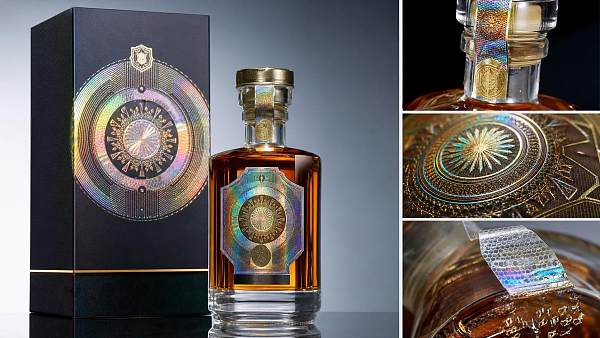
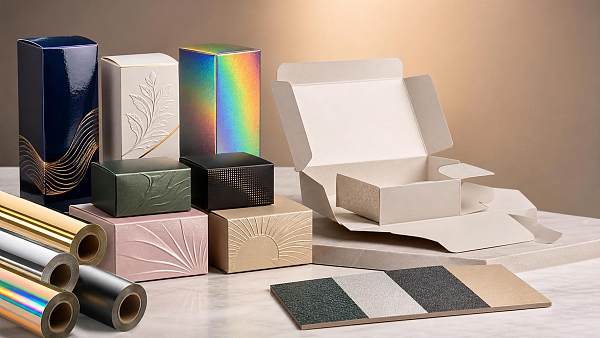
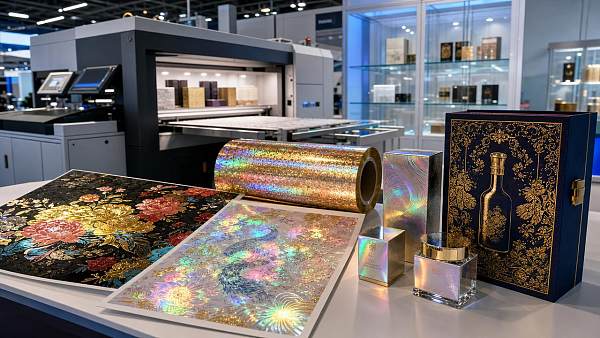
Cosmetic foil technology creates metallic, holographic, pearlescent, or high-gloss effects on cartons, labels, tubes, and secondary packaging.
For cosmetics, the visual signal must work within seconds, often beside dozens of similar products with comparable claims and price points.
Business evaluators should treat foil as a packaging system, not a surface decoration. Substrate, adhesive layer, release coating, stamping temperature, and registration accuracy all influence outcome.
- It supports premium positioning when metallic cues match fragrance, skincare, or makeup brand architecture.
- It improves shelf recognition when used on logos, product names, limited-edition marks, or security details.
- It can raise cost and complexity if artwork coverage, tooling, and substrate compatibility are not controlled early.
- It may affect recyclability assessment when foil area, ink system, lamination, and paperboard structure are evaluated together.
PPCS views cosmetic foil technology through the same lens used for high-barrier films, anti-counterfeit labels, cushioning, and transfer ribbons: micro-coatings must serve measurable commodity protection and visual performance.
Which Foil Route Fits Your Packaging Scenario?
The choice between hot stamping, cold foil, holographic foil, and digital foil depends on design intent, run length, substrate, lead time, and conversion process.
The table below compares common cosmetic foil technology options from a business evaluation perspective, not only from a printing workshop perspective.
A premium launch may justify hot stamping, while a mass skincare label may benefit from cold foil. The strongest decision links visual impact to channel economics.
What Really Drives the Cost of Cosmetic Foil Technology?
Foil cost is rarely a single line item. It is shaped by foil grade, coverage ratio, tooling, waste, machine speed, inspection, and rework risk.
Evaluators should calculate total applied cost per sellable pack, rather than comparing foil roll prices or quoting a generic decorative surcharge.
The key commercial discipline is to avoid buying maximum shine when the shopper only needs one recognizable premium cue.
PPCS often recommends a coverage audit before specification lock. Reducing foil area can preserve shelf impact while improving cost stability and recyclability discussion.
How to Measure Shelf Impact Without Guesswork
Turn visual appeal into business evidence
Cosmetic foil technology should be evaluated through consumer behavior, retail visibility, and brand hierarchy, not by internal preference alone.
A foil effect that looks impressive under studio lighting may perform differently in pharmacy aisles, duty-free stores, livestream backdrops, or e-commerce thumbnails.
- Test visibility at three distances: close reading, shelf browsing, and aisle-level scanning.
- Compare plain print, selective foil, and full metallic treatment using the same artwork hierarchy.
- Review whether foil highlights brand name, functional claim, shade number, or limited-edition signal.
- Check lighting conditions across retail stores, beauty counters, warehouse clubs, and online photography setups.
- Track conversion indicators such as pick-up rate, sample request, channel buyer feedback, and repeat packaging approval.
For business evaluators, the highest-value cosmetic foil technology is not always the brightest. It is the option that supports recognition, margin, and manufacturability together.
Technical Parameters Buyers Should Confirm Before Approval
Before placing commercial orders, buyers should request practical process data. These parameters reduce disputes between brand teams, converters, and suppliers.
The following checklist helps evaluate cosmetic foil technology during sampling, pilot production, and final purchasing negotiation.
A sample that passes visual review but fails abrasion or adhesion testing can create expensive relabeling, reboxing, or shipment delays.
Cost Versus Alternatives: When Foil Is Worth the Premium
Compare the effect, not only the decoration method
Alternatives to cosmetic foil technology include metallic inks, pearlescent coatings, laminated metallized films, spot UV, embossing, and specialty varnishes.
Each option can support differentiation, but the commercial outcome differs in brightness, tactile perception, recyclability discussion, and production complexity.
- Choose selective foil when the brand needs a precise premium cue on logos, emblems, or hero claims.
- Consider metallic ink when cost pressure is high and mirror-like reflectivity is not essential.
- Use embossing with foil when tactile luxury supports higher price architecture or gifting behavior.
- Avoid full-surface metallized treatments unless the brand can justify the stronger visual identity and material implications.
The best substitute is not always cheaper. If an alternative weakens shelf recognition, the apparent saving may disappear through lower conversion or weaker retail acceptance.
Compliance and Sustainability Questions That Should Not Be Ignored
Sustainability review is becoming part of packaging procurement. Cosmetic foil technology must be considered within the full pack structure and end-market requirements.
Foil decoration usually represents a small material fraction, yet its interaction with coatings, laminates, inks, and adhesives can affect recycling conversations.
PPCS connects foil decisions with broader packaging intelligence, including mono-material targets, micro-coating chemistry, anti-counterfeit layers, and lightweight film strategies.
Procurement Guide: How Business Evaluators Should Shortlist Suppliers
Move from price comparison to risk comparison
A supplier quote for cosmetic foil technology should be judged together with sampling support, process guidance, delivery reliability, and problem-solving capacity.
Low initial price can become expensive if foil transfer varies between batches or requires repeated press adjustments during production.
- Request samples on the actual substrate, not only on a supplier demonstration sheet.
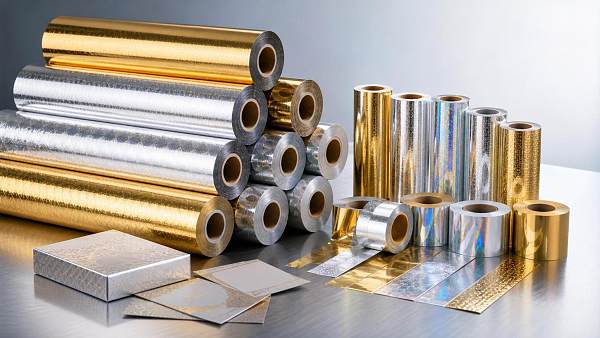
- Confirm whether the supplier can support hot foil, cold foil, holographic patterns, or mixed processes.
- Define acceptable appearance limits for pinholes, incomplete transfer, edge roughness, and registration deviation.
- Ask about lead time for foil rolls, dies, repeat orders, and urgent launch replenishment.
- Compare commercial risk across cost, appearance, yield, sustainability documentation, and converter readiness.
For fast-moving beauty launches, supplier responsiveness may be as important as unit cost. Delayed decoration can block filling, boxing, and channel delivery.
Common Mistakes in Cosmetic Foil Technology Evaluation
Mistake one: approving artwork before process testing
Fine serif fonts, dense foil blocks, and tight registration can look perfect in design files but fail under real stamping or transfer conditions.
Mistake two: chasing maximum brilliance on every SKU
When all products use strong metallic effects, the premium cue becomes less selective. Strategic contrast often creates better shelf navigation.
Mistake three: ignoring logistics and handling
Cosmetic packs face carton packing, warehouse movement, e-commerce shipping, and retail handling. Foil durability must survive beyond the press approval stage.
FAQ for Buyers Comparing Cost and Shelf Impact
How much foil coverage is usually enough for a premium cosmetic pack?
Many brands gain strong visual impact from selective use on logos, borders, product names, or seals. Full coverage should be justified by positioning and channel needs.
Is cold foil cheaper than hot stamping for cosmetic packaging?
Cold foil can reduce tooling dependence and support inline production, but total cost depends on adhesive, curing, substrate, run length, and waste rate.
Can cosmetic foil technology support anti-counterfeit packaging?
Yes, holographic patterns, micro-optical effects, and tamper-related label structures can support authentication, but security design should be planned with traceability requirements.
What should be tested before mass production?
Test adhesion, abrasion, registration, color shift after overprinting, packaging-line handling, and storage conditions. Use final materials whenever possible.
Why Choose PPCS for Foil Packaging Evaluation
PPCS helps business evaluators translate cosmetic foil technology into practical procurement decisions across packaging cost, shelf performance, compliance, and production risk.
Our perspective covers hot and cold stamping foils, holographic metallization, pressure-sensitive labels, barrier films, thermal transfer marking, and eco-friendly cushioning systems.
You can consult PPCS for foil route selection, substrate compatibility checks, decorative coverage review, launch-risk analysis, compliance questions, sample evaluation, and quotation comparison.
If your team is weighing cost against shelf impact, PPCS can help define the right specification before artwork, tooling, and supplier commitments become expensive to change.
Recommended News
 Sep 13, 2026When do holographic foils add value to luxury goods packaging?Packaging materials for luxury goods gain impact with holographic foils that elevate shelf appeal, authenticity, and premium unboxing—learn when this finish delivers real value.
 Aug 01, 2026How to Evaluate a Liquor Holographic Packaging Manufacturer for Anti-Counterfeit PerformanceLiquor holographic packaging manufacturer selection starts with anti-counterfeit performance. Learn how to assess security design, process stability, tamper evidence, and supply reliability.
 Jul 11, 2026How to Choose Foil for Cosmetic Cartons by Finish and DurabilityFoil for cosmetic cartons: learn how to choose the right finish and durability for better shelf appeal, scuff resistance, and reliable converting performance.
 Jul 09, 2026Vietnam Tightens Traceability Rule for Holographic Hot FoilsVietnam Tightens Traceability Rule for Holographic Hot Foils: learn how the new GS1 UCC-128 and ERP linkage mandate may affect exports, lead times, and Vietnam shipment compliance.
 Jul 09, 2026Transfer Foils Supplier Europe: Key Quality and Lead Time ChecksTransfer foils supplier Europe selection starts with quality and lead time checks. Learn how to compare adhesion, batch stability, compliance, and delivery reliability before you buy.
 Jul 08, 2026Vietnam Requires GS1 UCC-128 Labels on Imported Holographic Hot FoilsVietnam requires GS1 UCC-128 labels on imported holographic hot foils from Sept. 15, 2026. Learn the new MOIT rule, customs risks, and how importers can stay compliant.
![]() Jul 07, 2026Vietnam Requires GS1 UCC-128 Codes on Imported Holographic Hot FoilsVietnam requires GS1 UCC-128 codes on imported Holographic Hot Foils from Aug 15, 2026. Learn key VNTT traceability, labeling, and export compliance impacts now.
Jul 07, 2026Vietnam Requires GS1 UCC-128 Codes on Imported Holographic Hot FoilsVietnam requires GS1 UCC-128 codes on imported Holographic Hot Foils from Aug 15, 2026. Learn key VNTT traceability, labeling, and export compliance impacts now.![]() Jul 07, 2026Holographic Embossing Defects: What Causes Blur, Weak Depth, and Misalignment?Holographic embossing defects like blur, weak depth, and misalignment can ruin packaging impact. Learn the real causes, key checks, and practical fixes to improve quality.
Jul 07, 2026Holographic Embossing Defects: What Causes Blur, Weak Depth, and Misalignment?Holographic embossing defects like blur, weak depth, and misalignment can ruin packaging impact. Learn the real causes, key checks, and practical fixes to improve quality. Jul 04, 2026How Decorative Label Foils Affect Shelf Impact and Print QualityDecorative label foils shape shelf impact, boost perceived value, and influence print quality. Discover how the right foil choice improves packaging performance and brand appeal.
 Jul 03, 2026When to Use Heat Resistant Hot Stamping Foils on High-Temperature SurfacesHeat resistant hot stamping foils protect packaging, labels, and components from heat damage. Learn when to use them to keep gloss, adhesion, and quality stable.
 Jun 26, 2026Amazon EU to Enforce COO Labels on Holographic Hot FoilsAmazon EU COO labels for Holographic Hot Foils become mandatory on June 30, 2026. Learn origin rules, compliance risks, and how sellers can avoid listing removal.
 Jun 25, 2026欧盟为烫金箔企业开通EPR快速通道Holographic Hot Foils gain an EU EPR fast track under the EEA green acceleration plan. Learn how EN 15343:2023 certification, recycled aluminum compliance, and 2026–2027 export timing may affect suppliers and brands.
 Jun 24, 2026Interpack China 2026 Adds EPR Route for Hot FoilsInterpack China 2026 adds an EPR route for Hot Foils, helping Holographic Hot Foils suppliers speed EU compliance, improve recycled foil traceability, and streamline Europe-bound packaging exports.
 Jun 24, 2026Custom Luxury Brand Packaging: When Premium Finishes Pay OffLuxury brand packaging custom strategies can justify premium finishes when they boost appeal, protection, anti-counterfeit security, and ROI. Learn where upgrades truly pay off.
 Jun 23, 2026Interpack China 2026 Adds Green Foil Zone With EPR Fast TrackInterpack China 2026 adds a Green Foil Zone and EPR fast track, helping hot stamping foil exporters reach EU compliance faster. Discover what it means for supply chains, buyers, and market access.
 Jun 22, 2026Interpack China 2026 Adds Green Foil Compliance TrackInterpack China 2026 puts Holographic Hot Foils compliance at the forefront with a new green foil track, helping suppliers speed EU market access, strengthen export readiness, and meet buyer demands faster.
 Jun 22, 2026How Cosmetic Foil Technology Impacts Shelf Appeal and Brand ConsistencyCosmetic foil technology shapes shelf appeal and brand consistency across beauty packaging. Learn how to improve visual impact, durability, and premium branding in real retail conditions.
 Jun 21, 2026Japan Verifies Hot Foil Stamping for 100% rPET BottlesJapan verifies hot foil stamping for 100% rPET bottles, confirming 98% adhesion at 110°C. See what this means for packaging buyers, converters, and compliance teams.
 Jun 20, 2026Japan Validates Hot Foils for 100% rPET BottlesJapan validates hot foils for 100% rPET bottles, confirming certified holographic foil suppliers and 99.2% adhesion on thin-wall surfaces—see what it means for packaging, sourcing, and brand compliance.
 Jun 19, 2026Japan’s 100% rPET Shift Tests Foil StampingJapan’s 100% rPET shift is reshaping Holographic Hot Foils stamping. Learn how yield loss, new validated processes, and supplier qualification changes may impact packaging decisions.
 Jun 17, 2026Luxury Brand Packaging Trends in 2026: Materials, Security, and Shelf ImpactLuxury brand packaging in 2026 is redefining premium value through smarter materials, anti-counterfeit security, and stronger shelf impact. Discover the trends shaping standout, compliant packaging.
 Jun 14, 2026AsiaPrint Asia 2026 Puts UV Flexo Inks and Holographic Foils in FocusAsiaPrint Asia 2026 puts UV Flexo inks and holographic foils front and center, highlighting ISO-based performance metrics shaping premium packaging, supplier choices, and next-gen visual impact.
 Jun 11, 2026Luxury Brand Packaging Trends: When Anti-Counterfeit Features Add ValueLuxury brand packaging is evolving into a blend of beauty, security, and traceability. Discover how anti-counterfeit features boost trust, value, and premium appeal.
 Jun 10, 2026How to Choose Holographic Embossing for Brand ProtectionHolographic embossing for brand protection: learn how to compare optical complexity, tamper evidence, substrate fit, and durability to choose a secure, high-impact solution.