Search News
Industry Portal
Hot Articles
- When does honeycomb paper make sense for eco friendly ecommerce packaging?Eco friendly packaging for ecommerce: discover when honeycomb paper can cut plastic, protect products, control costs, and improve unboxing—without compromising fulfillment performance.
- How destructible tamper evident tags prevent label removal and reuseDestructible tamper evident tags prevent label removal and reuse with visible evidence. Explore materials, adhesives, surface testing, and installation tips.
- Where to find packaging specification resources for compliance checksPackaging specification resources: discover trusted regulations, test standards, and supplier documents to streamline compliance checks, reduce risk, and approve packaging confidently.
Popular Tags
Vietnam Mandates VQR Codes on VOID Labels
Time
Click Count
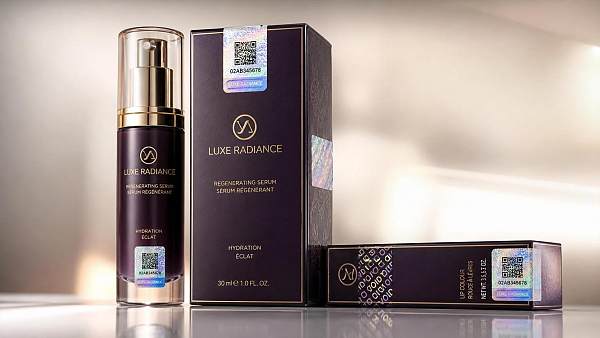
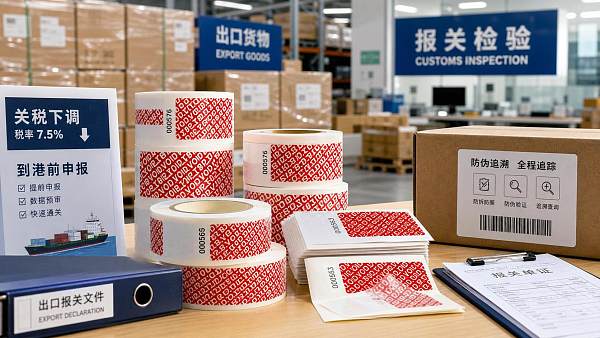
Vietnam’s Ministry of Industry and Trade (MOIT) has put a new rule into force on July 14, 2026, requiring tamper-evident VOID labels used on imported high-value goods to carry a VQR code and connect in real time with the Vietnam National Traceability System (VNTS). The change matters not only to importers of pharmaceuticals, cosmetics, and electronic accessories, but also to label suppliers, exporters, testing providers, and teams responsible for shipment readiness, data filing, and system integration before goods move into the Vietnamese market.
What the rule now requires
According to MOIT Circular No. 28/2026/TT-BCT, the requirement became mandatory from July 14, 2026. The rule applies to tamper-evident labels used on imported high-value products, including pharmaceuticals, cosmetics, and electronic accessories.
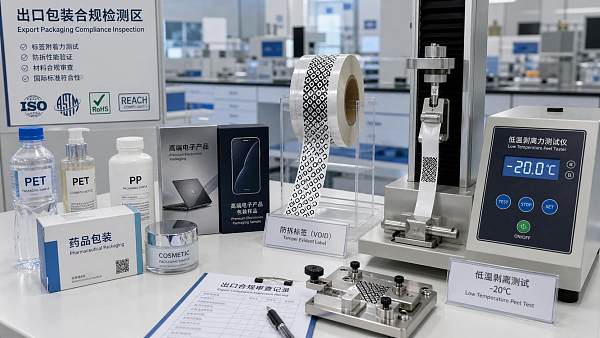
Under the provided information, those labels must include a VQR code and must be synchronized in real time with VNTS. The labels are also required to pass testing by a VQR-certified laboratory. For Chinese suppliers, label data filing and API integration must be completed before shipment.
Where the operational pressure is likely to appear
Import trade workflows face a pre-shipment compliance step
From an industry perspective, importers and exporters dealing with covered product categories are likely to feel the impact first at the shipment preparation stage. The rule links physical labels with traceability data transmission, which means compliance is no longer limited to packaging appearance; it also reaches filing and system connectivity before goods are dispatched.
Label and packaging suppliers move closer to regulated execution
Suppliers of tamper-evident VOID labels may be affected because the label now appears to function as both a security feature and a traceability entry point. Analysis shows that attention will likely shift toward whether the label format, testing status, and code implementation can support customer compliance requirements for Vietnam-bound shipments.
Data and integration teams become part of market access preparation
What deserves closer attention is that the requirement includes real-time synchronization with VNTS and a pre-shipment API connection requirement for Chinese suppliers. This suggests that compliance responsibility may extend beyond packaging or procurement teams to IT, traceability, regulatory, and customer service functions that manage data registration and handoff.
Testing and documentation may affect delivery timing
Observably, the need for VQR-certified laboratory testing introduces an additional checkpoint tied to label readiness. For businesses shipping covered goods into Vietnam, the practical impact may appear in documentation flow, qualification review, and delivery scheduling rather than only in the cost or design of the label itself.
What companies should verify now
Check whether affected SKUs already use compliant label logic
Companies shipping pharmaceuticals, cosmetics, or electronic accessories into Vietnam should review whether current tamper-evident VOID labels can support a VQR code requirement and the associated traceability workflow. The key issue is not only label application, but whether the label can be used within the required data structure and reporting process.
Confirm testing and supplier readiness before dispatch
Analysis shows that supplier qualification is likely to become a practical checkpoint. Businesses should pay close attention to whether their label vendors and related service partners can support VQR-certified laboratory testing and provide the records needed for shipment preparation.
Separate policy wording from execution details
What deserves closer attention is the difference between the confirmed rule and the operational details that companies may still need to clarify internally. The provided information confirms mandatory implementation, testing, data filing, and API connection, but each business will still need to map those requirements onto its own packaging, documentation, and export workflow.
Review lead times and customer communication
For suppliers shipping from China, the requirement to complete filing and API integration before shipment means compliance timing matters. Businesses may need to reassess order cutoffs, internal approval steps, and customer communication around shipment readiness for Vietnam-bound goods.
Why this reads as more than a labeling update
Analysis shows that this development is better understood as a traceability and market-entry control measure expressed through labeling requirements. The rule does not only govern what is attached to a product; it ties the label to testing status and live system connectivity. That makes the change relevant to both physical packaging execution and digital compliance infrastructure.
It is more appropriate to understand this as an implemented regulatory change rather than a preliminary signal, because the provided information states that the requirement is already mandatory from July 14, 2026. At the same time, from an industry perspective, the full operational effect may still require continued observation as companies translate the rule into day-to-day shipping and supplier management processes.
How the market may need to read this change
In practical terms, this update points to a tighter connection between anti-tamper labeling, product traceability, and import compliance in Vietnam. The immediate significance lies in execution: covered goods now appear to require compliant labels, certified testing, and system-level data preparation before shipment.
A neutral reading is that this is not just a short-term packaging adjustment, but also not a basis for broad conclusions beyond the confirmed scope. For now, it is best understood as a concrete compliance requirement with wider operational implications across labeling, documentation, and traceability coordination.
Basis of this article and points to keep watching
This article is based on the user-provided news title, event date, and event summary concerning MOIT Circular No. 28/2026/TT-BCT, its July 14, 2026 effective date, the VQR code requirement for tamper-evident VOID labels, VNTS synchronization, VQR-certified laboratory testing, and the pre-shipment filing and API connection requirement for Chinese suppliers.
For this type of development, source categories commonly relevant to ongoing verification include official government notices, company compliance notices, industry association updates, authoritative media reporting, and standard or certification-related documents. A specific official source link was not provided in the input, so continued verification remains necessary. Follow-up attention should focus on any further official clarification around implementation details, testing practice, and system connection requirements within affected supply chains.
Recommended News
 Aug 28, 2026How destructible tamper evident tags prevent label removal and reuseDestructible tamper evident tags prevent label removal and reuse with visible evidence. Explore materials, adhesives, surface testing, and installation tips.
 Aug 09, 2026How to Choose Polyester Security Labeling Materials for Heat, Moisture, and Tamper ResistanceSecurity labeling materials polyester guide: learn how to choose PET labels for heat, moisture, and tamper resistance with practical checkpoints that reduce failure and improve performance.
 Jul 30, 2026PPWR Deadline Forces VOID Label Recycling DisclosuresPPWR deadline puts VOID label recycling disclosures under pressure. Learn the 2026 EU compliance rules, QR code requirements, EN 13432 checks, and how to avoid customs delays or €5,000 fines.
 Jul 28, 2026How to Evaluate Commodity Security Films for Pharmaceutical PackagingCommodity security films for pharmaceuticals: learn how to assess tamper evidence, chemical resistance, printability, compliance, and supply stability for safer pharma packaging.
 Jul 26, 2026PPWR Transition Ends: VOID Labels Need Recyclability DeclarationsVOID labels now face mandatory PPWR recyclability declarations for EU exports. Learn what importers, exporters, and buyers must prepare to avoid customs delays, compliance costs, and shipment risk.
 Jul 15, 2026How to Choose a Tamper Evident Tags Supplier for Secure Product LinesTamper evident tags supplier selection affects product security, traceability, and brand trust. Learn how to compare materials, printability, compliance, and supply stability.
 Jul 14, 2026Vietnam Mandates VQR Codes on VOID LabelsVietnam mandates VQR codes on VOID labels for imported high-value goods from July 14, 2026. Learn the new VNTS, testing, and pre-shipment compliance steps.
 Jul 12, 2026GCC Rule Tightens for VOID Labels with RFIDGCC rule tightens for VOID labels with RFID: from Oct 1, 2026, GCC-bound tamper-evident VOID labels must add passive UHF RFID and pass GSO testing. See impacts on compliance, exports, and sourcing.
 Jul 12, 2026When Tamper Evident Packaging Labels for Warranty Reduce False ClaimsTamper evident packaging labels for warranty help cut false claims with visible proof, faster inspections, and stronger traceability. See how to choose the right seal.
 Jul 11, 2026GCC Rule Adds QR Traceability to VOID LabelsGCC Rule Adds QR Traceability to VOID Labels: learn how the new GSO mandate impacts GCC exports, compliance, packaging specs, and supplier readiness before the October 2026 deadline.
 Jul 10, 2026CPSC Adds Peel Strength Rule for VOID LabelsCPSC adds peel strength rule for VOID labels, requiring 3.5 N/cm² testing and third-party reports from Jan 2027. See how this affects packaging compliance, exports, and supplier readiness.
 Jul 09, 2026India Mandates BIS Certification for VOID LabelsIndia mandates BIS certification for VOID labels under IS 18252:2026, with immediate customs and testing impact. Learn key compliance risks, new test rules, and how exporters can stay shipment-ready.
 Jul 09, 2026How Brand Protection Packaging for Cosmetics Reduces Counterfeit RiskBrand protection packaging for cosmetics helps reduce counterfeit risk with tamper-evident labels, digital traceability, and premium design that protects trust and sales.
 Jul 08, 2026India Expands BIS Mandate to VOID Labels Under IS 18252:2026India expands BIS mandate to VOID labels under IS 18252:2026. Learn the October 1, 2026 compliance impact, ISI mark requirements, and key actions for exporters and suppliers.
![]() Jul 07, 2026India Expands BIS Mandate to VOID LabelsIndia Expands BIS Mandate to VOID Labels: learn how the new BIS certification rule affects imports, packaging compliance, supplier approval, and delivery planning before the Nov. 1, 2026 deadline.
Jul 07, 2026India Expands BIS Mandate to VOID LabelsIndia Expands BIS Mandate to VOID Labels: learn how the new BIS certification rule affects imports, packaging compliance, supplier approval, and delivery planning before the Nov. 1, 2026 deadline.![]() Jul 07, 2026Brand Protection Packaging for Electronics: Key Features to CompareBrand protection packaging for electronics: compare tamper evidence, barrier films, cushioning, and print durability to reduce risk, improve traceability, and protect brand value.
Jul 07, 2026Brand Protection Packaging for Electronics: Key Features to CompareBrand protection packaging for electronics: compare tamper evidence, barrier films, cushioning, and print durability to reduce risk, improve traceability, and protect brand value. Jul 06, 2026Japan Updates JIS T 0001:2026 for VOID LabelsJapan updates JIS T 0001:2026 for VOID labels, adding ICP-MS nano-residue testing for medical device packaging. Learn the 0.1 μg/cm² limit, October 2026 deadline, and key compliance steps.
 Jul 06, 2026Tamper Evident Labels Supplier: 7 Risks to Review Before OrderingTamper evident labels supplier selection affects security, compliance, and brand trust. Review 7 critical risks before ordering to avoid failures, delays, and costly sourcing mistakes.
 Jul 06, 2026Anti Counterfeit Labels for Cosmetics: Key Features That Reduce FraudAnti counterfeit labels for cosmetics reduce fraud with tamper-evident seals, serialization, overt and covert security, and traceability—helping brands protect consumers and build trust.
 Jul 05, 2026JETRO Flags New Chemical Disclosure Rule for VOID LabelsJETRO flags a new chemical disclosure rule for Tamper-evident VOID Labels in Japan. Learn the August 1, 2026 compliance impact, required documents, and what importers and manufacturers must prepare now.
 Jul 04, 2026CPSC Tightens Import Rule for Tamper-Evident VOID LabelsCPSC tightens import rules for tamper-evident VOID labels under ASTM F2573-26. Learn how the 2026 update affects packaging compliance, import eligibility, and shipment readiness.
 Jul 02, 2026Tamper-Evident VOID Labels for Pharmaceuticals: Common Compliance GapsTamper-evident VOID labels for pharmaceuticals: uncover common compliance gaps in adhesion, validation, print durability, and document control to strengthen audit readiness and protect product integrity.
 Jun 29, 2026GCC Tariff Cut Meets New VOID Label Filing RuleGCC tariff cut and new VOID Label filing rule reshape import compliance. Learn how the 2.8% duty, GACTP registration, and 72-hour pre-arrival data filing affect shipments.
 Jun 28, 2026Japan Raises VOID Label Adhesion Standard in JIS T 2201:2026Japan Raises VOID Label Adhesion Standard in JIS T 2201:2026: learn how stricter peel strength and new -20C testing may affect Japan-bound packaging, compliance, suppliers, and exports.