Search News
Industry Portal
Hot Articles
- Mark-and-Verify Solutions for Food Packaging: Choosing Codes, Labels, and ChecksMark and verify solutions for food packaging: choose reliable codes, durable labels, and automated checks to protect traceability, compliance, and brand trust.
- PPCS Compliance Explained: Packaging Data, Documentation, and Audit ControlsPPCS compliance explained: build traceable packaging data, controlled documentation, and audit-ready controls to reduce risk and strengthen market confidence.
- PPWD Compliance: How Packaging Producers Can Prepare for EU Waste RulesPPWD compliance guide for packaging producers: prepare for EU waste rules with smarter materials, recyclability, EPR planning, and practical design steps.
Popular Tags
Buyers Make PLA Packaging a Procurement Requirement
Time
Click Count
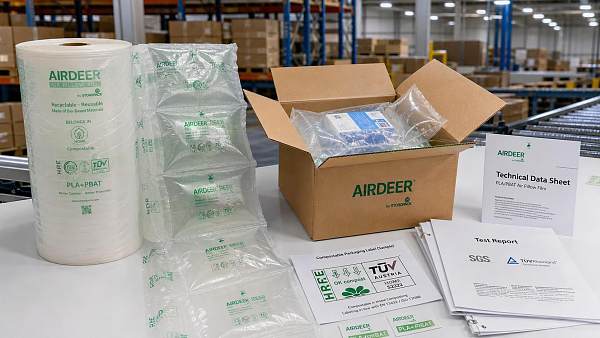
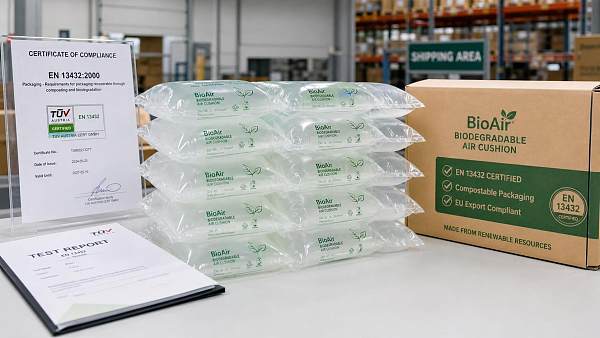
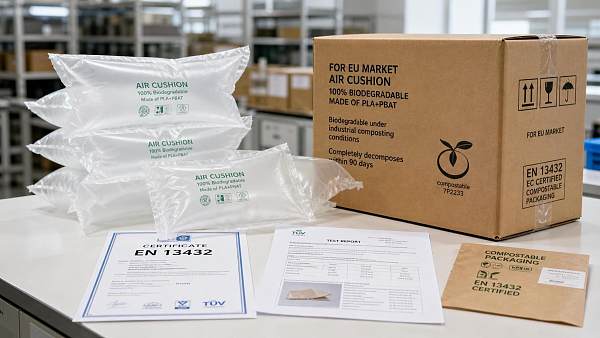
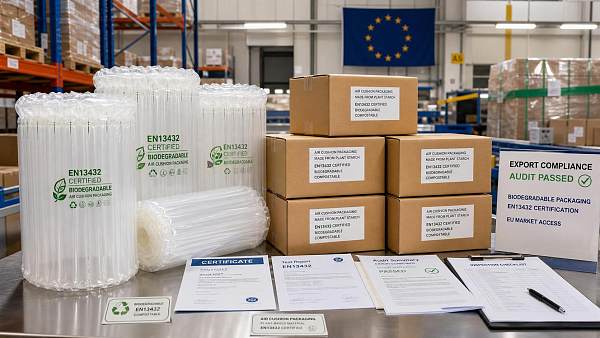
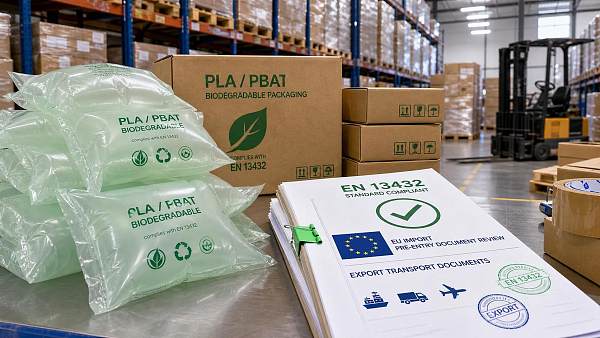
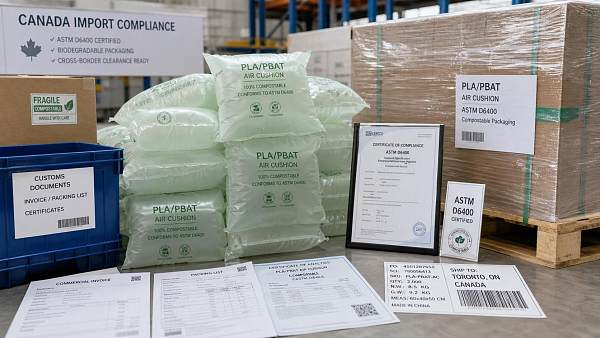
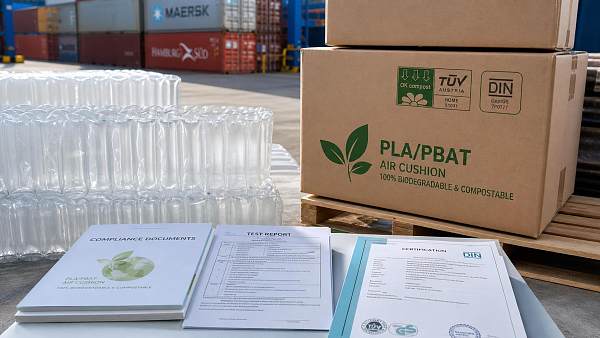
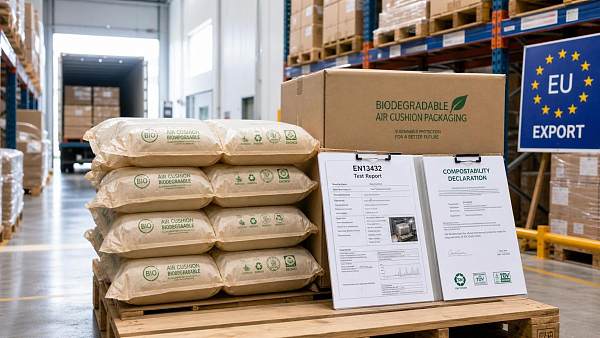
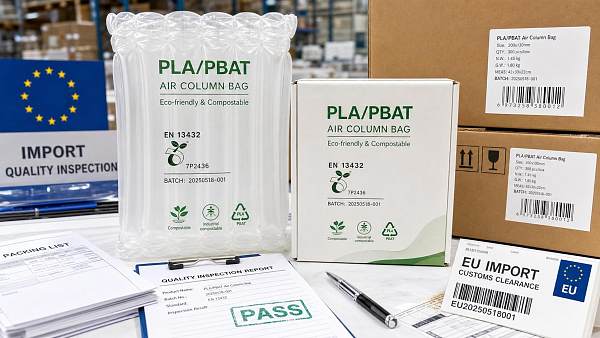
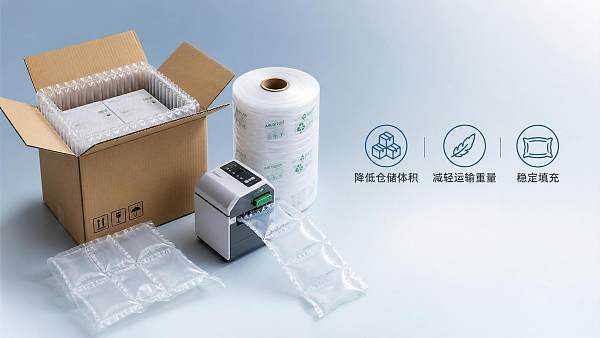
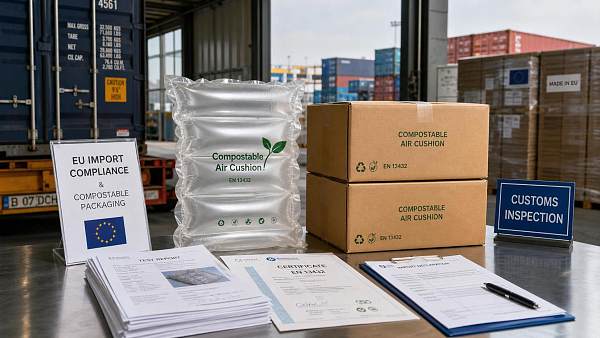
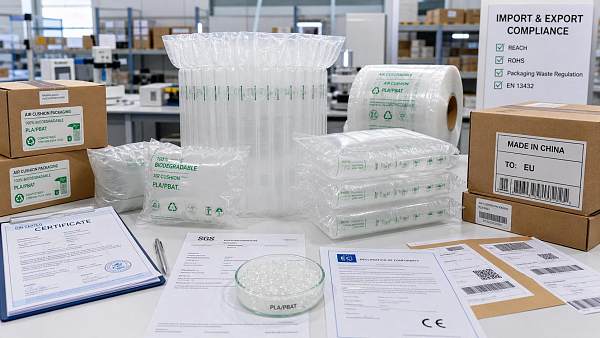
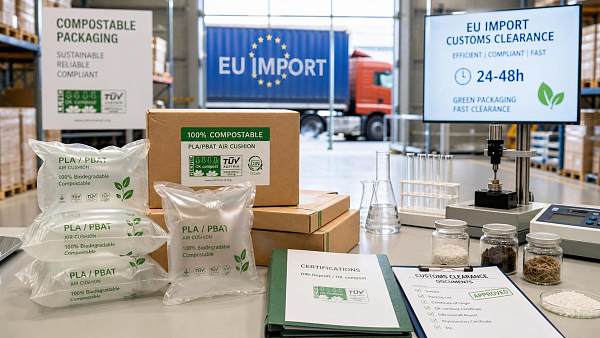
The timing of the underlying market shift is not explicitly stated in the source text, but a buyer list released on June 9, 2026 by the iPDF International Future Packaging Expo shows a clear change in purchasing requirements: 32 leading channel buyers in emerging markets are prioritizing direct sourcing of PLA/PBAT bio-based films and degradable air cushion packaging, while requiring EN13432 or ASTM D6400 certification documents. For packaging manufacturers, exporters, converters, procurement teams, and certification-related service providers, this matters less as a routine product update and more as a practical compliance signal affecting sourcing, bid preparation, documentation, and delivery readiness.
What the newly released buyer list confirms
According to the provided event summary, the second batch of overseas buyer demand published by the 2026 iPDF International Future Packaging Expo includes 32 head channel buyers from emerging markets. Among the named buyers are Octo Electronics in Pakistan, PrettyClick, a beauty retail collection store in Nepal, and Elmenshawy Global in Egypt.
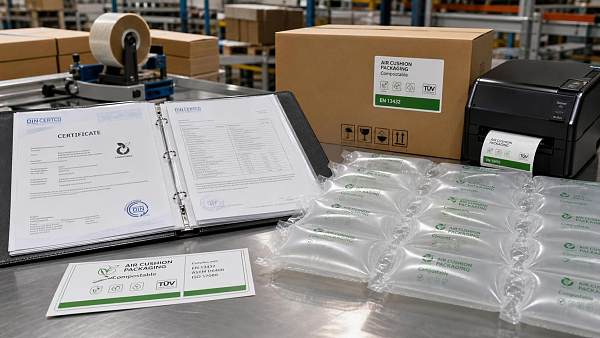
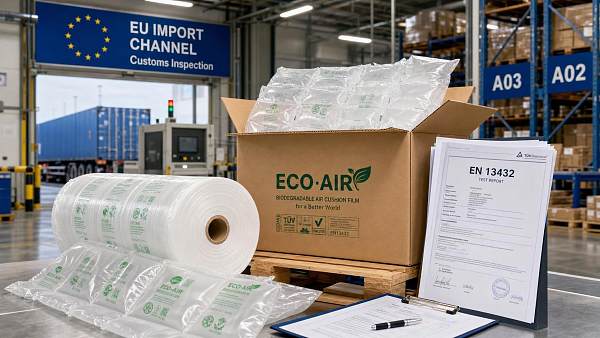
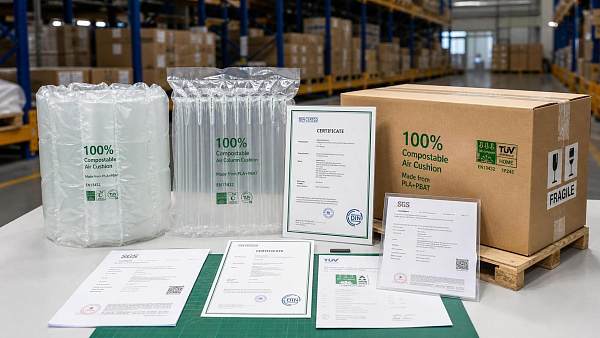
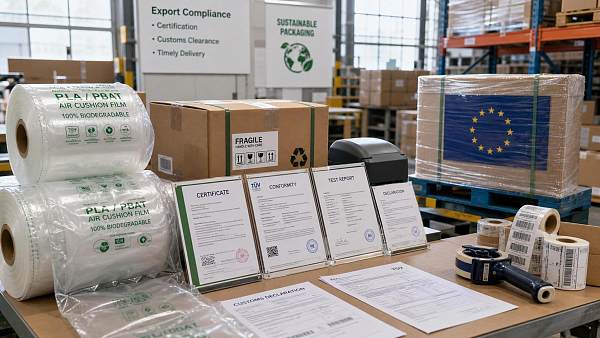
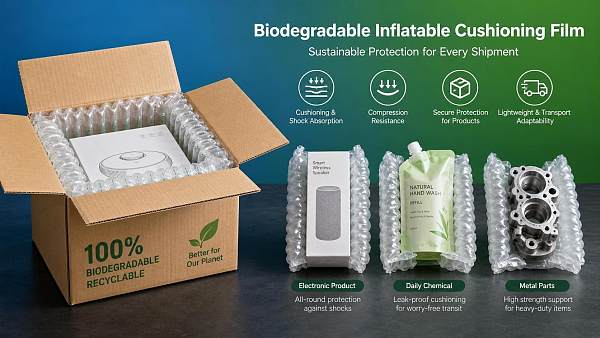
The disclosed procurement direction places PLA/PBAT bio-based films and degradable air cushioning products in the category of priority direct-purchase items. The same summary states that buyers explicitly require suppliers to provide EN13432 or ASTM D6400 certification documents.
The information also indicates that markets in Southeast Asia, the Middle East, and Africa are accelerating the phaseout of traditional PE foam and non-degradable plastic film. Within the boundaries of the provided facts, this is the clearest indication of the rule-related shift reflected by the buyer demand notice.
Why this changes the operating environment for suppliers
Certification is moving closer to the front end of procurement
From an industry perspective, the most immediate effect is on suppliers seeking to enter or retain access to these buyer channels. Once EN13432 or ASTM D6400 documents are stated as an explicit requirement, compliance evidence is no longer a supporting sales asset alone; it becomes part of the procurement entry condition. This affects quotation packages, technical file preparation, and pre-shipment document readiness.
Converters and manufacturers face tighter specification alignment
For processing and manufacturing enterprises, the impact is likely to appear in material selection, product specification alignment, and internal quality documentation. Analysis shows that when buyers identify PLA/PBAT films and degradable air cushions as preferred direct-sourcing categories, producers may need to verify whether existing products, formulations, and declarations can match the required certification pathway and customer-facing technical language.
Export and channel businesses may see higher document sensitivity
For exporters, traders, and distribution-side operators, the issue is not only whether degradable packaging can be supplied, but whether the supporting certificate set can travel cleanly with the order. What deserves closer attention is the link between sales commitments, tender or RFQ responses, shipment documentation, and post-delivery traceability, because the buyer-side requirement has already been expressed in document terms.
Testing and compliance service providers may become more involved
Certification-related firms and testing service institutions may also be affected because buyers are not merely signaling preference for a material trend; they are naming recognized standards. Observably, this can increase demand for document review, test report coordination, certificate validity checks, and consistency checks between product claims and submitted compliance materials.
What companies should watch now
Check whether certificates match the exact product being offered
Analysis shows that companies should first review whether the EN13432 or ASTM D6400 documents they hold actually correspond to the specific film or cushioning product being quoted. A broad sustainability claim may not be sufficient if the buyer request is tied to a clearly defined product category.
Prepare bid and sales files around compliance language
What deserves closer attention is the wording used in quotations, technical sheets, declarations, and buyer-facing compliance files. Where procurement demand is linked to a named certification standard, mismatched descriptions between product brochures, test materials, and contractual documents can become a practical trade risk even before shipment.
Monitor category shifts in markets replacing traditional PE packaging
From an industry perspective, suppliers serving Southeast Asia, the Middle East, and Africa should pay close attention to how requests for PLA/PBAT films and degradable air cushions appear in future RFQs, sourcing lists, and direct-purchase inquiries. The current information supports attention to a market access shift, but it does not yet establish a uniform execution rule across all buyers or all product lines.
Review delivery planning and supplier qualification readiness
Observably, if more buyers begin to treat degradable packaging as a preferred or required sourcing item, delivery planning may become more dependent on document readiness and supplier qualification status. Companies should therefore pay attention to whether internal approval workflows, third-party compliance support, and order handover processes are fast enough to meet buyer review expectations.
How this signal should be read at this stage
Analysis shows that this development is better understood as an execution signal from the market rather than a standalone legal text or formal regulatory notice included in the source materials. The significance lies in the fact that buyer-side demand is already translating sustainability and degradability expectations into named certification requirements and direct-purchase preferences.
At the same time, it is more appropriate to understand this as a strong directional indicator rather than proof of a fully unified compliance regime across all relevant markets. The source text does not provide detailed enforcement mechanisms, customs rules, or country-specific legal provisions. For that reason, continued observation is still necessary.
What this means for near-term market judgment
In practical terms, the disclosed buyer list suggests that degradable packaging requirements are moving from general preference toward procurement screening in parts of the emerging-market channel system. For affected businesses, the key issue is not only product substitution, but the growing importance of recognized certification documents in trade execution.
Current conditions are best understood as an actionable market signal with compliance implications, especially for suppliers targeting direct buyer engagement. It does not by itself confirm a complete regulatory settlement, but it does indicate that certification-backed packaging claims are becoming more relevant to commercial access and order conversion.
Basis of this article and what still needs verification
This article is generated from the user-provided news title, event timing field, and event summary. The specific official source link was not provided in the input, so the underlying announcement and any related official documents still require ongoing verification.
For this type of development, the source categories typically worth monitoring include official announcements, information released by regulatory or trade authorities, industry association updates, standard-setting body materials, procurement documents, and reporting by authoritative trade media. Further observation should focus on certification interpretation, buyer-side tender language, execution standards in specific markets, and how suppliers and channel operators respond in practice.
Recommended News
 Jul 31, 2026EU PPWR Rule Takes Effect on Labeling for Biodegradable Air CushionsEU PPWR rule now impacts labeling for biodegradable air cushions. Learn key EN 13432, PLA/PBAT, customs, and compliance risks shaping EU-bound packaging shipments.
 Jul 28, 2026EU PPWR shift makes EN 13432 mandatory for air cushionsEU PPWR shift makes EN 13432 mandatory for air cushions from July 27, 2026. Learn what biodegradable air cushion exporters must do on certification, labeling, customs clearance, and EU market access.
 Jul 24, 2026EN 13432 Certification Now Required for EU-Bound Air CushionsEN 13432 certification is now required for EU-bound air cushions. Learn how PPWR affects customs, labeling, sourcing, and what exporters must do now to stay compliant.
 Jul 22, 2026EU PPWR Transition Ends for Biodegradable Air CushionsBiodegradable air cushions now face an urgent EU PPWR compliance shift: after July 21, EN 13432 certification is essential for EU market access, customs clearance, and export continuity.
 Jul 21, 2026PPWR Takes Effect: EN 13432 Required for Biodegradable Air CushionsPPWR takes effect: EN 13432 is now required for biodegradable air cushions entering the EU. Learn the compliance risks, labeling rules, and how exporters can avoid customs delays.
 Jul 19, 2026PPWR Rule Takes Effect: EN13432 Now Required for Air CushionsPPWR Rule Takes Effect: EN13432 now required for air cushions entering the EU. Learn how biodegradable packaging exporters can avoid customs delays, rejection risks, and compliance gaps.
 Jul 17, 2026EU Tightens Entry Rules for Biodegradable Air CushionsEU Tightens Entry Rules for Biodegradable Air Cushions: learn how the new EN 13432 certification requirement affects EU market access, customs clearance, sourcing decisions, and compliance planning before August 1, 2026.
 Jul 15, 2026Canada Requires ASTM D6400 for Air Cushion ImportsCanada Requires ASTM D6400 for Air Cushion Imports: learn how the 2026 Canadian rule affects PLA/PBAT biodegradable air cushions, customs clearance, and supplier compliance before shipments are delayed.
 Jul 14, 2026EU Sets Q4 2026 Compostability Deadline for Air CushionsEU Sets Q4 2026 Compostability Deadline for Air Cushions: learn how PPWR rules, EN 13432 certification, and EU conformity documents will affect exporters, procurement, and shipment approval.
 Jul 14, 2026How Compostable Packaging Materials Perform Under Shipping StressCompostable packaging materials under shipping stress: learn how they handle compression, vibration, drops, moisture, and heat so you can choose greener packaging without sacrificing protection.
 Jul 12, 2026PPWR Transition Ends: EN13432 Reports Required for Biodegradable Air CushionsPPWR Transition Ends puts EN13432 reports at the center of EU shipments for biodegradable air cushions. Learn what exporters, buyers, and logistics teams must prepare before July 11, 2026.
 Jul 10, 2026EU PPWR Update Requires EN 13432 Batch MarkingEU PPWR update now requires EN 13432 batch marking on biodegradable cushioning packaging imported into the EU. Learn who is affected, key compliance risks, and what exporters should check before October 2026.
 Jul 10, 2026Eco Cushioning Solutions Compared: Paper, Air, and Foam Trade-OffsEco cushioning solutions compared: discover the real trade-offs of paper, air, and foam for protection, compliance, cost, and sustainability—choose smarter packaging with confidence.
 Jul 09, 2026Void Fill Packaging Air Pillows: When They Cut Cost Without Raising DamageVoid fill packaging air pillows can cut material, freight, labor, and storage costs—if damage stays low. Learn when they deliver real ROI and how finance teams should evaluate the risk.
![]() Jul 07, 2026Biodegradable Air Cushion Packaging Compostable: Cost, Claims, and Trade-OffsBiodegradable air cushion packaging compostable options sound simple, but cost, certification, performance, and disposal trade-offs matter. Learn what buyers should verify before switching.
Jul 07, 2026Biodegradable Air Cushion Packaging Compostable: Cost, Claims, and Trade-OffsBiodegradable air cushion packaging compostable options sound simple, but cost, certification, performance, and disposal trade-offs matter. Learn what buyers should verify before switching. Jul 06, 2026EU Tightens Entry Rule for Compostable Air CushionsEU Tightens Entry Rule for Compostable Air Cushions: learn how the new PPWR guidance and EN 13432 customs requirement may affect EU imports, compliance costs, shipment timing, and supplier planning before the October 2026 deadline.
 Jul 05, 2026EU PPWR Rules Take Effect for Biodegradable Air CushionsEU PPWR rules now apply to biodegradable air cushions, requiring EN 13432, ISO 20200, and recyclability declarations. Learn what exporters and importers must do now to avoid delays.
 Jul 04, 2026Air Pillows for Void Fill vs Paper: Which Lowers Shipping Cost Better?Air pillows for void fill vs paper: discover which option cuts shipping costs more by reducing weight, labor, and storage while protecting products and ROI.
 Jul 03, 2026EU Sets July 15 Compostability Deadline for Biodegradable Air CushionsEU Sets July 15 Compostability Deadline for Biodegradable Air Cushions: learn how EN 13432:2023 certification and EU TIC conformity rules may impact customs clearance, sales, and supply chain decisions.
 Jul 02, 2026EU Tightens PPWR Timing for Compostable Air CushionsEU Tightens PPWR Timing for Compostable Air Cushions: learn how the accelerated EU deadline impacts EN 13432 certification, customs clearance, shipments, and supplier compliance planning.
 Jul 01, 2026EU Tightens PPWR Timing for Compostable Air CushionsEU Tightens PPWR Timing for Compostable Air Cushions: learn how the July 15, 2026 certification deadline may impact EU customs clearance, sales eligibility, and supplier compliance planning.
 Jun 30, 2026EU Moves Up Compostability Rule for Air CushionsEU Moves Up Compostability Rule for Air Cushions: learn how the new PPWR deadline, EN 13432/ASTM D6400 certification, and customs risks could impact EU-bound shipments.
 Jun 30, 2026Are Biodegradable Air Cushion Packaging Films Strong Enough for ShippingAir cushion packaging biodegradable films can be strong enough for shipping when matched to product weight, route, and pack design. Learn where they perform best and when extra protection is needed.
 Jun 28, 2026Middle East E-Commerce Peak Starts Early, Tightening Supply of Biodegradable Air CushionsBiodegradable Air Cushions face tightening supply as the Middle East e-commerce peak starts early. Explore lead-time risks, PLA/PBAT cost pressure, and smart sourcing actions now.